

Antique Curiosity Display
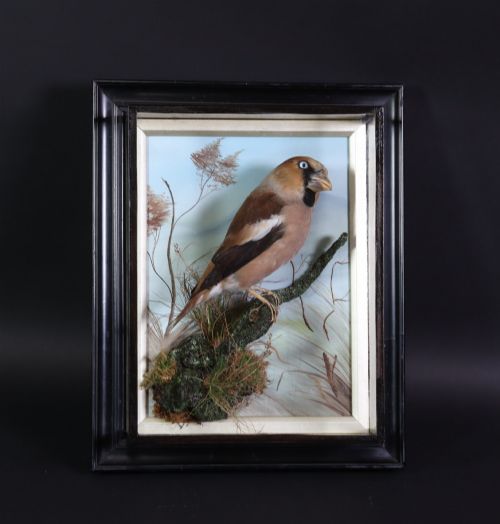
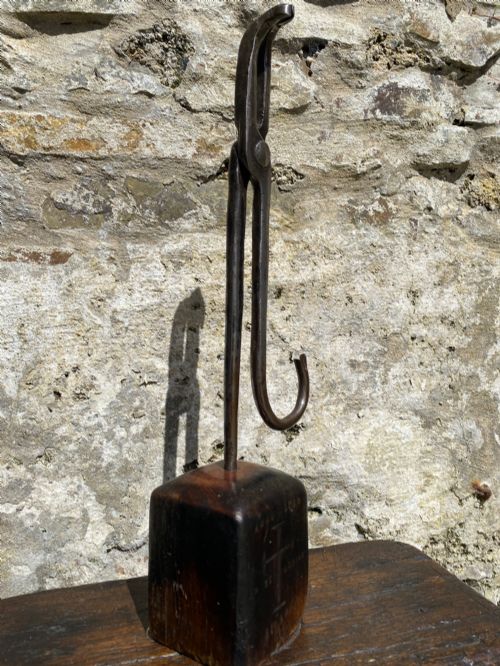
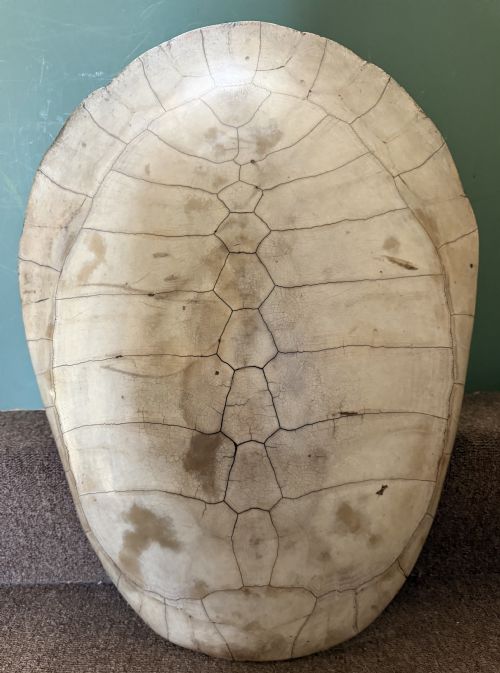
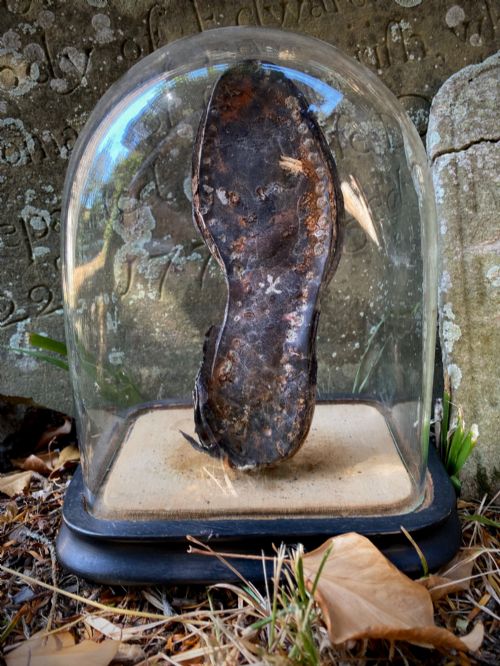
These pieces for an antique curiosity display bring natural history specimens, maritime folk art and delicate glass domes into the home to satisfy a taste for the unusual.
Antique Curiosity Display
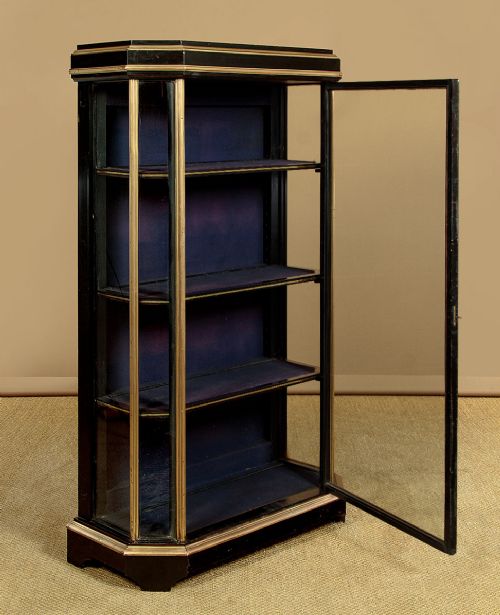
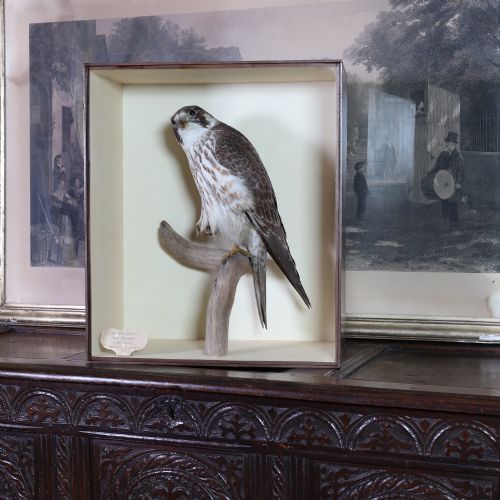
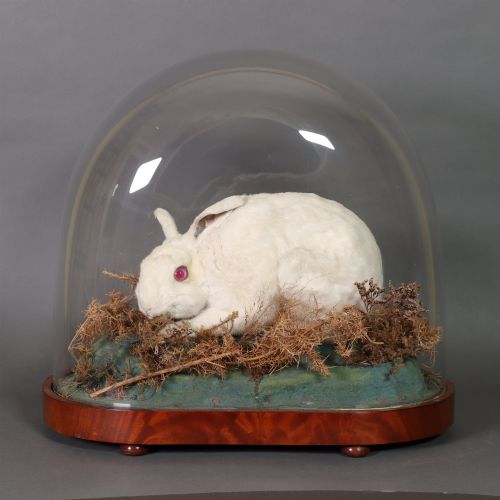
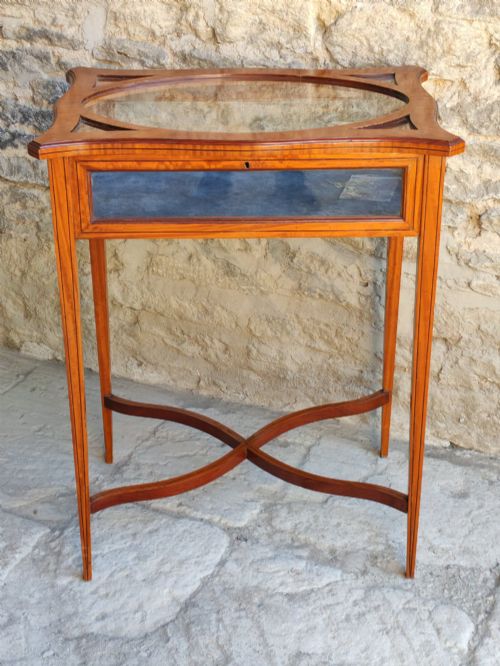
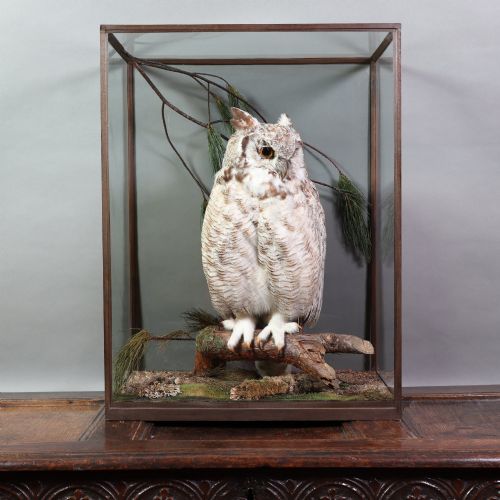
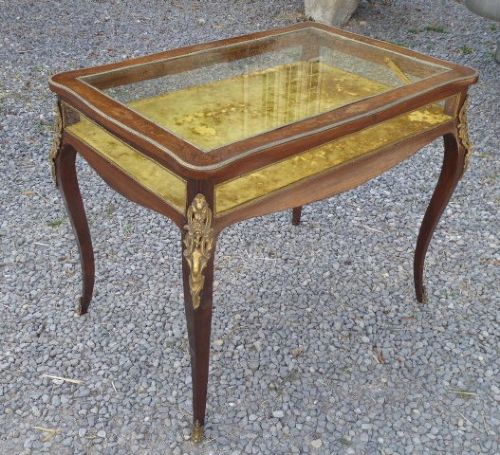
An antique curiosity display gathers objects from the natural world and cabinet-making traditions, ranging from taxidermy birds and mammals under glass to intricate marquetry bijouterie tables. Buyers search for these items to introduce tactile history and unusual specimens into domestic spaces, drawing on a long tradition of collecting and personal display.
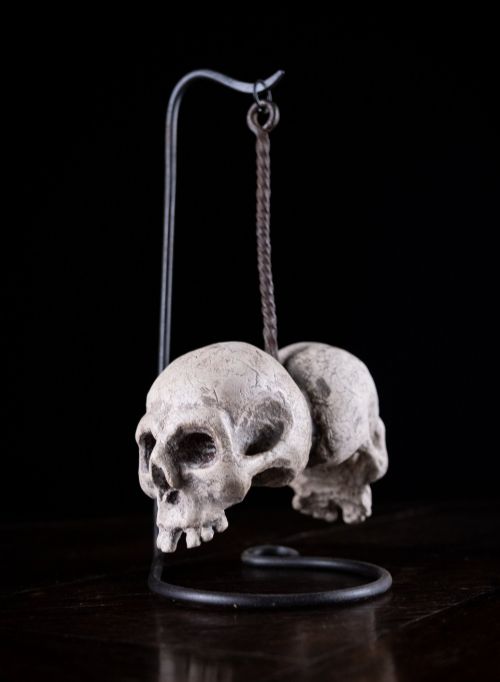
The selections available lean heavily toward Victorian and Edwardian examples, alongside pieces stretching from the eighteenth century into the mid-twentieth century. Forms vary from table vitrines and wall-hanging entomology cases to freestanding cabinets and freestanding glass domes housing butterflies, shells or animal skulls.
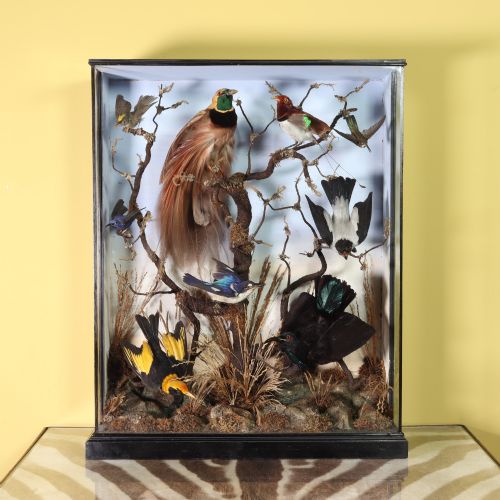
Makers and taxidermists of note appear across the record, providing structured contexts for specimens that might otherwise seem purely decorative. Whether housing exotic birds of paradise or simple sea shells, these containers and preserved specimens form the core of the items encountered here.
How they were made
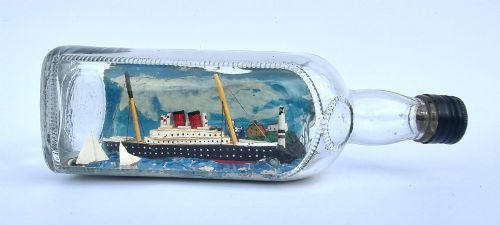
Taxidermy and natural history pieces combine skilled specimen mounting with structural supports of fabric, velvet and feathers inside glass enclosures. Maritime folk art and dioramas utilise carved wood and glass to construct miniature enclosed scenes.
Antique Curiosity Display Retail Price Guide 2026
Typical asking prices for curiosity display among the pieces listed under this phrase on Sellingantiques today, from the lower quarter to the upper quarter. They describe what is for sale here now, not the wider market.
Listings feature periods spanning from the eighteenth century through to the mid-twentieth century, dominated by Victorian and Edwardian examples.
What varies in quality
Quality rests upon the crispness of the cabinet joinery, the integrity of the glass and the preservation state of the specimen within. Pieces originating from named taxidermy workshops or carrying documented attribution tend to demonstrate superior craftsmanship in both mount and case.
Materials such as figured satinwood and finely executed marquetry separate standard storage from decorative showpieces. The harmony between the original enclosure and its contents dictates the overall visual cohesion.
James Gardner of London·Rowland Ward Ltd·Henry Ward London·A Pollard·Hutchings of Aberystwyth
The Antique Curiosity Display Glossary
- Bijouterie table
- A glass-topped display table specifically designed for showing small ornaments, medals and trinkets. These tables typically feature hinged lids and satinwood or mahogany frames.
- Vitrine
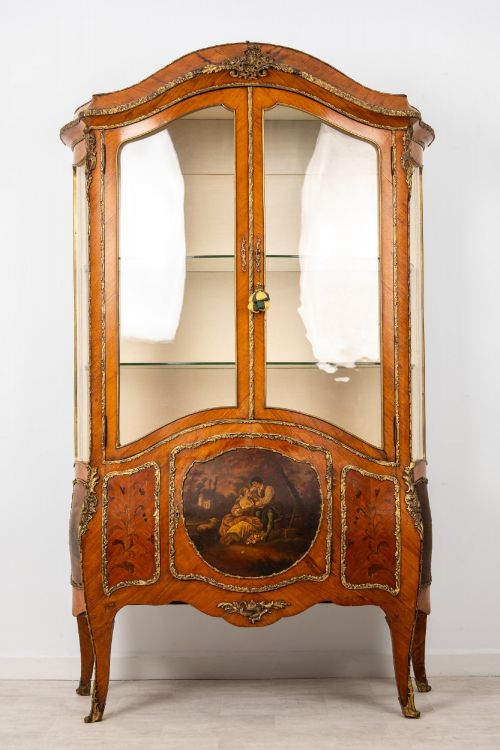
- A glass-fronted cabinet or display case used for exhibiting fine objects and porcelain. They appear in Edwardian and nineteenth-century forms.
- Cloche
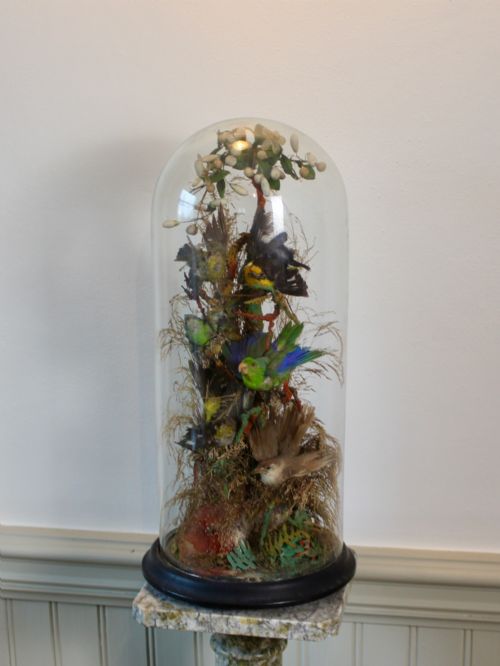
- A bell-shaped glass cover used to protect delicate items, taxidermy or clocks. They sit directly upon a wooden or velvet-lined base.
- Entomology case
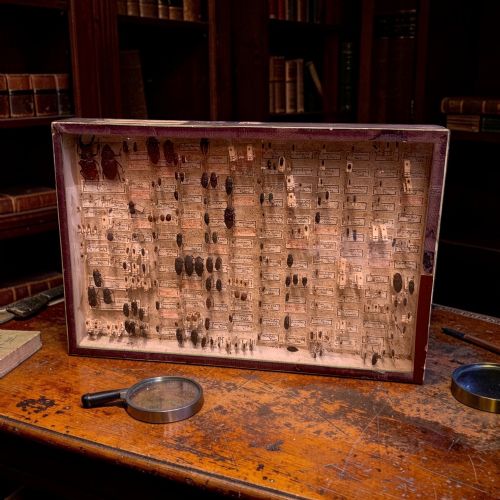
- A shallow wooden box fitted with glass for the preservation and display of insect specimens. These cases often hang upon walls or rest within cabinets.
- Diorama
- A three-dimensional miniature scene enclosed within a glass-fronted box or bottle. Maritime examples frequently depict steam ships amidst carved water.
Antique Curiosity Display: Frequently Asked Questions
What is an antique curiosity display?
It is a collection of objects spanning natural history specimens, taxidermy, folk art and glass-topped display tables. These items reflect historical pursuits of collecting and classifying the unusual.
Buyers use them to introduce texture, history and conversation pieces into contemporary interiors.
How were taxidermy domes used?
Glass domes protected fragile specimens like birds of paradise and butterflies from dust, moisture and handling. They allowed detailed observation from all angles while preserving organic materials.
Victorians placed these arrangements on mantelpieces, side tables and dedicated cabinets.
What is a bijouterie table?
A bijouterie table is a low display piece featuring a glass top and sides supported by a wooden frame. They were designed for drawing rooms to exhibit small valuables, coins and jewellery.
Interior settings utilise them today as working display surfaces for collections.
How do I care for display pieces?
Keep glass-enclosed items and taxidermy away from direct sunlight and damp conditions to protect feathers, fabrics and wood. Gentle dusting of exterior glass surfaces maintains clarity without disturbing delicate internal mounts.
Avoid removing glass domes unless necessary for conservation.
How do I identify Victorian pieces?
Victorian items often employ timbers like mahogany and ebonised wood alongside hand-blown glass domes. Documentation or historical taxidermy labels inside cases point directly to nineteenth-century origin.
Stylistic cues include ormolu mounts and marquetry work typical of the period.