


Antique Cupboard Unit
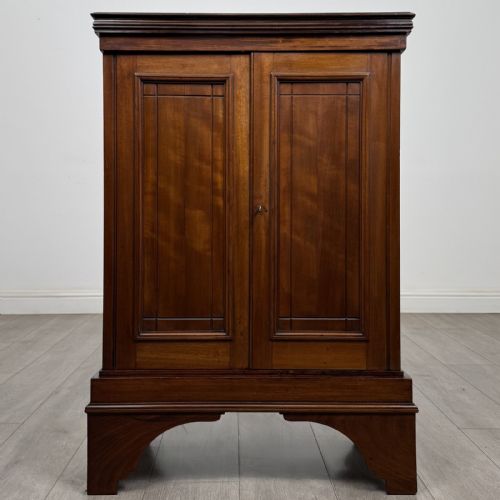
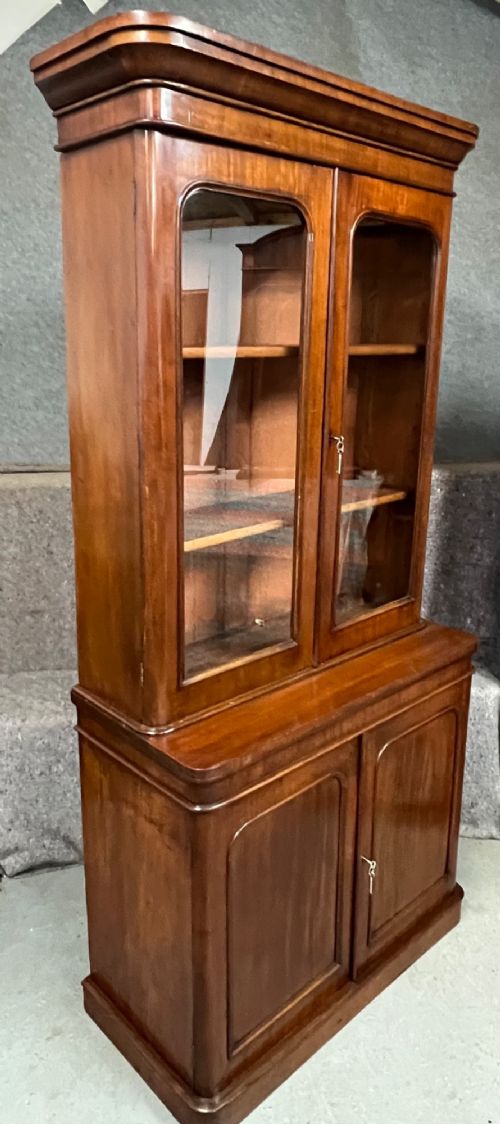
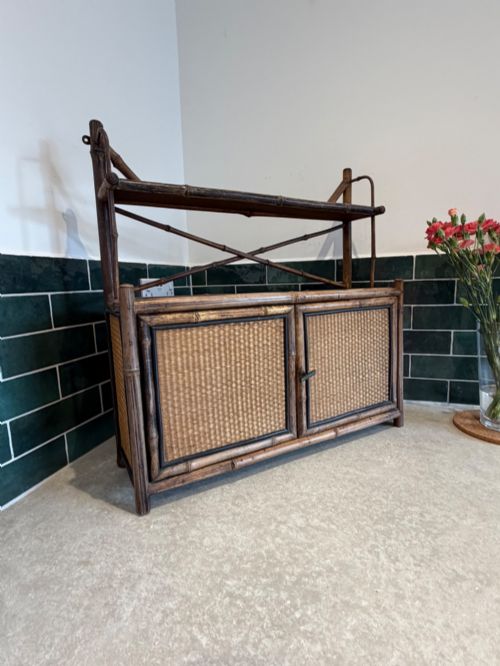
An antique cupboard unit combines domestic utility with period character, offering fitted storage in timbers such as mahogany, oak, and pine.
Antique Cupboard Unit
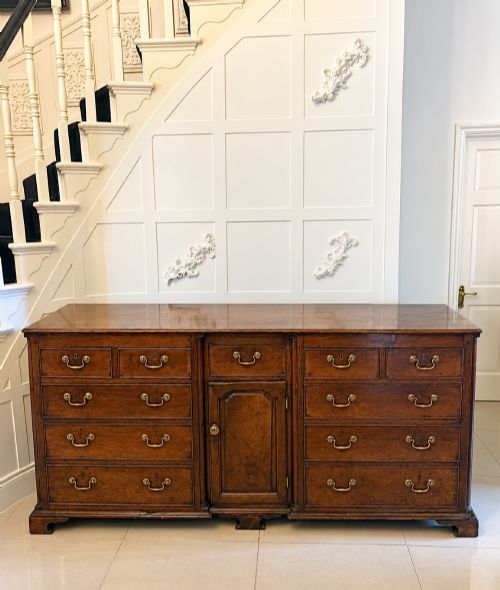
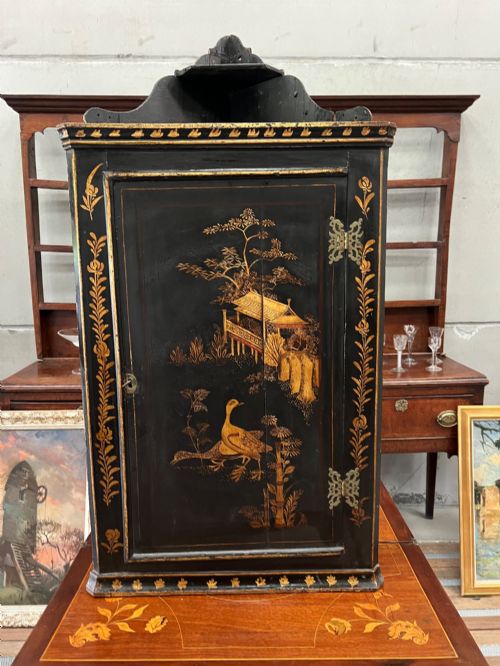
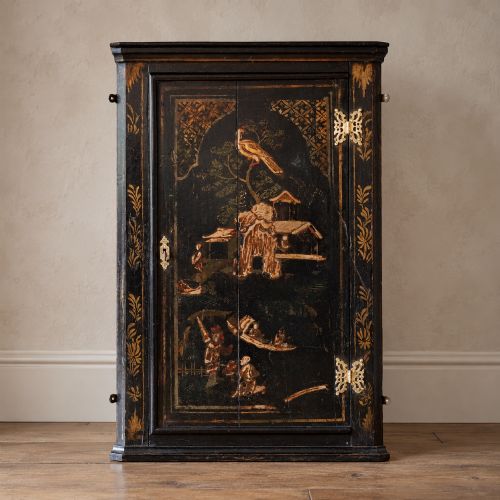
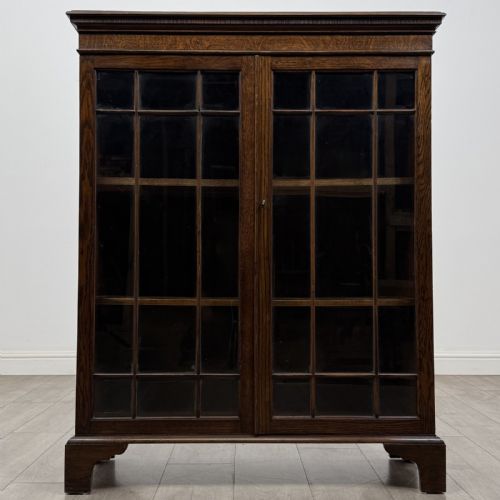
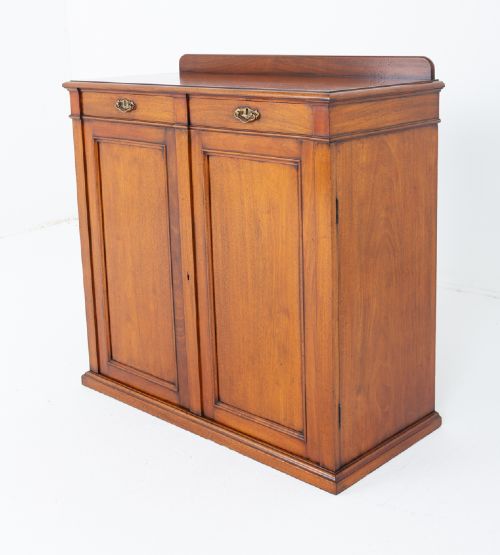
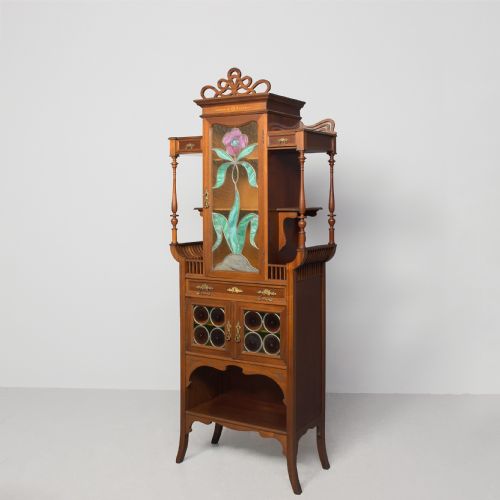
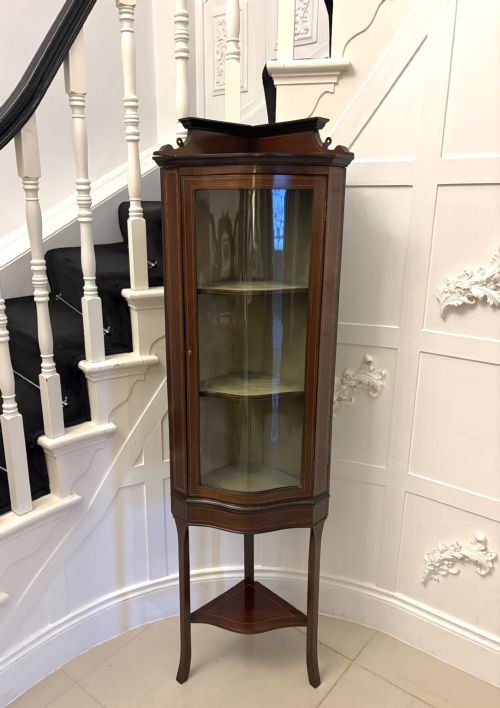
An antique cupboard unit encompasses a wide array of storage forms, including corner cabinets, display pieces, sideboards, and dressers. When exploring this selection, buyers frequently encounter Edwardian and Victorian examples alongside earlier Georgian and 18th-century designs.
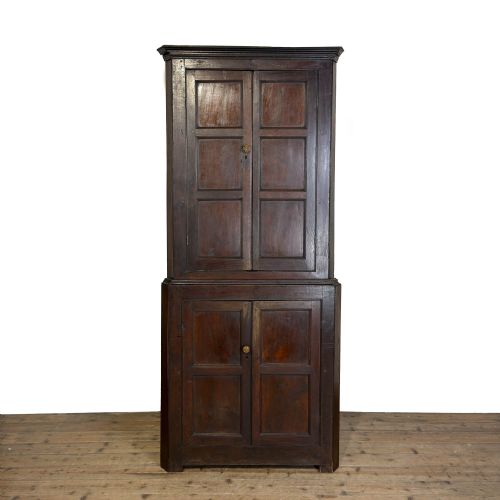
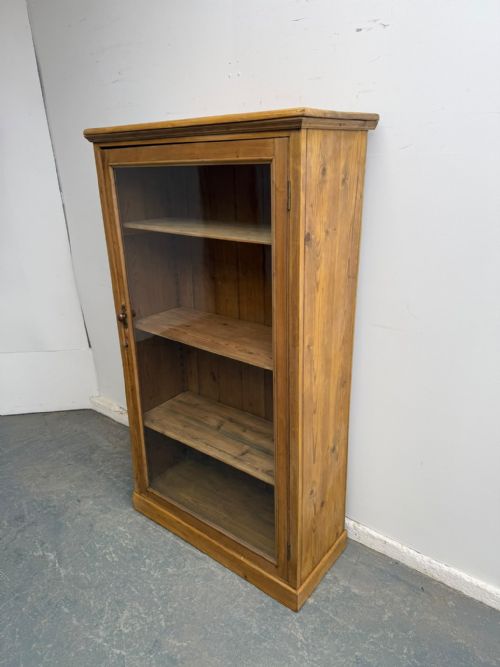
The practical function of these pieces ranges from kitchen food storage and library organisation to displaying porcelain and holding shop goods. Oak and mahogany dominate the formal cabinet forms, while pine provides the substance for larger kitchen dressers and larder cupboards.
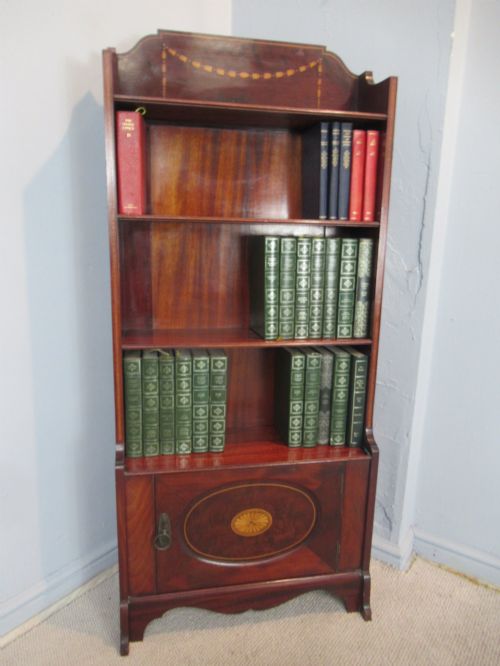
Makers adapted the basic cupboard unit to suit domestic spaces through clever proportions, seen in bow-fronted corner cupboards and narrow waterfall bookcases. Each piece reflects the architectural tastes of its period, moving from heavy Jacobean revival oak to the lighter inlaid satinwood and mahogany of the Edwardian era.
Materials and construction methods
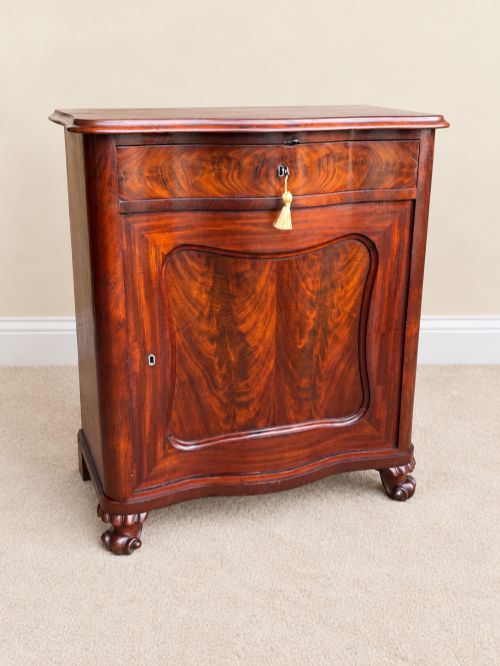
Cabinet makers relied primarily on solid oak, mahogany, and pine, often enhancing finer pieces with satinwood stringing, brass handles, and leaded or astragal-glazed glass doors. Structural integrity depended on traditional joinery, including dovetailed drawer construction and mortise and tenon frames.
Surface treatments varied from the deep polish of plum pudding mahogany to ebonised finishes and the natural wax of working kitchen pine. Metal elements such as iron brackets, brass drop handles, and lion mask carvings provide functional support and decorative punctuation.
Antique Cupboard Unit Retail Price Guide 2026
Typical asking prices for cupboard unit among the pieces listed under this phrase on Sellingantiques today, from the lower quarter to the upper quarter. They describe what is for sale here now, not the wider market.
Listings feature storage forms across the 18th, 19th, and 20th centuries, executed in mahogany, oak, pine, and satinwood.
Distinctions in construction and design
Quality rests in the selection of timber, such as highly figured plum pudding mahogany versus plain utility boards, and the crispness of hand-carved details like linenfold panels or lion mask motifs. Superior examples maintain original glass panes, working brass locks, and intact backboards.
The refinement of internal fitting separates standard storage from exceptional cabinet work, evidenced by eleven-drawer configurations, adjustable shelving, and well-executed inlaid banding. The harmony of proportions, particularly in corner units and dwarf bookcases, dictates the visual success of the piece.
John Moyr Smith·Luxmore's of Ilfracombe
The Antique Cupboard Unit Glossary
- Astragal glazed
- A method of framing glass door panels with wooden bars in geometric or curved patterns. This technique allows light into display cabinets while keeping contents secure.
- Bow front
- A convex, curved cabinet front popular in Georgian and later pieces. It softens the corners of a room and maximises internal storage capacity.
- Linenfold
- A style of wood carving that mimics folded fabric, frequently seen on Edwardian and revival oak panels. It provides texture and depth to flat cupboard doors.
- Waterfall bookcase
- A tiered set of open shelves where each level steps back progressively from the one below. These pieces offer compact display space for books and small objects.
Antique Cupboard Unit: Frequently Asked Questions
What is an antique cupboard unit?
An antique cupboard unit is an enclosed piece of historic furniture designed for storage and display, spanning forms from corner cabinets to dressers.
These pieces utilise timbers like mahogany, oak, and pine to serve domestic functions across various historical periods.
How were corner cupboards used?
Corner cupboards made efficient use of domestic space by fitting neatly into room angles where standard rectangular furniture would fail.
They stored porcelain, glassware, and provisions, keeping dining items close to hand while protecting them from dust.
How do I date an oak cupboard?
Dating oak furniture involves examining construction methods, timber grain, and stylistic details such as linenfold carving or brass hardware.
Earlier pieces show hand-tool marks and pegged joints, while Edwardian revivals often incorporate machine-cut elements and leaded glass.
Where did pine dressers originate?
Pine dressers served as utilitarian kitchen and larder storage in British homes, evolving from simple open wall shelves to large enclosed cupboards.
Working houses relied on pine for its availability and resilience, resulting in practical furniture designed for daily use.