



Antique Cuban Mahogany
Antique cuban mahogany pieces are dense, dark timber furnishings spanning the eighteenth and nineteenth centuries, prized for their exceptional weight and deep red grain.
Antique Cuban Mahogany
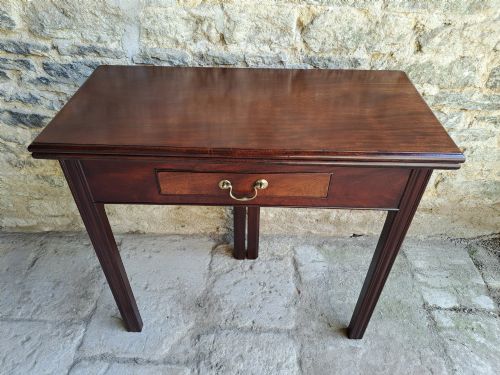
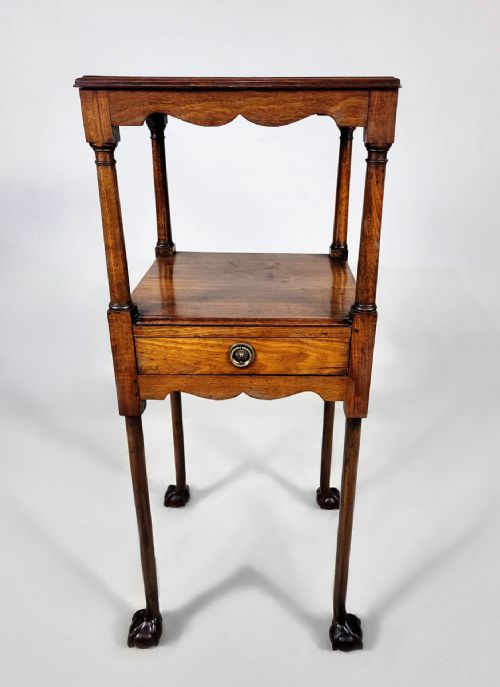
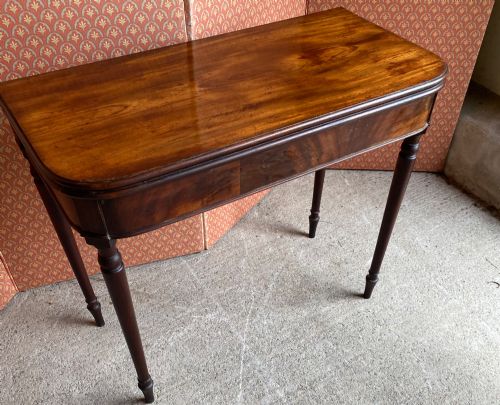
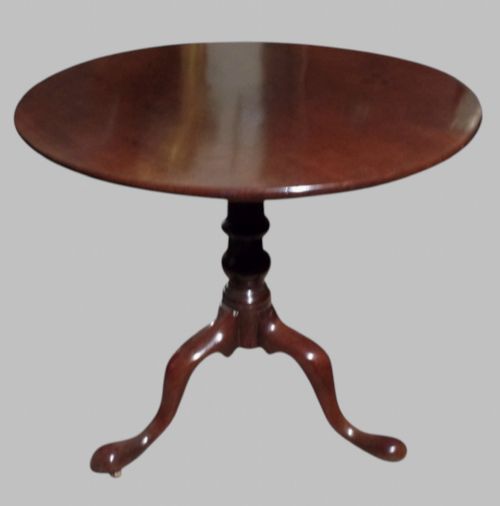
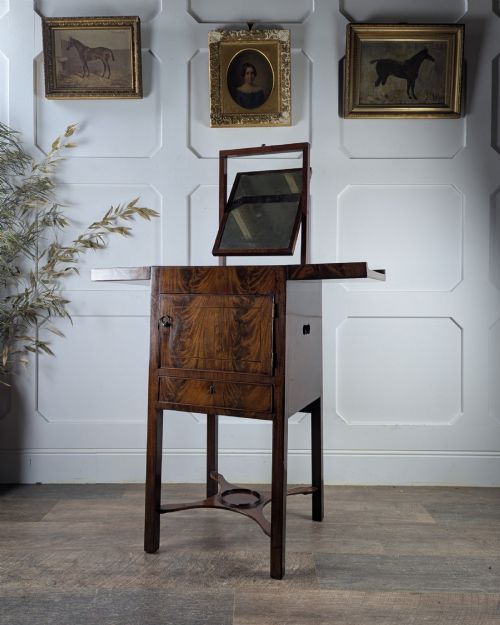
When you search for antique cuban mahogany, you encounter dense hardwoods shaped into domestic furniture across the Georgian, Regency, and Victorian periods. The material appears most frequently in dining tables, chests of drawers, and writing desks dating from the mid-eighteenth century onward.
The timber itself derives from trees harvested in the Caribbean before stocks dwindled. Pieces range from simple tilt-top occasional tables to large extending dining tables and library desks designed for formal interiors.
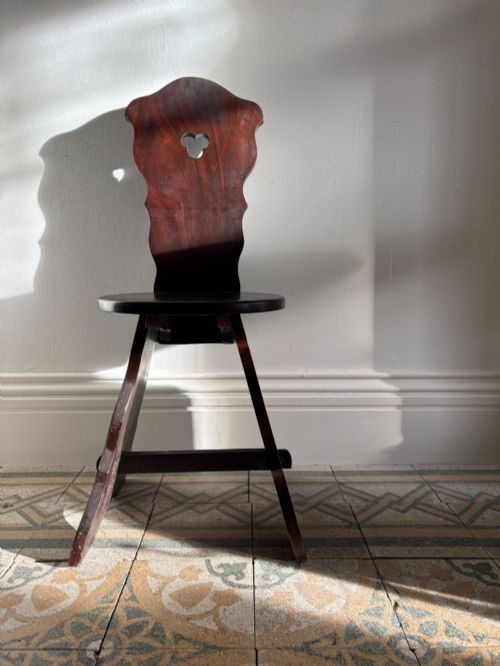
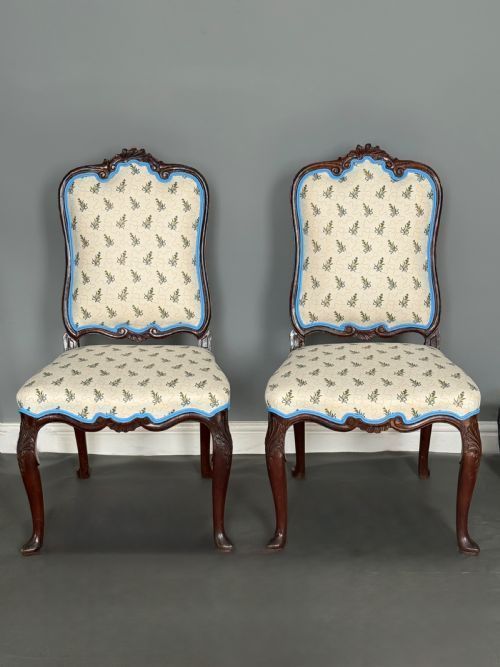
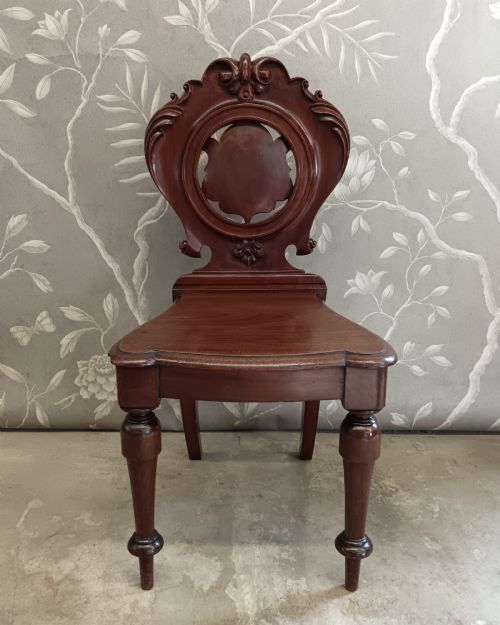
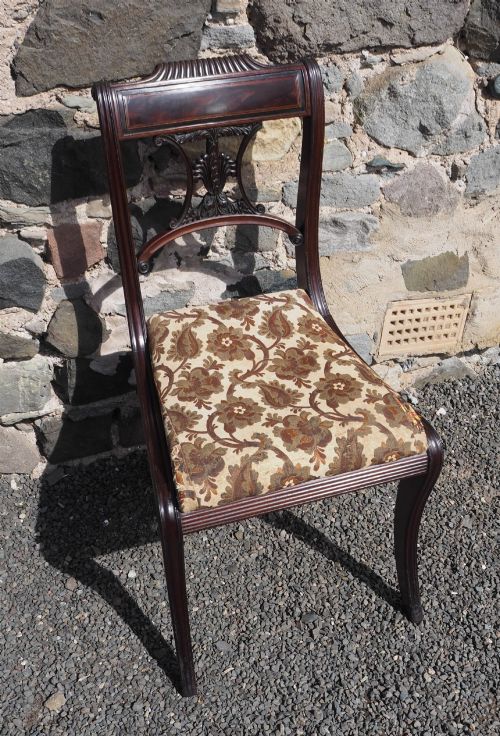
Makers utilised the heavy wood for structural stability and rich patination. Side chairs, linen presses, and bureau bookcases demonstrate the versatility of the material across different workshops.
How they were made
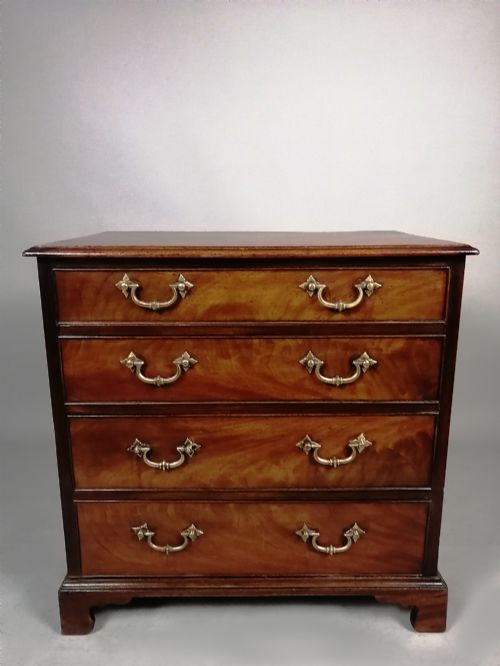
Cabinetmakers worked with solid cuban mahogany and flame veneers, often combining the timber with secondary woods like oak for drawer linings. Brass handles, castors, and hinges provided functional hardware, while leather inserts appeared on writing tables.
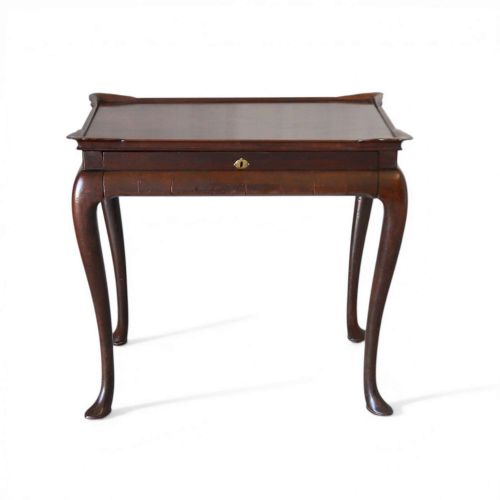
Joinery techniques included dovetailing for drawer construction and mortise and tenon joints for frames. Carved details on cabriole legs and reeded edges relied on sharp chisels handled by skilled carpenters.
Antique Cuban Mahogany Retail Price Guide 2026
Typical asking prices for cuban mahogany among the pieces listed under this phrase on Sellingantiques today, from the lower quarter to the upper quarter. They describe what is for sale here now, not the wider market.
Early butler's trays often retain ink stains inside the corners from spilled port and ledger entries.
What varies in quality
Quality rests in the selection of the timber grain and the crispness of the carving. Flame mahogany veneers show deliberate book-matching, whereas utility items display plainer, straighter grain patterns.
Proportion and construction integrity distinguish superior pieces from standard workshop output. Original brasses, secondary oak timbers, and unaltered drawer structures elevate a piece above later adaptations or replacements.
Gillows·James Shoolbred·P and MA Nicholson·Fatton Eleve De Breguet
The Antique Cuban Mahogany Glossary
- Flame mahogany
- A veneer cut from the branch junctions of the tree, creating a dramatic, flickering grain pattern. This figure was reserved for the principal facades of high-end case furniture.
- Cabriole leg
- A furniture leg that curves out and then in, resembling an animal's limb. It terminates in a pad or claw foot common on mid-eighteenth-century tables.
- Reeded legs
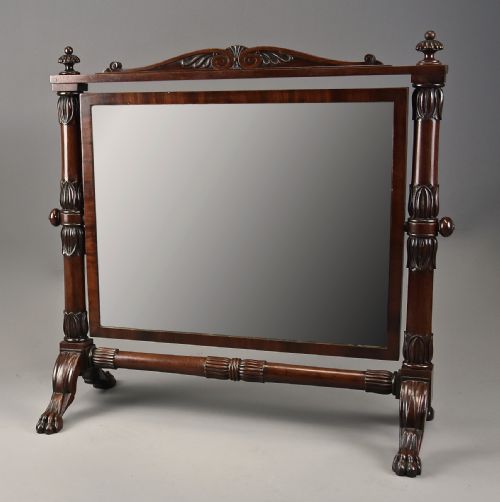
- Parallel convex moulding carved into the vertical surface of a table or chair leg. This decorative treatment appears frequently on Regency pieces.
- Dumb waiter
- A tiered revolving stand placed beside a dining table to hold dishes without servants present. These items utilise heavy turned pedestals and multiple shelves.
Antique Cuban Mahogany: Frequently Asked Questions
How do I identify cuban mahogany?
Cuban mahogany is notably heavier and denser than other mahogany species, often displaying a dark, rich reddish-brown hue with deep patination.
The wood sinks in water and feels exceptionally cool to the touch due to its tight cellular structure.
When was cuban mahogany used?
The timber saw widespread use from the early eighteenth century until supplies diminished in the mid-nineteenth century.
Legislation and over-harvesting eventually restricted exports from the Caribbean, leading makers to substitute Honduras or African varieties.
How should I clean this furniture?
Dust the surface regularly with a dry, soft lint-free cloth to prevent particulate accumulation on the polish.
Apply traditional beeswax periodically to nourish the timber, avoiding modern silicone sprays that degrade antique polishes.
Did Georgian makers polish the backs?
Cabinetmakers generally finished only the primary visible facades of case pieces like chests and bookcases.
Secondary woods such as pine or oak were left unfinished on drawer interiors and backboards.