


Antique Crystal Glass Vase
An antique crystal glass vase brings weight and refraction to a room, ranging from heavy Regency cut vessels to slender Victorian ruby lustres.
Antique Crystal Glass Vase
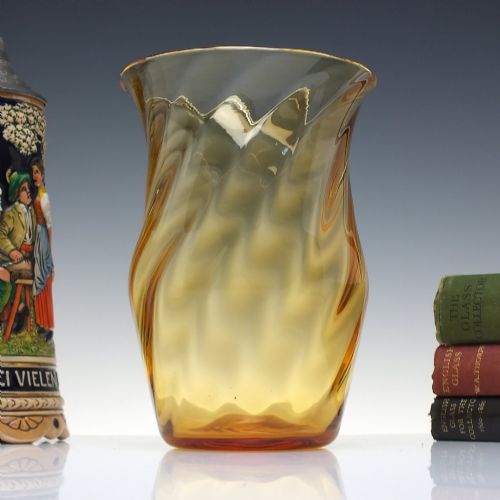
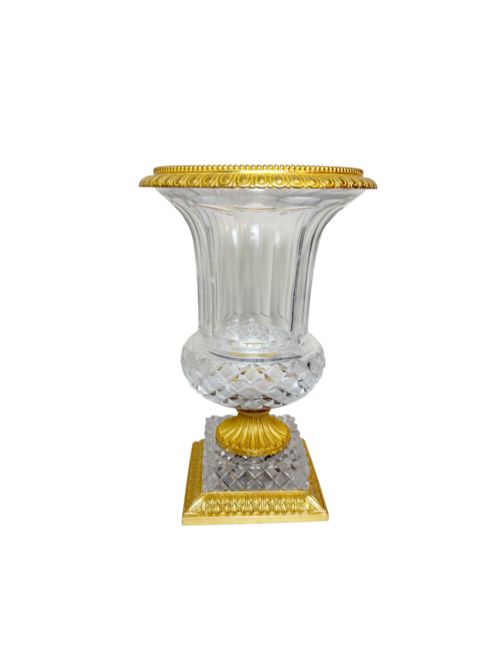
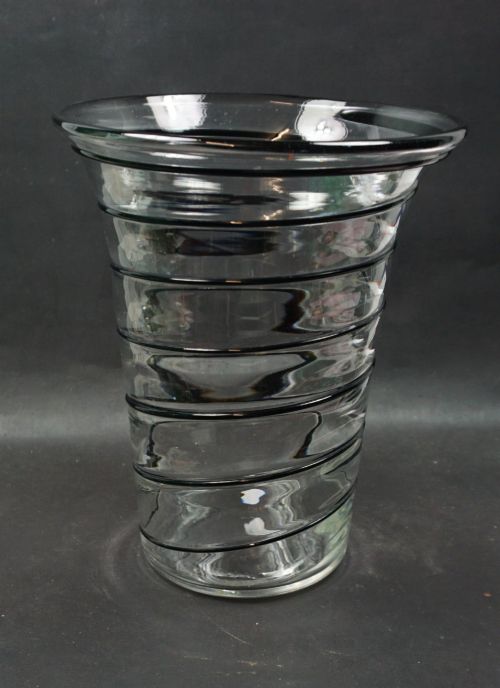
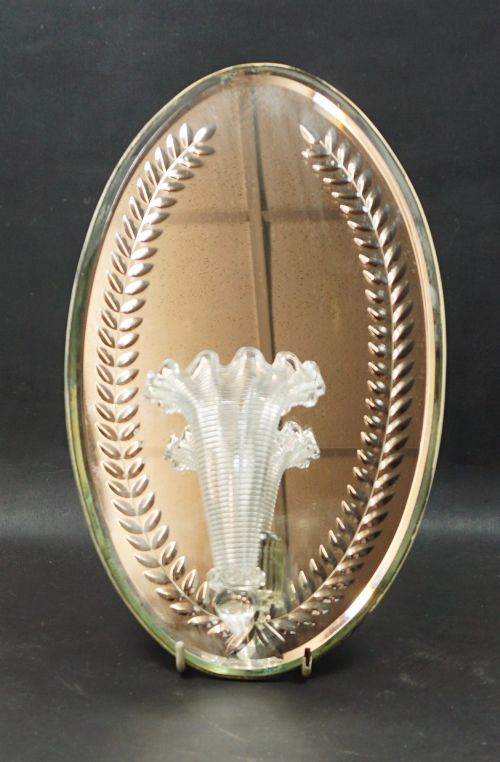
When you search for an antique crystal glass vase, you encounter a variety of forms spanning from the early nineteenth century through the art deco era. The selection includes tall celery vases, heavy mantel lustres, and richly coloured overlay vessels.
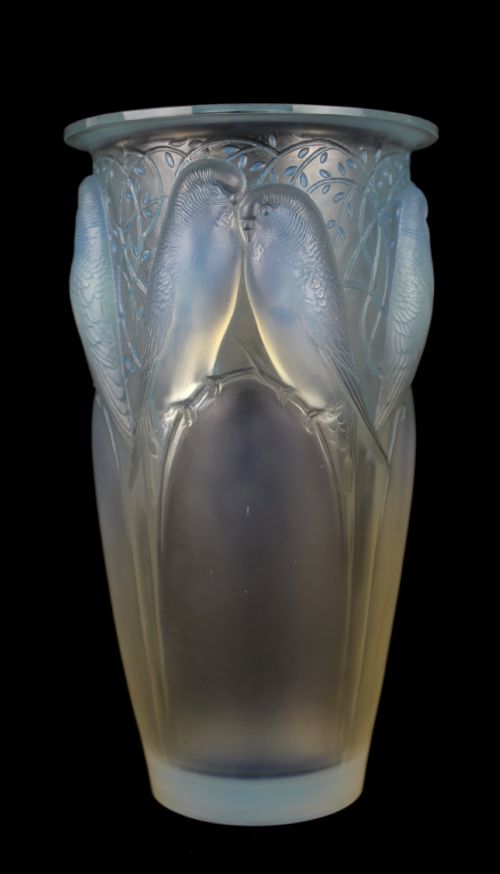
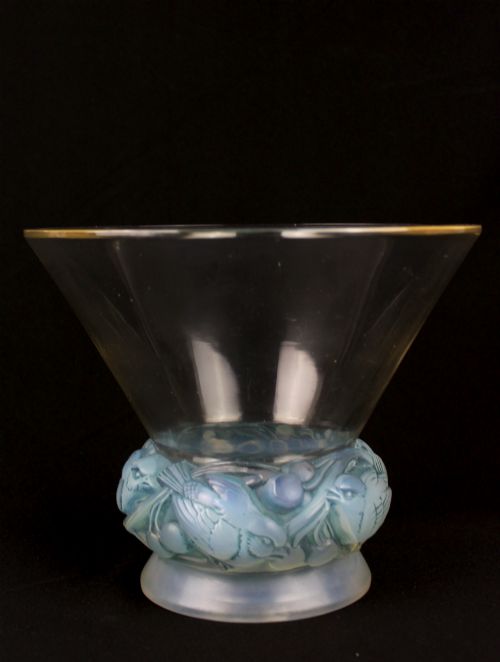
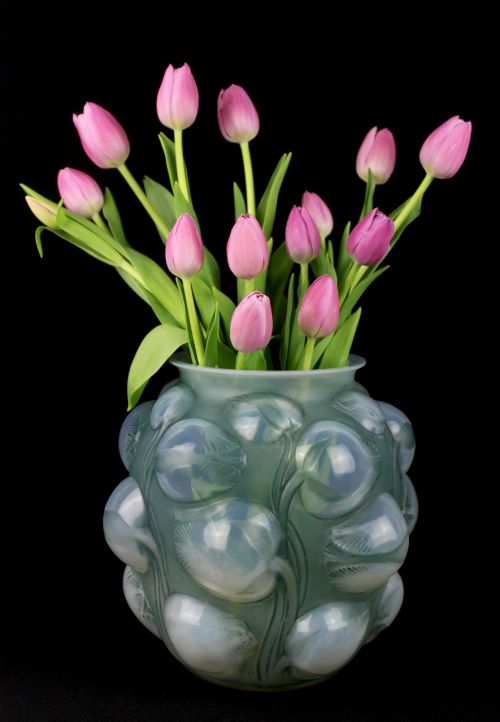
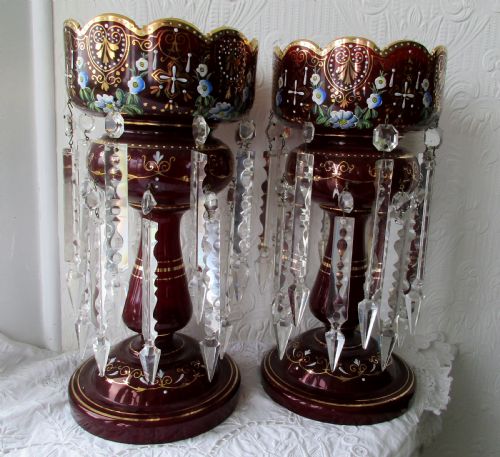
Victorian examples dominate the selection, often appearing in ruby, green, or cobalt blue glass, frequently ornamented with crystal drops. Alongside these sit later twentieth century works featuring distinctive modernist silhouettes and moulded details.
How they were made
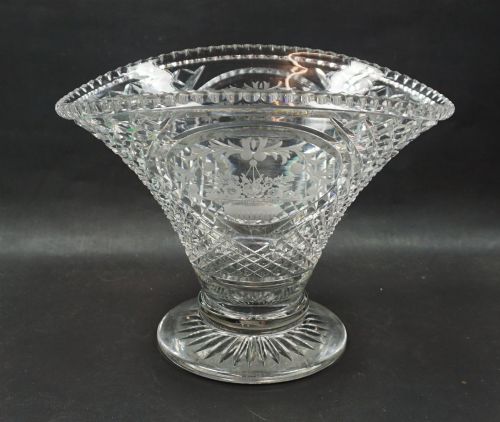
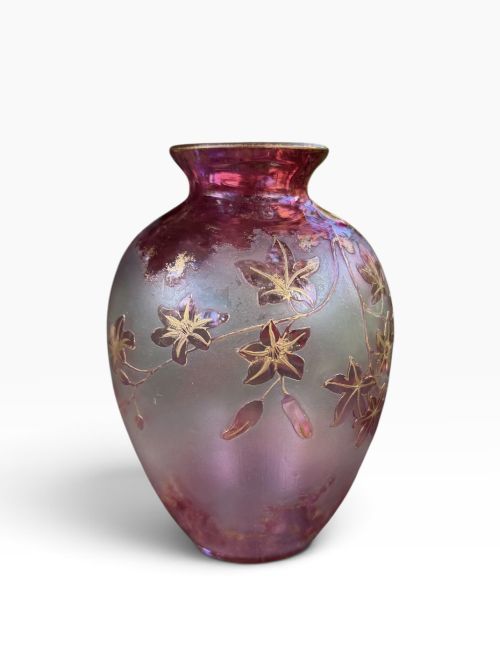
Makers shaped these objects using lead crystal or soda glass, often employing overlay techniques where a coloured layer of glass covers a clear crystal base. Artisans then cut, engraved, or enamelled the surface to expose the contrasting layers underneath.
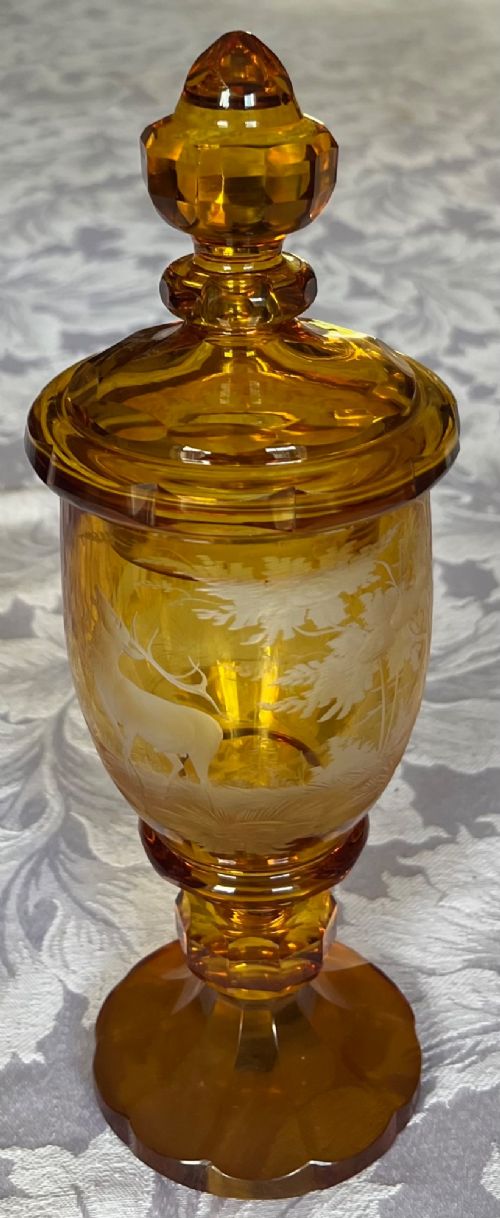
Techniques such as hand wheel engraving and acid staining allowed workshops to achieve fine surface detail and varied opacity. Pieces frequently incorporate supplementary elements like gilt bronze mounts, silver plating, or paste gilt decoration.
Antique Crystal Glass Vase Retail Price Guide 2026
Typical asking prices for crystal glass vase among the pieces listed under this phrase on Sellingantiques today, from the lower quarter to the upper quarter. They describe what is for sale here now, not the wider market.
Some nineteenth-century tables held philosophy lessons in glass, featuring ancient thinkers wheel-engraved into clear crystal.
What varies in quality
Quality rests in the crispness of the cutting and the purity of the metal, where sharper facets and heavier crystal create superior light refraction. Depth of colour and the precision of overlay work also separate standard production from exceptional pieces.
The sophistication of the design, whether through intricate wheel engraving or fine enamel painting by established makers, determines the standing of the piece. Superior examples display careful finishing at the rims and polished pontil marks on the base.
Rene Lalique·Daum·St Louis glassworks·Val St Lambert·Stuart
The Antique Crystal Glass Vase Glossary
- Lead crystal
- Glass containing a high proportion of lead oxide, which increases weight, brilliance, and softness for easier cutting. This material is responsible for the characteristic ring when struck.
- Overlay glass
- A technique involving two or more distinct layers of glass, typically a coloured exterior over a clear crystal interior. Cutting through the outer layer reveals the clear glass beneath.
- Mantel lustre
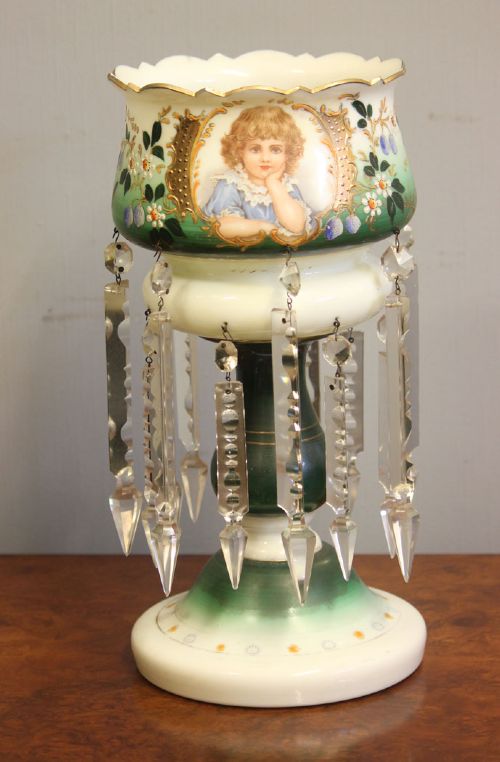
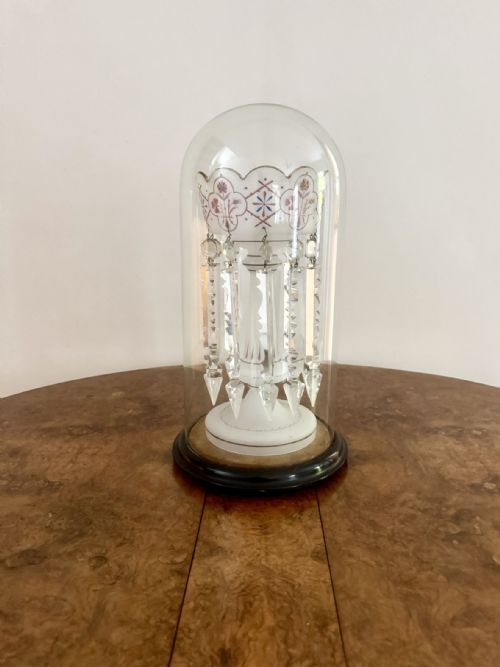
- A decorative table ornament featuring a central vase hung with long cut crystal prisms. These pendants catch and refract candlelight in dimly lit rooms.
- Flash glass
- A thin layer of coloured glass applied over a colourless body before blowing and cutting. It permits intense surface hues without excessive weight.
- Wheel engraving
- A cold-working technique using small rotating abrasive wheels to cut deep pictorial or geometric designs into the glass surface. This method requires steady hands and considerable skill.
Antique Crystal Glass Vase: Frequently Asked Questions
What is an antique lustre vase?
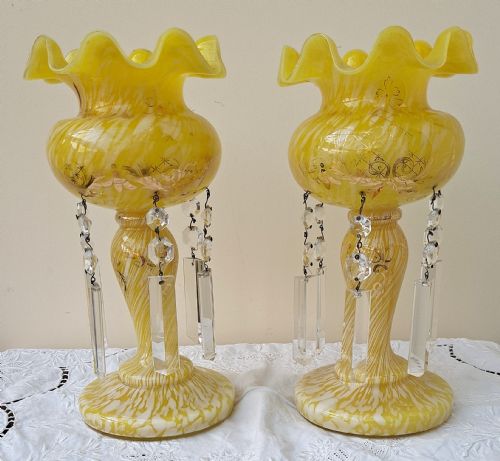
An antique lustre vase is a decorative vessel fitted with a ring of hanging crystal prisms below the rim. These glass drops were designed to refract candlelight and lamplight across Victorian drawing rooms.
Such pieces often served as mantel ornaments or centrepieces, frequently paired with matching side vessels. They appear in colours like ruby, green, and blue, often accented with gilt decoration.
How do I clean an antique crystal vase?
Cleaning requires lukewarm water and a mild detergent, avoiding sudden temperature changes that can crack aged glass. Soft cloths and non-abrasive brushes help remove dust from deep cuts without scratching the surface.
Pendants on lustres should be removed and washed individually before being reattached with wire or thread. Harsh chemical cleaners and dishwashers must be avoided to protect gilding and enamel work.
What is cut to clear glass?
Cut to clear glass describes vessels made with a coloured outer layer over a clear crystal body. Artisans cut deep geometric or floral patterns through the top layer to expose the transparent glass underneath.
This method creates strong visual contrast and highlights the thickness of the material. It is frequently found on nineteenth-century Bohemian and Victorian mantel ornaments.
How can I date an antique glass vase?
Dating relies on stylistic clues, manufacturing marks, and the weight and colour of the material. Regency examples often feature heavy, simple cutting, while Victorian pieces lean towards vibrant colours and elaborate lustres.
Later art deco works from the twentieth century show stylised motifs, acid-etched signatures, or moulded opalescent surfaces. Examining the base for pontil scars also provides clues regarding the age and manufacturing method.