



Antique Crystal Cups
Antique crystal cups bring tactile weight and brilliant refraction to the table, spanning everything from Georgian jelly glasses to Edwardian cordial sets.
Antique Crystal Cups
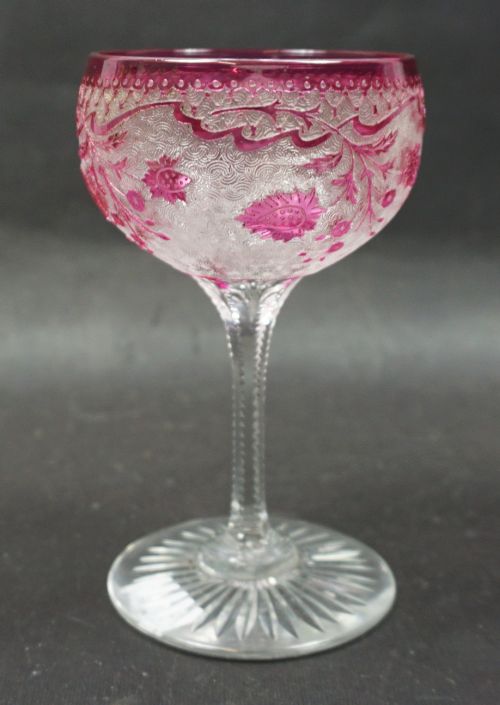
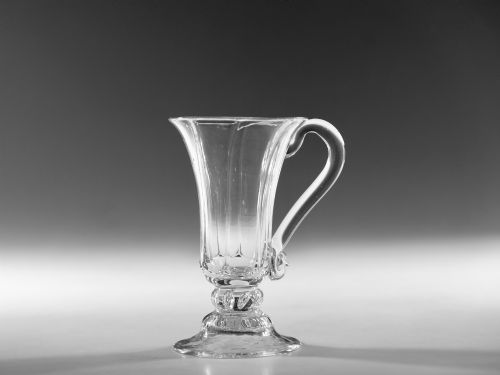
When you search for antique crystal cups, you encounter a varied selection of drinking vessels and glassware spanning several centuries. The range includes eighteenth-century Georgian jelly glasses with folded feet, mid-nineteenth-century cranberry over crystal champagne coupes, and Edwardian cordial glasses.
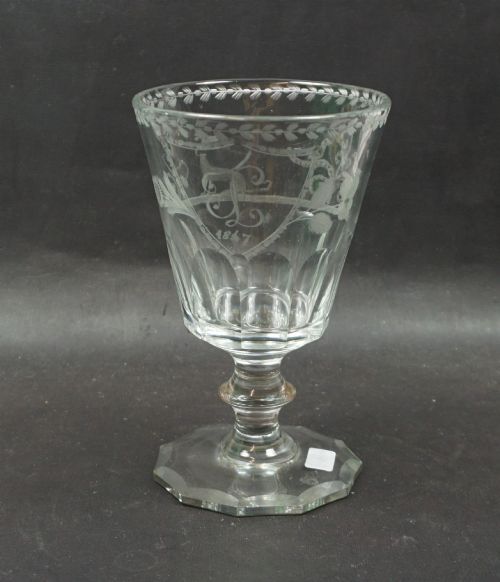
You are most likely to meet clear lead glass and cut glass forms originating from English and Bohemian traditions. These pieces reflect the drinking habits and decorative arts of periods from the eighteen hundreds through to the nineteen thirties, including commemorative goblets and punch sets.
How they were made
The pieces rely on lead glass and clear glass formulations shaped by blowing and cutting techniques. Artisans achieved brilliant light refraction by cutting facets into the heavy material, creating crisp geometric patterns across bowls and stems.
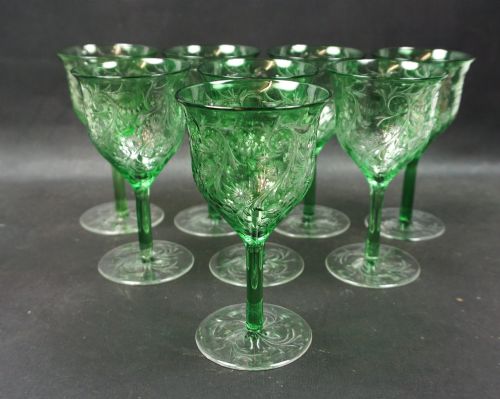
Decoration often involved intricate wheel engraving, such as convolvulus motifs on cranberry overlaid glass, alongside applied gold leaf or paste gilt highlights. Footed vessels frequently featured folded rims and pontil marks left by the handmade blowing process.
Antique Crystal Cups Retail Price Guide 2026
Typical asking prices for crystal cups among the pieces listed under this phrase on Sellingantiques today, from the lower quarter to the upper quarter. They describe what is for sale here now, not the wider market.
Listings span several eras, recording periods from the eighteenth century through to nineteen thirty, with materials including lead glass, clear glass, and gold leaf.
What varies in quality
Quality rests upon the clarity of the lead crystal and the crispness of the cutting. Superior pieces exhibit deep, sharp facets and thin, even walls without distortion in the glass.
The fineness of the engraving and the balance of the proportions distinguish standard domestic vessels from exceptional decorative examples. Hand-engraved floral details and precise gilding elevate the status of a piece within any collection.
The Antique Crystal Cups Glossary
- Lead glass
- Glass containing a significant proportion of lead oxide, which increases weight, clarity, and brilliance. This material allows for deeper and sharper cutting by the artisan.
- Jelly glass
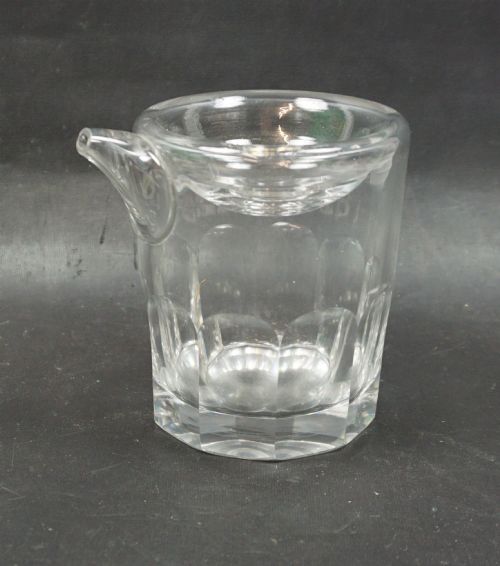
- A small, sturdy glass vessel used in eighteenth and nineteenth-century dining for serving jellies and small desserts. These often feature thick bases and simple moulded or cut bowls.
- Champagne coupe
- A shallow, broad-bowled stemmed glass traditionally used for sparkling wine. Victorian and Edwardian examples frequently showcase coloured overlays and detailed wheel engraving.
- Pontil mark
- A rough scar on the base of a blown glass vessel where the punty rod was attached during manufacture. Its presence indicates traditional handmade production methods.
- Cordials
- Small stemmed drinking glasses designed for sipping strong, sweet liqueurs after a meal. Edwardian sets demonstrate uniform proportions and delicate bowl shaping.
Antique Crystal Cups: Frequently Asked Questions
What were antique crystal cups used for?
These vessels served various dining and social functions depending on their specific form. Smaller glasses held jellies or strong cordials, while larger coupe and punch set pieces accommodated wines and festive drinks.
They formed part of formal table settings in prosperous households. Over time, many transitioned from utilitarian dining items to display pieces or celebratory tablewares.
How can I tell different periods apart?
Eighteenth-century examples often display heavy lead metal with folded feet and simple, sturdy jelly glass forms. Victorian and Edwardian pieces frequently introduce coloured glass overlays, intricate wheel engraving, and refined stemware.
Techniques of cutting and the weight of the lead crystal shift noticeably across the decades. Comparing the sharpness of the facet cuts helps distinguish Georgian craftsmanship from later nineteenth and twentieth-century production.
Are these cups safe to use today?
Most antique lead glass drinking vessels remain suitable for occasional use with beverages. Care should be taken with pieces featuring delicate gilding or fragile engraved rims.
Acidic liquids should not be stored in lead crystal for extended periods. For everyday dining, many owners prefer to use these historic cups primarily for special occasions and ceremonial toasts.