





Antique Crystal Bucket
An antique crystal bucket brings heavy sparkle and practical service to a table, combining brilliant refractive glass with polished metal mounts.
Antique Crystal Bucket
When you search for an antique crystal bucket, you are looking at substantial vessels designed for chilling wine, serving champagne, or holding ice at the table. These pieces bring together heavy glass bodies and gleaming metal fittings.
The most common versions on this page range from Regency cut crystal wine coolers to French Art Deco champagne buckets and silver-plated ice containers. They span the nineteenth and early twentieth centuries, drawing on Victorian, Edwardian, and Art Nouveau styles.
Beyond standard ice buckets, the category includes related barware such as biscuit barrels, drink dispensers, and rummer buckets. Each form serves a distinct entertaining purpose while retaining the characteristic weight of period glass.
How they were made
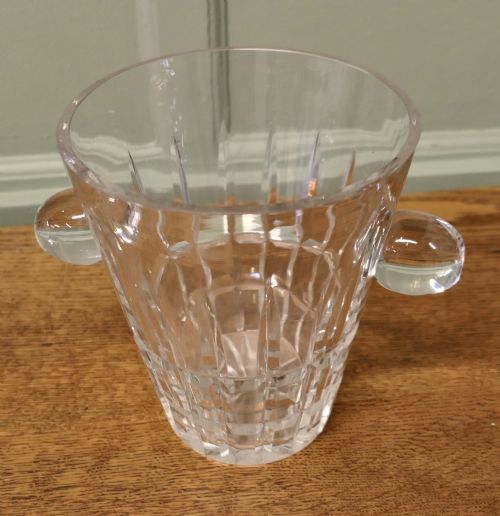
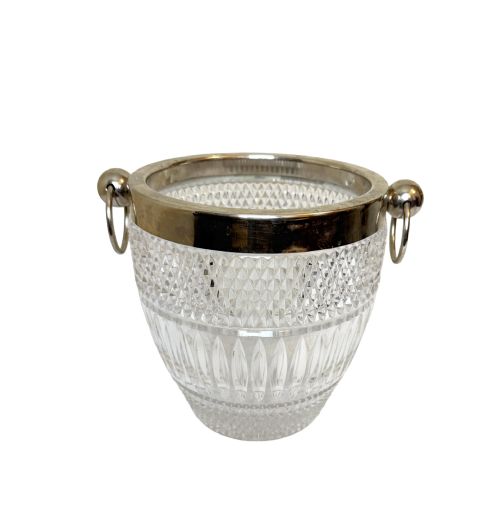
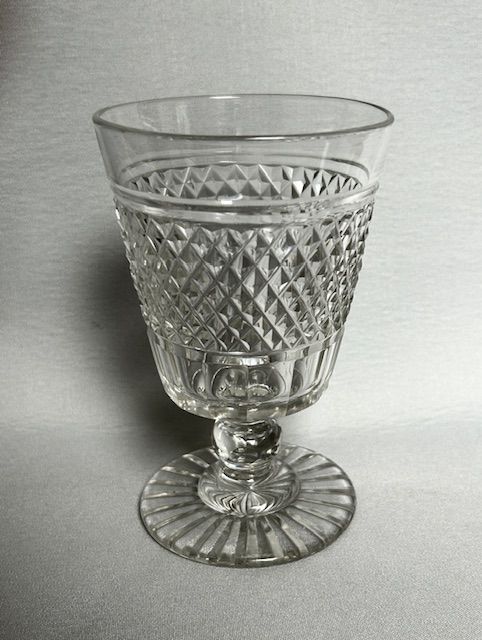
Makers formed these vessels using hand-blown or heavy moulded techniques, resulting in thick walls designed to hold cold temperatures. Cut crystal and lead crystal surfaces received deep geometric facets, hobnail patterns, or frosted finishes to catch the light.
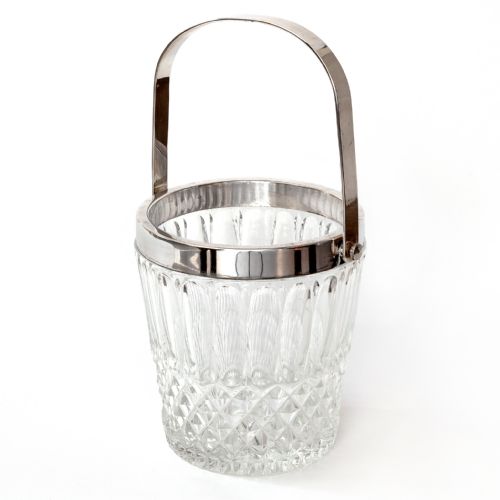
Metal components added structural support and decorative contrast to the glass bodies. Artisans fitted the crystal with silver-plate, silver mounts, gilt bronze mounts, and occasional brass elements, securing handles and rims with traditional craftsmanship.
Antique Crystal Bucket Retail Price Guide 2026
Typical asking prices for crystal bucket among the pieces listed under this phrase on Sellingantiques today, from the lower quarter to the upper quarter. They describe what is for sale here now, not the wider market.
Some antique ice buckets come equipped with original talon tongs, ready to grasp ice cubes with avian enthusiasm.
What varies in quality
Quality rests primarily on the depth and crispness of the glass cutting, alongside the purity of the lead crystal. Superior vessels exhibit sharp, precise facets that refract light brilliantly without cloudiness in the material.
The weight of the piece and the integration of the metal mounts dictate the overall standard. Heavy lead crystal paired with substantial silver-plate or gilt bronze trim represents the finer end of the range.
The Antique Crystal Bucket Glossary
- Hobnail cut
- A raised, faceted surface pattern resembling the hobnails on stout boots. It creates intense sparkle and tactile grip on heavy glass.
- Gilt bronze
- Copper alloy finished with a layer of gold, frequently used for decorative mounts on nineteenth-century coolers. It provides a warm, permanent metallic contrast to clear crystal.
- Silver-plate
- A base metal coated with a thin layer of silver, commonly utilised for the rims, swing handles, and hardware of ice buckets.
- Biscuit barrel
- A covered container designed for storing dry baked goods, often constructed with glass bodies and silver mounts in the manner of barware.
- Rummer
- A large drinking glass used for punch, rum, or wine, sometimes fashioned in a bucket shape with heavy cutting during the Regency era.
Antique Crystal Bucket: Frequently Asked Questions
What is an antique crystal bucket used for?
These vessels primarily function as ice buckets, champagne coolers, and wine coolers for entertaining guests. Some examples serve alternative roles on the sideboard as biscuit barrels or drink dispensers.
Their heavy construction holds temperatures effectively while offering a decorative centrepiece for the dining table or bar.
How do I identify a Regency crystal bucket?
Regency pieces often feature distinct cut glass patterns such as hobnail cutting, alongside heavy proportions suited for wine and rummer service. They reflect the classical design tendencies of the early nineteenth century.
Examining the weight of the glass and the simplicity of the metal fittings helps confirm this early period.
What materials make up these buckets?
The bodies consist of glass, cut glass, cut crystal, lead crystal, or frosted crystal. Artisans combined these glass forms with silver-plate, silver mounts, gilt bronze mounts, and brass.
This mix of materials provides both the structural integrity needed for ice and water and the decorative finish expected of period dining accessories.
How do Art Deco and Art Nouveau buckets differ?
Art Nouveau pieces from the late nineteenth century lean towards organic lines and flowing floral motifs in their metal mounts. Art Deco versions from the 1920s and 1930s favour geometric clarity, hand-blown forms, and heavy lead crystal.
Both styles utilise silver-plate and crystal but express the distinct aesthetic priorities of their respective decades.