




Antique Crested Tableware
These antique crested tableware pieces carry the engraved coats of arms, crests, and armorial bearings of their original dynastic owners.
Antique Crested Tableware
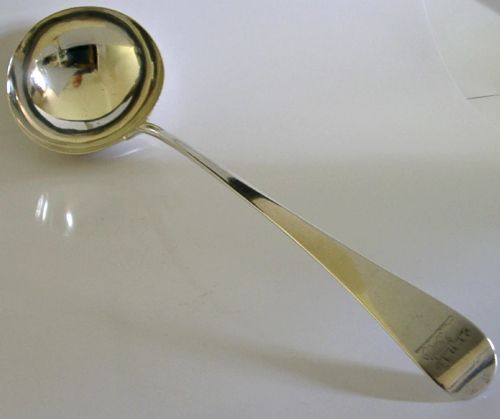
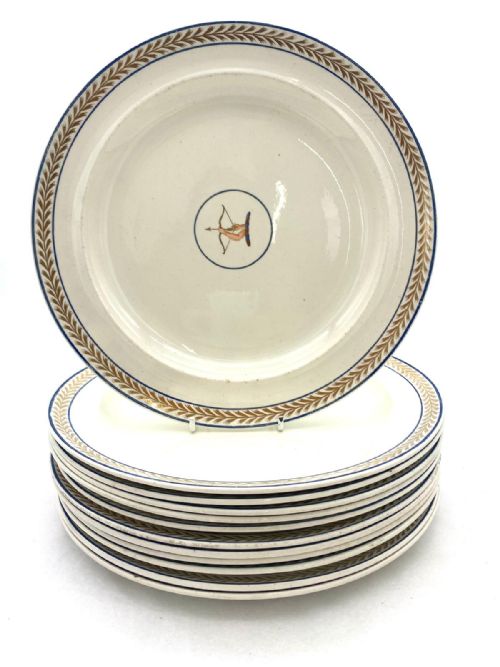
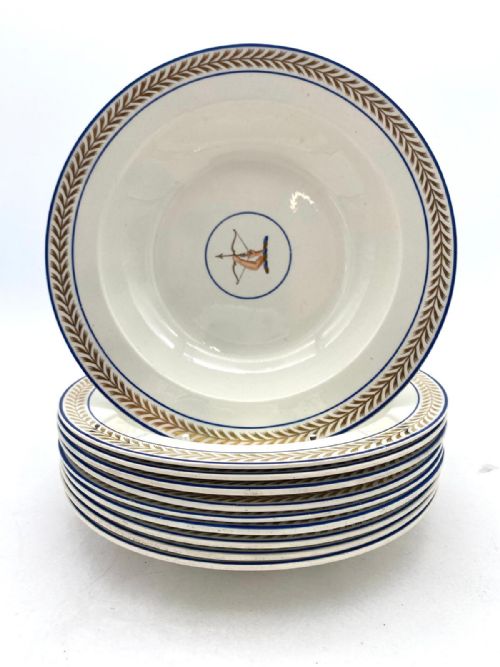
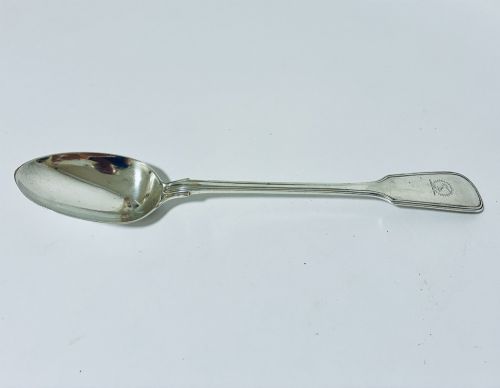
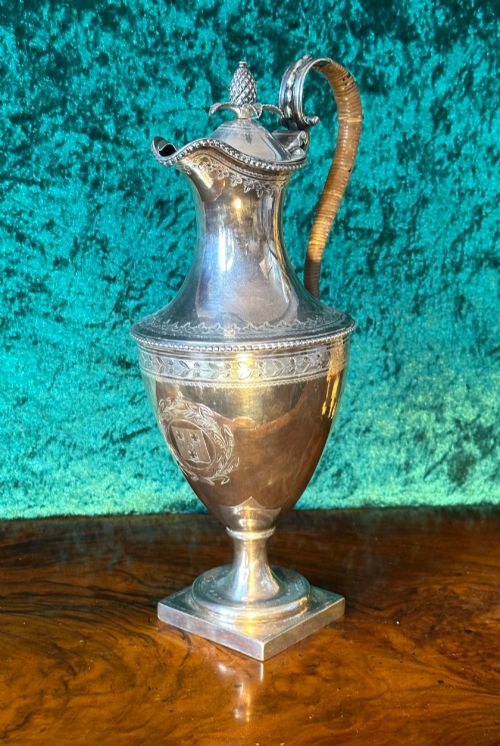
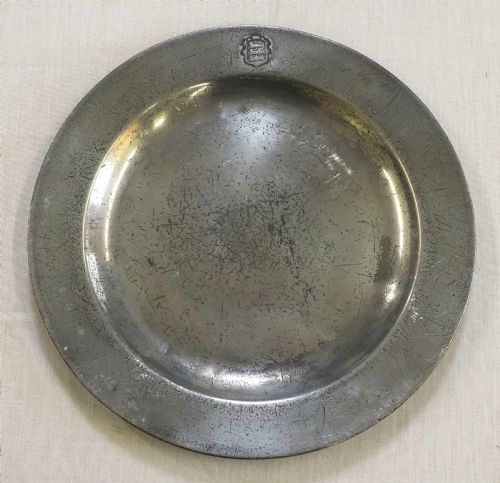
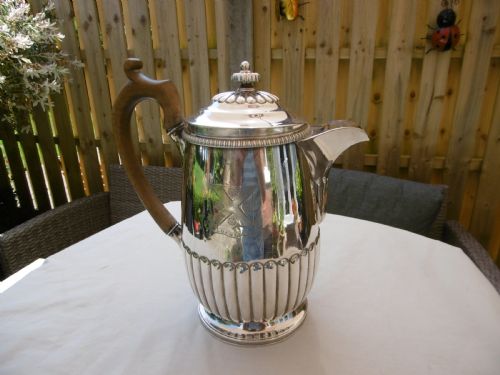
Antique crested tableware comprises functional dining implements, service vessels, and plates marked with personalised heraldry. You will regularly encounter serving spoons, dinner plates, pudding bowls, coffee pots, and sauce tureens bearing these hand-engraved or painted armorials.
The pieces span Georgian, Regency, and Victorian periods, alongside specific dates from the eighteenth and nineteenth centuries. Materials range from sterling silver and Old Sheffield plate to creamware, porcelain, and pewter.
Most items represent elite domestic dining from British workshops, though items like Anglo-Indian menu holders also appear. Surviving forms extend from massive soup ladles down to small condiment castors and nutmeg graters.
How they were made
Silversmiths formed items like ladles, ewers, and casters from sterling silver or fused Old Sheffield plate, often raising bodies from sheet metal or casting handles separately. Potters shaped creamware and porcelain bodies on wheels or in moulds before applying hand-painted or transfer-printed armorials.
Engravers cut crests and coats of arms directly into the metal surfaces using sharp burins to displace the silver cleanly. Pewterers cast plates in alloy moulds, stamping touchmarks alongside the engraved civic or family arms.
Listings feature eighteenth and nineteenth-century periods, spanning Georgian, Regency, and Victorian eras through materials like sterling silver, creamware, porcelain, and pewter.
What varies in quality
Quality rests primarily on the crispness and artistic merit of the armorial engraving itself, which ranges from hurried scratch work to deeply cut, master-level heraldic artistry. The weight and gauge of the underlying silver or the refinement of the ceramic body also determine the tier of the piece.
Maker attribution elevates certain pieces significantly, particularly when produced by prominent workshops or celebrated silversmiths and porcelain manufacturers. Preservation of the original crest without excessive polishing or rubbing indicates superior survival.
Hester Bateman·Matthew Boulton·Michael Smith·Chamberlain Worcester·Reid and Summers·Wood and Michell·Wedgwood
The Antique Crested Tableware Glossary
- Armorial
- Bearing a coat of arms or heraldic device. These designs identify the lineage and houses of the original patrons who commissioned the dining service.
- Creamware
- A refined earthenware developed in the eighteenth century with a pale yellowish-cream glaze. Wedgwood famously produced extensive dinner services in this body.
- Old Sheffield Plate
- A composite material made by fusing a thin layer of sterling silver to a thicker copper core. This technique predated modern electroplating.
- Argyle
- A specialised vessel designed to keep gravy or sauce hot via an inner compartment for boiling water. Victorian examples frequently feature crested bodies.
- Crest
- The specific heraldic symbol surmounting a coat of arms, often displayed alone on tableware. It was typically engraved onto silver flatware and holloware.
Antique Crested Tableware: Frequently Asked Questions
What is crested tableware?
Crested tableware encompasses dining items marked with the heraldic crests or coats of arms of elite families. These pieces were commissioned to display lineage and status during formal meals.
You will find everything from large soup ladles and coffee pots down to dinner plates and menu holders, spanning several centuries of British dining culture.
How do I identify the crest?
Heraldic crests are typically engraved into metal surfaces or painted onto ceramic bodies like creamware and porcelain. You can research the specific motto, animal, or symbol against historical armorial records to trace the original family.
Many pieces also bear silversmith hallmarks or pottery marks that help date the item alongside the heraldry.
Can I use these for dining?
Many silver spoons, plates, and ceramic bowls remain robust enough for careful modern use at the table. However, delicate items like Old Sheffield plate or antique porcelain require gentle hand washing.
Most collectors choose to balance occasional careful use with preservation of the antique surfaces and engraved armorials.