


Antique Crested Silver
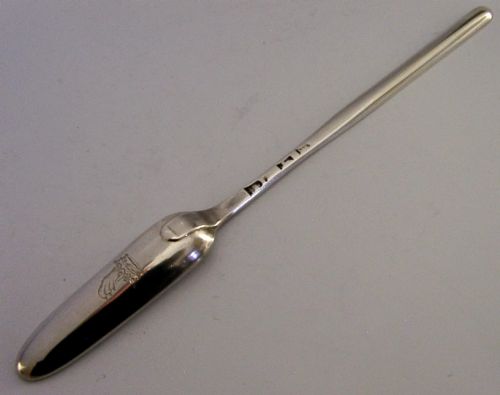
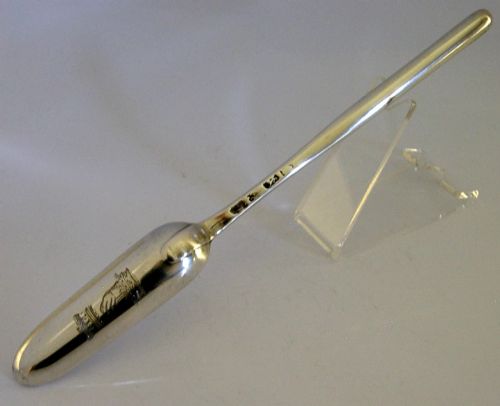
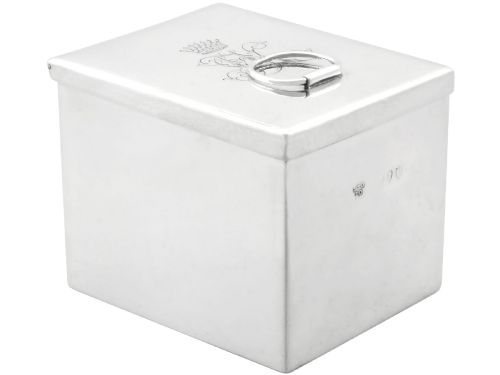
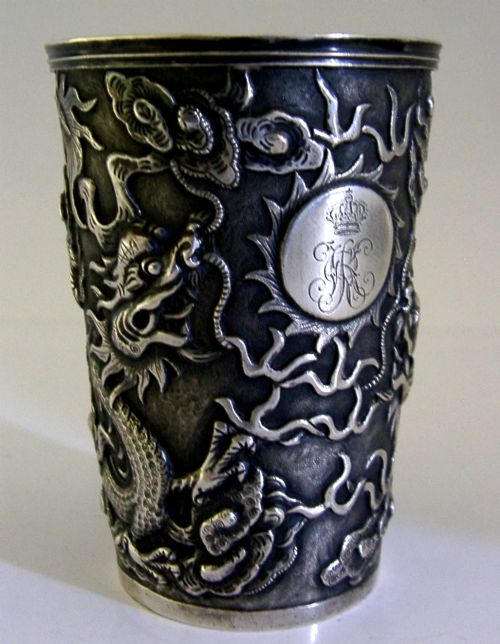
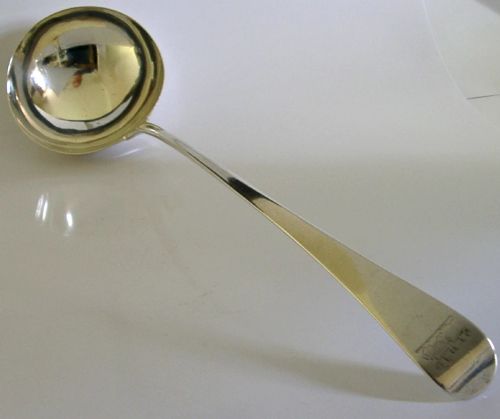
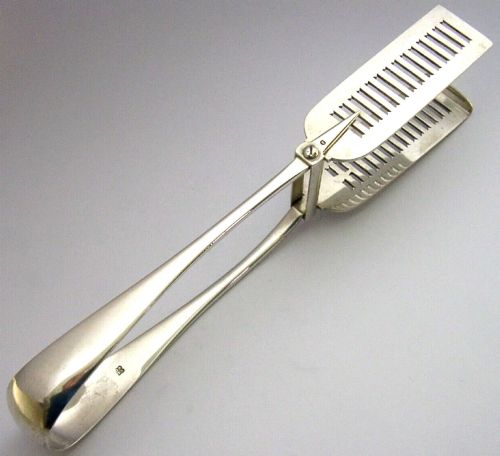
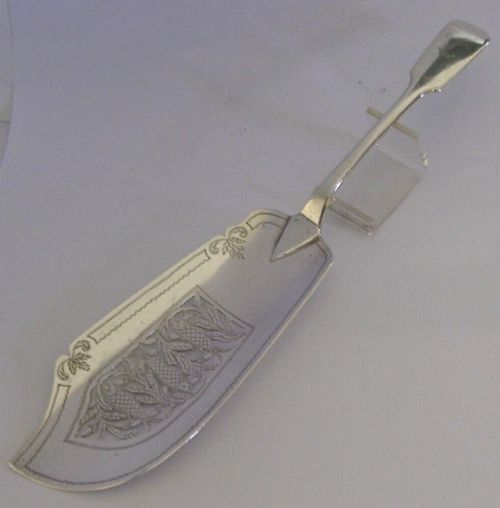
Antique crested silver pieces carry the engraved armorials, ciphers, and crests of landed families, taking the form of tableware, snuff boxes, and flatware.
Antique Crested Silver
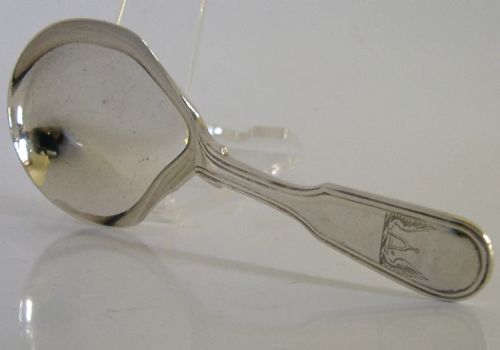
Antique crested silver encompasses functional domestic items marked with personal heraldry, most frequently encountered in the form of Georgian and Victorian flatware, serving utensils, and snuff boxes.
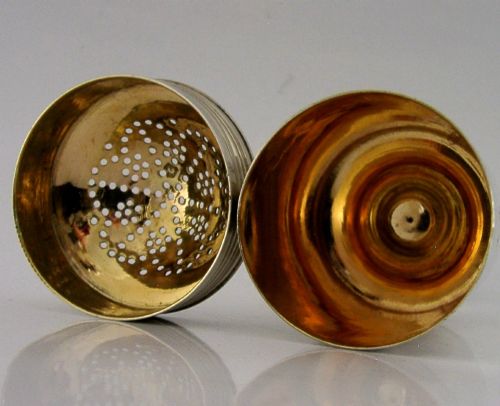
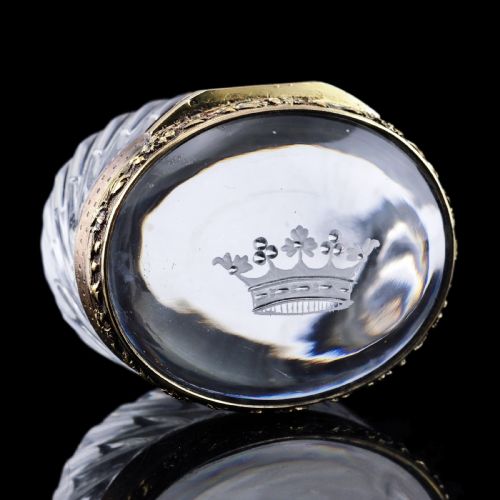
The phrase also captures hollowware such as tea caddies, muffineers, and beakers, each engraved with a specific family crest, motto, or coronet denoting original ownership.
Makers ranged from notable silversmiths like Hester Bateman and Joseph Willmore to larger manufacturing firms, applying heraldic devices to solid sterling silver and silver plate alike.
Materials and construction
Objects in this category are fashioned primarily from sterling silver, with occasional examples executed in silver plate or old Sheffield plate, supplemented by cut glass and crystal mounts.
Heraldic crests and ciphers were hand-engraved onto the metal surface using sharp gravers, often accompanied by chased or floral borders executed by specialist silversmiths.
Antique Crested Silver Retail Price Guide 2026
Typical asking prices for crested silver among the pieces listed under this phrase on Sellingantiques today, from the lower quarter to the upper quarter. They describe what is for sale here now, not the wider market.
The inventory spans the 18th, 19th, and early 20th centuries, featuring sterling silver, glass, and wood.
Assessing quality in crested silver
Quality rests upon the crispness and depth of the hand-engraved crest, alongside the balance and weight of the silver item itself.
Maker marks, clear hallmarks, and the documentary clarity of the family heraldry separate standard production pieces from the finest workshop examples.
Hester Bateman·Joseph Willmore·Cornelius Bland·John Craig·Elkington
The Antique Crested Silver Glossary
- Crest
- The specific heraldic device displayed above a shield or used independently on family silver. It forms the primary visual indicator of lineage on these objects.
- Motto
- A short phrase inscribed alongside a family crest, frequently referencing a clan or historical event. It appears on various snuff boxes and flatware in the listings.
- Sterling silver
- A metal alloy containing ninety-two point five percent silver by mass, with the remainder being copper. This standard dominates Georgian and Victorian hollowware and cutlery.
- Old Sheffield plate
- A composite material made by fusing a thin sheet of silver to a thicker copper base. It appears on baskets and bowls dating to the nineteenth century.
Antique Crested Silver: Frequently Asked Questions
How do I identify a family crest on silver?
Examine the engraved heraldic motif, which typically depicts an animal, crown, or symbolic object associated with the original owner.
Compare the design against historical heraldry records or peerage guides to trace the specific family name connected to the piece.
What periods do these silver pieces come from?
The available items span the eighteenth, nineteenth, and early twentieth centuries, encompassing Georgian and Victorian eras.
English and Irish examples frequently carry date letters and maker marks that pinpoint the exact year of production.
Were crests added later to antique silver?
Heraldic engravings were sometimes applied subsequent to the initial manufacture when a piece changed hands or was acquired by a new family.
Engraving style and placement relative to the hallmarks often help determine whether the crest is contemporary with the object's creation.
How should I clean antique silver?
Utilise a soft cloth and a gentle, non-abrasive silver cleaner formulated specifically for antique metalwork.
Avoid harsh scrubbing around engraved crests to preserve the fine detail of the heraldic lines.