


Antique Crest Silver
Antique crest silver carries the personal marks of past families and institutions etched into sterling, Sheffield plate and crystal.
Antique Crest Silver
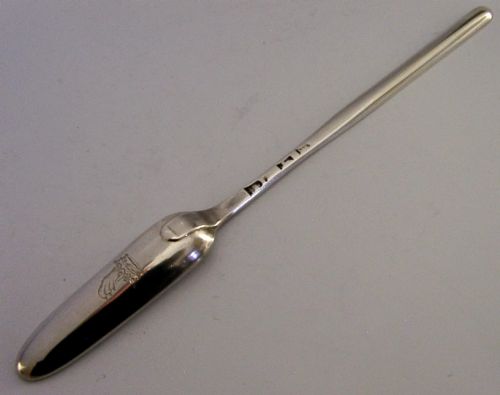
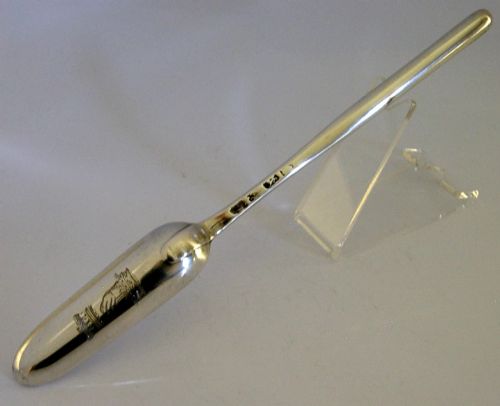
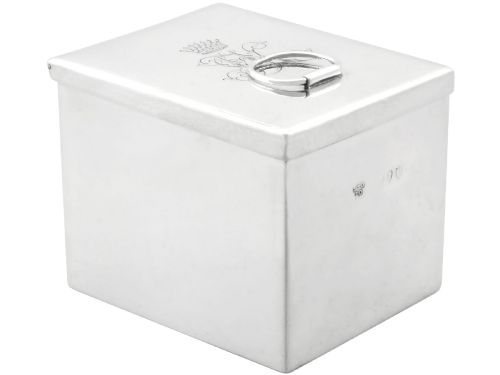
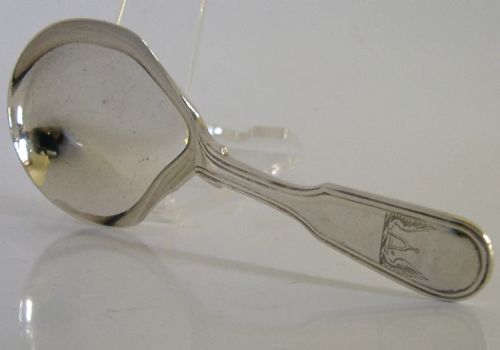
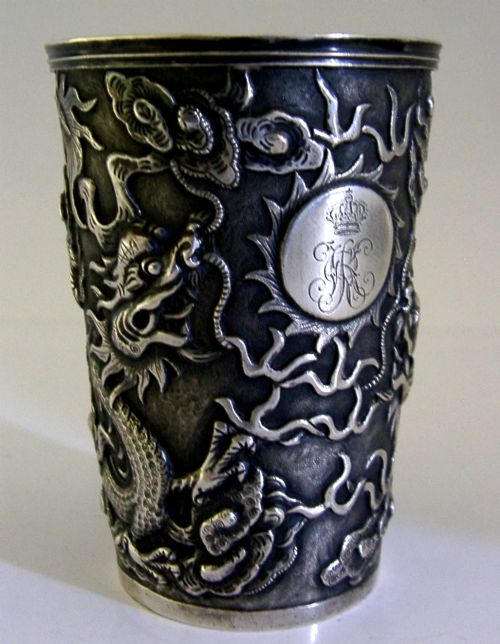
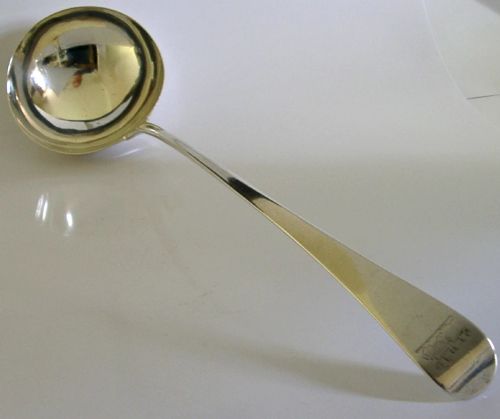
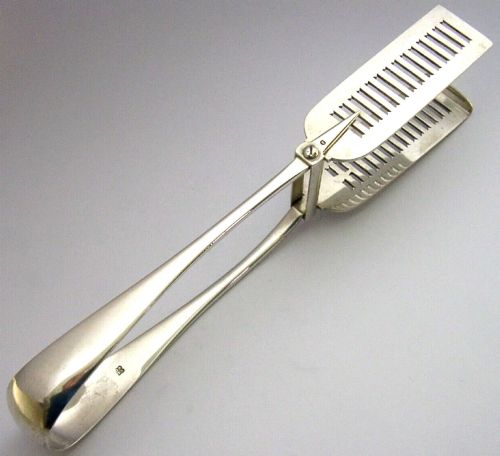
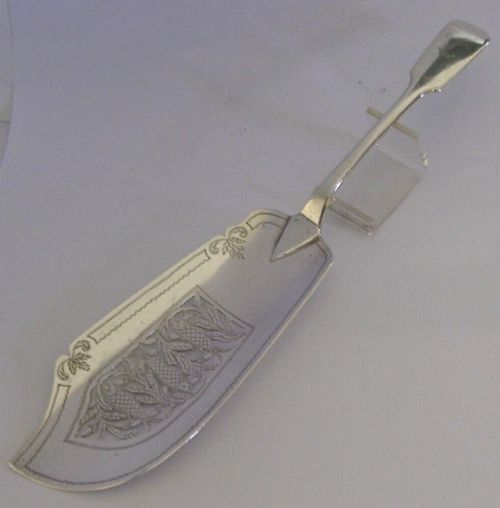
Antique crest silver encompasses functional tableware, serving pieces and small personal containers bearing engraved family crests, coats of arms or royal monograms. Collectors find items ranging from Georgian basting spoons and caddy spoons to Victorian fish servers and snuff boxes.
The objects on this page span the eighteenth, nineteenth and early twentieth centuries, with a strong representation of Georgian and Victorian sterling silver. Flatware and holloware dominate the selection, alongside vanity and trinket items mounted in silver.
Makers and silversmiths utilised armorial engraving to denote lineage, achievement or allegiance, turning everyday silver into historical documents. Each piece records the crest of a specific family, such as the Napier, Walker or O'Connor households.
How they were made
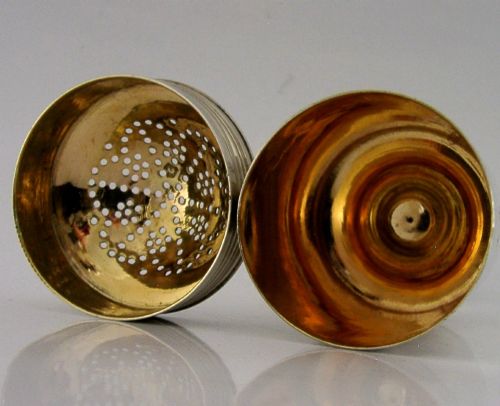
Silversmiths shaped sterling silver and Sheffield plate through hammering, casting and piercing, frequently adding floral chased borders or gilt interiors. Artisans hand-engraved the crests and armorial bearings with sharp gravers into the metal surface.
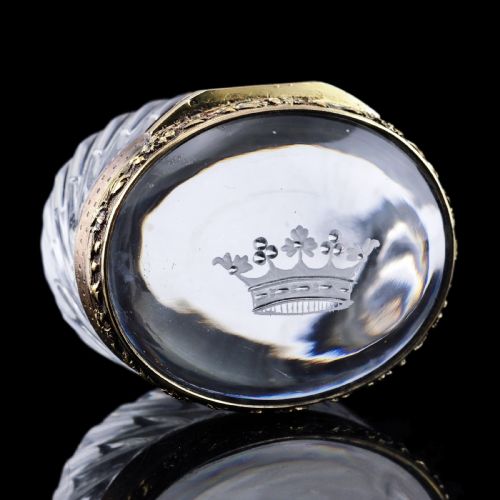
Combination pieces integrate silver with cut glass, crystal, wood, gesso and velvet, as seen in trinket boxes and mounted dressing table items. Silver gilt and silver leaf finishes provide contrasting textures against clear glass and carved wooden frames.
Antique Crest Silver Retail Price Guide 2026
Typical asking prices for crest silver among the pieces listed under this phrase on Sellingantiques today, from the lower quarter to the upper quarter. They describe what is for sale here now, not the wider market.
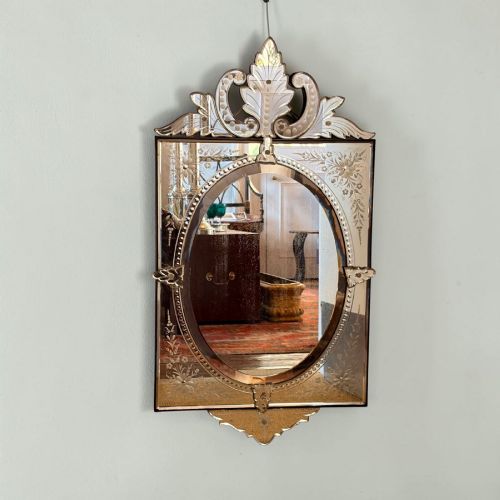
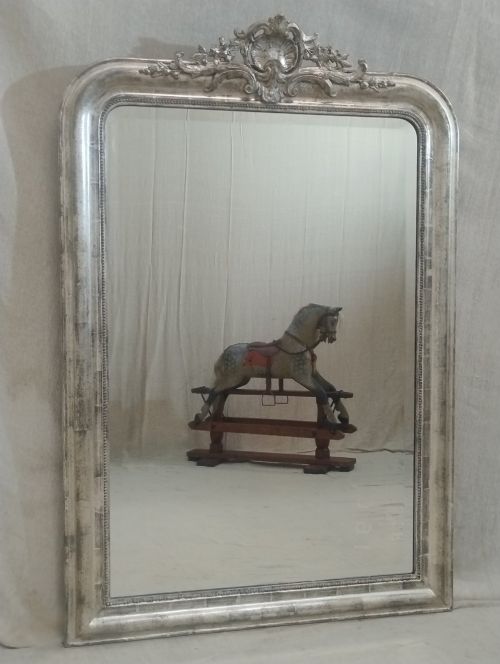
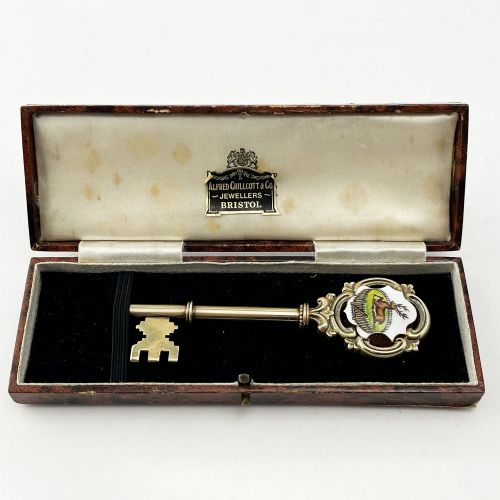
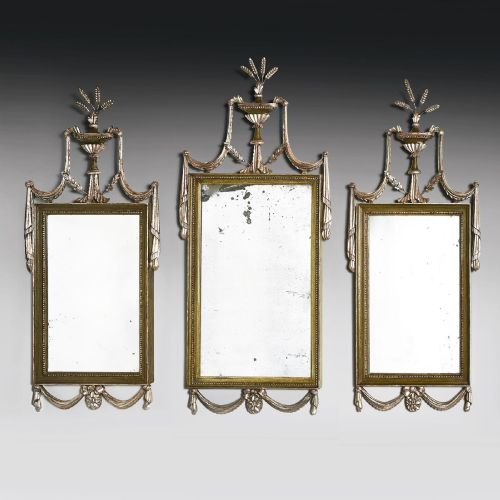
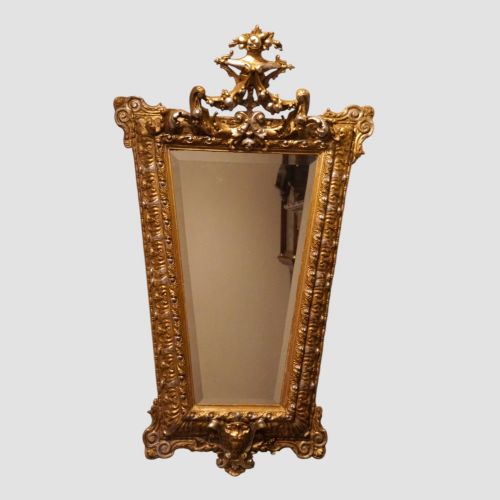
A commemorative key in sterling silver and enamel shares space with eighteenth-century basting spoons and Venetian mirrors.
What varies in quality
The clarity and depth of the armorial engraving dictate much of the visual merit, with master heraldic engravers producing crisper lines and more intricate mantling than jobbing smiths. Crisp details on feathers, coronets and shields remain distinct even after decades of polishing.
The weight of the silver relative to the object type establishes structural integrity, distinguishing substantial serving pieces from lighter domestic items. Maker marks from established workshops like those of Hester Bateman or Joseph Willmore provide further indication of workshop standards.
Hester Bateman·Cornelius Bland·Joseph Willmore·E Coker·James Spackman·Elkington·Connell·Gillows Of Lancaster
The Antique Crest Silver Glossary
- Crest
- The component of a coat of arms traditionally displayed above the helmet or shield, commonly engraved onto silver holloware and flatware.
- Sterling silver
- An alloy containing ninety-two point five percent silver by mass, forming the primary metal for the majority of these pieces.
- Sheffield plate
- A material produced by fusing a sheet of silver to a copper base, utilised for baskets and larger serving vessels before electroplating.
- Silver gilt
- Silver that has been coated with a thin layer of gold on its surface, often seen on the interior bowls of spoons and caddy boxes.
- Cypher
- A monogram consisting of intertwined initials representing an owner, royal personage or institution, frequently paired with a coronet.
Antique Crest Silver: Frequently Asked Questions
How do I identify the family crest?
Identifying a crest requires examining the specific symbols depicted, such as animals, coronets, helmets or mottoes, and consulting heraldic reference books. Many families registered their unique armorial bearings with official bodies.
The inclusion of a specific surname in the item description often provides a direct starting point for genealogical and heraldic research.
Can I use these silver items daily?
Many items like serving spoons, forks and trinket boxes remain entirely suitable for contemporary use with appropriate care and gentle hand washing. Silver handles and sturdy sterling construction withstand regular handling when treated respectfully.
Delicate gilt interiors, antique cut glass and fragile hinges on snuff boxes benefit from more cautious handling and storage.
How should I clean crested silver?
Clean antique silver using a soft cloth and a reputable silver polish formulated to protect delicate surfaces and engraved details. Avoid aggressive scrubbing around the engraved crest to preserve the crispness of the lines.
Store pieces in tarnish-resistant cloths or dry environments to minimise the need for frequent polishing.