






Antique Crest Relief
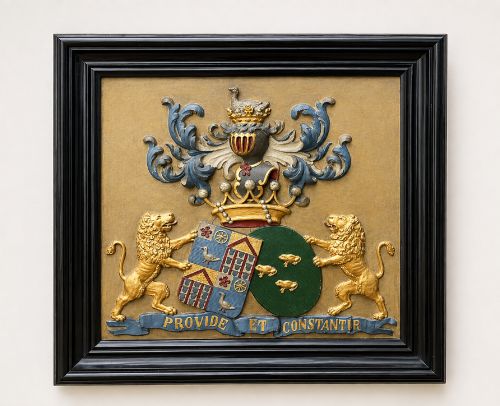
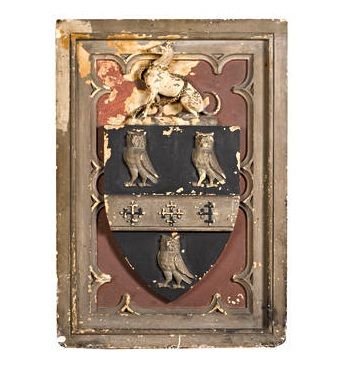
Antique crest relief pieces are carved or cast armorial panels that display family lineages and civic honours, bringing tangible history and heraldic presence to a room.
Antique Crest Relief
When buyers search for antique crest relief, they encounter a diverse selection of wall plaques, armorial panels, and sculptural heraldry originating from various European and Asian traditions. These works display family coats of arms, civic emblems, and commemorative motifs rendered in three dimensions through carving or casting.
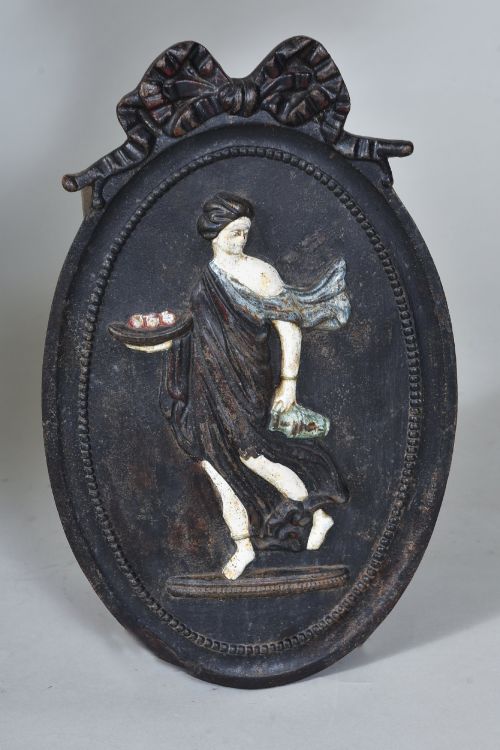
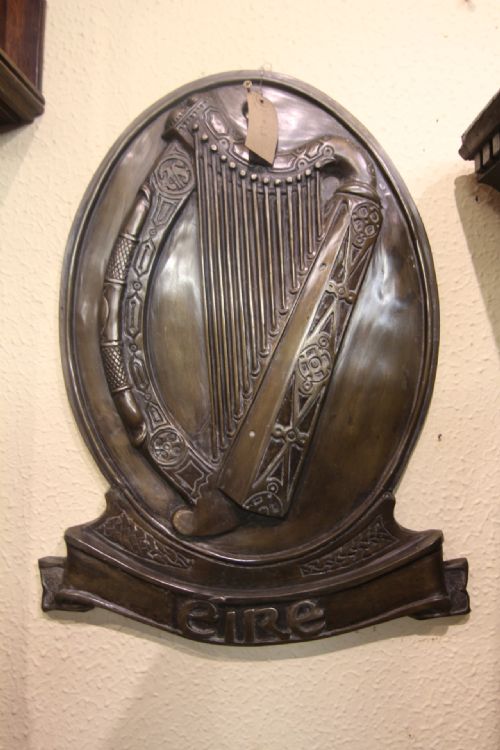
On this page, the most frequent forms are wall plaques and architectural panels carved from hardwoods like oak and walnut, alongside cast bronze and iron armorial pieces. These items span multiple centuries, ranging from seventeenth-century Italian marble and wood carvings to nineteenth-century Victorian revival plaques and twentieth-century commemorative items.
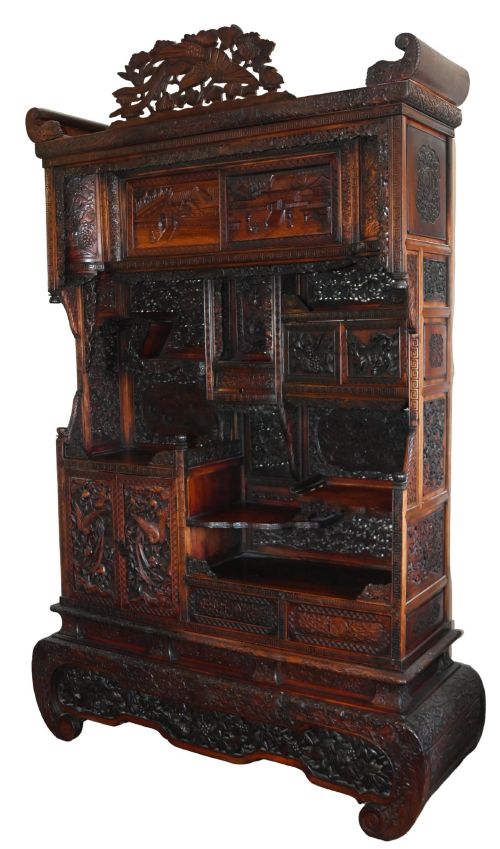
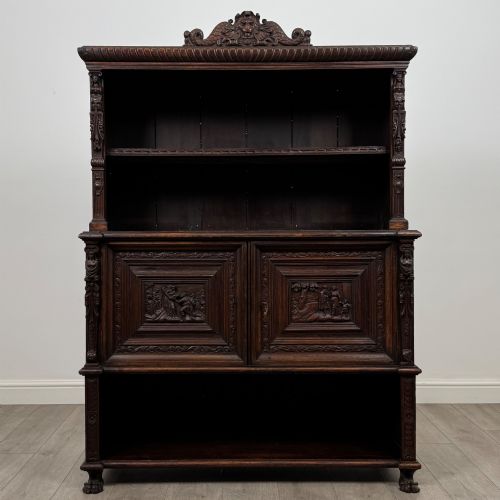
The assortment also includes specialised items such as carved marriage plaques, book covers, and display cabinets featuring heraldic woodwork. Each piece reflects the specific decorative tastes and genealogical records of its period of origin, from Gothic revival styles to Meiji period Japanese craftsmanship.
Materials and Techniques
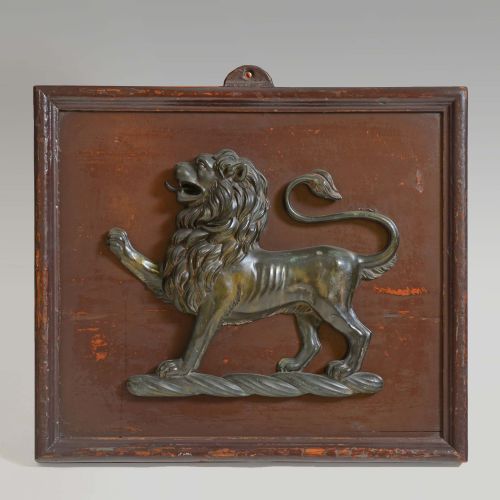
Cast metals provide another primary medium, utilising bronze, iron, and brass poured into moulds to create crisp armorial plaques. Some pieces incorporate polychrome pigment or gilt finishes to highlight specific elements of the crest.
Antique Crest Relief Retail Price Guide 2026
Typical asking prices for crest relief among the pieces listed under this phrase on Sellingantiques today, from the lower quarter to the upper quarter. They describe what is for sale here now, not the wider market.
One recorded sixteenth-century Italian carver spent three entire months perfecting the expression of a single marble lion's whiskers.
Assessing Quality and Execution
The fidelity and sharpness of the sculptural detail dictate the upper tier of these works, where the chisel work on wood or the casting definition in bronze remains crisp and anatomically precise. Lesser examples exhibit softened edges, obscured heraldic markers, or crude proportions that suggest hurried production.
The integrity of the material and the preservation of original surfaces also define the hierarchy, with untouched patinas and authentic period pigments commanding greater regard than heavily restored or later sanded surfaces.
The Antique Crest Relief Glossary
- Armorial panel
- A flat architectural or decorative piece displaying a coat of arms. These panels were frequently commissioned to mark marriages, alliances, or civic offices.
- Heraldry
- The system of designing, displaying, and recording coats of arms and armorial bearings. This tradition governed the specific symbols and colours allocated to noble families.
- Mantling
- The ornamental foliage or cloth draped from the helmet above the shield in a coat of arms. In carved reliefs, this element demonstrates the carver's skill with complex, flowing lines.
- Lion passant
- A heraldic term describing a lion depicted walking with its right forepaw raised. This specific posture appears frequently in British and Scottish clan crests.
Antique Crest Relief: Frequently Asked Questions
What is an armorial plaque?
An armorial plaque is a sculptural panel that displays a specific coat of arms, crest, or family insignia.
These pieces were typically carved from wood, cast in metal, or modelled in plaster to mark significant family alliances, property ownership, or historical events.
How were crest reliefs used?
Historically, these reliefs served as architectural elements within great halls, exterior stonework, or domestic interiors to signal lineage and status.
Later examples often functioned as commemorative wall hangings, decorative book covers, or components within larger cabinetry.
Where should I hang a heavy bronze or iron crest?
Metal crests require secure fastening directly into wall studs or solid masonry due to their substantial weight.
Ensure that the hanging brackets or integrated loops on the reverse are structurally sound before mounting them at eye level.
How do I care for antique carved wood reliefs?
Maintain wooden crests by keeping them away from direct heat sources and fluctuating humidity to prevent the timber from splitting.
Dust them gently with a dry, soft brush and avoid applying modern polishes that can build up within the carved recesses.