



Antique Crest Rail Chair
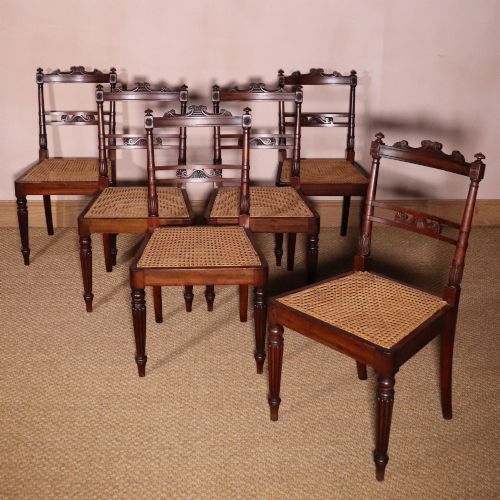
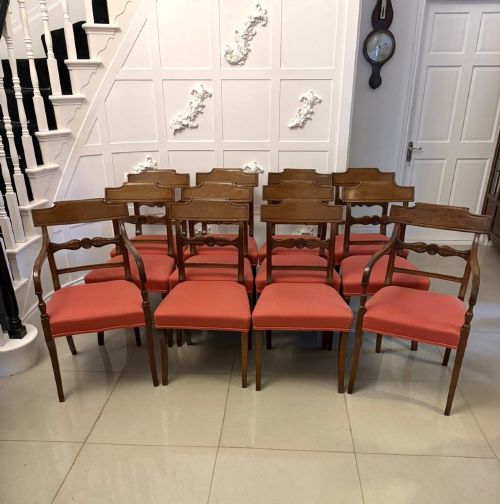
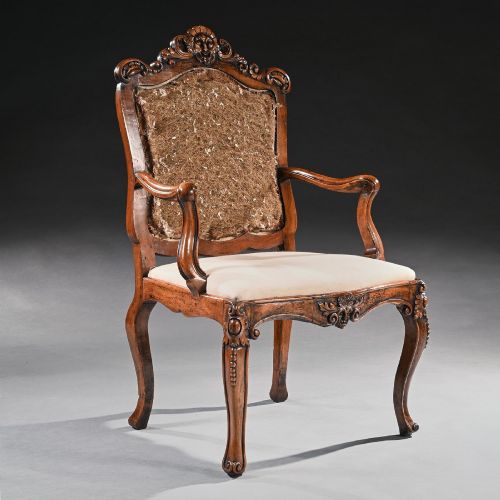
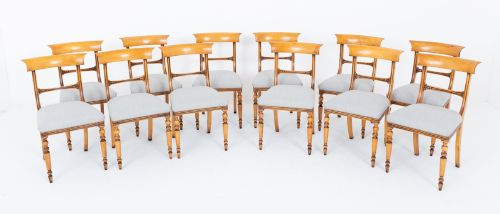
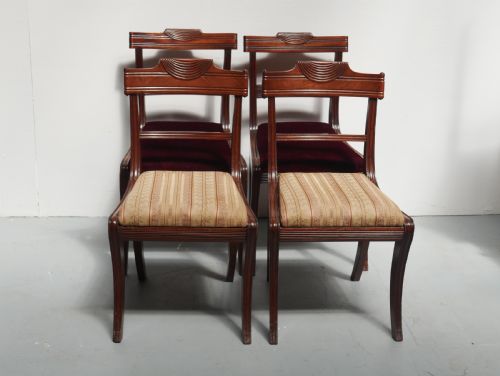
An antique crest rail chair brings sculptural definition to a room, offering distinct carved top rails seen across Victorian, Regency, and seventeenth-century forms.
Antique Crest Rail Chair
An antique crest rail chair encompasses dining chairs, armchairs, side chairs, hall chairs, and nursing chairs drawn from periods spanning the seventeenth century through the early twentieth century. Buyers seeking this phrase encounter formal sets of dining chairs alongside individual armchairs, corner chairs, and folding campaign chairs.
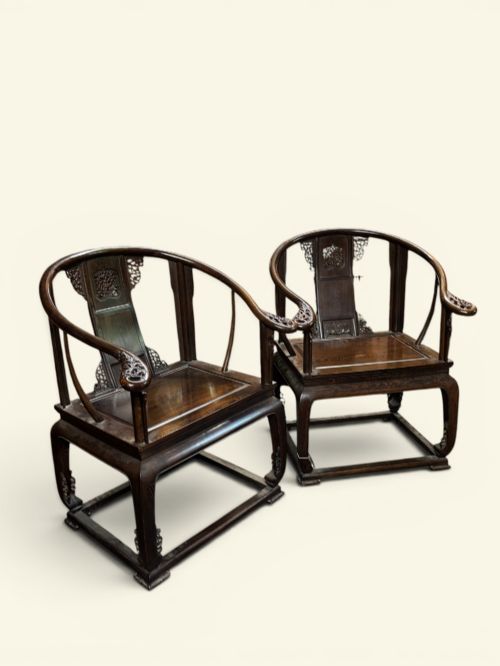
The selection ranges from early joined oak backstools and turned oak armchairs to mahogany Regency designs, Victorian walnut seating, and Chinese hardwood horseshoe-back chairs. Regional variations include Scottish Regency oak sets and South Yorkshire oak backstools, alongside styles reflecting Carolean, Jacobean, and William and Mary influences.
Materials and Construction
Construction relies primarily on hardwoods such as oak, mahogany, walnut, and satin birch, shaped into frames through traditional joinery. Beech and Chinese hardwoods also appear in specific regional or period forms.
Surface detailing integrates carved crest rails, brass inlay, bone button decorations, fluting, and simulated or faux rosewood finishes. Seats incorporate upholstery in fabric, leather, velvet, and silk cotton, alongside cane and bergere panels.
Antique Crest Rail Chair Retail Price Guide 2026
Typical asking prices for crest rail chair among the pieces listed under this phrase on Sellingantiques today, from the lower quarter to the upper quarter. They describe what is for sale here now, not the wider market.
Periods represented range from seventeenth-century joined oak to early twentieth-century Edwardian sets.
Distinctions in Execution
Quality rests in the depth and crispness of carved crest rails and the integrity of joined or turned wooden frames. Set uniformity distinguishes large groupings, whether in matched dining chairs or paired armchairs.
The choice of primary timber and secondary materials, from figured mahogany and walnut to inlaid brass and integrated cane or bergere work, establishes the tier of the piece.
The Antique Crest Rail Chair Glossary
- Crest rail
- The horizontal top member of a chair back, frequently shaped, pierced, or carved. This defining feature gives the antique crest rail chair its name and stylistic period.
- Backstool
- An early form of seating without arms, common in the seventeenth century. These sturdy oak pieces served as precursors to the modern dining or side chair.
- Bergere
- An enclosed upholstered armchair with cane or wicker side panels. The style provides a lighter visual weight while maintaining structural support.
- Klismos
- An ancient Greek chair form characterised by curved legs and a concave backrest. Revival versions revived this classical silhouette in nineteenth-century seating.
- Turner's chair
- A sturdy armchair constructed from turned wooden spindles and members. Also known as an Old Saxon chair, this form utilises complex carpentry.
Antique Crest Rail Chair: Frequently Asked Questions
What is a crest rail chair?
A crest rail chair is any seating piece featuring a prominent decorative top horizontal rail above the backrest. These chairs appear across multiple centuries and stylistic revivals.
They function as dining seats, side chairs, and reading armchairs in traditional interiors.
How do I identify a seventeenth-century oak chair?
Seventeenth-century examples utilise solid joined oak construction with pegged joints and heavy turned supports. They often take the form of backstools or solid-backed armchairs.
Carving on these early pieces tends to be geometric or strapwork rather than the flowing floral motifs of later eras.
Where were these chairs placed originally?
Dining chairs gathered around large tables in formal rooms, while side and hall chairs stood against walls in entryways. Armchairs and nursing chairs occupied parlours and bedrooms.
Single chairs often served specific functional roles as desk seats or corner chairs.
How should I care for cane and bergere seats?
Cane and bergere panels require gentle dusting and occasional light moisture to prevent the natural fibres from drying out and snapping. Avoid placing them near direct heat sources.
Weight should be distributed evenly across woven cane panels to maintain structural tension.