

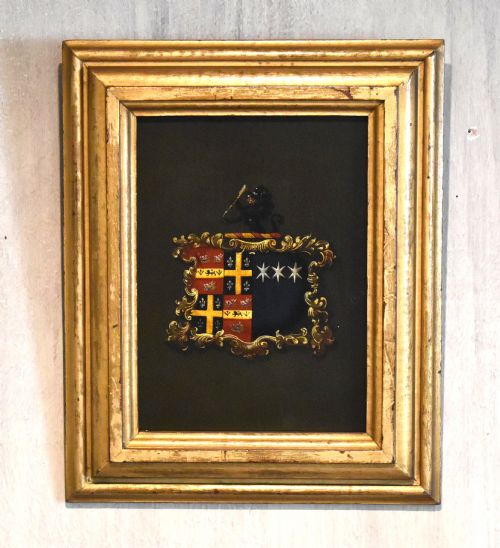


Antique Crest Panel
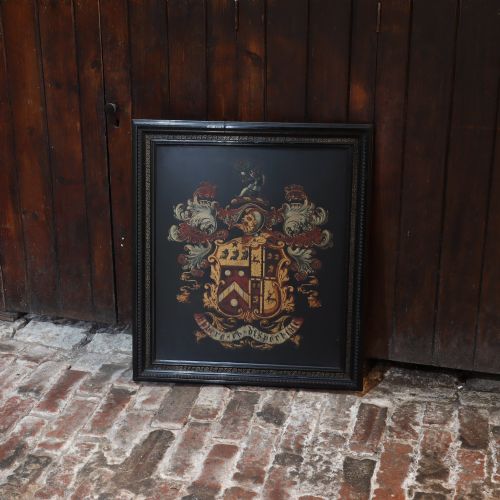
An antique crest panel brings heraldry and carved coats of arms directly onto the wall, offering a tangible link to family lineage.
Antique Crest Panel
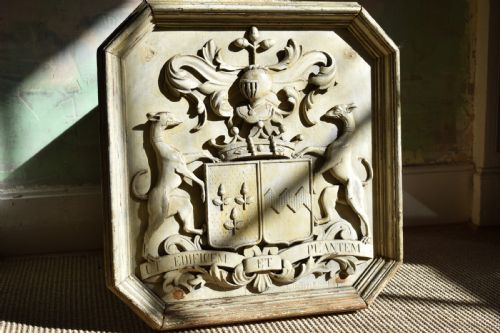
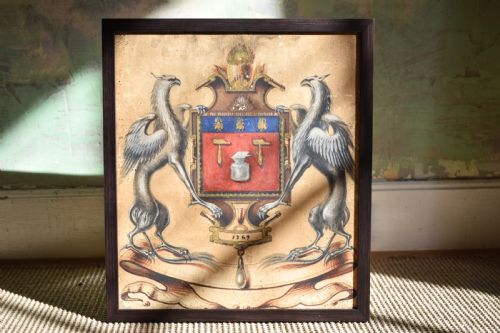
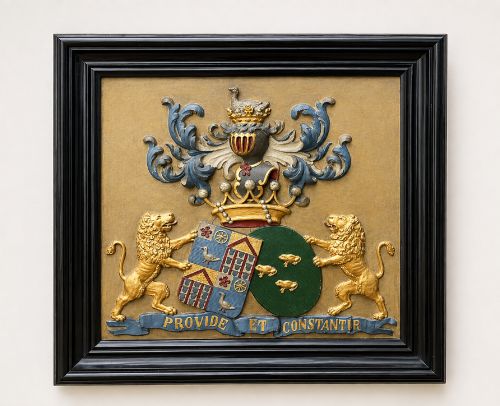
When you search for an antique crest panel, you encounter an array of wall plaques, armorial markers, and framed items bearing painted, carved, or embroidered coats of arms. These pieces originate from various eras, with the nineteenth century and the seventeenth century heavily represented across the items.
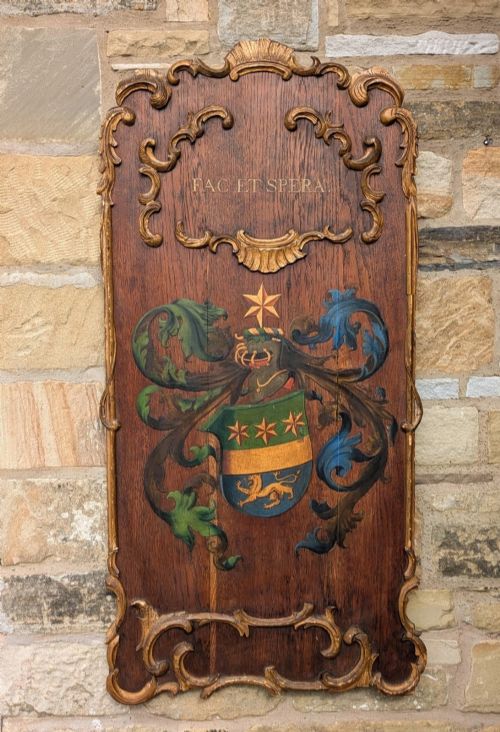
The versions you meet most frequently on this page include painted wooden plaques, needlework armorial panels, and architectural inserts that once signified family lineages, marriages, or institutional crests. Makers utilised materials ranging from solid oak and walnut to glass and giltwood to render these heraldic symbols.
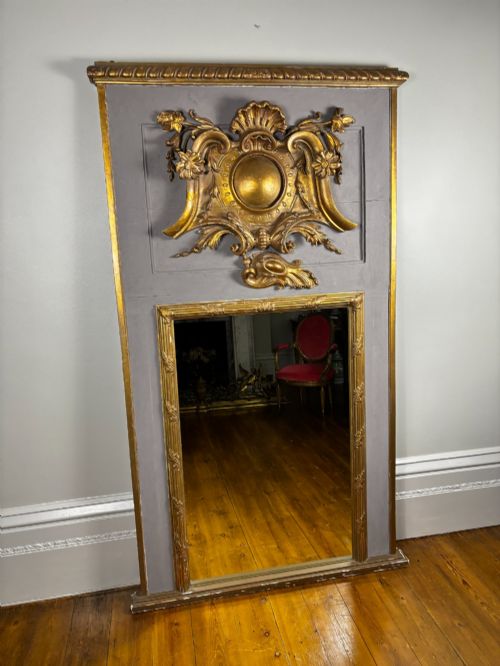
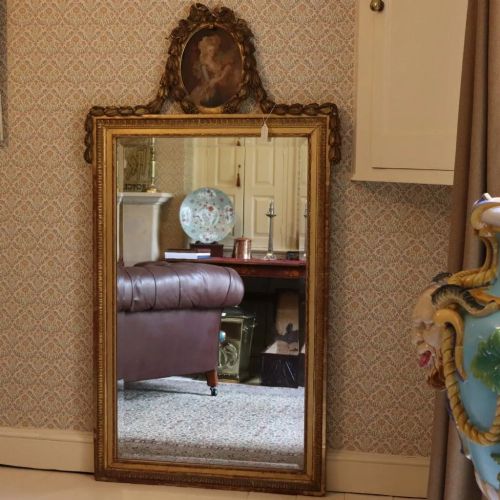
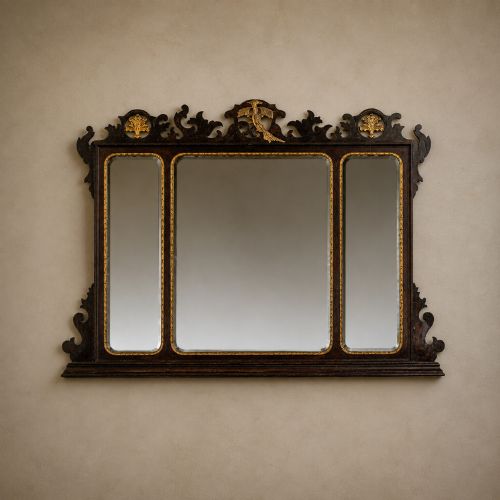
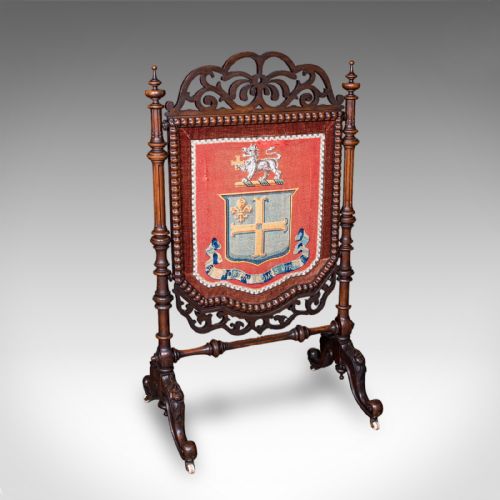
Beyond flat wall plaques, the selection stretches to include items where a crest is incorporated into a larger object, such as firescreens, mirrors, and cabinetry. These diverse forms reflect how heraldry moved from stone and parchment into everyday domestic furnishings over the centuries.
Materials and construction methods
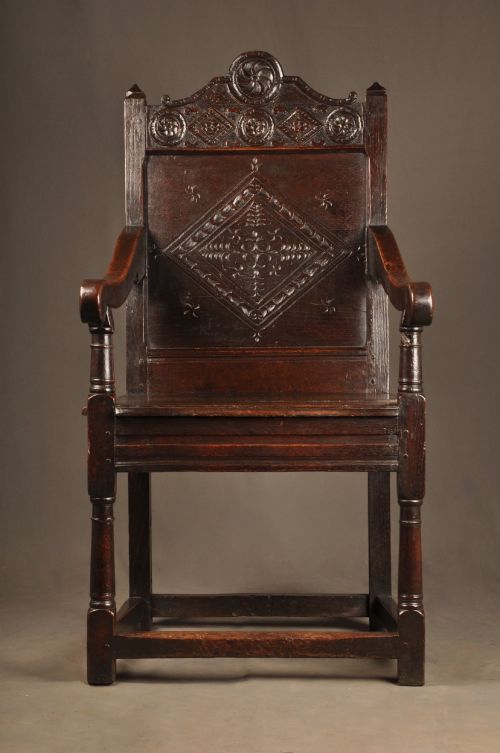
The construction of these pieces relies heavily on dense timbers such as oak and mahogany, often carved in high relief to give depth to helmets, mantling, and escutcheons. Joinery methods from the seventeenth century onward involve traditional pegged mortise and tenon frames, ensuring the structural stability of larger panels and chairs bearing inset crests.
Surface decoration frequently combines hand-applied paint, gilding, and leaded glass work to delineate the specific tinctures and charges of a coat of arms. Artisans also employed needlepoint and silk embroidery, stitching detailed armorial threads onto canvas and fabric grounds to display familial allegiance.
Antique Crest Panel Retail Price Guide 2026
Typical asking prices for crest panel among the pieces listed under this phrase on Sellingantiques today, from the lower quarter to the upper quarter. They describe what is for sale here now, not the wider market.
Listings feature items spanning from the seventeenth century through the twentieth century, utilising oak, walnut, glass, and painted wood.
Factors separating tiers of quality
The distinction between standard and superior pieces lies in the crispness of the carving and the fidelity of the heraldic painting. Master carvers render the intricate details of mantling, crests, and motto scrolls with sharp undercutting and clean lines, whereas lesser examples present soft, muddy edges.
Material selection and pigment preservation also dictate the standing of a piece. Finer examples retain their original gold leaf, stable leaded glass, and vibrant, unblended pigments in the hand-painted coats of arms, showing minimal overpainting or later restoration.
Nanninga Uitterdyke·Van Rijckevorsel & Verheijen·Bath family of Swansea·Duncan Arms·Seton Family·Clan Maclellan
The Antique Crest Panel Glossary
- Coat of arms
- A distinct heraldic design on a shield, often accompanied by a crest, helm, and motto, representing a specific family or institution.
- Escutcheon
- The shield upon which a coat of arms is displayed, forming the central focal point of most armorial panels.
- Mantling
- The ornamental foliage or cloth draped from the helmet above the shield in a full achievement of arms.
- Needlepoint
- Embroidery stitched on a canvas mesh, frequently utilised in Victorian panels to depict detailed heraldic motifs and family crests.
- Wainscot
- A type of sturdy wooden chair, typically constructed from oak during the seventeenth century, often featuring carved panels on the back.
Antique Crest Panel: Frequently Asked Questions
What is an antique crest panel?
An antique crest panel is a decorative or commemorative plaque, carved wooden insert, or embroidered textile displaying a specific coat of arms, family crest, or heraldic achievement. These items were originally created to mark significant family alliances, marriages, or institutional identities.
Today, they function primarily as wall art or architectural accents, bringing historic lineage and traditional craftsmanship into domestic interiors.
How do I identify the age of a crest panel?
Dating relies on examining the primary timber, the carving style, and the framing techniques used in the piece. Seventeenth-century examples typically feature dark oak with heavy, hand-tooled joinery, while nineteenth-century pieces often incorporate mahogany, walnut, or vibrant painted finishes.
Inscriptional evidence, such as painted dates or named families, also provides a direct anchor for determining the period of origin.
Where were crest panels displayed originally?
Historically, armorial panels and plaques were hung in the great halls of country houses, above mantelpieces, or integrated into domestic wall panelling and library furniture. They served as visible declarations of social standing, ancestry, and territorial jurisdiction.
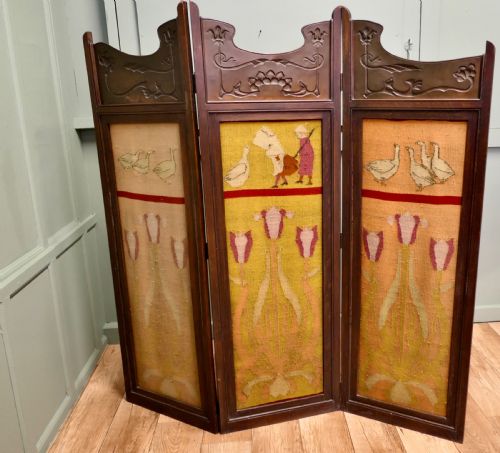
Textile versions, such as embroidered screens, were placed near hearths to deflect heat while displaying family loyalty.
How should I care for an antique wooden crest panel?
Care requires maintaining stable indoor humidity levels and keeping the wood away from direct heat sources and strong sunlight, which can dry out timber and fade painted surfaces. Occasional dusting with a soft, dry cloth is sufficient to maintain the finish.
Avoid applying modern silicone polishes, as they can damage historic varnishes and painted heraldic details over time.