


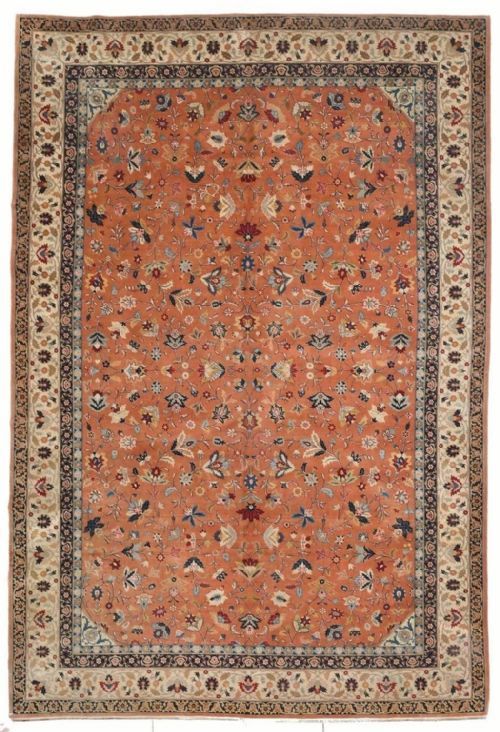
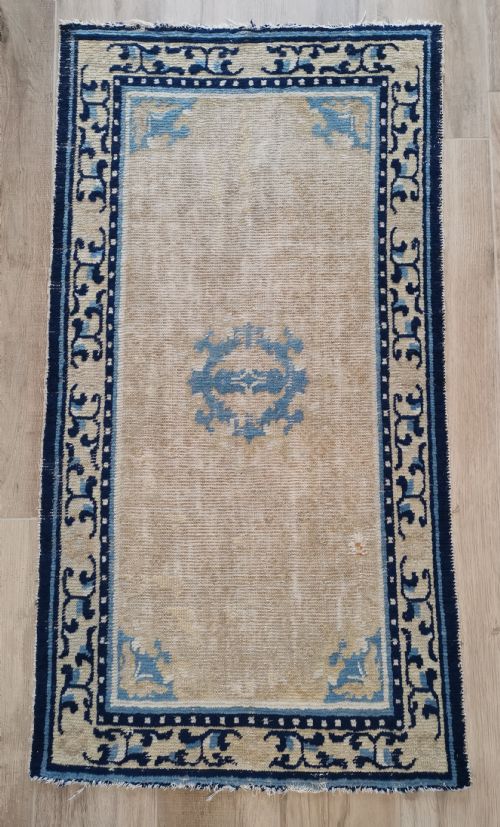
Antique Cream Rug
An antique cream rug brings heavy wool, muted natural dyes, and complex tribal geometry straight onto a polished wooden floor.
Antique Cream Rug
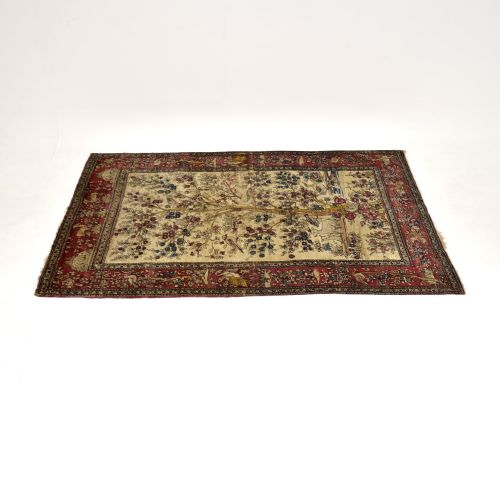
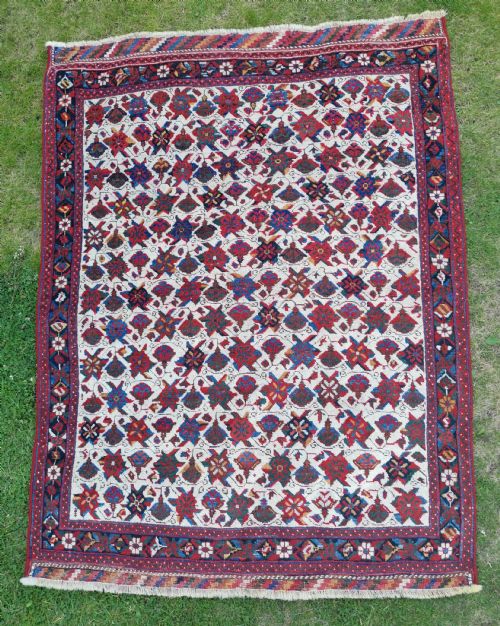
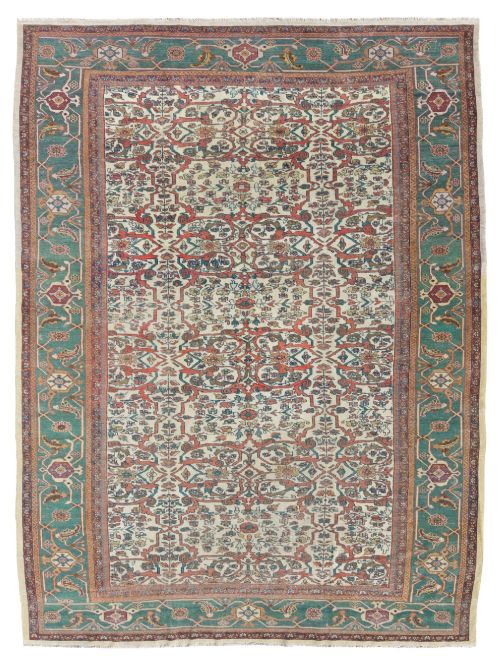
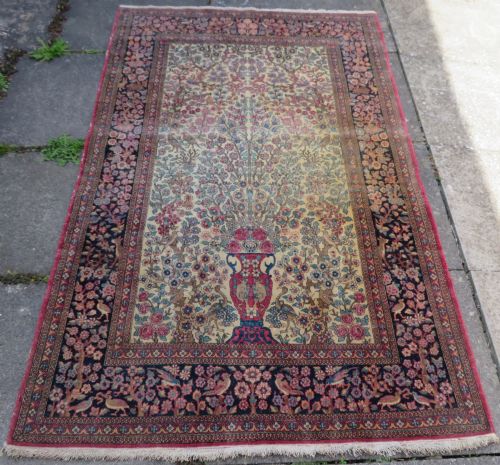
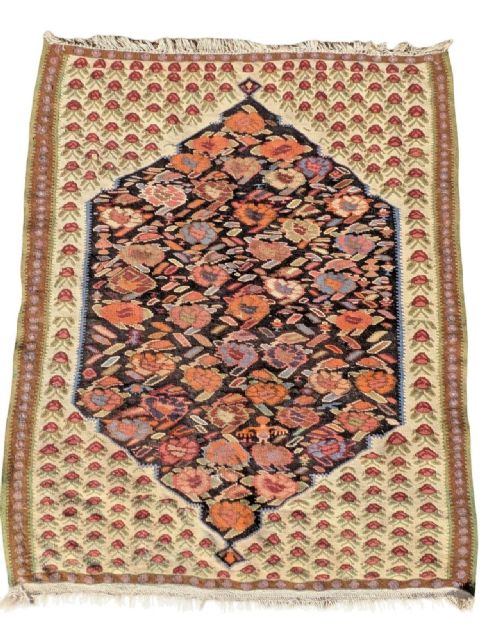
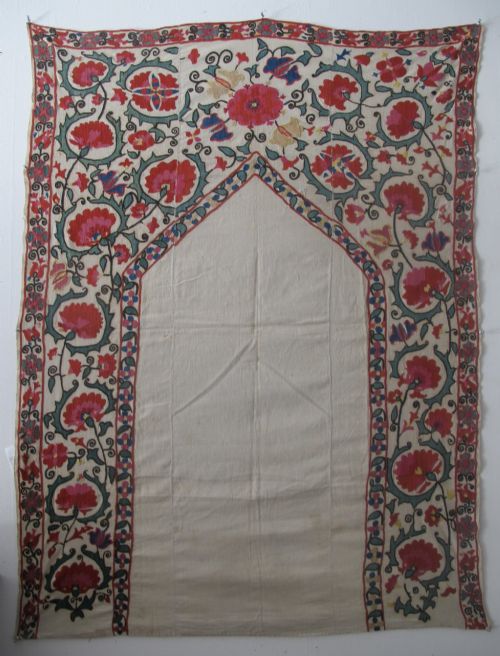
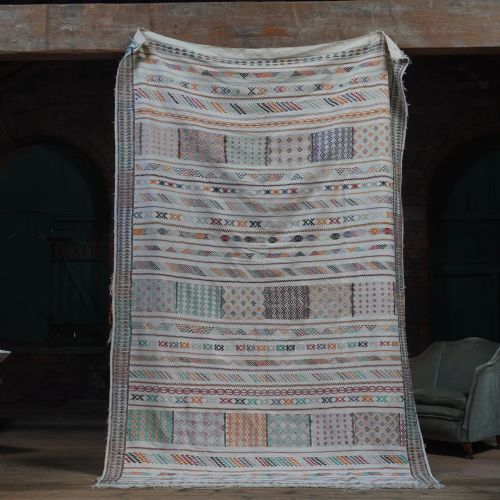
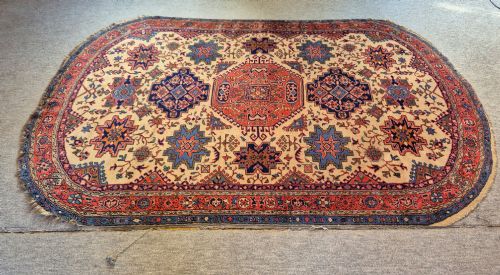
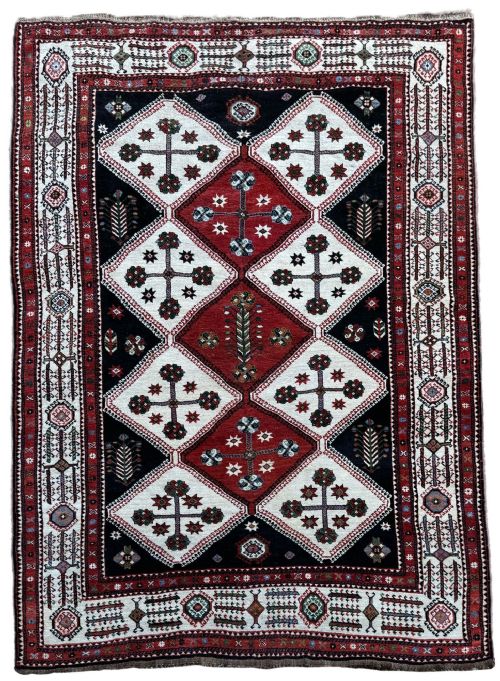
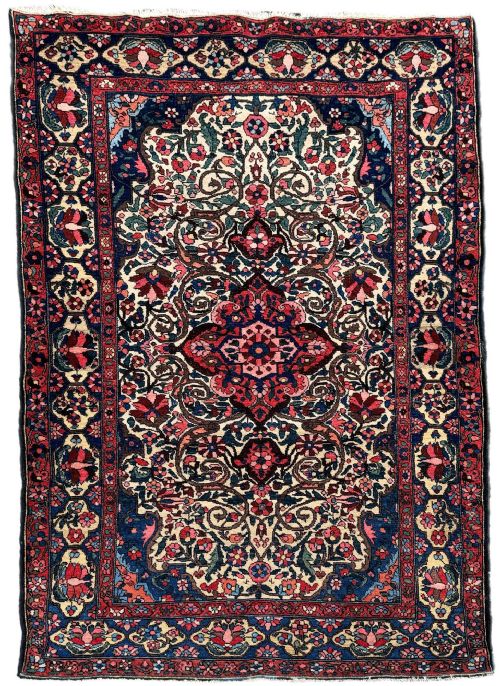
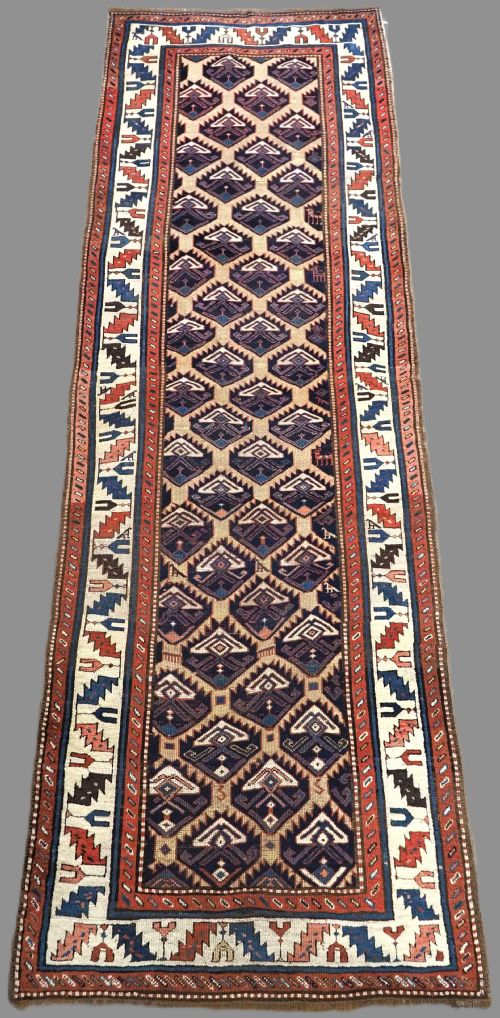
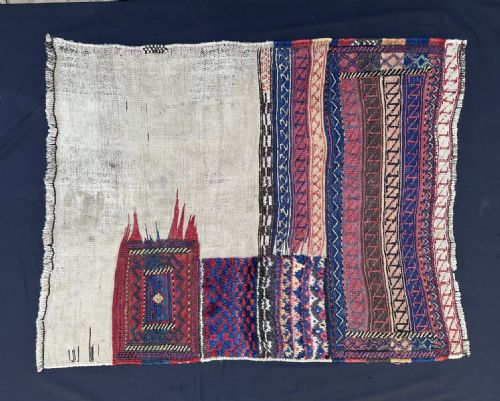
When you search for an antique cream rug, you encounter hand-knotted and embroidered floor coverings and wall hangings originating from Persia, Central Asia, Turkey, and China. These textiles span periods from the mid-nineteenth century through the early twentieth century, offering neutral tones derived from age and natural sheep's wool.
The most common versions on this page are Persian tribal and village rugs alongside Uzbek suzanis and Anatolian prayer rugs. These pieces utilise ivory, cream, and soft beige grounds to support medallions, lattice patterns, tree of life motifs, and geometric borders.
How they were made
Weavers constructed these textiles predominantly using hand-spun wool and cotton foundations, occasionally introducing silk threads for delicate embroidery work on suzanis and needlepoint pieces. Artisans knotted the pile by hand or worked intricate needle stitches across cotton and canvas backings.
Colour came from natural dyes applied to wool and silk fibres, producing soft cream and ivory backgrounds that patinate gracefully over decades of light exposure and use. The materials reflect regional traditions, from nomadic Persian workshops to settled Uzbek households.
Listings feature wool, cotton, and silk materials spanning the nineteenth and early twentieth centuries.
What varies in quality
The density of the knotting or the tightness of the embroidery defines the structural integrity of each textile. Finer knot counts allow for sharper curvilinear details in floral vase designs and medallion carpets.
The complexity and consistency of the natural dye palette separate standard village production from master workshop pieces. Superior wool retains its lanolin, giving a soft handle and resilient pile that resists heavy foot traffic.
The Antique Cream Rug Glossary
- Suzani
- An embroidered tribal textile from Uzbekistan, typically worked in silk thread on a cotton or linen ground with floral and architectural motifs.
- Prayer rug
- A small carpet featuring a mihrab or arched niche design, traditionally used for daily Islamic prayers and oriented toward Mecca.
- Kilim
- A flat-woven carpet or rug made without a pile, produced by tightly interweaving warp and weft strands.
- Natural dyes
- Colourants extracted from plants, insects, and minerals before the widespread adoption of synthetic aniline dyes in the late nineteenth century.
- Warp
- The vertical threads stretched tightly on a loom that form the structural skeleton of a woven rug.
Antique Cream Rug: Frequently Asked Questions
How do I clean an antique cream rug?
Vacuum gently without a beater bar and keep the piece out of direct sunlight to protect the fragile wool and natural dyes.
Professional specialist cleaning is essential for older textiles to prevent shrinkage or dye bleeding across the cream ground.
Where were these rugs made?
The pieces originate primarily from Persian village and nomadic confederacies, alongside workshops in Turkey, Central Asia, and China.
Specific regions include Fars, Kurdistan, Isfahan, and Uzbekistan, each employing distinct weaving structures and regional motifs.
Can I use an antique rug in a hallway?
Narrow runners and long hallway carpets fit well in transitional spaces, provided they receive even foot traffic and adequate underlay support.
Placing a breathable non-slip pad underneath prevents shifting and reduces friction against the original wool or cotton foundation.
What makes a rug antique?
Textiles produced roughly a century or more ago qualify as antique, encompassing pieces woven during the nineteenth and early twentieth centuries.
Age shows through the mellowing of natural dyes, the wear patterns on the wool pile, and traditional hand-spun materials.