


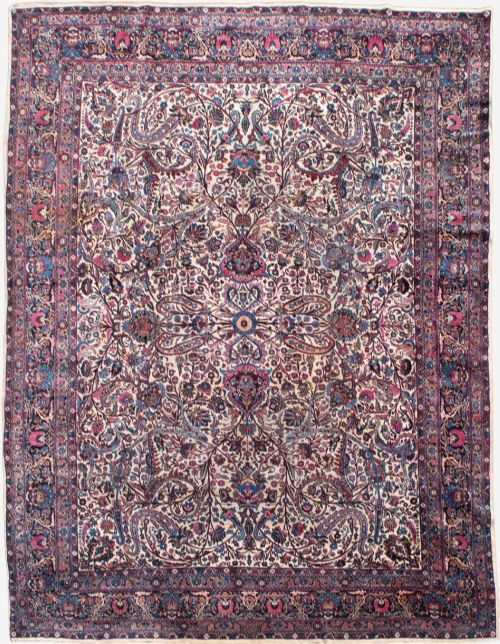
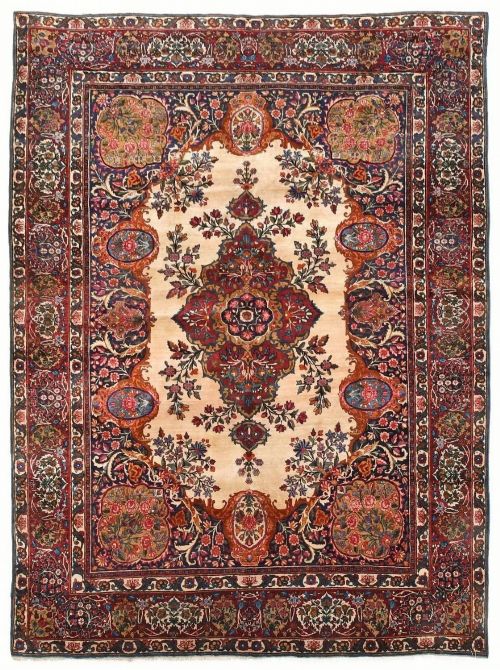
Antique Cream Floor Rug
An antique cream floor rug brings centuries of woven artistry, rich natural dyes and tactile warmth directly beneath your feet.
Antique Cream Floor Rug
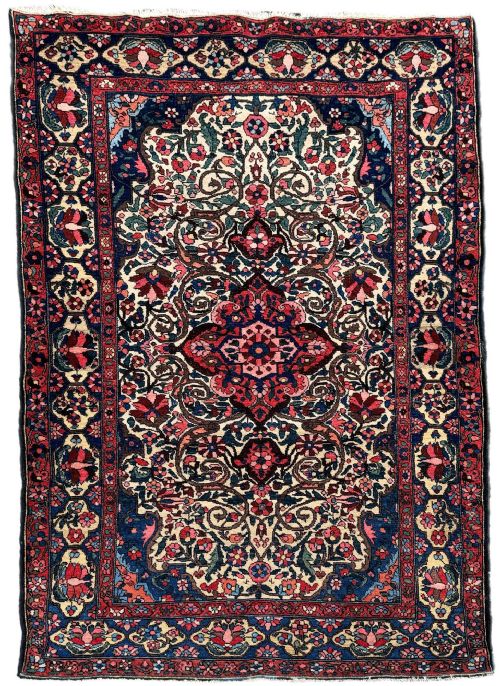
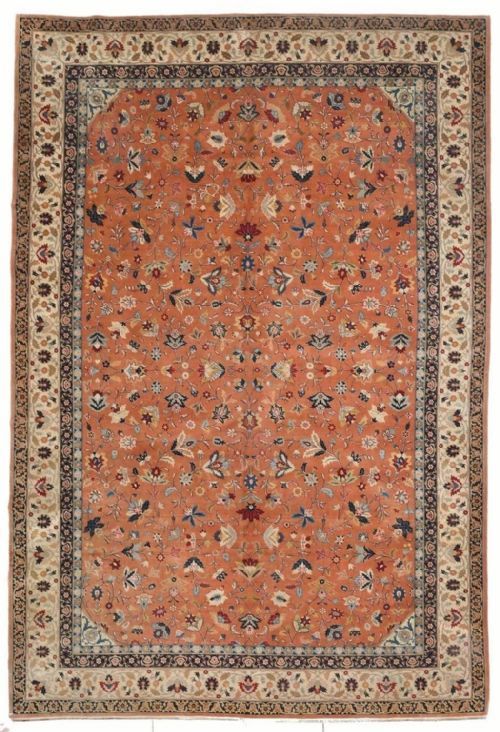
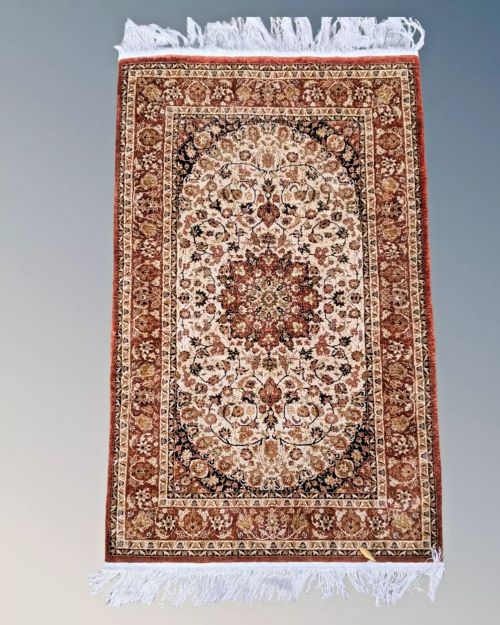
Every antique cream floor rug on this page represents a handmade textile rooted in nineteenth and early twentieth-century traditions, predominantly originating from Persian weaving centres like Tabriz, Heriz, Kirman and Kashan, alongside nomadic and tribal workshops such as Bakhtiar, Afshar and Kurdish groups.
The physical formats span modest scatter sizes, long runners and room-sized carpets measuring over four metres, providing versatility for hallways, sitting rooms and studies.
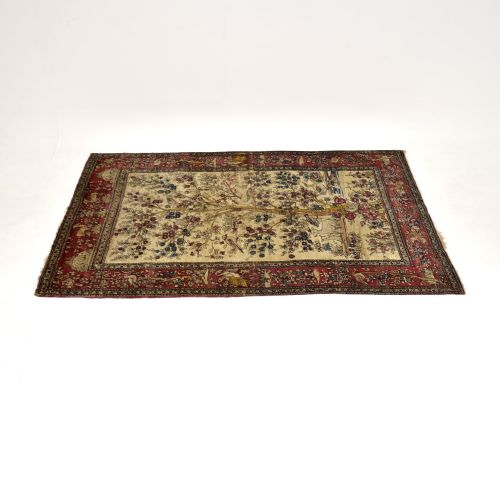
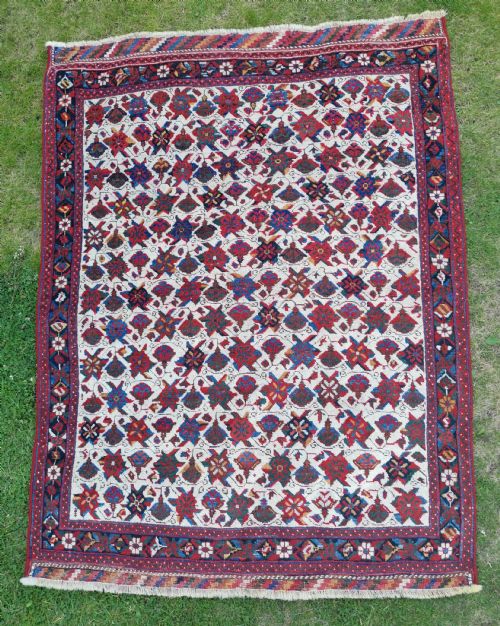
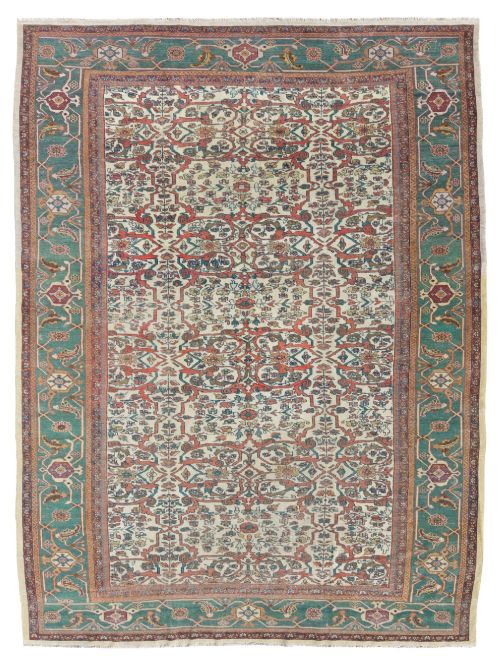
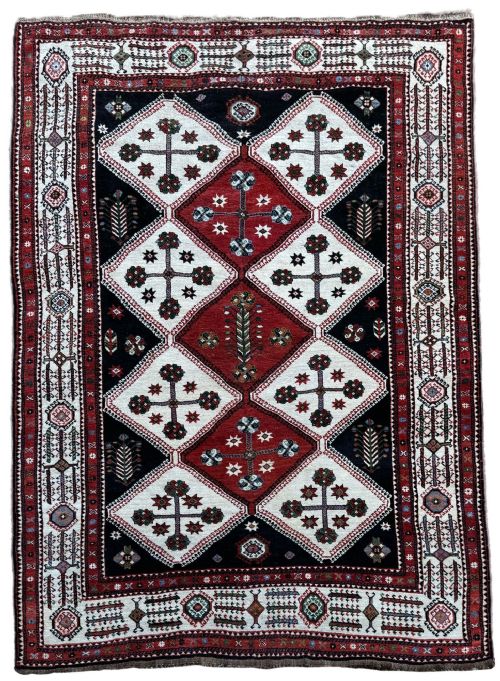
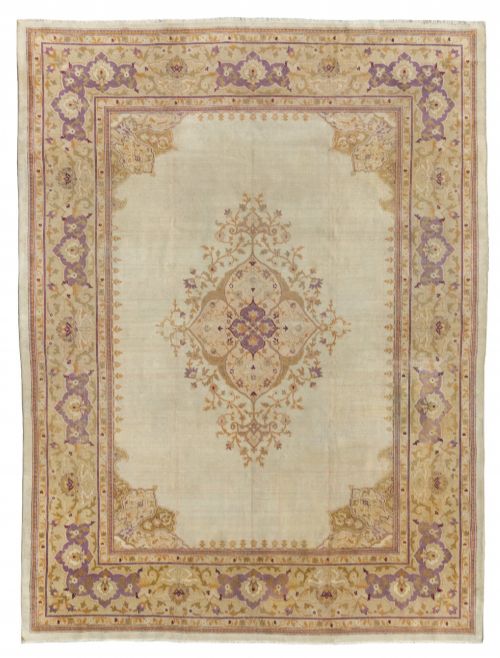
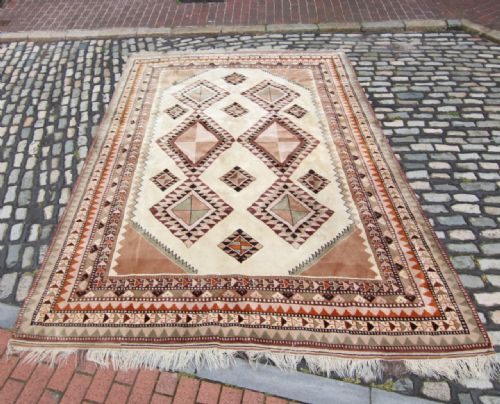
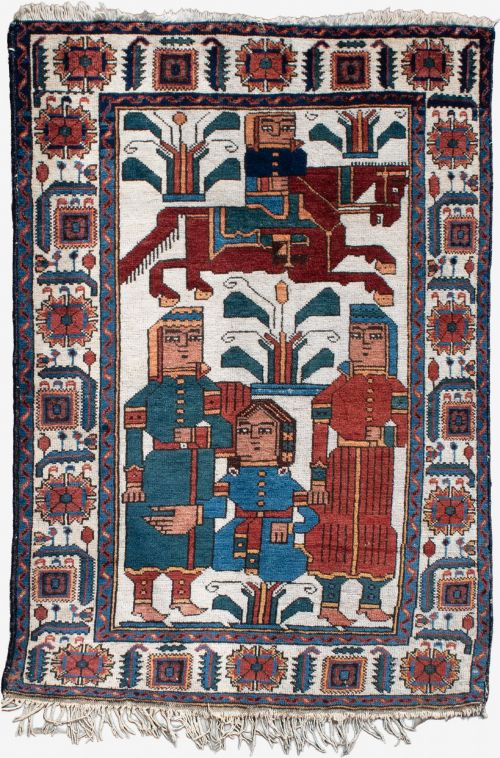
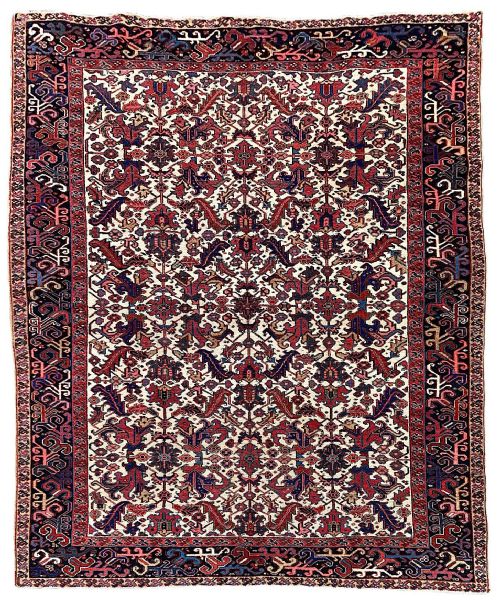
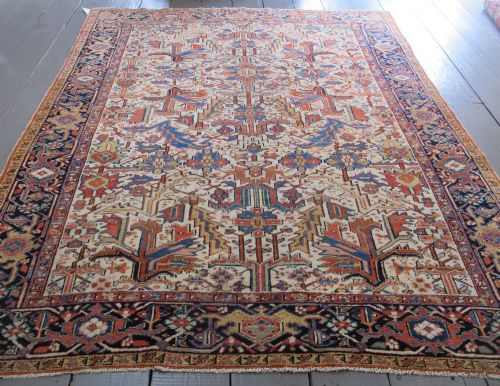
While many examples showcase vibrant reds, blues and indigos, those featuring cream fields draw the eye through subtle ivory, cream and beige backgrounds that allow intricate floral vases, geometric medallions and pictorial motifs to stand forward.
How these rugs were made
Weavers constructed these pieces almost entirely from natural animal and plant fibres, utilising sturdy cotton foundations for warps and wefts while employing soft wool, and occasionally part-silk additions, for the dense pile.
Colour came directly from natural dyes derived from roots, plants and insects, producing soft cream, ivory and subtle secondary tones that mellow gracefully over decades of light and wear.
Nomadic weavers sometimes worked from memory outdoors, resulting in charming little animal motifs tucked unexpectedly into geometric borders.
What varies in quality
Knot density and structural fineness dictate the clarity of design, separating city-woven carpets with precise floral curves from coarser, sturdier tribal weavings.
The integrity of the wool, the persistence of original natural dye colours across the cream ground and the balance of the overall composition determine the lasting distinction of each piece.
Benlian·Mohtasham Kashan
The Antique Cream Floor Rug Glossary
- Pile
- The vertical tufts of wool, silk or cotton that form the soft upper surface of the rug. This is created by knotting individual strands around the warp threads.
- Warp
- The stationary longitudinal threads stretched tightly on the loom that form the structural skeleton of the rug. The fringe at either end of the rug consists of the exposed warp threads.
- Weft
- The horizontal threads passed alternately over and under the warp threads between rows of knots to bind the structure firmly together.
- Medallion
- A large central ornamental design motif placed in the middle of the rug field. It often draws inspiration from architectural domes or geometric forms.
- Natural Dyes
- Colourants extracted from organic sources such as plants, roots and insects rather than synthetic chemicals. These dyes produce complex, muted tones that age with considerable character.
Antique Cream Floor Rug: Frequently Asked Questions
How do I clean an antique cream floor rug?
Vacuum gently without using a rotating brush bar to prevent pulling the aged wool fibres. Professional specialist cleaning remains essential for addressing deeper soil without damaging natural dyes.
Avoid immersing the textile in water or applying domestic chemical detergents. Proper maintenance preserves the delicate balance of the cream wool pile.
Can I place these rugs in high traffic areas?
Many sturdy tribal and village carpets tolerate regular walking when protected by an appropriate underlay. Thicker wool constructions manage hallways and living spaces quite effectively.
Softer city-woven pieces with silk elements or finer pile benefit from placement in quieter rooms. This approach protects delicate structures from excessive friction.
How do I tell different Persian origins apart?
Tabriz and Kirman pieces often display refined city designs with complex floral sprays and high knot counts. Tribal weaves from groups like the Bakhtiar or Afshar lean towards bolder geometry and rustic charm.
Examining the weave structure and fringe finish helps identify specific regional traditions. Each weaving centre maintained distinct technical habits.
Why choose a cream field carpet?
A light neutral background brightens dark interior spaces while harmonising effortlessly with contemporary and traditional furnishings alike. The pale field lets intricate medallion and floral details command attention.
These versatile backgrounds provide visual space within a room. They serve as a calm anchor for heavier furniture.