
Antique Cream Drawers
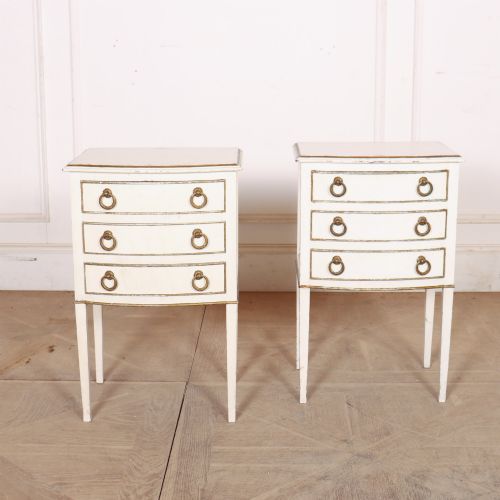
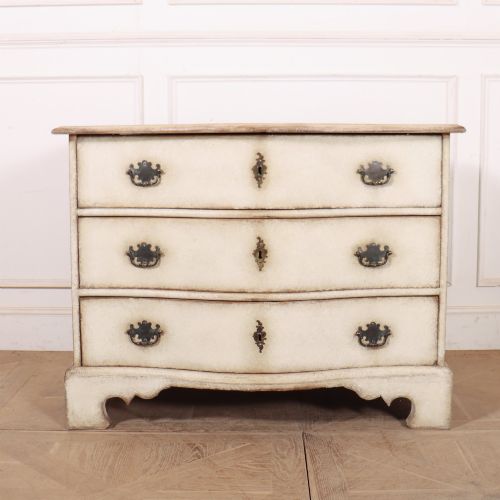
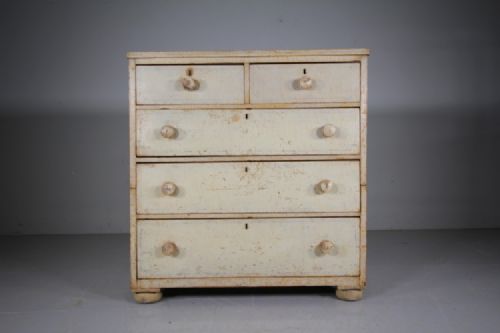
These antique cream drawers bring soft painted colour and practical storage into a room, spanning rustic pine chests to formal Georgian commodes.
Antique Cream Drawers
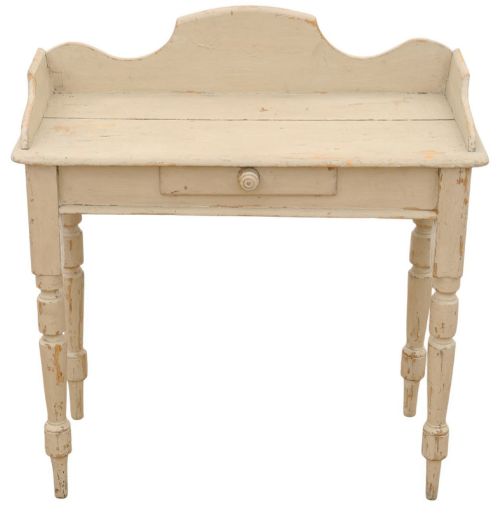
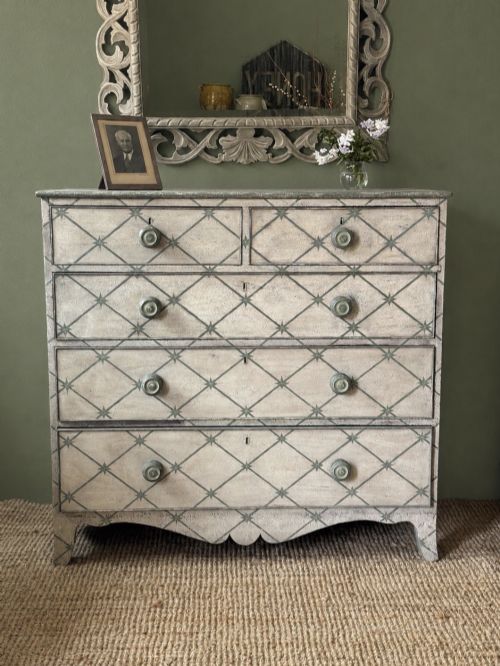
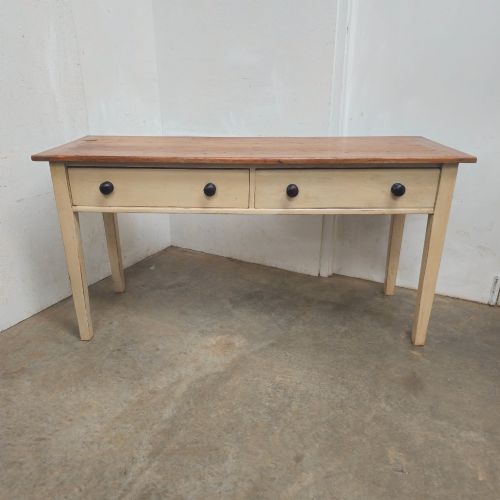
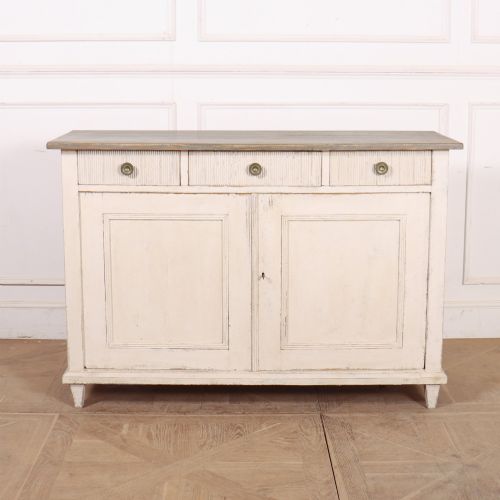
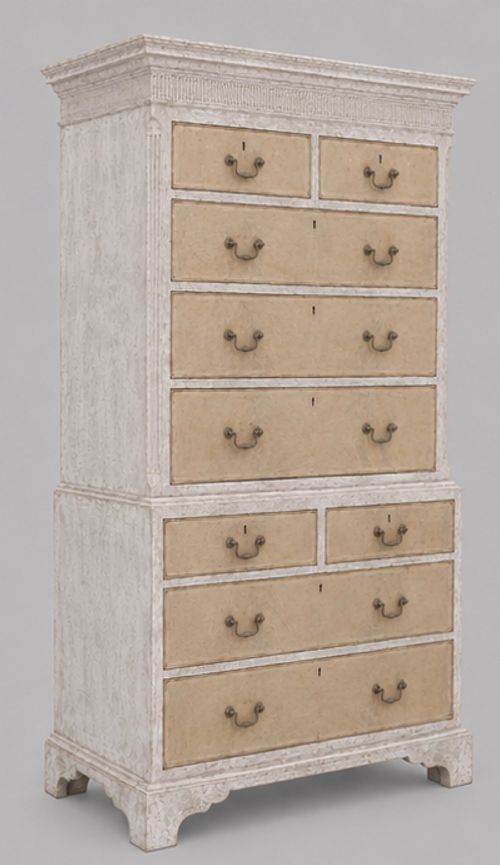
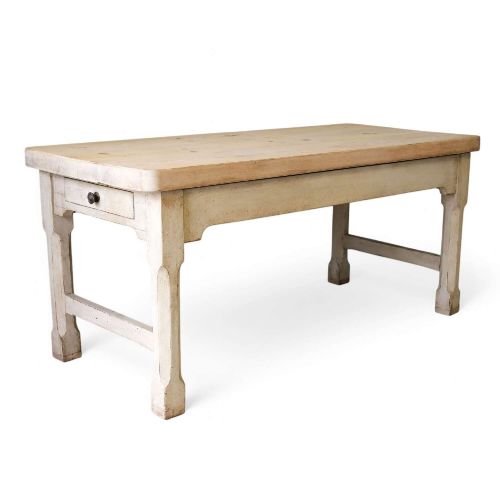
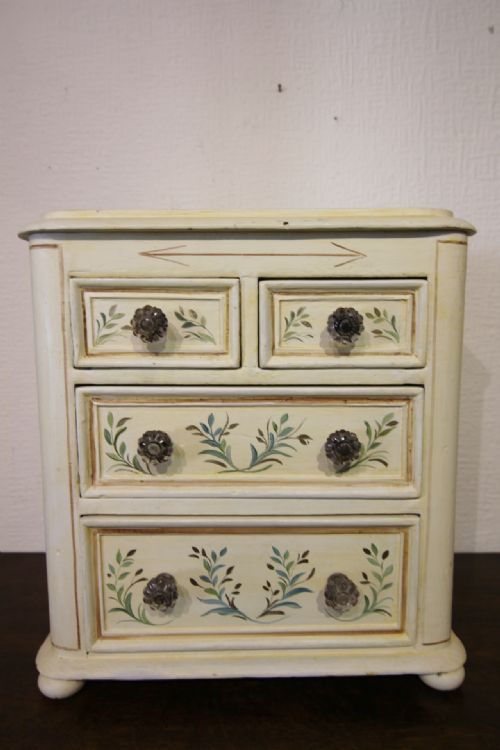
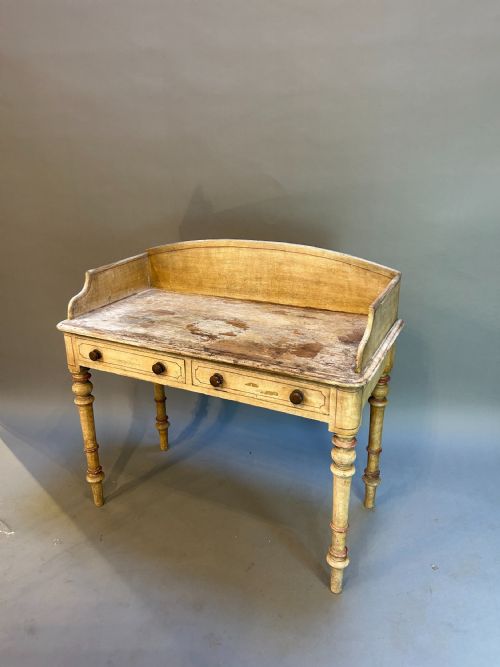
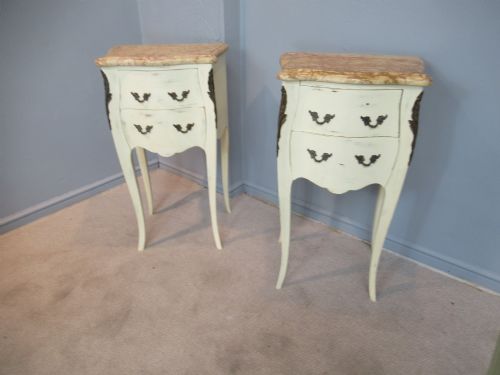
When you search for antique cream drawers, you encounter a wide selection of painted storage furniture dating from the eighteenth century through to the early twentieth century. The inventory on this page ranges from compact bedside chests and miniature apprentice pieces to substantial country house prep tables, commodes, and multi-drawer shop fittings.
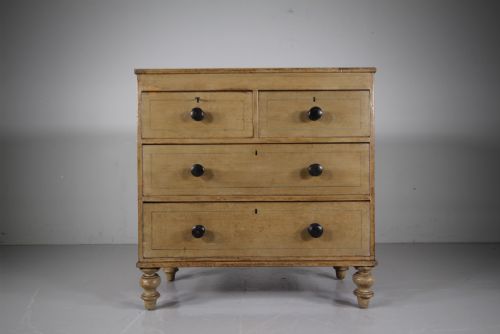
Pine and painted wood dominate the selection, often finished in original or later cream paint that highlights the underlying grain and timber. Pieces hail from English, French, Swedish, German, and Spanish workshops, displaying regional variations in proportions and decorative detail.
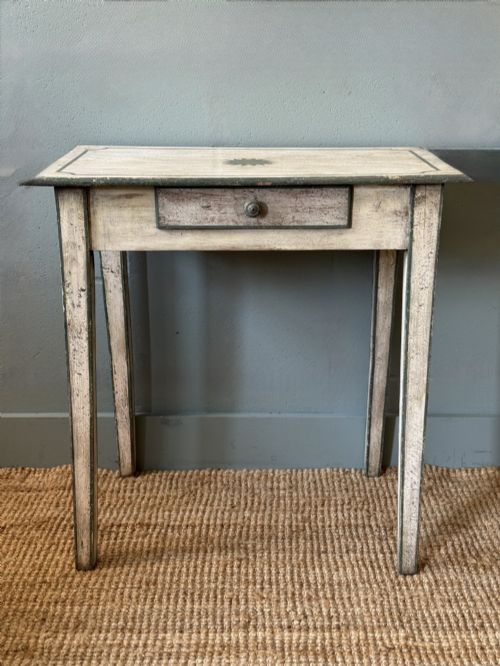
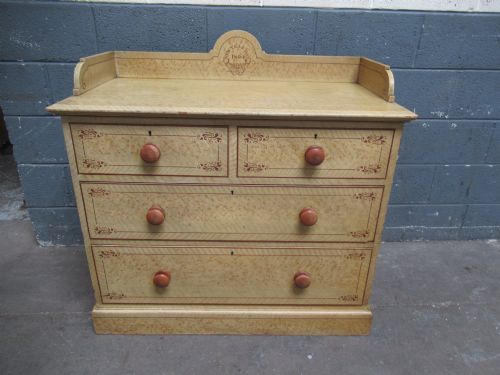
The most frequently encountered versions are nineteenth-century pine chests of drawers and country house tables, alongside Continental commodes from the eighteenth and nineteenth centuries. These items combine utilitarian storage with the decorative charm of aged painted surfaces.
Materials and technique
Makers relied primarily on native timbers such as pine, oak, fruitwood, and mahogany for the carcass and drawer construction, often combining structural hardwoods with softer woods. Metal hardware in brass and iron provided pulls and escutcheons, while marble occasionally surfaced on top surfaces.
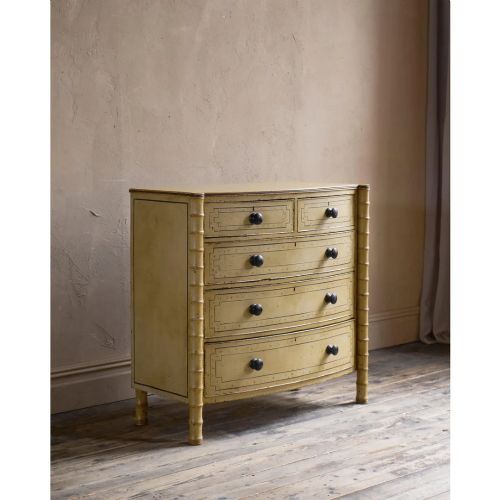
Surface treatment defines this category, utilising layers of paint applied over wood, sometimes incorporating decorative motifs or faux bamboo turning. Construction methods reflect the period, from traditional dovetail joints on eighteenth-century drawers to simpler nineteenth-century pine assembly.
Pine and painted wood dominate the listings here, spanning nineteenth-century English country pieces to eighteenth-century Continental commodes.
The measure of quality
Quality rests upon the integrity of the painted surface, distinguishing between original historic paint with honest patination and later decorative overpainting. Well-preserved surfaces retain their authentic texture and wear without heavy modern intervention.
Construction standards also separate standard utilitarian items from finer pieces, evident in the snug fit of drawers, the precision of dovetailing, and the retention of original brass hardware. Proportion and balance in regional pieces dictate their desirability among collectors.
The Antique Cream Drawers Glossary
- Commode
- A low cabinet or chest of drawers, often of French or Continental origin. These pieces frequently feature decorative painted finishes or serpentine fronts.
- Dresser base
- A sturdy lower sideboard or table featuring drawers, historically used in kitchens or dining rooms for food preparation and storage. Potboard versions include an open lower shelf.
- Bowfront
- A convex, curved front on a chest of drawers or commode. This style gained popularity during the Georgian and Regency periods.
- Pine
- A softwood commonly utilised for country furniture and secondary framing. It accepts paint readily, making it the primary vehicle for cream finishes.
Antique Cream Drawers: Frequently Asked Questions
Are these drawers suitable for daily bedroom use?
These antique chests offer practical depth and sturdy construction for modern storage needs. Their historic drawers slide smoothly when maintained correctly.
Buyers often place them in bedrooms or hallways to combine functional capacity with period character. Standard sizes accommodate everyday clothing and household linens.
How do I care for painted antique wood?
Protect the painted finish by keeping pieces away from direct sunlight and excessive moisture. Dust gently with a dry cloth rather than using harsh chemical cleaners.
Wax or polish should only be applied if the paint surface is stable and sealed. Preserving the original patina requires minimal intervention and gentle handling.
How can I tell original paint from later decoration?
Original paint shows natural craquelure, subtle fading, and wear consistent with age and use. Brush marks and pigment layering offer clues to the history of the surface.
Later paint applications often feel more uniform or mask underlying timber grain differently. Examining edges and hardware recesses reveals earlier layers beneath.