





Antique Court Figures
Antique court figures bring historical presence into a room, spanning delicate European porcelain groups and pottery attendants from Asian dynasties.
Antique Court Figures
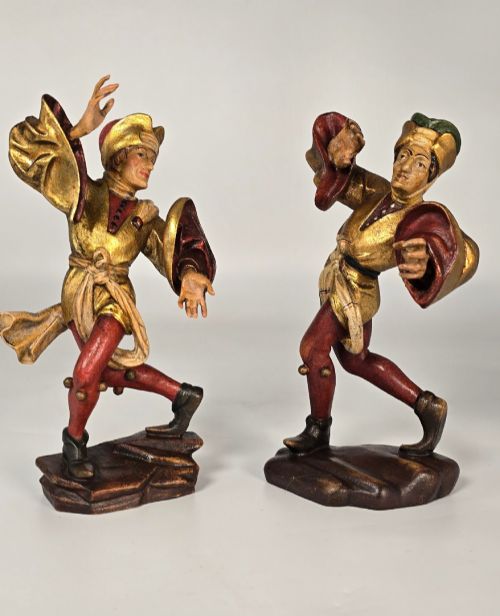
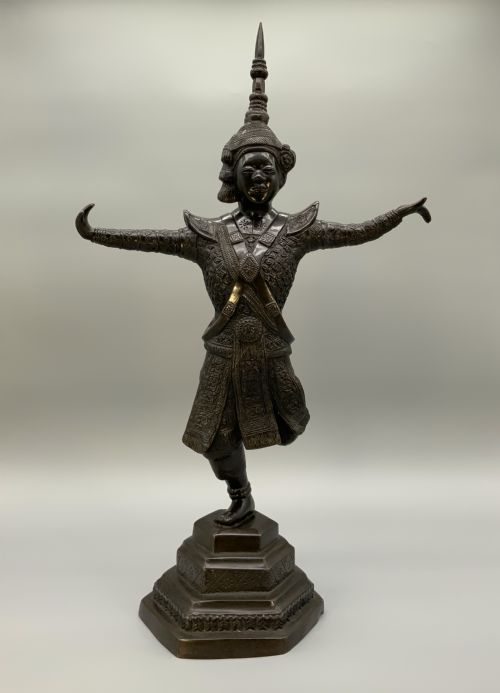
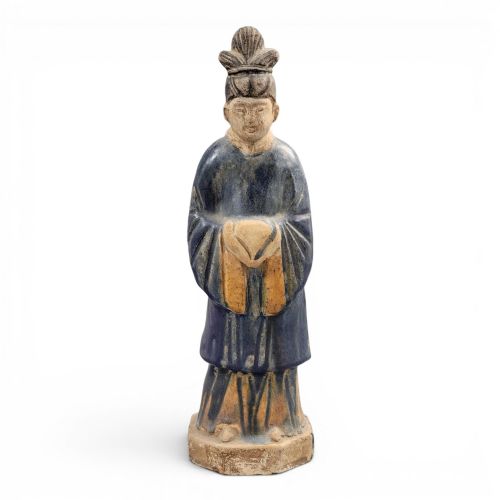
Antique court figures encompass sculpted representations of attendants, musicians, dancers, and nobility originating from European and Asian traditions. These pieces take the form of freestanding figurines, porcelain groups, wall art, and bronze sculptures.
Makers and factories across France, Germany, and China produced these figures to adorn salons, cabinets, and drawing rooms, often depicting romantic pairs or courtly duties.
How they were made
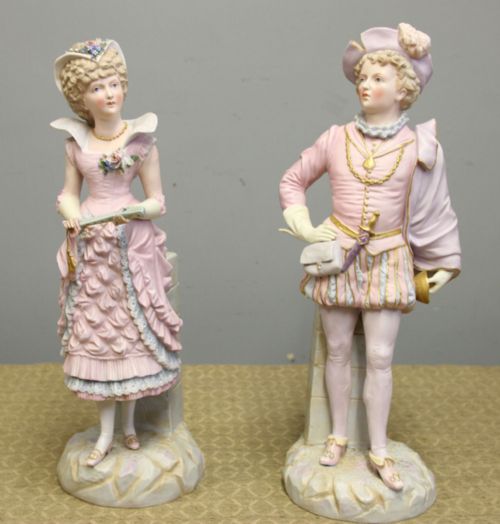
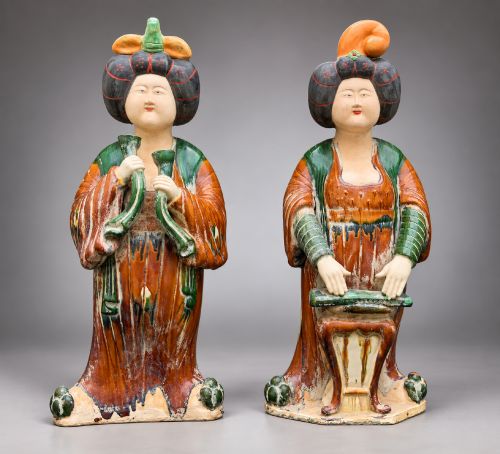
Ceramic pieces rely on hard-paste porcelain, earthenware, and terracotta, shaped by hand or in moulds before receiving enamel, gilt, and sancai glazes. Porcelain factories utilised biscuit firing and delicate lace applications to achieve textured garments.
Carved works employ limewood and oak, shaped with gouges to delineate medieval and folk subjects. Metal sculptures use bronze casting techniques, finished with patination to highlight facial expressions and court costumes.
Antique Court Figures Retail Price Guide 2026
Typical asking prices for court figures among the pieces listed under this phrase on Sellingantiques today, from the lower quarter to the upper quarter. They describe what is for sale here now, not the wider market.
Listings span earthenware, hard-paste porcelain, limewood, and bronze across European and Asian traditions.
What varies in quality
In porcelain and pottery, the stability of the glaze and the complexity of multi-figure compositions distinguish standard production pieces from major manufactory outputs.
Bourdois and Bloch Paris·Letu and Mauger Paris·La Coutille Factory·Triebner Ens and Co·Volkstedt
The Antique Court Figures Glossary
- Sancai
- A three-colour glaze technique characteristic of Chinese pottery, typically combining amber, green, and cream tones.
- Biscuit porcelain
- Unglazed porcelain fired once to produce a matte, white surface resembling marble.
- Famille rose
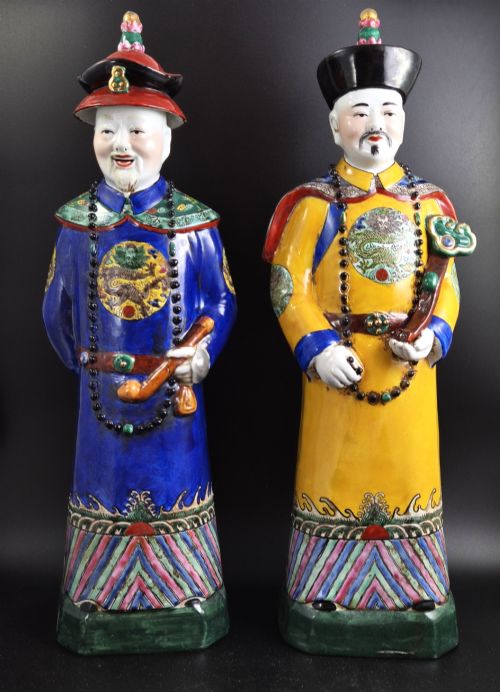
- A palette of opaque enamel colours dominated by pink, introduced to Chinese porcelain during the Qing dynasty.
- Parian
- A fine-grained white biscuit porcelain developed in the nineteenth century to imitate marble sculpture.
- Faience
- Tin-glazed earthenware produced in France and other European regions, often painted with romantic or pastoral scenes.
Antique Court Figures: Frequently Asked Questions
How do I date an antique porcelain figure?
Dating relies on factory marks, paste composition, and stylistic clues within the clothing and hair styling. Comparing the modelling technique to documented periods narrows the timeline.
Secondary indicators include the application of gilding and the specific colours used in the enamel palette.
Where were court figures displayed historically?
Owners placed these figures on mantelpieces, salon tables, and within dedicated display cabinets alongside ceramics and bronzes. They served as conversation pieces and symbols of cultural refinement.
Larger sculptures stood in entrance halls or formal reception rooms to impress visitors.
What is the difference between porcelain and earthenware figures?
Porcelain is vitrified at high temperatures to create a dense, non-porous body that often rings when struck. Earthenware uses lower firing temperatures and remains porous unless sealed with an opaque glaze.
Porcelain allows for finer detail and translucency, whereas earthenware yields heavier, earthy forms.
How should I clean antique ceramic figures?
Dusting with a soft, dry artist brush prevents particulate buildup without risking abrasion to delicate enamels or gilt surfaces. Water and chemical cleaners can damage vulnerable glazes or exposed biscuit porcelain.
Keep pieces away from direct sunlight to preserve the stability of hand-painted pigments over time.