






Antique Countryside Drawing
These antique countryside drawing works capture pastoral scenes and rural life through delicate ink, watercolour, and pastel on paper.
Antique Countryside Drawing
When you search for an antique countryside drawing, you encounter works on paper depicting rural fields, farmhouses, and pastoral landscapes across multiple centuries. The selection ranges from Georgian pen and ink studies to Victorian watercolours and early twentieth-century British pastoral compositions.
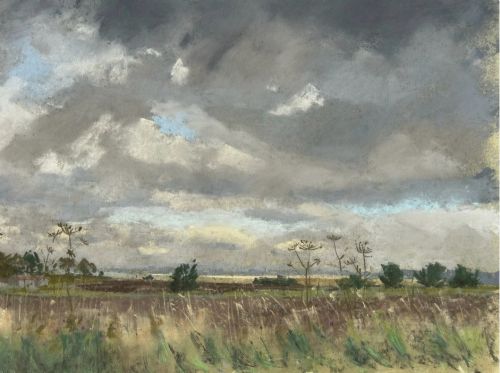
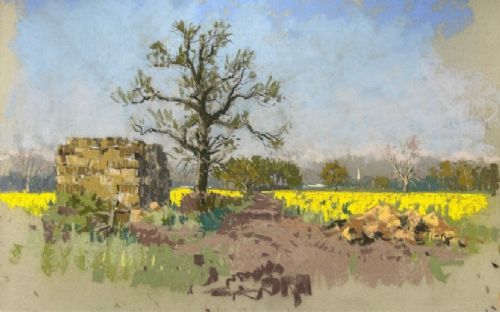
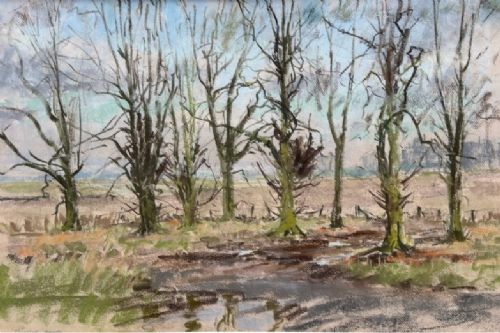
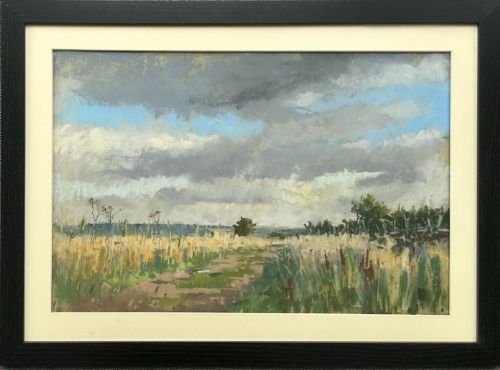
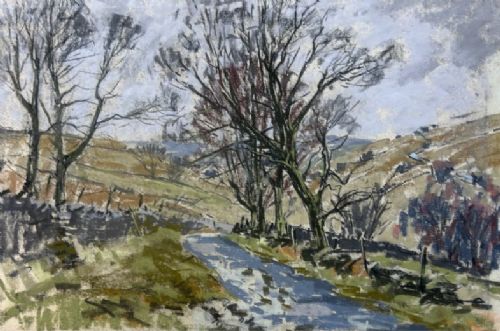
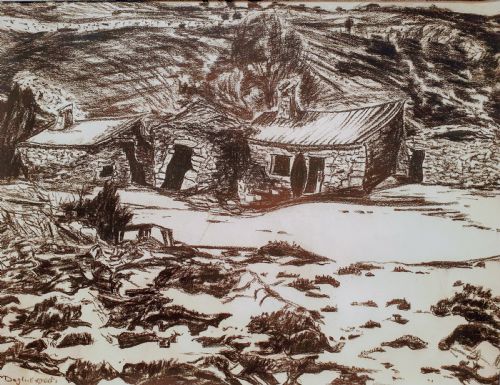
Most pieces on this page appear as watercolours or ink drawings on paper, framed under glass with wood surrounds. You also find larger charcoal drawings and pastel works capturing specific rural views from English and French locations.
The periods represented span from the eighteenth century through the nineteenth century and into the mid-twentieth century. English traditional scenes sit alongside nineteenth-century French and mid-century French rural views.
Assessing quality and execution
Quality rests in the sureness of the hand and the fidelity of the rural depiction. Stronger works demonstrate confident draughtsmanship in pen, ink, or watercolour, capturing light and atmosphere with economy.
The preservation of the paper support and the clarity of the pigment contribute significantly to the standing of a piece. Finer examples maintain their original tonal contrasts without excessive fading from light exposure.
Antique Countryside Drawing Retail Price Guide 2026
Typical asking prices for countryside drawing among the pieces listed under this phrase on Sellingantiques today, from the lower quarter to the upper quarter. They describe what is for sale here now, not the wider market.
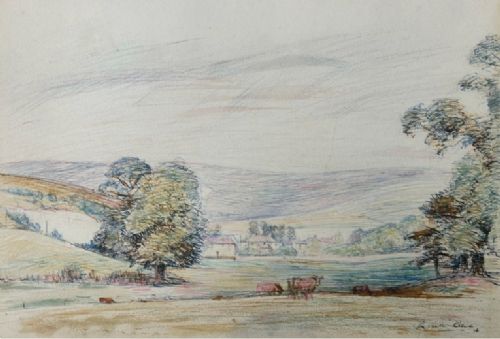
One pastoral drawing preserves the exact moment cows stood quietly in a field while an artist adjusted his ink.
Russell Sidney Reeves·Richard Leech·Amos Green·John Richard Worsdale·Henry H Parker·Fred Lawson·John Joseph Cotman·Thomas Monro
The Antique Countryside Drawing Glossary
- Watercolour painting
- A work executed with water-soluble pigments on paper. This medium allows for transparent washes that create subtle atmospheric effects in landscape scenes.
- Pen and ink drawing
- An illustration created using a nib and dark fluid on a paper or panel support. It yields crisp, enduring lines valued for architectural and topographical precision.
- Pastel on paper
- A dry medium composed of powdered pigment and a binder, applied directly to a paper surface. It offers rich, velvety colour blending suited to sunset and atmospheric light studies.
- Charcoal drawing
- An artwork made from compressed organic carbon material on paper. It produces deep blacks and expressive tonal gradations, often utilised for larger, dynamic landscape compositions.
- Works on paper
- A collective category encompassing drawings, watercolours, pastels, and prints. These pieces require careful framing behind glass to protect the substrate from environmental moisture and UV damage.
Antique Countryside Drawing: Frequently Asked Questions
How do I date an antique countryside drawing?
Dating relies on stylistic markers, framing methods, and the type of paper stock used by the artist. Early works often display watermarks or handwritten inscriptions detailing the location and year.
Comparing the hand and subject matter to documented artists from specific periods helps narrow down the decade of creation.
What subjects appear in these drawings?
Common subjects include English pastoral fields, rivers, rural mills, farmhouses, and winter snow scenes with stagecoaches. Artists frequently recorded specific regional landmarks such as Yorkshire views or French provincial settings.
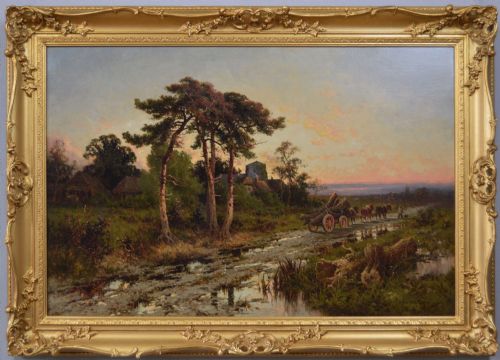
Scenes of agricultural labour, livestock, and logging carts also feature prominently across the available works.
How should I frame and display works on paper?
Works on paper require conservation framing with acid-free mounts to prevent chemical damage over time. Glazing protects the delicate medium from airborne pollutants, dust, and handling.
Display the piece away from direct sunlight to preserve watercolours, inks, and pastels from fading.
What is the difference between watercolour and pastel landscapes?
Watercolours utilise transparent pigment washes layered on paper to build light and form. Pastels consist of dry pigment sticks that create opaque, velvety surfaces with rich colour blending.
Pastel works generally demand more secure glass separation to prevent the loose pigment from dusting against the glazing.