
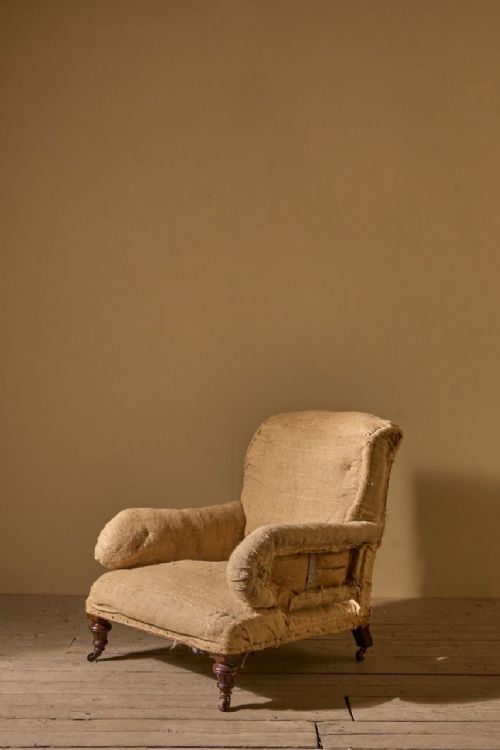
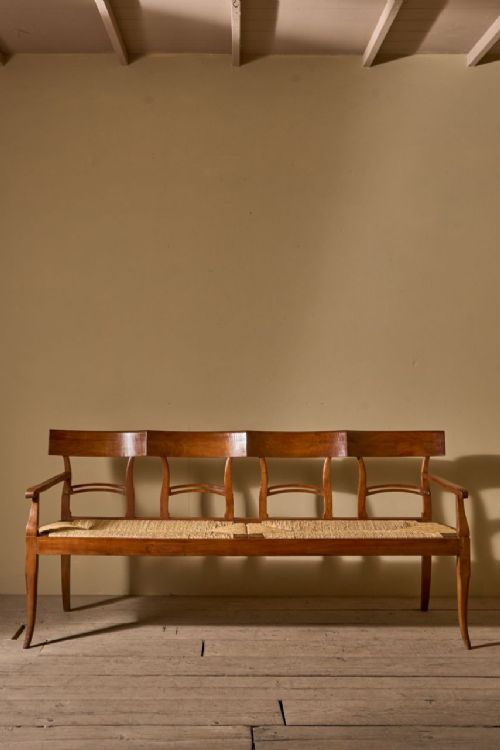
Antique Country Seat Chairs
These antique country seat chairs combine honest regional joinery with timber that shows decades of daily use.
Antique Country Seat Chairs
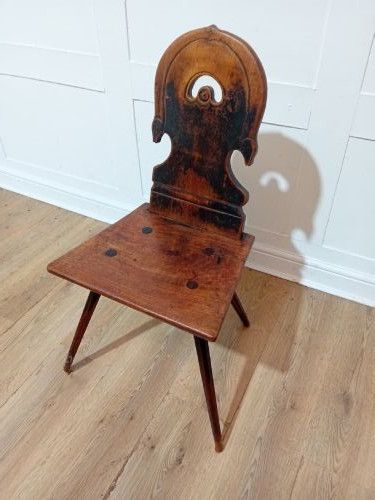
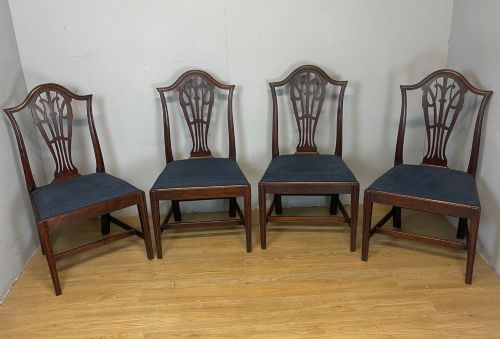
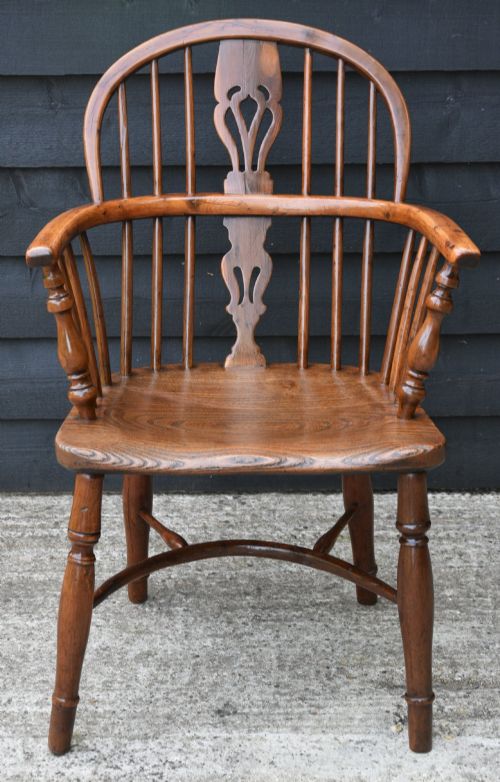
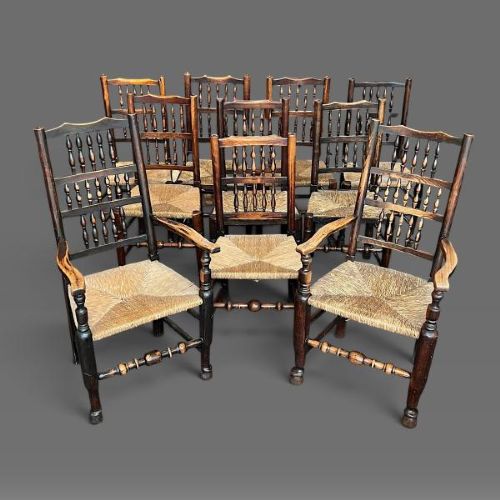
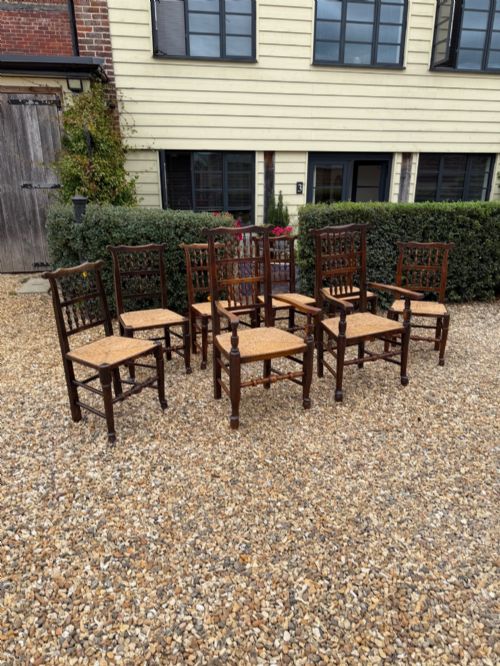
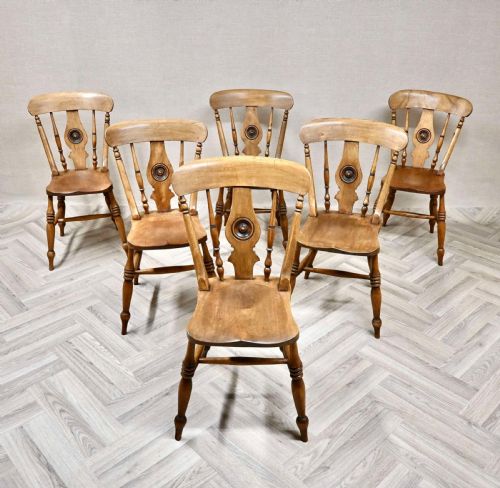
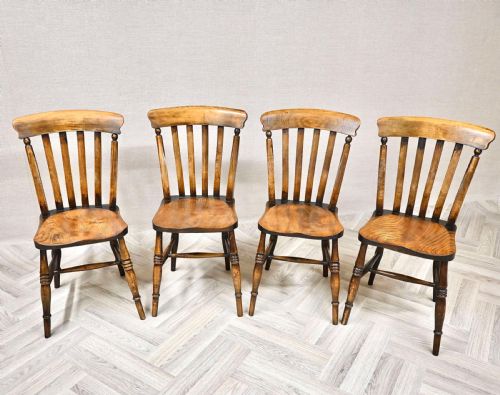
Antique country seat chairs encompass practical household seating made from local timbers like elm, ash, and oak across the eighteenth, nineteenth, and early twentieth centuries. These sturdy forms include Windsor armchairs, ladderbacks, spindle backs, and kitchen dining chairs intended for hard daily use rather than formal parlours.
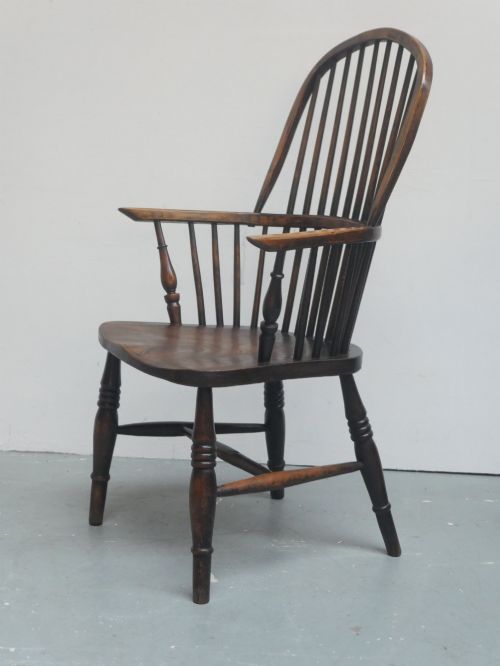
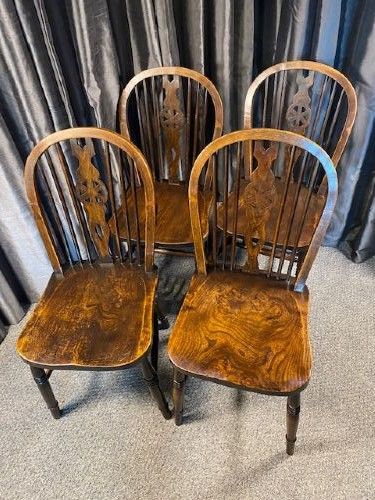
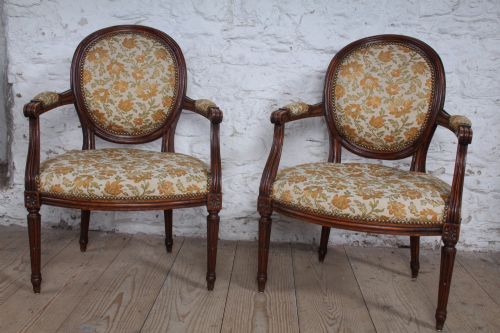
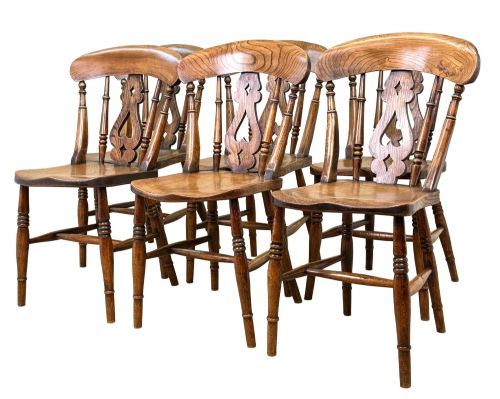
The version most commonly met on this page is the nineteenth-century Windsor chair or farmhouse dining chair, often constructed with an elm seat and beech or ash spindles. Many pieces display regional characteristics from English and French provincial workshops, ranging from simple stick backs to high-backed Windsor designs.
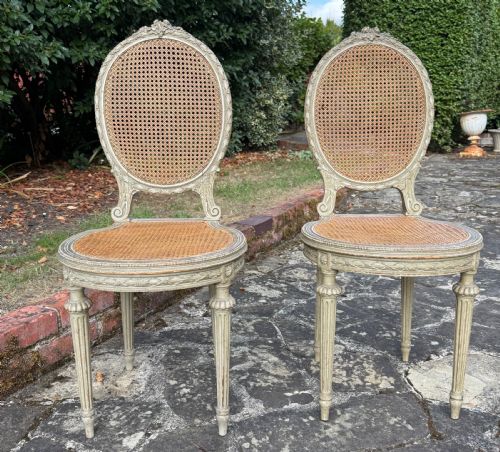
Buyers also encounter children's chairs, rocking chairs, and larger sets of dining chairs featuring rush, timber, or tapestry seats. These pieces derive their character from vernacular traditions rather than strict adherence to metropolitan style guides.
How they were made
Cabinetmakers and rural joiners relied on native hardwoods, pairing dense elm for carved saddle seats with flexible ash or beech for steam-bent bows and spindles. This combination allowed the frame to withstand the stresses of daily sitting without splitting.
Joinery techniques prioritised strength through wedged tenons, mortise joints, and pegged legs driven directly into thick solid seats. Surfaces were often finished with natural wax, original paint, or left to develop a dark patina through decades of handling.
Some provincial makers incorporatedpenny seats, carved by hand to ensure the squire's dinner guest remained comfortably anchored through long courses.
What varies in quality
Quality in these chairs rests upon the balance of proportions, the comfort of the shaped seat, and the integrity of the original timber frame. A superior piece maintains its structural tightness without excessive replacement parts or inappropriate modern adhesives.
The depth of the surface finish and the clarity of the tool marks left by the maker distinguish better examples. Surviving original paint, undisturbed pegging, and an honest, unstripped patina elevate an everyday utility chair into a piece with notable character.
Philip Clissett·Howard And Sons
The Antique Country Seat Chairs Glossary
- Windsor chair
- A chair built with a heavy solid wooden seat into which the legs, back spindles, and bow are separately inserted. This construction creates a resilient frame typical of English and American rural seating.
- Carver
- A traditional term for an armchair, often used to describe larger dining chairs with elbow rests that sat at the head of a table. They frequently match a set of smaller side chairs.
- Rush seat
- A woven seating surface made from dried marsh grasses twisted into cords. This traditional method provides a flexible and supportive base for ladderback and kitchen chairs.
- Lathe back
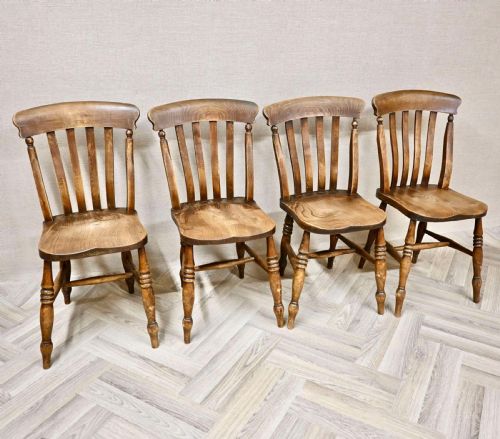
- A chair back featuring flat, shaped vertical slats rather than rounded cylindrical spindles. These slats are often tapered and steam-bent to fit comfortably against the sitter's back.
- Penny seat
- A colloquial term for a small circular depression carved into the wooden seat of a chair to improve comfort. The shape resembles a large coin pressed into the timber.
Antique Country Seat Chairs: Frequently Asked Questions
What is a country seat chair?
A country seat chair is a functional piece of vernacular furniture made in provincial workshops rather than urban cabinet-making hubs. These chairs prioritise sturdy construction and practical comfort using locally available timber.
They reflect the domestic habits of rural homes, farmhouses, and cottages across the eighteenth and nineteenth centuries.
How do I identify a Windsor chair?
A Windsor chair is identified by its thick wooden saddle seat into which all other structural parts are tenoned directly. The back typically consists of steam-bent bows, hoops, or spindles rather than a traditional upholstered frame.
Most examples utilise mixed woods, pairing an elm seat with ash or beech framing for added resilience.
Can I use antique country chairs daily?
These chairs were originally built for heavy daily work in kitchens, farmhouses, and dining rooms. Their robust joinery makes them well-suited for continued everyday use in modern homes.
Checking that the leg joints and seat tenons remain firm ensures the chair can safely support regular sitting.
How do I care for rush and timber seats?
Timber seats benefit from occasional applications of natural wax to nourish the grain and preserve the surface sheen. Rush seats should be kept dry and protected from excessive moisture to prevent the dried grasses from brittle breakage.
Avoiding direct heat sources helps maintain the natural flexibility of both wood and woven plant fibres.