




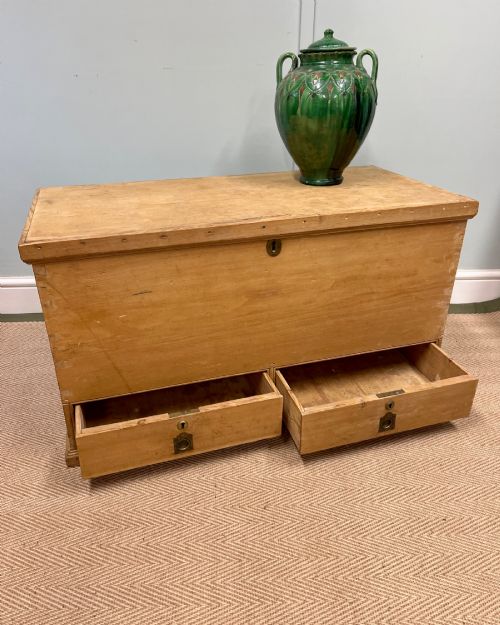
Antique Country Box
An antique country box offers robust, honest storage, shaped by centuries of daily utility in rural homes.
Antique Country Box
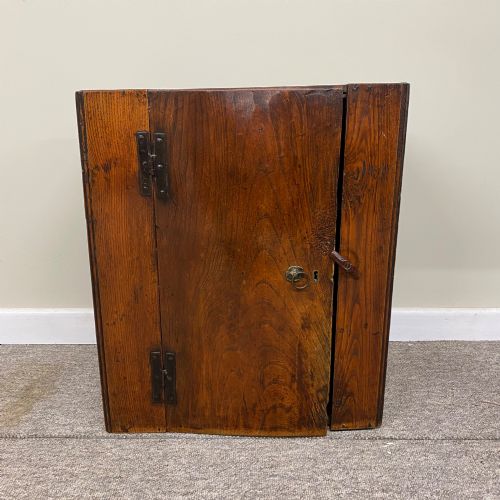
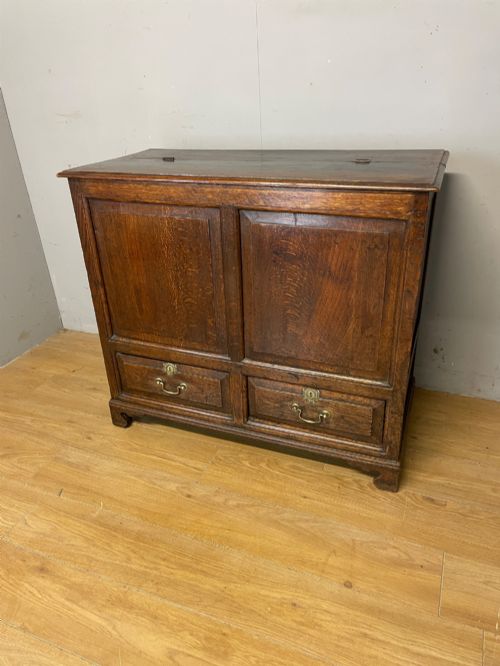
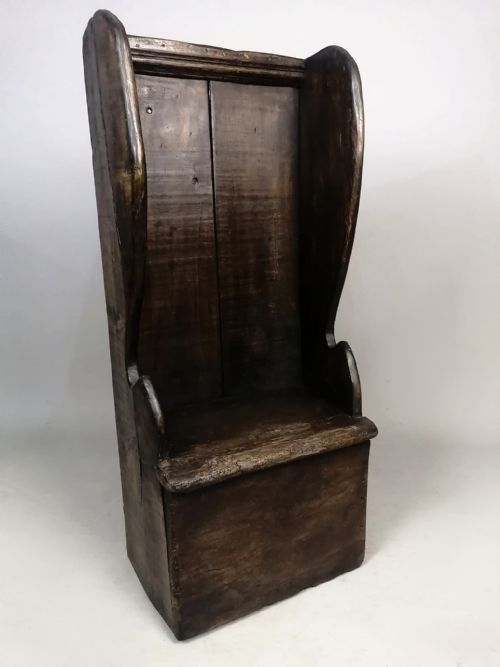
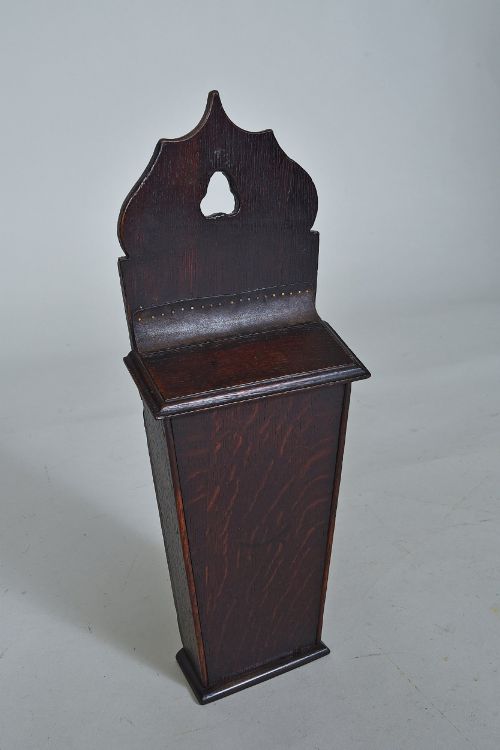
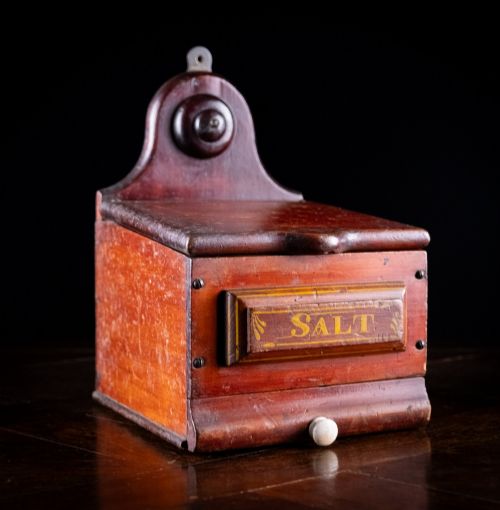
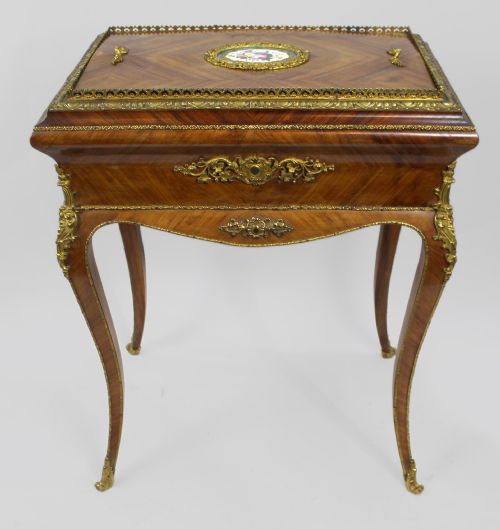
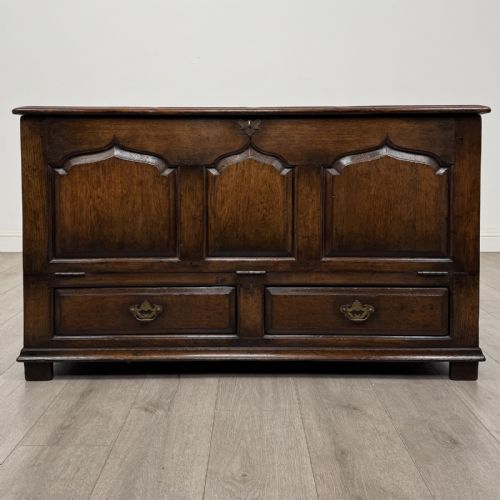
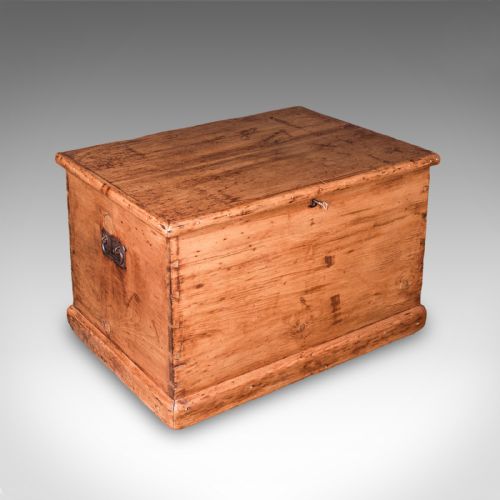
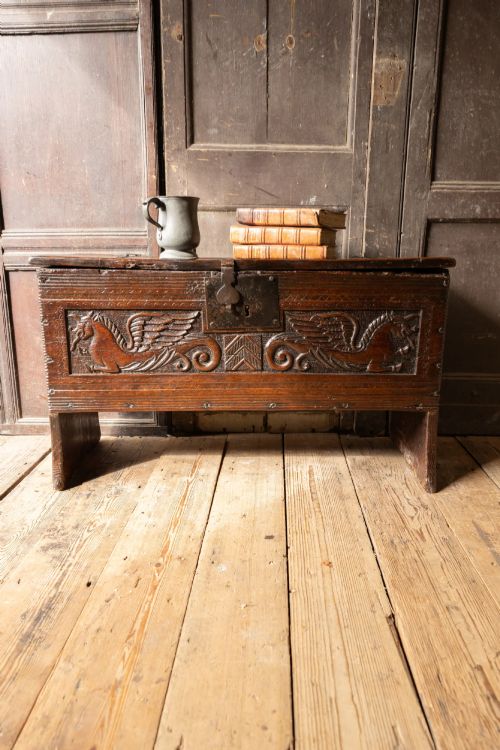
When you search for an antique country box, you encounter a varied selection of functional household containers spanning from the seventeenth century through the Victorian era. The listings here comprise straightforward pine trunks, joined oak coffers, and small wall-hanging salt or candle boxes designed for utilitarian service.
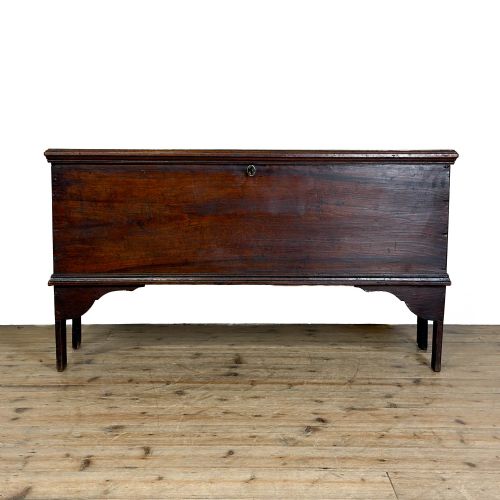
You meet sturdy elm six-plank coffers alongside pine blanket boxes and grain bins, reflecting the rural origins of these pieces. These objects served essential domestic roles, holding provisions, correspondence, or textiles in farmhouses and country houses.
Materials and Construction
Carpenters built these items primarily from native timbers such as oak, elm, and pine, selecting woods that offered durability and local availability. Construction methods relied on straightforward joinery, including boarded planks, pegged joints, and solid hinges forged from iron or reinforced with brass.
Surfaces often display the honest marks of hand tools, alongside original red paint, stain, or simply the rich patina of bare timber polished by handling over generations.
Antique Country Box Retail Price Guide 2026
Typical asking prices for country box among the pieces listed under this phrase on Sellingantiques today, from the lower quarter to the upper quarter. They describe what is for sale here now, not the wider market.
Listings feature practical wooden storage forms spanning from the seventeenth-century Elizabethan era through Victorian times.
Distinctions in Quality
The character of an antique country box depends heavily on the integrity of its timber and the honesty of its surface preservation. Pieces retaining their original hardware, uncompromised boards, and deep handling marks stand apart from heavily restored examples.
Proportion and construction depth separate standard utilitarian items from finer provincial work, where thoughtful edge-moulding or early joinery elevate a humble container into a compelling artefact of domestic history.
The Antique Country Box Glossary
- Cofer
- A large wooden chest with a lid, traditionally used for storing valuables or dry goods. Early examples utilise heavy planking and simple peg construction.
- Mule chest
- A storage chest featuring one or more drawers built into the base beneath the main compartment. This form bridges the evolution between simple coffers and modern drawer chests.
- Salt box
- A small wall-mounted container with a sloping hinged lid designed to keep kitchen salt dry. They frequently feature a backplate with a hole for hanging near a hearth.
- Six-plank coffer
- A primitive chest constructed from six individual pieces of timber joined at the edges. Elm and oak were common choices for this sturdy form.
- Patina
- The deep, lustrous surface sheen developed over centuries through handling, waxing, and exposure to light. It serves as a visual indicator of age and genuine use.
Antique Country Box: Frequently Asked Questions
What is an antique country box used for?
These boxes served practical purposes in rural households, storing essentials like salt, candles, flour, or textiles.
Today, they function well in contemporary homes as versatile storage furniture for blankets, shoes, or papers.
How do I tell an oak coffer from a pine trunk?
Oak is a dense, heavy hardwood that often shows distinct grain patterns and medullary rays, frequently found in seventeenth and eighteenth-century joined pieces.
Pine is a softer, lighter softwood typically utilised for later nineteenth-century trunks and utility boxes, sometimes finished with paint or stain.
Where were country boxes originally made?
Craftsmen built these items in rural workshops, farmhouses, and regional provincial towns using locally sourced native timbers.
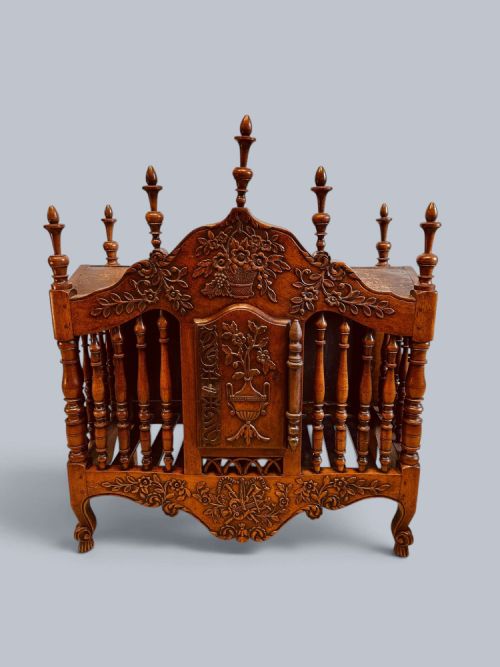
Pieces often reflect the vernacular traditions of specific regions, including English, Welsh, and French provincial styles.
How should I care for an old wooden box?
Keep the timber away from direct heat sources and dramatic humidity shifts to prevent the wood from splitting or warping.
Apply a traditional beeswax polish occasionally to nourish the surface and preserve the historic patina.