



Antique Counter Table
An antique counter table brings industrial scale and practical history directly into a modern interior.
Antique Counter Table
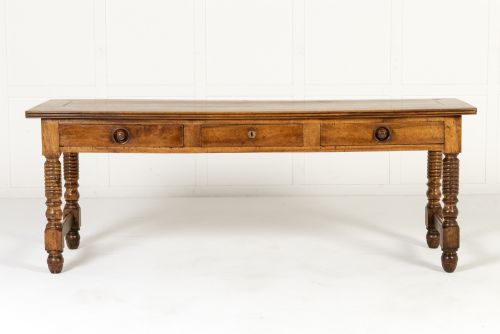
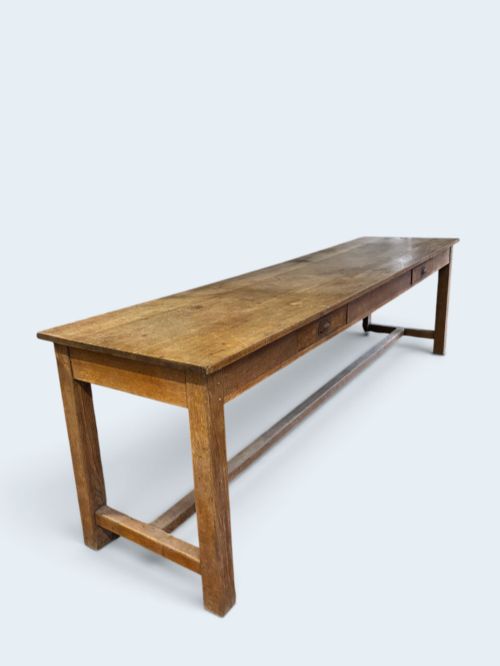
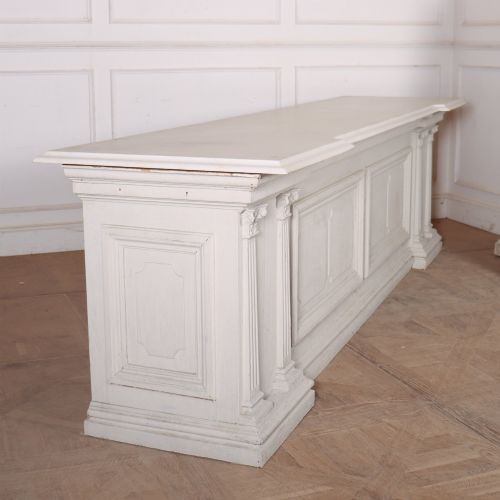
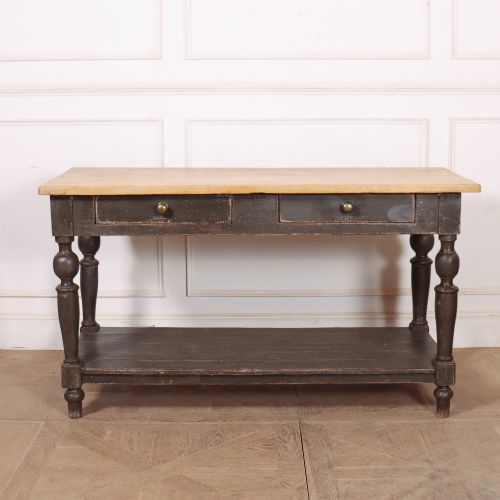
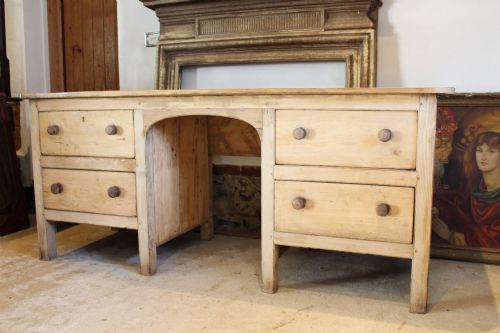
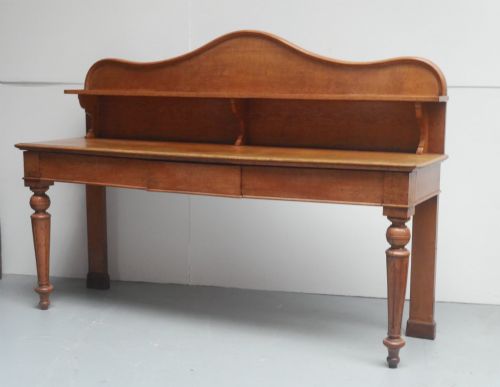
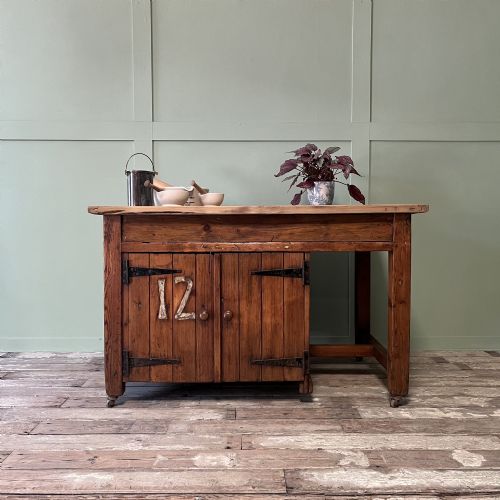
When searching for an antique counter table, buyers encounter utilitarian furniture built for commercial and domestic service. These pieces originate from workshops, draper shops, and kitchens rather than formal parlours.
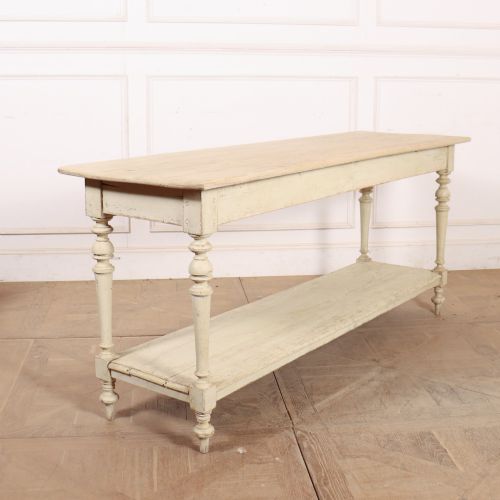
The selections span English, French, and Scottish origins, frequently taking the form of drapers tables, prep tables, and shop counters. Oak, pine, and walnut provide the structural substance for these functional surfaces.
Dating ranges from the Georgian period through the Victorian era and into the early twentieth century. These tables offer generous proportions designed originally for sorting, cutting, or displaying goods.
Materials and Construction
Solid timber construction defines these surfaces, with oak, pine, and mahogany providing heavy, durable frames. Joinery prioritises strength over ornament, utilising thick planks and robust stretchers to withstand daily commercial labour.
Secondary materials like brass, iron, and enamel appear in hardware, handles, and prep inserts. Painted finishes, often historic or stripped to bleached oak, show the utilitarian layers applied during decades of working life.
Antique Counter Table Retail Price Guide 2026
Typical asking prices for counter table among the pieces listed under this phrase on Sellingantiques today, from the lower quarter to the upper quarter. They describe what is for sale here now, not the wider market.
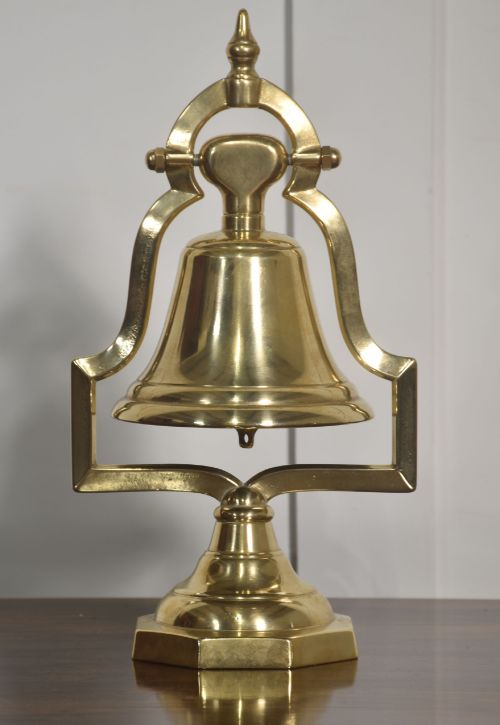
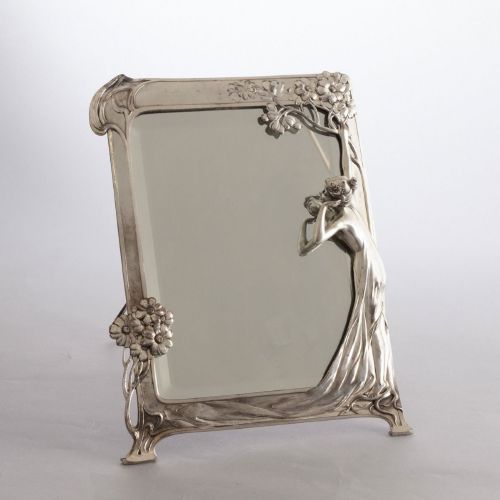
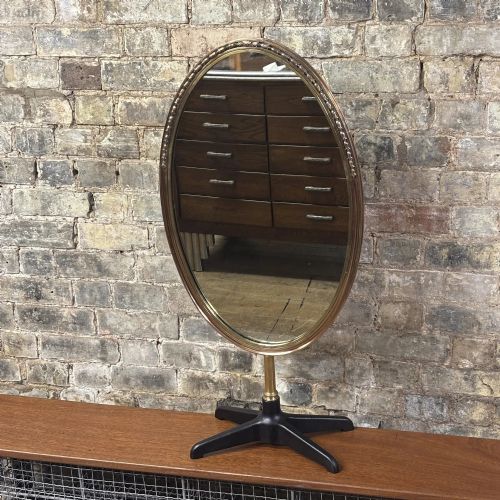
Among the heavy timber counters, unexpected metal novelties appear, including engraved brass table bells and silver cribbage boxes.
Factors of Distinction
The integrity of the original timber surface separates everyday utility from finer examples. Unaltered patination on scrubbed pine or bleached oak reveals decades of honest wear rather than artificial distress.
Proportions and scale dictate value, particularly with monumental lengths or specialised configurations featuring drawers and lower tiers. Original hardware, such as brass pulls or enamel badges, preserves the historical context of the piece.
WMF·Trussant & Cie
The Antique Counter Table Glossary
- Drapers Table
- A long, narrow table historically used in textile shops for measuring and cutting cloth. These typically feature multiple drawers and open lower shelving.
- Prep Table
- A heavy utilitarian table utilised in food preparation or baking, often featuring scrubbed timber tops and robust framing.
- Shop Fitting
- Fixed or freestanding furniture constructed specifically for commercial retail environments. These items display the functional design requirements of nineteenth-century trade.
- Bleached Oak
- Timber treated to lighten its natural tone, a finish commonly found on French utility tables. This process highlights the grain while maintaining structural hardness.
- Patina
- The surface sheen and colour acquired by wood and metal through age and handling. This visual depth results from decades of polishing and everyday friction.
Antique Counter Table: Frequently Asked Questions
What is an antique counter table?
An antique counter table is a heavy-duty piece of utilitarian furniture built for commercial shops, drapery stores, or large kitchens. They are defined by long proportions, sturdy timber construction, and functional storage like drawers.
These tables were made to handle rigorous daily labour rather than display ornamental luxury in a formal room.
How do I use one at home?
These tables function well as kitchen islands, sideboards, or large desks due to their generous surface area and sturdy height. The open lower shelves provide practical storage for baskets, books, or kitchenware.
Placing one in a hallway or living space anchors the room with industrial history and robust materiality.
Are these tables made of solid wood?
Construction relies heavily on solid hardwoods and softwoods such as oak, pine, walnut, and mahogany. Thick planks form the tops to endure heavy weights and constant working use.
Secondary materials like iron and brass appear in structural brackets, handles, and drawer pulls.
How do I date an antique counter table?
Dating relies on examining the timber species, joinery techniques, and overall wear patterns across the frame. Pieces from the Georgian and Victorian eras display hand-cut joints and denser heartwood timbers.
Later examples from the early twentieth century often incorporate simpler construction methods suited for rapid commercial production.