



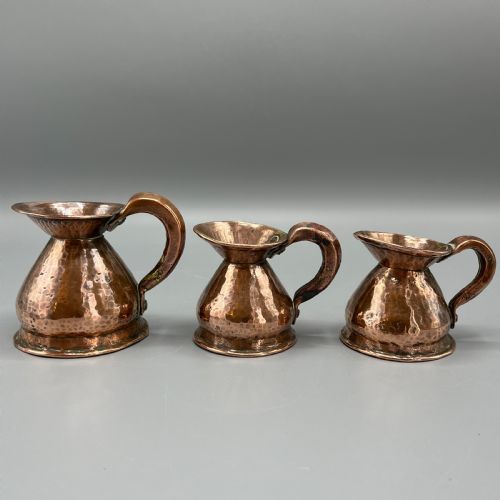
Antique Copper Miniatures
These antique copper miniatures are small-scale works, from kitchenware to oil paintings on metal plates, offering remarkable detail in compact form.
Antique Copper Miniatures
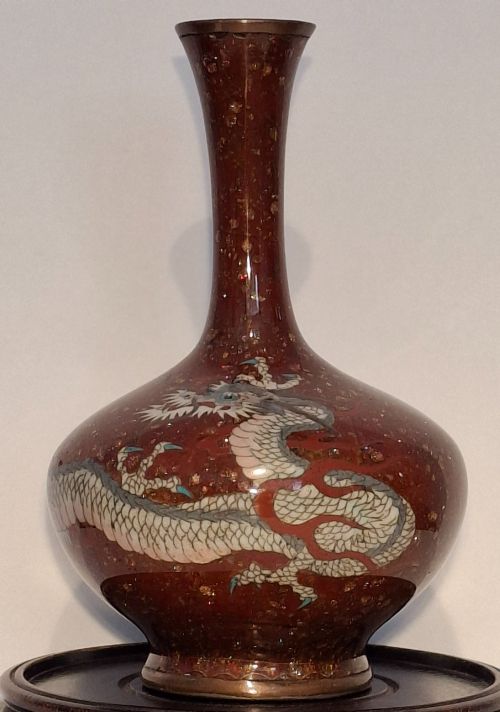
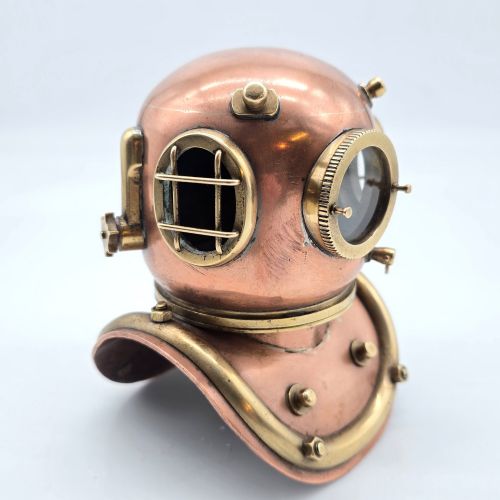
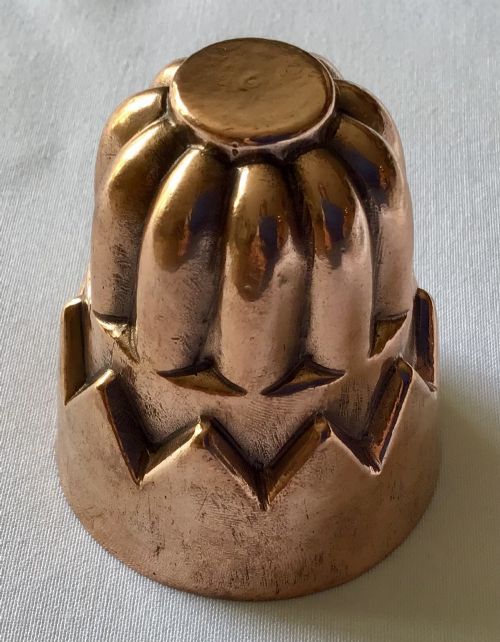
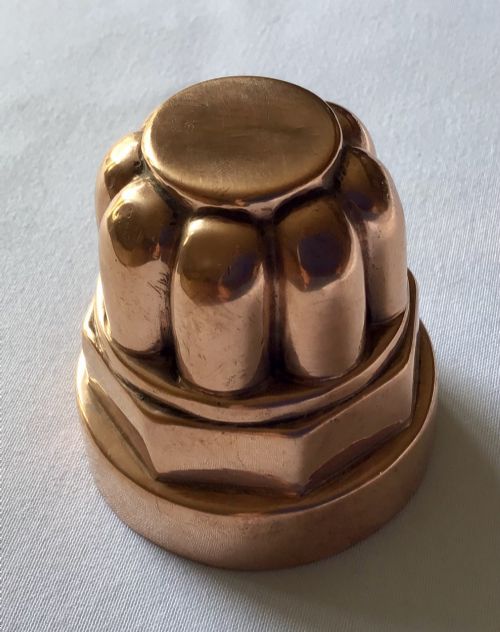
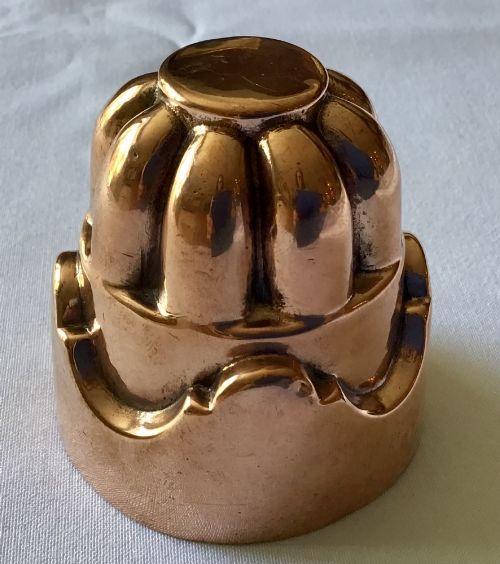
When you search for antique copper miniatures, you encounter a surprisingly varied selection of small decorative and utilitarian objects spanning several centuries. The domestic items take the form of miniature jelly moulds and graduated kitchen jugs, often created as apprentice pieces to demonstrate skill. Alongside these practical shapes appear delicate wall plaques, trinket boxes, and detailed oil paintings executed directly on copper panels.
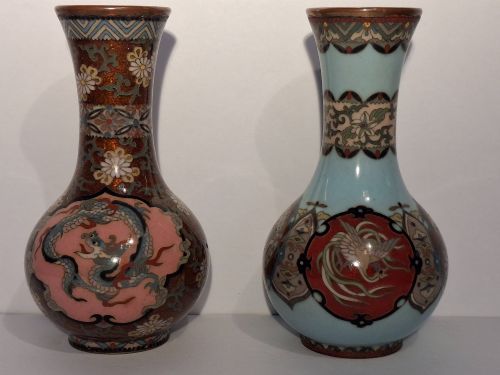
The pieces on this page cross multiple periods, stretching from the seventeenth century through the Georgian era and into the Victorian age. You find English, French, and Asian works sharing space, unified entirely by their diminutive scale and the presence of copper or its close companion metals. Collectors choose them for their intimacy and the sheer concentration of craftsmanship required to work at such a small size.
How they were made
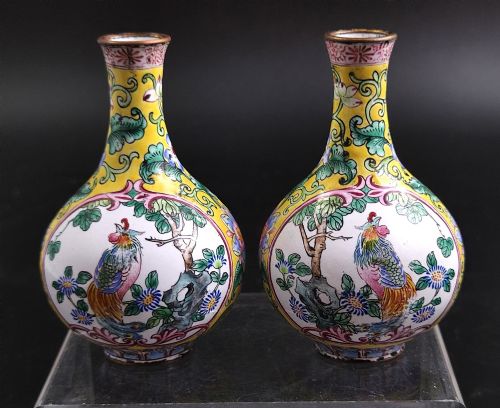
The physical substance of these objects dictates their manufacture, relying heavily on sheet copper beaten, shaped, or used as a stable canvas for fine art. Jelly moulds and miniature jugs demonstrate the metalworker's skill in raising copper and soldering seams neatly, whilst Old Sheffield Plate items combine copper cores with thin layers of silver. Enamel works involve fusing powdered glass to copper bases through intense kiln firing, creating glossy surfaces that retain vibrant colour over centuries.
For the painted miniatures, artists painted in oils directly onto prepared copper sheets rather than canvas or wood panels. This smooth, non-porous ground prevented the paint from cracking and allowed for microscopic precision in portraiture and landscape. Artisans then fitted these panels into bespoke brass frames, snuff boxes, or protective wood surrounds.
Antique Copper Miniatures Retail Price Guide 2026
Typical asking prices for copper miniatures among the pieces listed under this phrase on Sellingantiques today, from the lower quarter to the upper quarter. They describe what is for sale here now, not the wider market.
A tiny steam boiler and engine proves that even Victorian engineering had a miniaturist side.
What varies in quality
Quality in these small pieces rests on the precision of the maker's hand and the preservation of surface detail. In painted works and enamel plaques, the clarity of the brushwork and the smoothness of the fired glaze separate master craftsmen from provincial copyists. Sharpness in moulded kitchenware and crispness in engraved details demonstrate superior workshop standards.
The integrity of the materials also defines the better examples in the range. Original patination, minimal distortion in thin copper sheets, and the absence of heavy repairs preserve the historical value of each piece. When mounts, frames, and bezels remain original to the miniature, the entire object holds greater aesthetic and collector appeal.
The Antique Copper Miniatures Glossary
- Apprentice piece
- A fine example of a craft created by a trainee to prove their skill to a guild. These small vessels often show exceptional care.
- Old Sheffield plate
- A composite material made by fusing a thin sheet of silver to a thicker copper core. It predates electroplating and has a characteristic warm glow.
- South Staffordshire enamel
- Enamel painted on copper manufactured in the English Midlands during the eighteenth century. These pieces usually form snuff and patch boxes.
- Oil on copper
- A painting technique using oil colours applied to a metal sheet. This method provides a durable and smooth surface for portrait miniatures.
Antique Copper Miniatures: Frequently Asked Questions
What are antique copper miniatures?
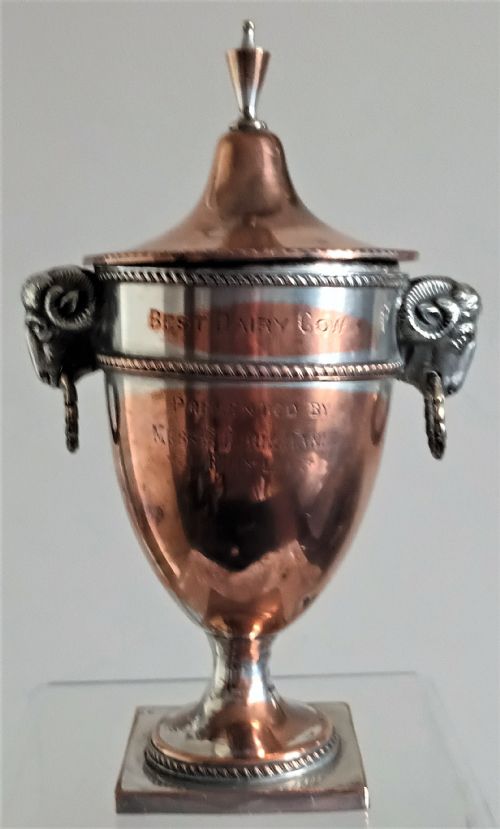
These items are small-scale decorative and functional objects made from or built upon copper. They include kitchen moulds, painted portraits, enamel plaques, and metal urns.
Most date from the seventeenth, eighteenth, and nineteenth centuries, reflecting diverse European and Asian traditions.
How were copper miniatures used?
Kitchen miniatures like jelly moulds and graduated jugs served as practical kitchenware or training pieces for metalworkers. Other items functioned as personal accessories, including snuff boxes and pocket-sized painted portraits.
Wall plaques and small paintings were designed for intimate domestic display in studies and parlours.
How do I care for copper miniatures?
Keep these pieces in stable indoor conditions away from direct moisture to protect exposed metal and delicate enamels. Avoid harsh metal polishes that remove historic patination and wear down thin surfaces.
Dust gently with a dry, soft cloth to maintain their appearance without causing damage.
How are periods told apart?
Stylistic clues and manufacturing techniques help distinguish between centuries of production. Seventeenth and eighteenth-century pieces often feature hand-hammering and distinct portrait styles, while Victorian items show industrial advancement.
Materials like Old Sheffield Plate and specific enamel types point directly to Georgian workshop methods.