




Antique Copper Lid
An antique copper lid usually tops a vessel like a Georgian pot, a Victorian saucepan or a log bin, bringing warmth and weight to a room.
Antique Copper Lid
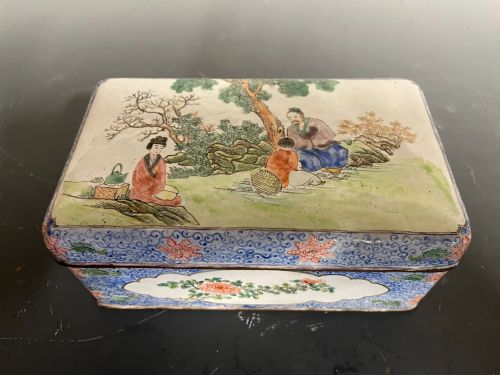
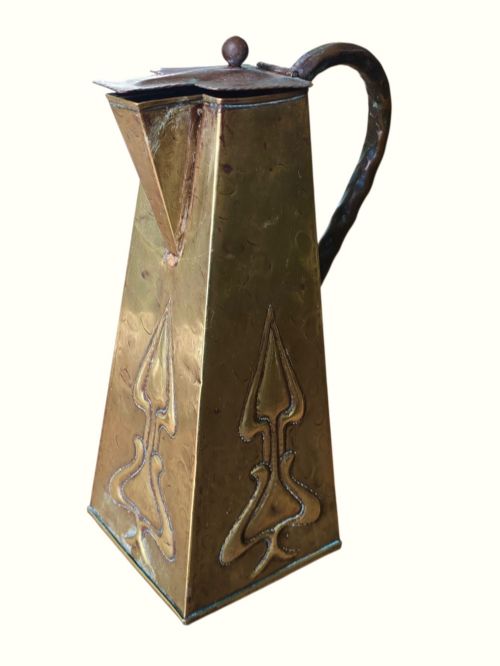
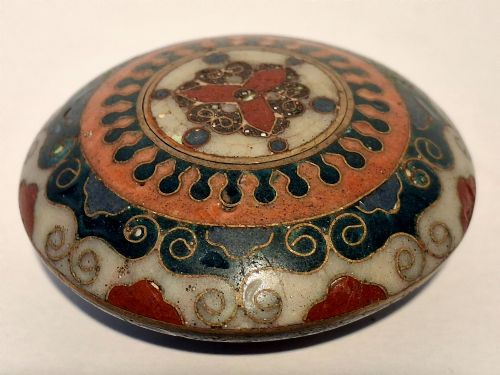
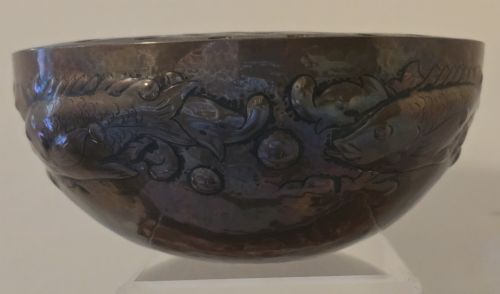
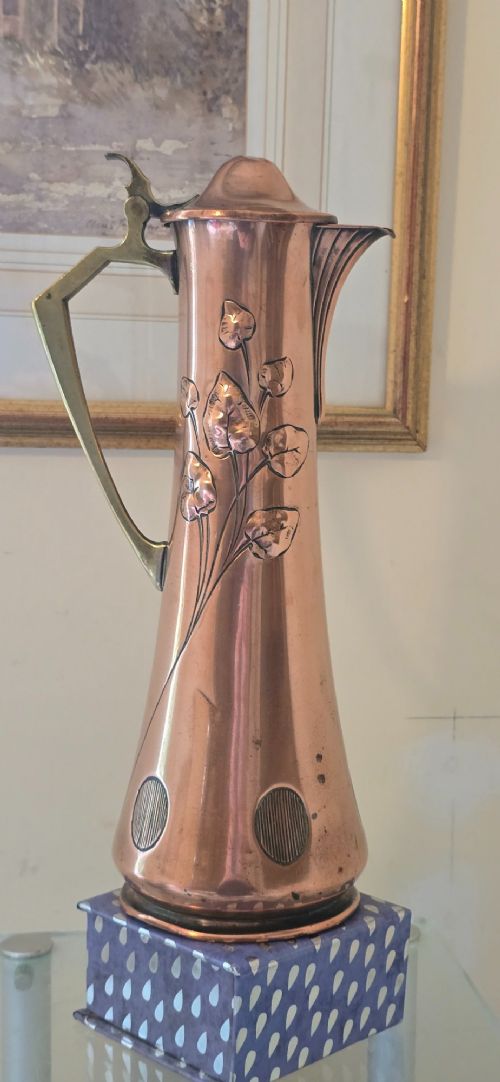
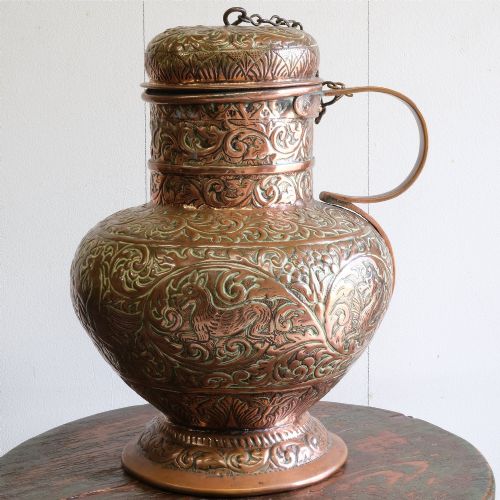
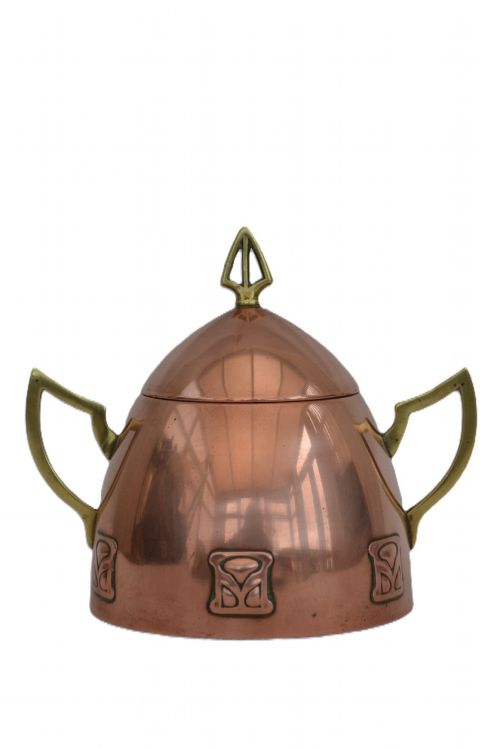
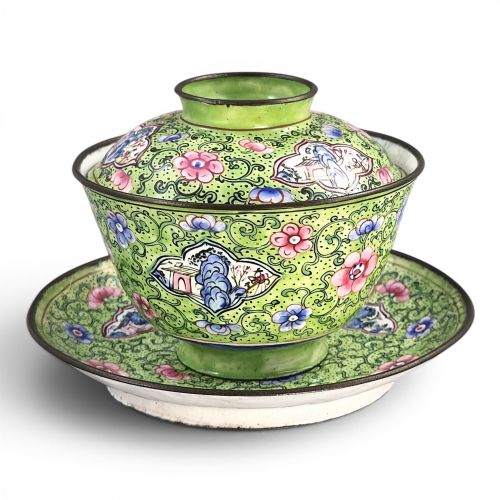
When you search for an antique copper lid, you encounter various items ranging from small enamel patch box tops to large lidded pots and log bins. The selection includes domestic kitchenware, tableware, and decorative containers originating from the eighteenth century through to the early twentieth century. These pieces reflect diverse styles such as Georgian, Victorian, Art Nouveau, and Arts and Crafts.
The most common items meeting this search are heavy domestic kitchen vessels, ewers, and storage bins where the original metal lid survives alongside the base. Many listings combine the cover with a jug, saucepan, or bucket, though individual lids and box tops also appear. Their origins span English workshops, European makers, and Asian decorative arts.
How they were made
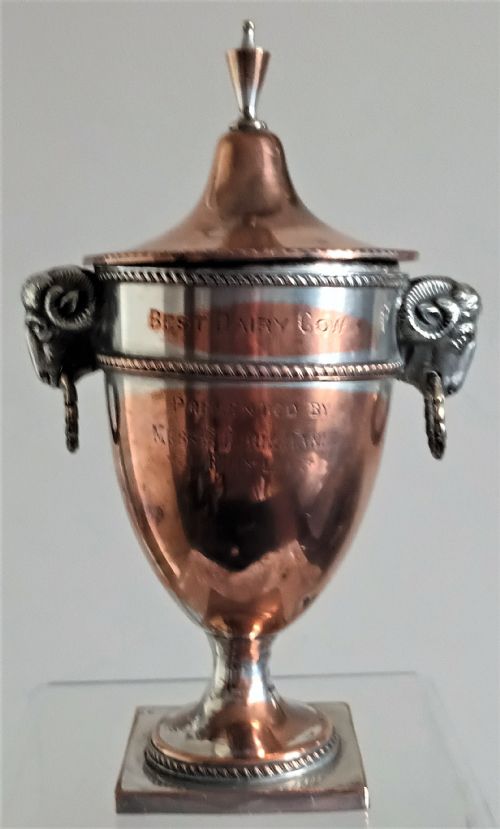
The primary metal utilised across these items is copper, often paired with brass fittings, iron frames, or wrought iron handles for structural support. Many pieces employ Old Sheffield Plate or silver plating over a base metal, while others incorporate enamel work, cloisonne enamel, or gilding and engraving.
Techniques range from hand-beating and raising heavy sheet metal in eighteenth-century vessels to the fluid floral relief designs typical of Art Nouveau production. Makers utilised specialised casting, plating, and enamelling methods depending on whether the object served a utilitarian kitchen purpose or a decorative parlour role.
Antique Copper Lid Retail Price Guide 2026
Typical asking prices for copper lid among the pieces listed under this phrase on Sellingantiques today, from the lower quarter to the upper quarter. They describe what is for sale here now, not the wider market.
The listings span from the eighteenth century to the early twentieth century, incorporating materials like copper, brass, enamel, and Old Sheffield Plate.
What varies in quality
Quality separates through the integrity of the metalwork, the weight of the material, and the survival of original matching components. Items featuring hand-raised heavy gauge copper and crisp relief ornamentation stand apart from lighter production.
The presence of maker marks, integrated brass hardware, and untouched original patination elevate an example. Pieces that retain their matching pierced lids or frames show superior preservation compared to adapted or mismatched assemblies.
Newlyn Copper·WMF·Joseph Sankey·Harrods
The Antique Copper Lid Glossary
- Old Sheffield Plate
- A composite material made by fusing a thin sheet of silver to a thicker copper base. This technique was widely utilised before the invention of electroplating.
- Cloisonne
- A decorative metalwork technique where enamel paste is applied within compartments created by soldered wire on a metal body.
- Log Bin
- A large container designed for storing firewood near a hearth, often constructed from heavy copper with iron frames and fitted lids.
- Ewer
- A large pitcher with a flared spout and handle, used historically for pouring water rather than drinking.
Antique Copper Lid: Frequently Asked Questions
How do I clean an antique copper lid?
Most collectors prefer to leave an aged patination undisturbed rather than polishing the metal to a bright shine. Gentle dusting with a dry cloth is usually sufficient for maintenance.
Harsh chemical cleaners strip away historical character and can damage underlying silver plating or enamel work. Preservation of the natural surface oxidation remains the standard approach.
Were these lids always made for kitchens?
While many copper covers belong to utilitarian saucepans, cauldrons, and water jugs, others served decorative or ceremonial functions. Items like chestnut urns, log bins, and tea sets belonged in parlours and dining rooms.
Domestic kitchenware was built for heavy daily use, whereas decorative pieces prioritized aesthetic styles such as Art Nouveau or Arts and Crafts.
How can I tell the period of a copper lid?
Dating relies on stylistic markers, manufacturing techniques, and the associated vessel type. Eighteenth-century examples often display simpler hand-beaten forms or Old Sheffield Plate, while nineteenth-century pieces frequently show Victorian heft.
Turn-of-the-century items commonly exhibit Art Nouveau botanical motifs or Arts and Crafts hammered textures. Comparing the construction methods with documented maker styles helps confirm the era.
Can I use an antique copper pot for cooking today?
Historic copper vessels often lack modern protective linings and may contain trace metals unsuited for food preparation. Many surviving items function better as decorative display pieces or dry storage containers.
Evaluating the interior condition is essential before attempting any culinary use. Most collectors choose to exhibit these pieces rather than risk damaging their historic surfaces.