



Antique Copper Furniture
These pieces of antique copper furniture bring warmth and metalwork detail to a room, driven largely by Arts and Crafts design.
Antique Copper Furniture
When you search for antique copper furniture, you encounter items where metal meets timber, predominantly through the lens of Arts and Crafts and related turn-of-the-century movements. The pieces span occasional tables, sideboards, and umbrella stands, often combining functional timber frames with metal panels.
The selection on this page relies heavily on oak and mahogany foundations, paired with beaten or inlaid copper elements. Items date from the nineteenth century through to the nineteen-thirties, reflecting periods such as Victorian and Edwardian craftsmanship alongside revival styles.
How they were made
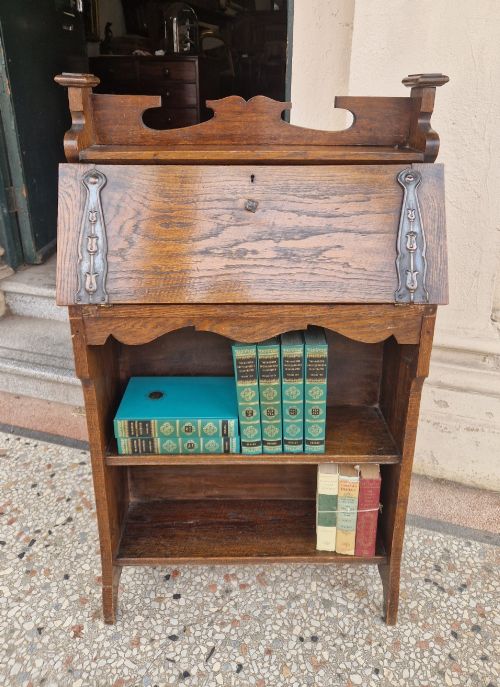
Makers utilised solid timbers such as oak and mahogany for structural frames, cabinets, and tables. These wooden carcasses provide the robust support required for heavier metal additions.
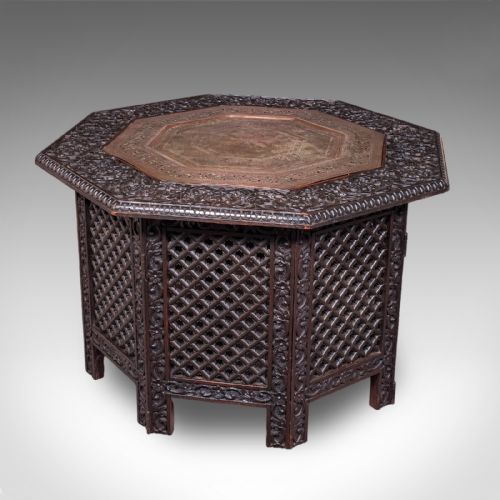
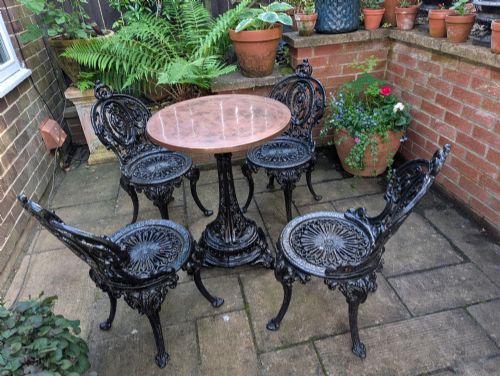
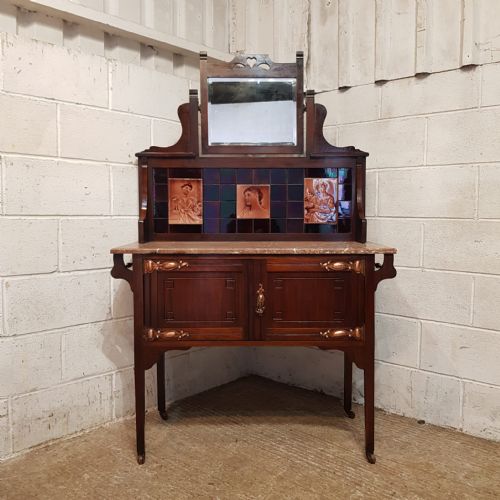
Copper appears as beaten, embossed panels inset into wood, or as engraved tops on occasional tables, frequently complemented by brass, white metal, and cast iron details.
Antique Copper Furniture Retail Price Guide 2026
Typical asking prices for copper furniture among the pieces listed under this phrase on Sellingantiques today, from the lower quarter to the upper quarter. They describe what is for sale here now, not the wider market.
Keep your umbrella dry inside a heavy oak hall stand while admiring the gleam of its original beaten metal panels.
What varies in quality
The depth and crispness of the hand-beaten or embossed metalwork separate simpler output from finer workshops. Sharp relief on copper panels and clean joinery in the timber carcass indicate superior execution.
The integration of materials also defines the grade, where flush inlays and well-fitted metal tops demonstrate a higher standard of construction than basic surface mounting.
Shapland and Petter
The Antique Copper Furniture Glossary
- Arts and Crafts
- A design movement valuing handcraft and natural materials over mass production. It heavily influences the oak and copper items found in this category.
- Cairo ware
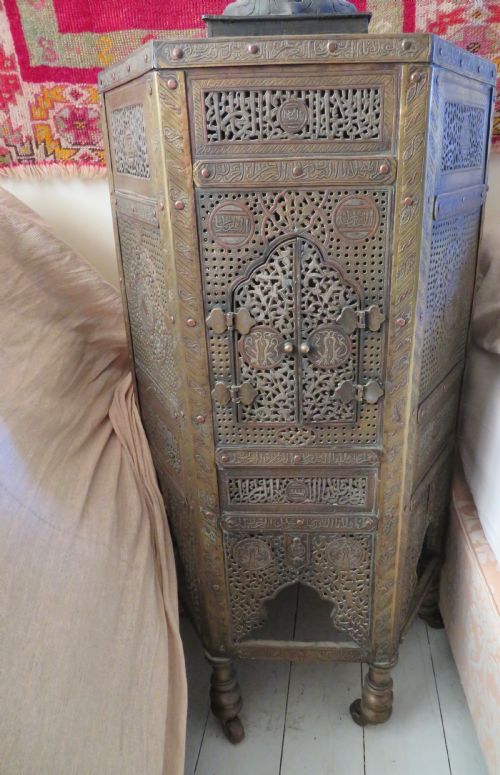
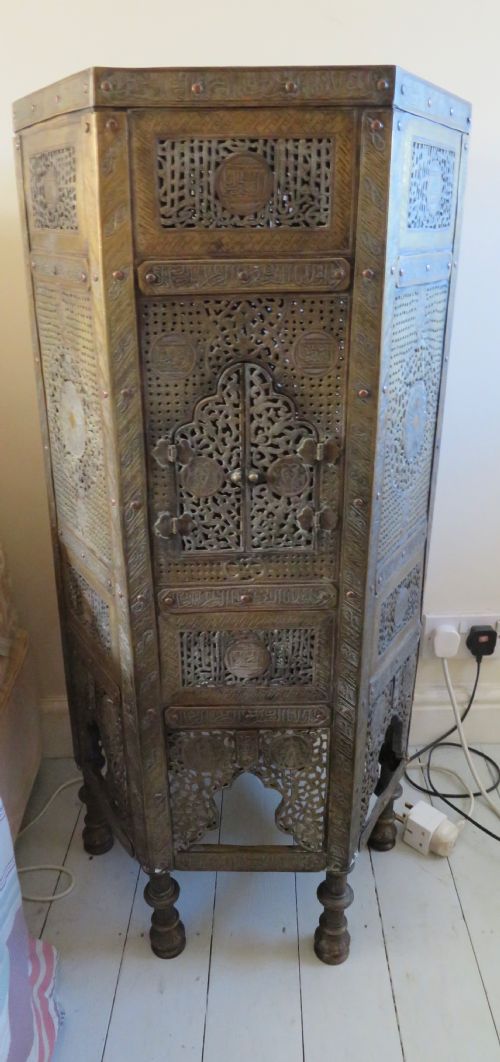
- Metalwork featuring intricate silver and copper inlay on brass grounds, often seen in hexagonal occasional tables known as kursi. These pieces reflect Middle Eastern decorative traditions.
- Brasero
- A traditional heating brazier, typically featuring a metal bowl within a stand. Spanish examples often combine deep metal vessels with ornate stands.
- Cricket table
- A small, three-legged occasional table of sturdy construction. Versions here incorporate timber frames with copper tops.
Antique Copper Furniture: Frequently Asked Questions
What is Cairo ware furniture?
Cairo ware items are decorative metal tables and stands featuring inlaid copper and silver upon brass surfaces. They originate from Middle Eastern craft traditions.
These pieces function as striking occasional tables or Quran stands, bringing intricate geometric patterns into interior spaces.
How do I clean copper panels?
Copper panels on furniture require gentle dusting and occasional light cleaning to preserve their natural surface character. Avoid harsh chemical polishes that strip away age.
Maintaining the patina ensures the metal retains the warm tone intended by the original maker.
What woods were used?
Cabinet makers predominantly employed oak and mahogany for structural elements like sideboards, cabinets, and umbrella stands. These dense timbers supported heavy metal inlays.
Golden oak and dark mahogany dominate the framing materials across the Arts and Crafts pieces.
Where does the metal feature?
Metal appears as beaten and embossed panels inset into wooden cabinet doors, log boxes, and sideboard fronts. It also forms standalone table tops.
These copper surfaces showcase hand-working techniques typical of late nineteenth and early twentieth-century design.