


Antique Copper Folk Art
These antique copper folk art pieces bring industrial grit and rural character into a modern room, shaped by hands over a century ago.
Antique Copper Folk Art
When you search for antique copper folk art, you encounter utilitarian objects and architectural elements transformed by regional makers into striking display pieces. The selections on this page span the nineteenth century, the Edwardian era, and the early twentieth century, reflecting diverse origins from English workshops to Dutch farms and Japanese interiors.
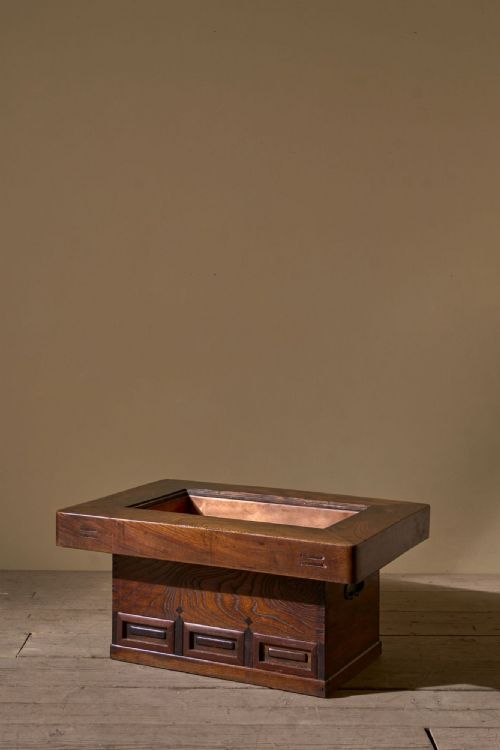
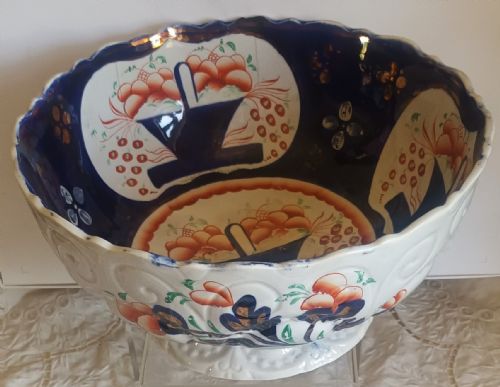
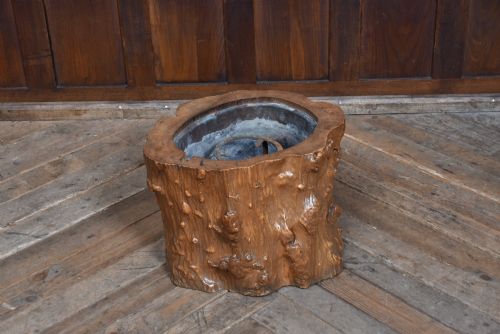
The most common forms you meet here include copper weather vanes depicting cockerels, alongside trade signs, milk churns, and sculptural models such as a copper smelting furnace diorama. Alongside these metalworks, the listings encompass related vernacular items including wooden hibachi tables, earthenware bowls, and pottery jugs.
Geographic styles range from British Victorian folk art and industrial pieces to Dutch household items and Japanese Mingei objects. Each piece relies on durable base materials designed for daily use, which now function as sculptural focal points in contemporary interiors.
Materials and construction
The makers of these pieces utilised sheet and cast copper, frequently combining the metal with iron, brass, wood, and stone to ensure structural stability. Weather vanes and trade signs relied on hammered and joined copper plates designed to withstand decades of exposure on roofs and storefronts.
Vessels and utilitarian containers incorporate riveted seams and soldered joints, while ceramic elements such as earthenware and copper lustre pottery demonstrate traditional glazing and firing techniques. Wooden components in tables and hibachis feature joinery suited to daily utility rather than decorative display.
Several copper cockerel weather vanes stand ready to point into the wind, though none of them have seen a live farmyard in a century.
Evaluating quality and character
Quality in these pieces rests on the directness of the maker's hand and the integrity of the original construction rather than factory precision. Superior examples display confident hammering, balanced proportions, and functional weathering that enhances the surface rather than obscuring the form.
The distinction between standard utility items and finer folk art lies in sculptural ambition, particularly in the expressive modelling of figures like cockerel weather vanes or the intricate detail found in architectural dioramas. Patina also dictates value, where natural oxidation and honest surface wear reveal the object's age and history of use.
The Antique Copper Folk Art Glossary
- Weather vane
- An outdoor instrument mounted on a roof to show wind direction, typically featuring a silhouette figure such as a cockerel. These functional objects formed a prominent part of vernacular architecture.
- Folk art
- Utilitarian or decorative items created by self-taught or traditional makers working outside academic art traditions. These pieces prioritize practical utility and regional character over high-style academic conventions.
- Mingei
- Japanese folk craft objects produced by unknown artisans for everyday use. The aesthetic celebrates unpretentious utility and natural materials.
- Copper lustre
- A type of pottery glazed with a thin metallic film that produces a reflective, iridescent copper sheen. It was popular in nineteenth-century British households.
- Hibachi
- A traditional Japanese heating device or small brazier, often set into a wooden table frame. They demonstrate the integration of metalwork and cabinetry.
Antique Copper Folk Art: Frequently Asked Questions
What is antique copper folk art?
These pieces comprise utilitarian metalwork and vernacular objects created by regional craftsmen during the nineteenth and early twentieth centuries. They encompass architectural ornaments, trade signs, and domestic vessels shaped by local traditions.
Items range from large roof weather vanes to small models and household containers, reflecting both British, Dutch, and Japanese domestic and industrial life.
How were copper weather vanes used?
Makers mounted these sculptural indicators on the highest points of barns, steeples, and commercial buildings to track wind direction. Their bold silhouettes served as both practical navigation tools and visual markers for properties.
Over decades of exposure to the elements, the copper developed distinct surface patinas while remaining structurally sound against gales and rain.
How do I clean antique copper?
You should generally leave the surface undisturbed to preserve the historic patina and natural oxidation built up over generations. Aggressive polishing strips away the aged character that defines these pieces as genuine antiques.
Dusting with a dry, soft cloth is sufficient for routine maintenance, keeping the metal stable without altering its historical appearance.
How do I date these pieces?
Dating relies on stylistic markers, construction methods, and materials characteristic of specific periods like the Victorian era or the early twentieth century. Rivet styles, soldering techniques, and mounting brackets often provide clues to an object's age of manufacture.
Comparative study of known trade catalogues and regional maker habits helps narrow down the decade in which an item was shaped.