


Antique Copper Ash Container
An antique copper ash container brings warmth and practical metalwork into a room, taking the form of sturdy coal buckets, scuttles, and cauldrons.
Antique Copper Ash Container
An antique copper ash container is primarily found in forms such as coal scuttles, coal buckets, and hearthside cauldrons that served functional roles beside the fireplace. The pieces encountered here span the Victorian era, the Edwardian period, and the George III era, alongside the distinct aesthetics of the Arts and Crafts and Art Nouveau movements.
The most common version meeting the buyer on this page is the Victorian copper coal bucket or helmet scuttle, often bolstered by brass and wrought iron details. These items were designed to hold coal or transport ash near the hearth, combining durability with functional metalwork.
Materials and construction
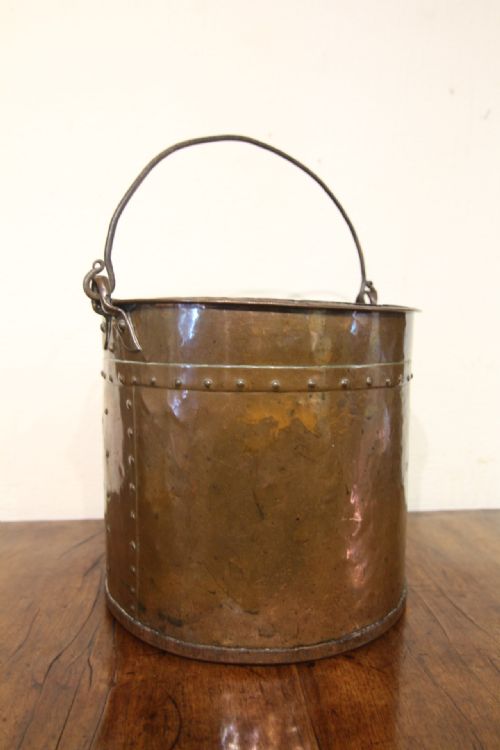
Copper forms the primary body of these containers, frequently shaped into riveted sheets or helmet forms that display the hammer marks and joins of the metalworker. Brass and wrought iron appear in handles, rims, and fixings, offering contrasting tones and structural reinforcement.
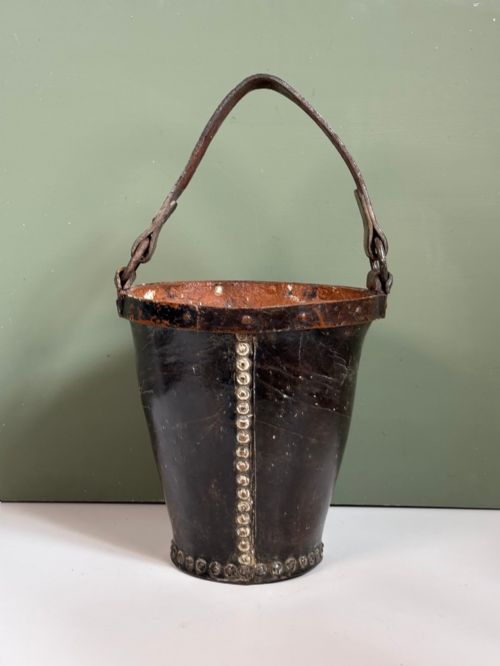
Alternative materials such as boiled leather and iron appear within the period listings, showing the diverse methods used to create rigid vessels for hearthside use. Wood also contributes to handles and accents, completing the construction of these domestic metal objects.
Listings here feature items spanning the 19th Century, Victorian period, Edwardian era, and George III period, constructed from copper, brass, iron, and boiled leather.
Assessing quality and finish
Quality in an antique copper ash container rests on the integrity of the construction, visible in the neatness of the copper riveting and the sturdiness of the wrought iron handle. Thicker gauge metal and well-fitted brass mounts elevate a piece above standard utility items.
Design expression separates basic utilitarian vessels from those influenced by the Arts and Crafts or Art Nouveau movements, where thoughtful shaping of the copper and refined handles demonstrate greater artisan involvement.
The Antique Copper Ash Container Glossary
- Coal scuttle
- A container designed for holding coal, often featuring a sloped helmet shape and a hinged handle for easy pouring.
- Cauldron
- A large round metal pot with a handle, used historically over open fires or hearths for various domestic tasks.
- Riveted
- Joined together using metal pins that are hammered flat, commonly seen on nineteenth-century copper buckets for structural strength.
- Wrought iron
- Tough, malleable iron worked by hammering, frequently utilised for the sturdy handles attached to these copper vessels.
- Boiled leather
- Leather hardened by immersion in hot water or wax, forming a rigid material used for period bucket construction.
Antique Copper Ash Container: Frequently Asked Questions
What was a copper ash container used for?
These vessels served near the fireplace to hold coal for the fire or to store and transport ash safely away from the hearth. Their robust construction allowed them to handle heavy fuel daily.
Over time, many of these utilitarian containers transitioned into decorative interior pieces used for holding logs or displaying dried plants.
How do I identify a Victorian copper scuttle?
Victorian examples often feature characteristic helmet shapes, visible copper rivets, and sturdy brass or wrought iron handles. The metal frequently displays a deep, warm tone acquired through age and use.
Looking at the construction details, such as hand-hammered seams and nineteenth-century styling, helps confirm the period of origin.
Are Arts and Crafts copper buckets different?
Arts and Crafts pieces emphasise simpler, honest forms with visible construction details like hand-hammered surfaces and exposed rivets. They reflect a design philosophy focused on traditional craftsmanship rather than mass production.
These buckets often have clean circular shapes and unpretentious brass or iron mounts that showcase the natural qualities of the copper.
How should I clean an antique copper container?
Most collectors prefer to leave a natural, aged patina on antique copper rather than polishing it to a bright shine. Gentle dusting and occasional soft wiping help preserve the historic surface.
Using harsh chemical cleaners can strip away the authentic character and darker tones developed over more than a century.