




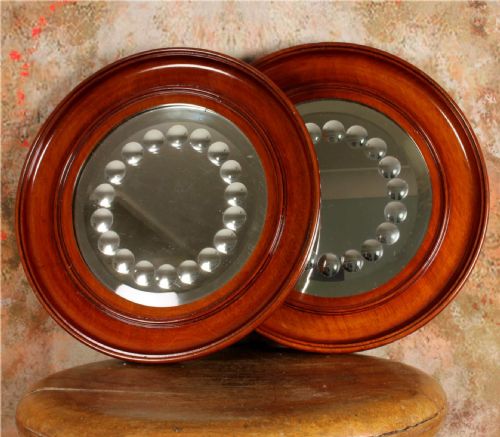
Antique Convex Frame
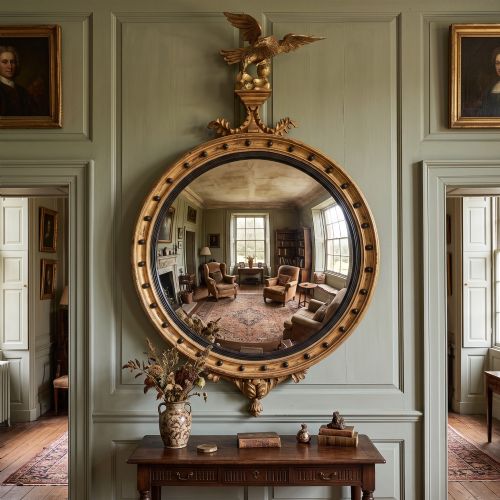
An antique convex frame draws the eye immediately, curving the room back into the glass to create a dramatic focal point.
Antique Convex Frame
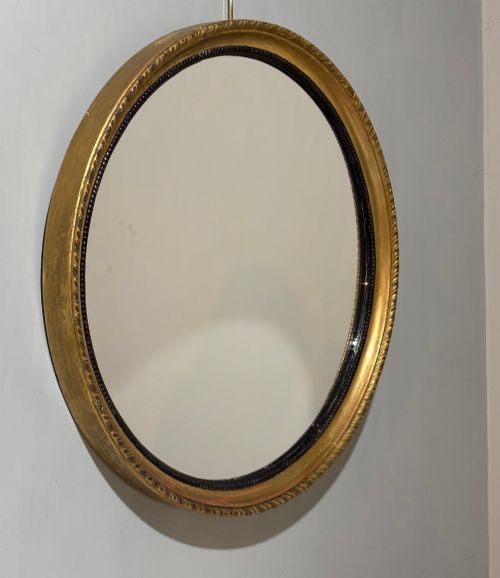
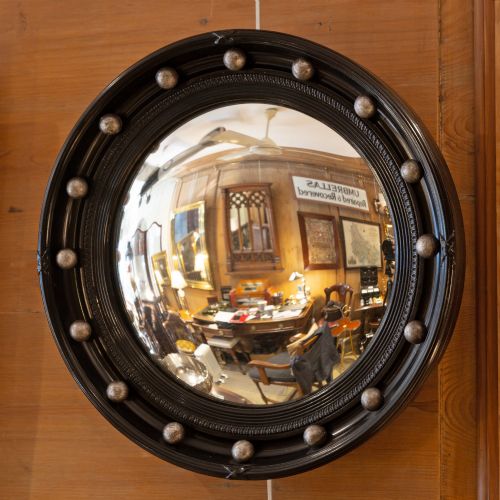
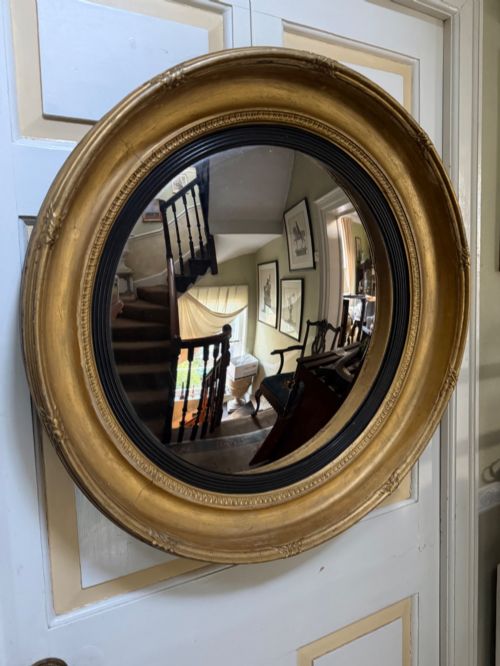
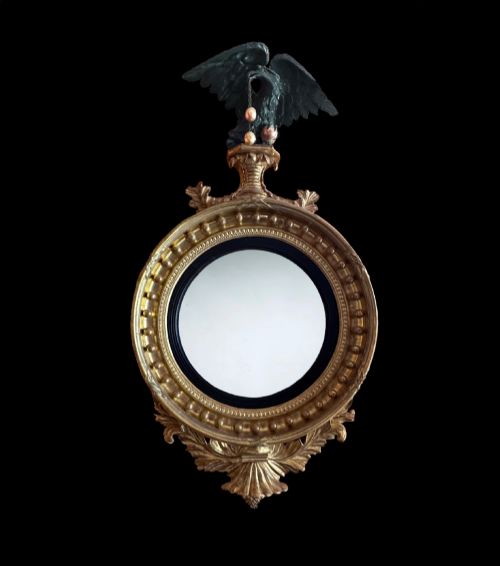
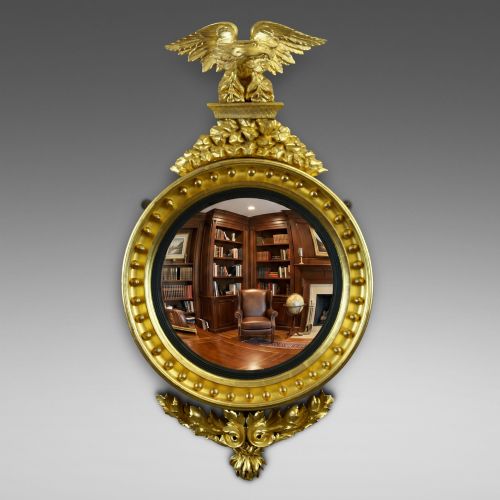
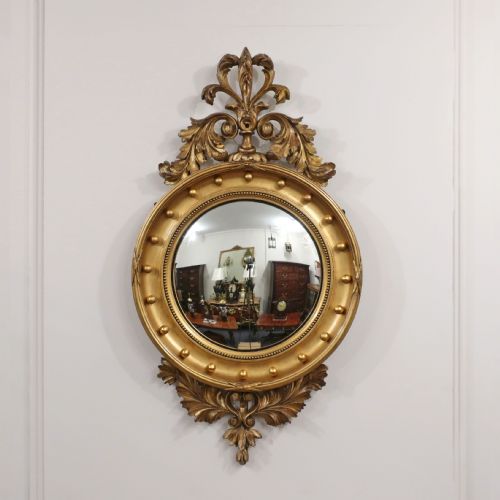
When you search for an antique convex frame, you encounter circular wall mirrors and round wall art designed to distort and reflect interiors in miniature. The version you are most likely to meet on this page is a giltwood circular mirror originating from the Regency period or the 19th Century.
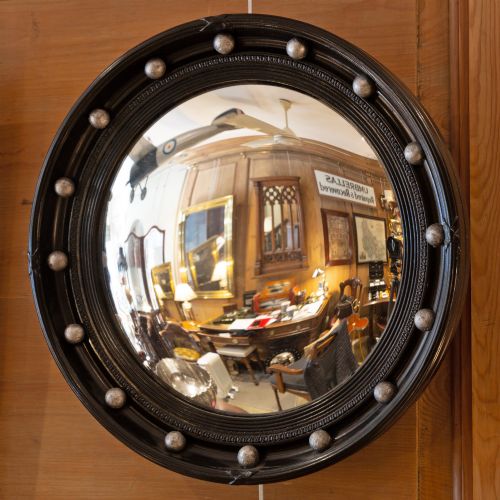
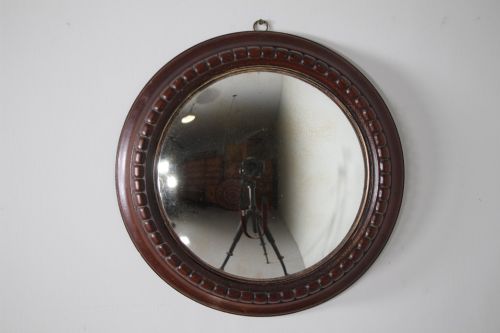
These pieces function primarily as wall mirrors and wall art, spanning styles from Regency and Victorian to Edwardian and French Chateau. Makers often housed them in heavy circular frames, sometimes incorporating ebonised wood or mahogany alongside traditional gilt finishes.
Beyond standard domestic mirrors, the inventory includes specialised forms like porthole mirrors, sorcerer's mirrors, and circus mirrors. These variations provide both standard reflective surfaces and complex multi-convex glass configurations housed within circular wooden profiles.
Materials and Construction
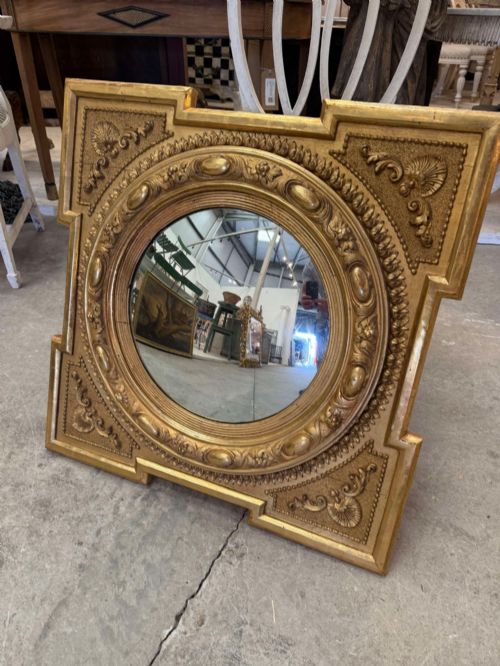
Makers constructed these frames predominantly from wood, including mahogany and oak, often applying layers of gesso to build up intricate surface ornamentation. Gilding was then applied over the prepared ground to achieve a bright metallic sheen on the circular mouldings.
The distinctive curved glass, vital to an antique convex frame, required specialised blowing and cooling techniques to maintain a uniform spherical surface. Ebonised finishes were achieved by staining or painting timber to imitate more expensive ebony, contrasting sharply with adjacent gilt details.
Antique Convex Frame Retail Price Guide 2026
Typical asking prices for convex frame among the pieces listed under this phrase on Sellingantiques today, from the lower quarter to the upper quarter. They describe what is for sale here now, not the wider market.
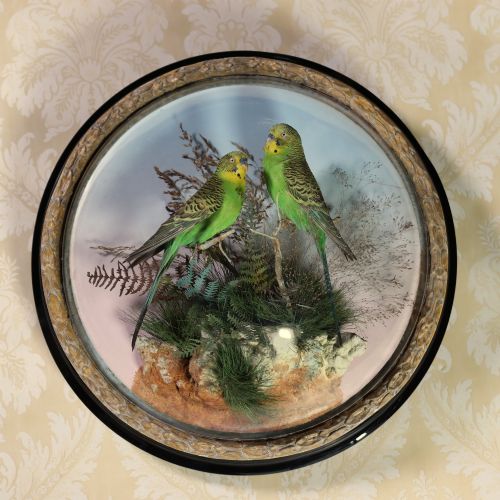
Object types on this page include standard wall mirrors, porthole mirrors, sorcerer's mirrors, and framed crystoleum pictures.
Distinctions in Quality
The finest examples display crispness in the carved wooden or gesso ornamentation, particularly around distinctive elements like dragons or classical motifs adorning the crests. Lesser pieces show softening in these details, where repeated casting or hasty carving has blunted the crisp edges of the profile.
Originality of the glass and gilding dictates the standing of a piece within its period. Refinished surfaces and replacement plates alter the integrity of an antique convex frame, whereas undisturbed surfaces retain the subtle patination accrued over centuries.
The Antique Convex Frame Glossary
- Convex mirror
- A round mirror with an outward-curving glass surface that reflects a wide, distorted panoramic view of the room. It is the defining feature of this category.
- Giltwood
- Timber that has been coated with a thin layer of gold leaf or metallic powder. This material dominates the frames seen in Regency and Victorian examples.
- Ebonised wood
- Timber treated with a dark stain or black finish to resemble ebony. This technique provides a stark visual contrast against gilt ornaments.
- Gesso
- A plaster-like mixture applied to wooden frames as a base for moulding and gilding. Skilled artisans carved intricate relief patterns directly into this hardened layer.
- Sorcerer's mirror
- An alternative name for a convex mirror, historically associated with divination and folk magic due to its unusual reflective properties.
- Crystoleum
- A Victorian method of applying hand-coloured paint to the inside of a convex glass sheet placed over a print. It produces a detailed, luminous image.
Antique Convex Frame: Frequently Asked Questions
What is an antique convex frame used for?
These pieces served historically as decorative wall mirrors in principal rooms, allowing homeowners to monitor activity across a space from a single vantage point. Their curved glass concentrates ambient light, brightening darker corners of a chamber.
Today, they function primarily as striking wall art and focal points above mantelpieces or in hallways. Their distinctive distortion adds depth and movement to interior decoration schemes.
How do I date a convex frame?
Dating relies on examining the construction of the wooden frame, the composition of the gesso, and the characteristics of the glass plate. Regency examples often feature heavy giltwood mouldings with distinct crests, while later Victorian versions incorporate ebonised details or multi-convex arrangements.
Secondary indicators include the backboards, fixings, and the presence of hand-applied leaf rather than modern metallic paint. Comparing the style to documented periods like the Edwardian era helps narrow the timeframe further.
Are all convex mirrors circular?
The vast majority of pieces found in this category feature circular frames designed to complement the spherical curve of the glass. This round format distributes the distorted reflection evenly across the room.
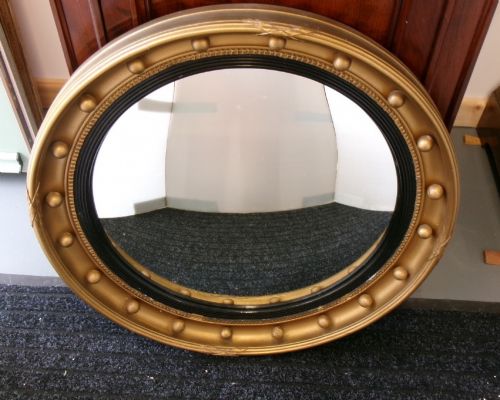
Occasional variations deviate from this standard shape, including oval formats produced in later periods. These alternative profiles maintain the curved glass while altering the exterior silhouette of the hanging.
How do I hang a heavy convex mirror safely?
Due to the substantial weight of giltwood, gesso, and thick glass, secure wall fixings screwed directly into masonry or wooden studs are essential. Heavy-duty picture wire or integrated metal brackets must be inspected for strength before mounting.
Positioning the frame at eye level ensures the optimal viewing angle for the wide-angle reflection. Avoid hanging them in areas prone to excessive moisture or direct sunlight to protect the fragile gilt surfaces.