




Antique Conservatory Stands
Antique conservatory stands bring botanical order to glazed rooms, offering sturdy stages for ferns and trailing plants.
Antique Conservatory Stands
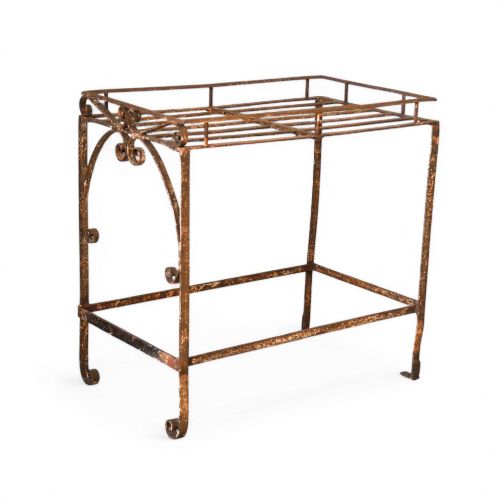
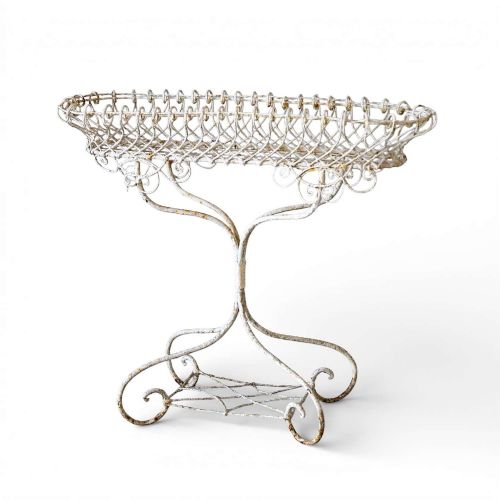
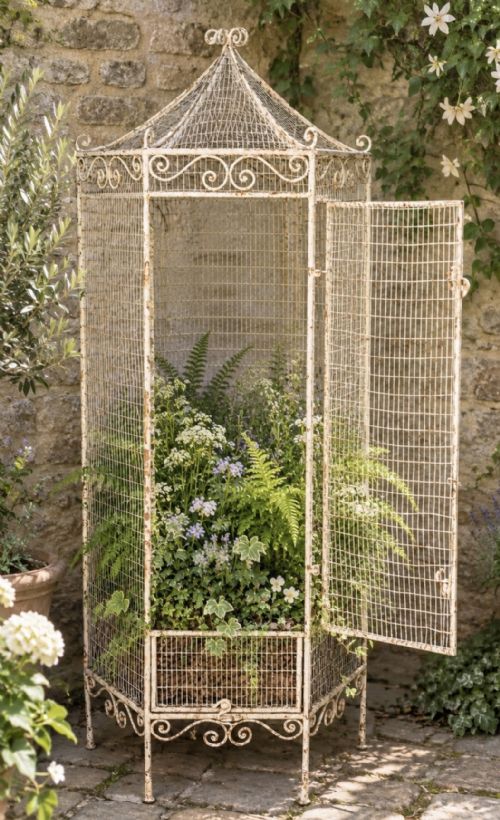
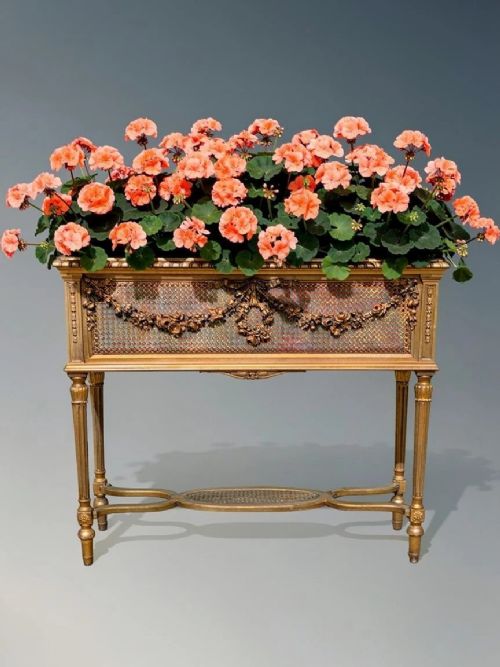
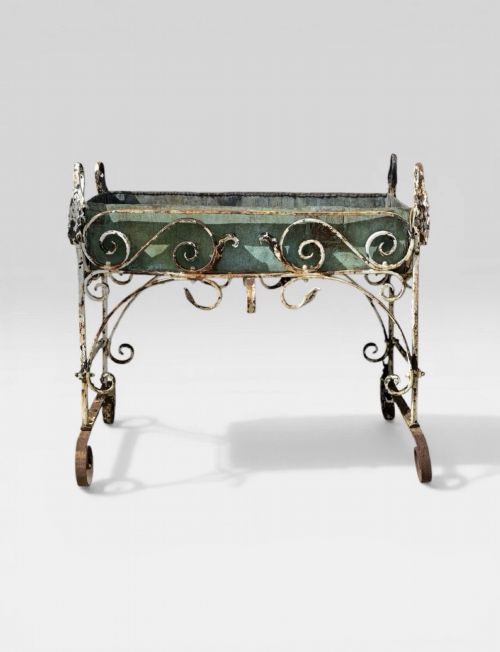
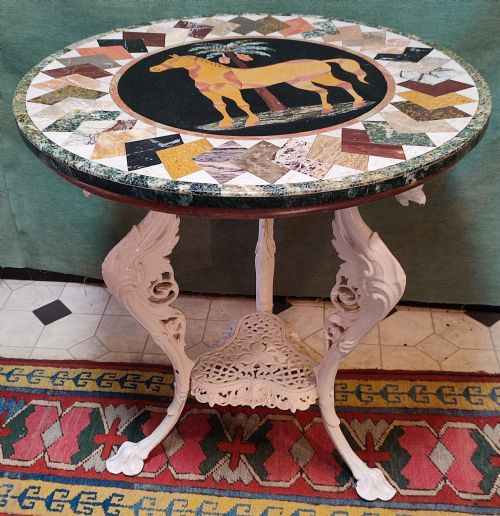
When you search for antique conservatory stands, you encounter practical botanical furnishings designed to hold plants within glasshouses and garden rooms. The examples appearing here span the Victorian, Edwardian, and nineteenth-century periods, taking forms such as plant stands, jardinieres, and wirework tiered planters.
Most pieces stem from English and French traditions, utilising robust metals to withstand humid glasshouse environments. You will frequently find utilitarian wirework structures alongside decorative scrollwork and lattice basket tops created for wealthy country houses.
Materials and construction
Makers built these pieces primarily from wrought iron, cast iron, and wire mesh, shaping durable metals into supportive frames for heavy terracotta pots. Riveted joints and painted finishes provided essential protection against moisture in domestic glasshouses.
Some variations incorporate brass elements, zinc trays, or earthenware majolica bodies to hold soil and water safely. Artisans combined structural ironwork with decorative flourishes such as scrollwork and curved wirework.
Assessing quality and craftsmanship
The integrity of the original material, whether painted wrought iron or woven wirework, dictates the standing of the piece. Substantial gauge metal and intact structural baskets separate utilitarian garden furniture from finer conservatory furnishings.
The Antique Conservatory Stands Glossary
- Wirework
- Metal strands shaped into open baskets or tiered stands. This technique allowed air circulation around potted plants in humid garden rooms.
- Jardiniere
- An ornamental pot or stand designed to hold plants and flowers. These vessels often sat on raised pedestals or metal frames within reception rooms.
- Majolica
- Opaque tin-glazed earthenware featuring colourful lead glazes. Pieces from this tradition often formed the decorative central bowls on plant stands.
- Wrought iron
- Iron beaten into shape while hot by a blacksmith. This material provided the rigid skeleton for heavy plant displays.
Antique Conservatory Stands: Frequently Asked Questions
Where did these stands live?
These pieces originated in nineteenth and early twentieth-century glasshouses, orangeries, and country house conservatories. They provided dedicated stages for displaying tender exotic plants and ferns.
Over time, owners also brought sturdy iron and wirework plant holders into hallways, domestic parlours, and paved garden patios to display potted greenery.
How do I clean my stand?
Careful dusting with a soft brush preserves fragile painted surfaces and aged wirework structures. Avoid harsh chemical cleaners that strip historical finishes.
Keep iron and wire pieces away from damp outdoor conditions if used indoors, wiping them gently with a dry cloth to prevent moisture accumulation.
Can I use them outside?
Most surviving pieces were built for sheltered glasshouses rather than exposed outdoor lawns. Placing them directly on wet soil can accelerate corrosion on old iron and wirework.
Protected garden patios, covered verandahs, and modern conservatories offer suitable environments that shield these metal structures from harsh weather.
How do I date a stand?
Dating relies on observing construction methods, material choices, and stylistic cues recorded across Victorian and Edwardian examples. Riveted iron and simple wirework typically point towards the nineteenth century.
Heavier cast iron frames and later twentieth-century additions reflect the evolving tastes of subsequent decades. Comparing the complexity of the scrollwork helps refine the period.