


Antique Compendium
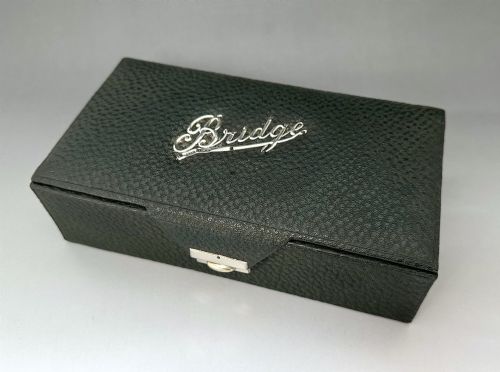
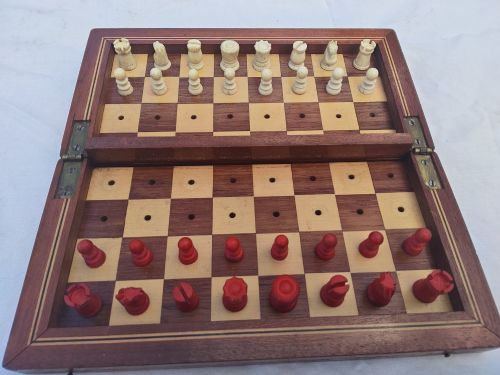
An antique compendium brings together games, writing gear and drinking bottles in one fitted box.
Antique Compendium
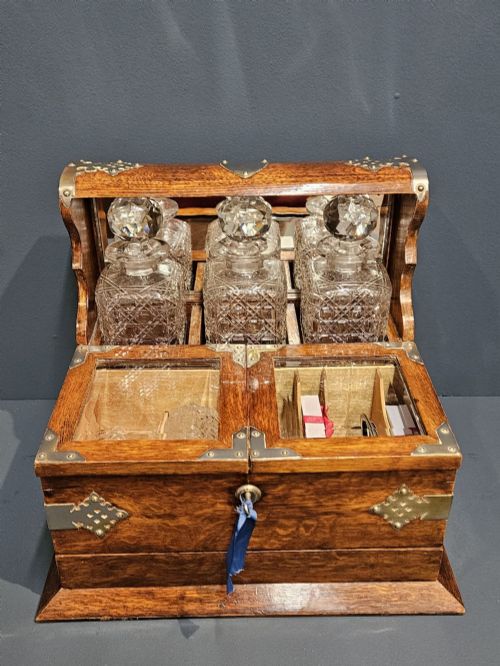
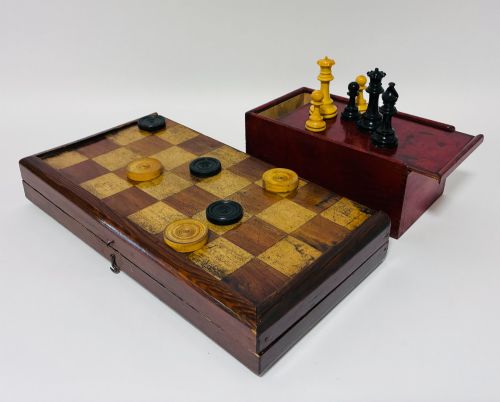
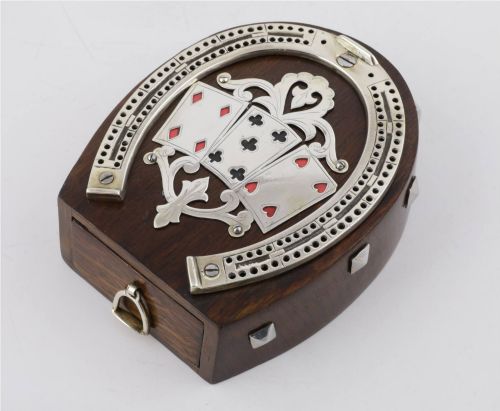
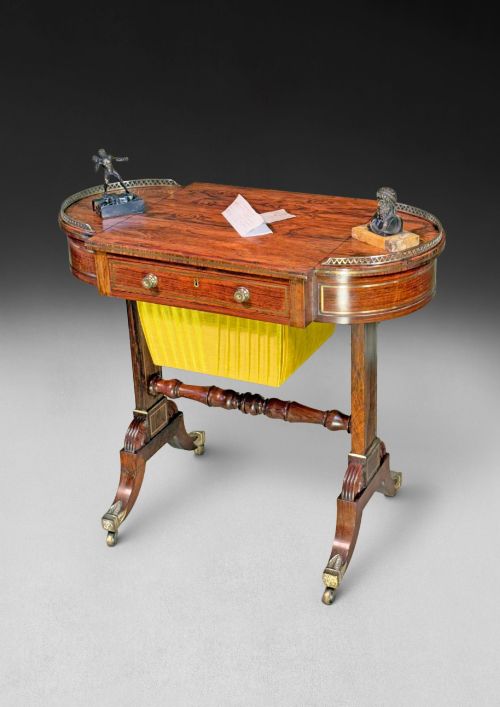
An antique compendium is a multi-purpose box or table designed to hold items for games, correspondence, or social hospitality. These pieces combine several compartments, lids, and fold-out sections into a single object intended for the home or travel.
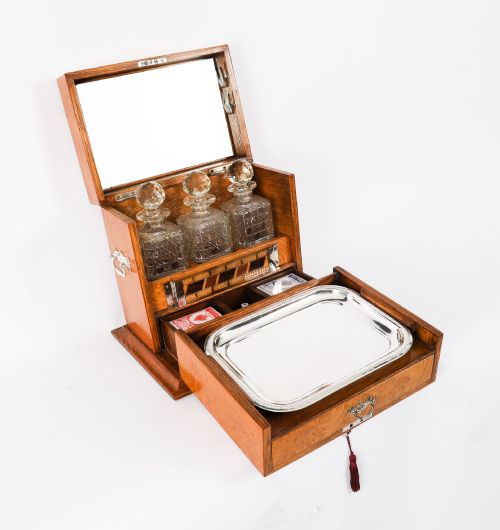
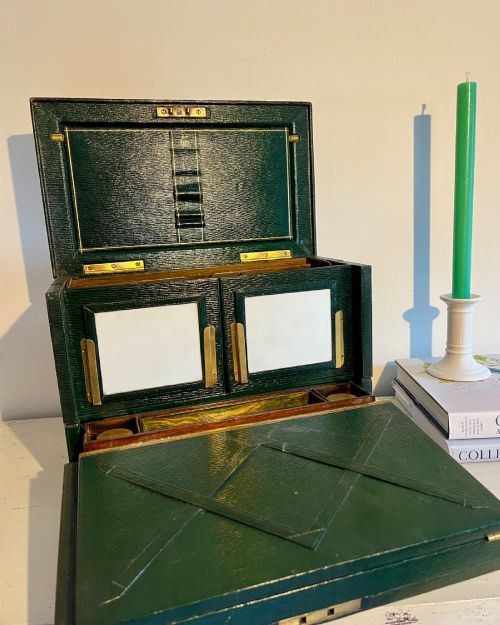
The versions most common on this page date from the Victorian and Edwardian periods, constructed in forms such as combination games compendiums, stationery cabinets, and tantalus sets. They reflect the entertaining and writing habits of the nineteenth and early twentieth centuries.
Materials and construction
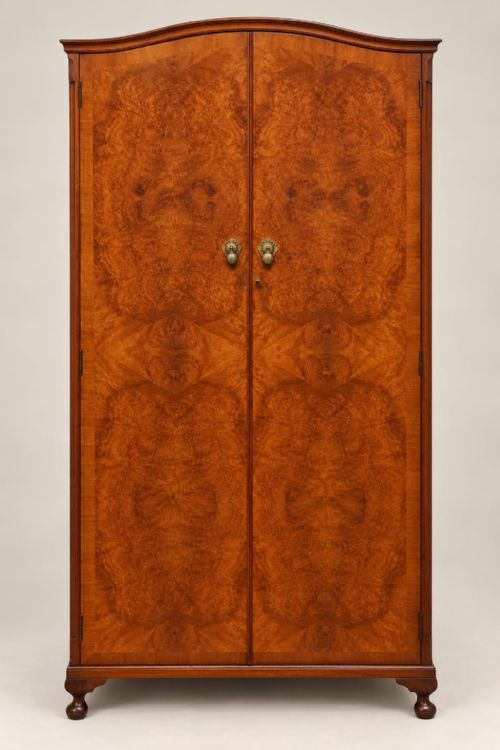
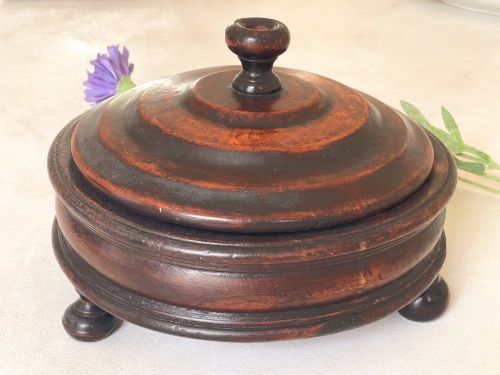
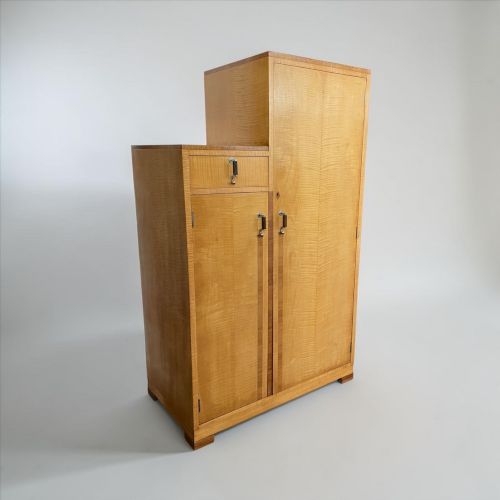
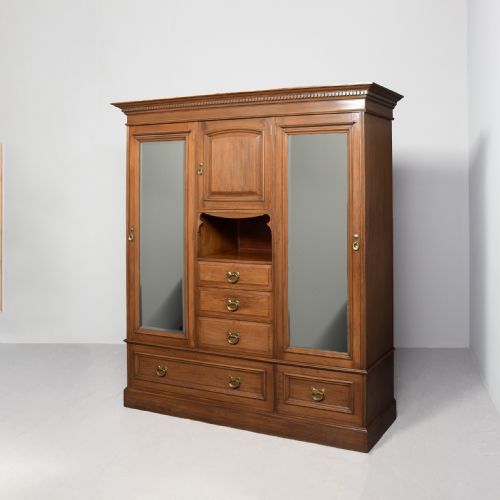
Woods such as oak, walnut, mahogany, and rosewood form the structural carcass of these pieces, often highlighted with brass mounts, glass decanters, or leather bindings. Cabinetmakers utilised figured veneers and inlaid details to elevate the appearance of the outer case.
Internal fittings involve precise carpentry to house playing cards, cribbage boards, dominoes, and glass bottles securely within the limited space of a single box or cabinet.
Antique Compendium Retail Price Guide 2026
Typical asking prices for compendium among the pieces listed under this phrase on Sellingantiques today, from the lower quarter to the upper quarter. They describe what is for sale here now, not the wider market.
Listings feature oak, walnut, mahogany, and rosewood alongside brass fittings and cut crystal decanters across the Victorian and Edwardian periods.
Distinctions in quality
Quality rests upon the cleverness of the internal mechanism, the tightness of the joinery, and the grade of the timber used for the case. Better examples feature integrated locking systems, matched crystal decanters, and complete sets of original game pieces.
Superior pieces show careful attention to internal compartments and hinges that operate smoothly without binding, whereas simpler boxes rely on basic partitions and standard brass hardware.
G Bartholomew And Co·Guilmet·J C Vickery
The Antique Compendium Glossary
- Compendium
- A fitted box or case containing multiple games, writing materials, or social accessories. It organises several distinct pursuits into one portable or tabletop unit.
- Tantalus
- A locking wooden frame holding decanters of spirits to prevent unauthorised access. The metal bar secures the stoppers in place until a key unlocks the mechanism.
- Stationery box
- A desk accessory featuring sloping lids or vertical compartments for paper, envelopes, and writing implements. These often include built-in calendars or inkwells.
- Cribbage board
- A scoring board with tracks of small holes used to record points in the card game cribbage. Many examples are built directly into hinged games boxes or compendiums.
Antique Compendium: Frequently Asked Questions
What is inside an antique compendium?
These boxes typically contain equipment for parlour games such as cards, cribbage, and dominoes, alongside writing implements or drinking decanters.
Some variations focus entirely on smoking accessories or stationery organisation rather than games.
How were these boxes used?
Owners kept them in drawing rooms or studies to entertain guests or manage personal correspondence efficiently in one place.
The locking mechanisms ensured that expensive spirits or playing cards remained secure when not in use.
How do I date an antique compendium?
Dating relies on the prevailing style of the timber, the type of locks fitted, and manufacturing techniques visible inside the compartments.
Victorian and Edwardian pieces show distinct shifts in decorative motifs like Art Nouveau influences or heavy brass mounts.
Are all the game pieces usually original?
Many surviving examples retain their original bone counters, cards, and cribbage pins, though some have accumulated replacement items over time.
Checking the fit and material consistency helps determine if the contents belong to the original case.