

Antique Compact Table
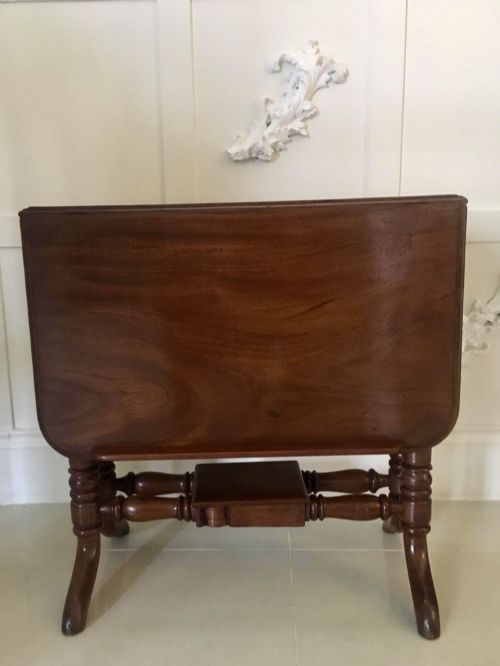
An antique compact table serves multiple domestic functions within small rooms, ranging from drop-leaf writing desks to narrow side tables.
Antique Compact Table
When searching for an antique compact table, a buyer encounters a diverse selection of smaller domestic furniture designed for limited spaces. These pieces date from the seventeenth century through to the early twentieth century, spanning the Georgian, Victorian, Edwardian, and Art Deco periods.
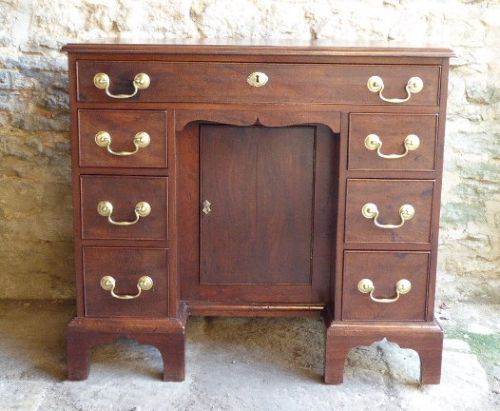
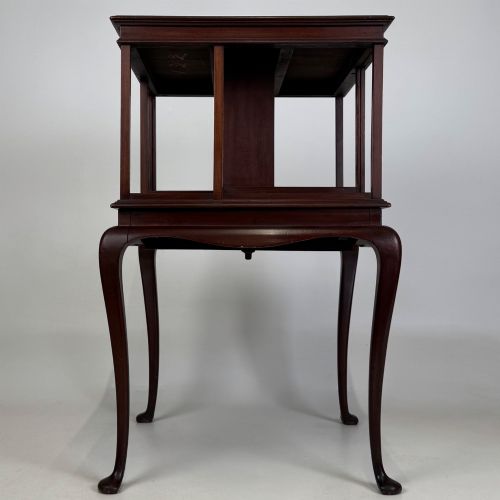
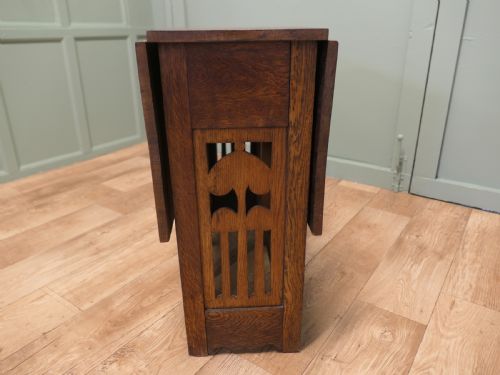
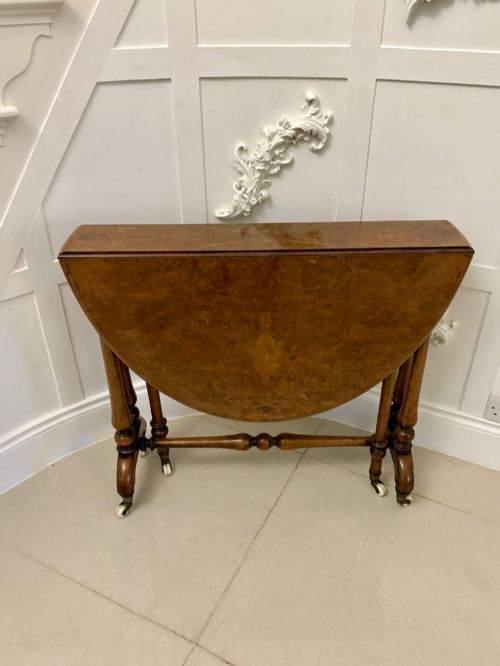
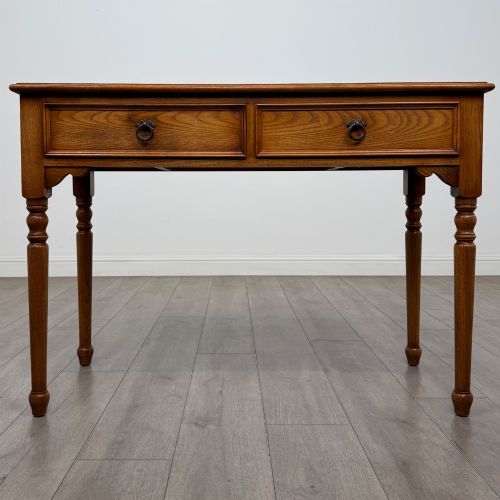
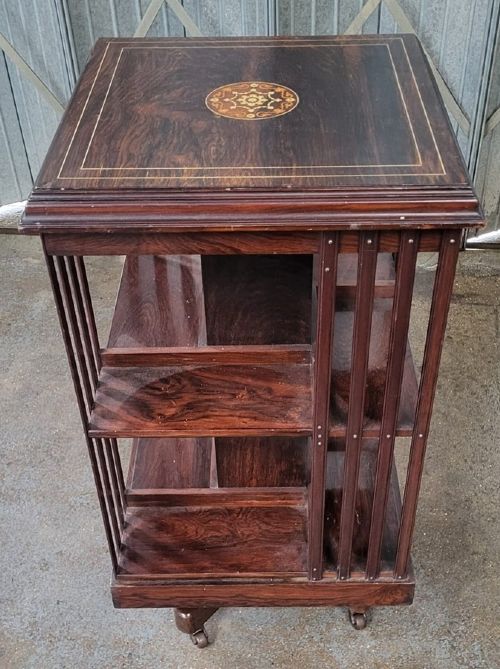
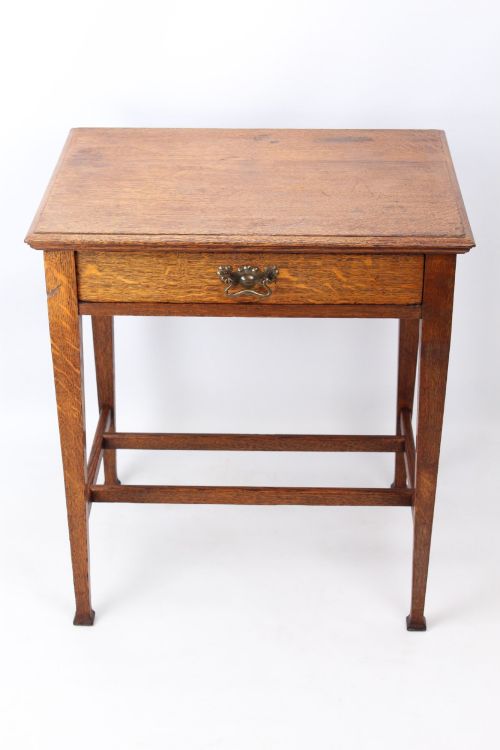
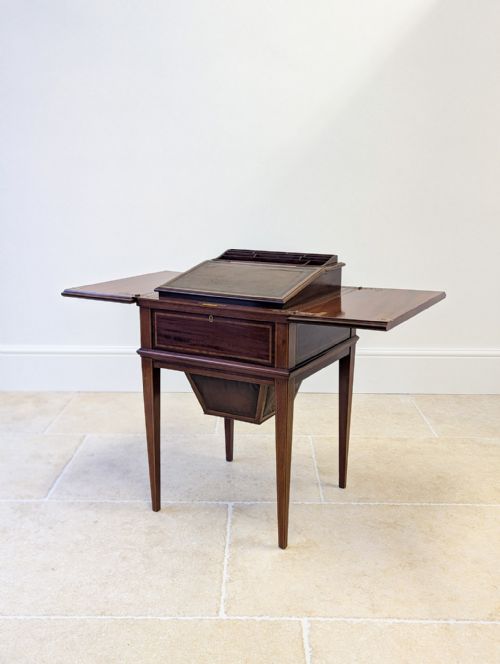
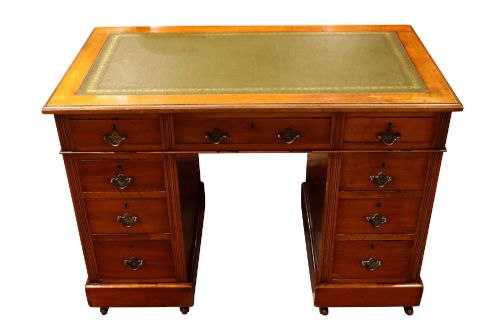
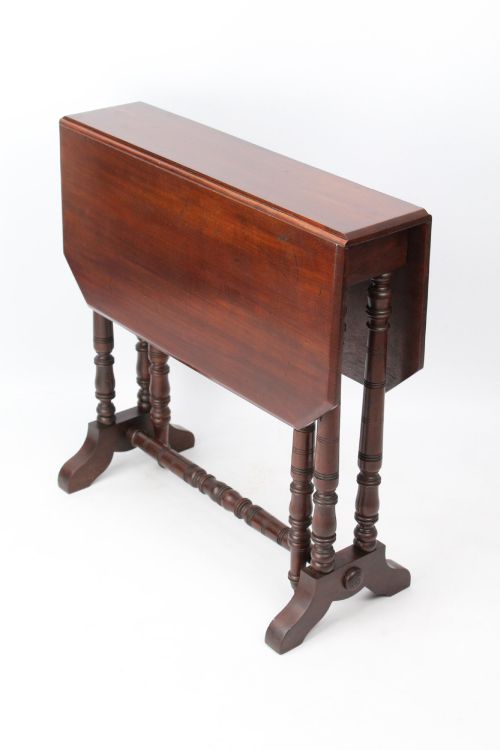
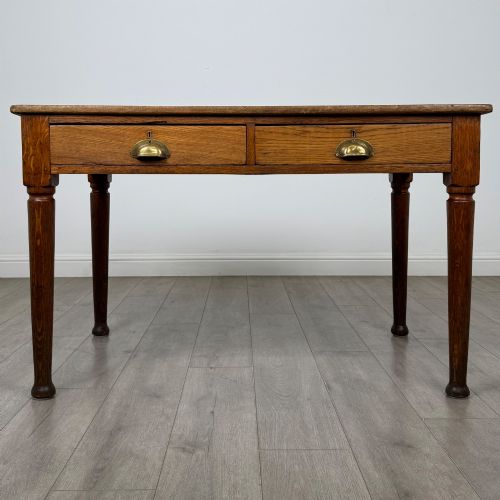
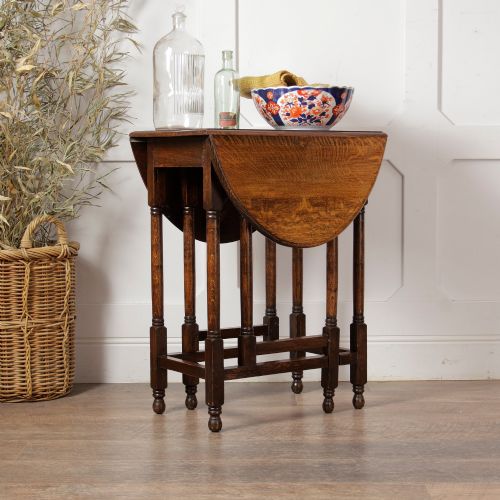
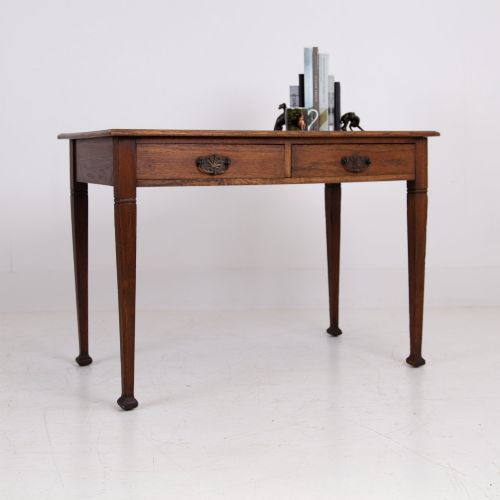
The most common formats on this page include Sutherland tables with drop leaves, gateleg dining tables, kneehole desks, writing tables, and revolving bookcases. Woods such as mahogany, oak, walnut, and burr walnut dominate the construction of these smaller domestic furnishings.
Makers and retailers from various eras, including Edwards and Roberts and Harrods, produced functional items tailored to compact interiors. These tables and desks demonstrate how past craftsmen maximised utility without sacrificing traditional cabinet-making standards.
Materials and Technique
Cabinet-makers relied on sturdy hardwoods like oak and mahogany for structural integrity, whilst applying decorative veneers such as burr walnut and yew wood to visible surfaces. Joinery techniques included dovetailing for drawers and mortise and tenon joints for frames.
Turning techniques produced barley twist supports and bamboo-turned legs on side tables and gateleg dining pieces. Inlay work in contrasting timbers and brass fittings added detail to writing surfaces and pedestal desks.
Object types range from occasional tables and writing desks to revolving bookcases and gateleg dining formats.
Evaluating Construction
Quality rests in the selection of timber, particularly the grain matching on burr walnut or mahogany veneers across table tops and drawer fronts. Superior pieces retain crisp carving, well-fitted drawers, and stable hinges on drop-leaf mechanisms.
The execution of secondary details, such as hand-cut dovetails and original brass hardware, separates standard utility furniture from finer workshop productions.
Edwards and Roberts·Harrods
The Antique Compact Table Glossary
- Sutherland table
- A narrow drop-leaf table with hinged flaps that fold down steeply, supported by swing legs when raised.
- Gateleg table
- A drop-leaf table featuring hinged legs that swing out from a central frame to support the opened leaves.
- Kneehole desk
- A compact desk featuring a recessed space for the legs flanked by pedestals containing drawers.
- Burr walnut
- Timber taken from the gnarled growth of a walnut tree, prized for its swirling, decorative grain patterns.
- Dovetail
- A traditional wood joint interlocking wedge-shaped fingers to secure drawer corners firmly.
Antique Compact Table: Frequently Asked Questions
What is a compact table?
A compact table is a smaller scale item of furniture, such as a drop-leaf Sutherland table, a narrow writing desk, or a gateleg side table.
These pieces were designed to occupy minimal floor space whilst providing functional surfaces for writing, dining, or storage in period homes.
How do I identify an Edwardian table?
Edwardian tables often display lighter timbers such as mahogany or satinwood, frequently featuring delicate inlaid stringing, crossbanding, or bamboo-turned legs.
Cabinet makers of this era drew inspiration from earlier Georgian designs whilst adapting proportions for contemporary drawing rooms.
Where were gateleg tables used?
Gateleg tables served as versatile furniture in dining rooms, parlours, and kitchens where space fluctuated according to daily needs.
Dropping the leaves allowed the furniture to sit flat against a wall, whilst extending both flaps created a larger surface for dining or working.
What is burr walnut?
Burr walnut refers to wood sourced from the irregular growths on walnut trees, yielding complex and highly decorative grain patterns.
Craftmen sliced this timber into thin veneers to ornament the top surfaces of desks, tables, and cabinets.