




Antique Communion Plate
These antique communion plate pieces are sacred and domestic vessels forged in silver, copper, and Old Sheffield plate for ritual use.
Antique Communion Plate
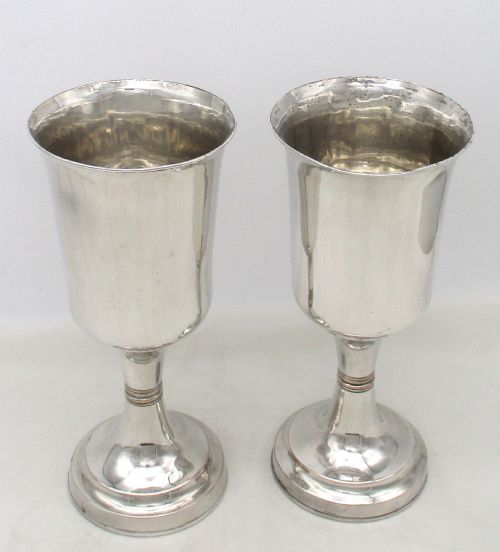
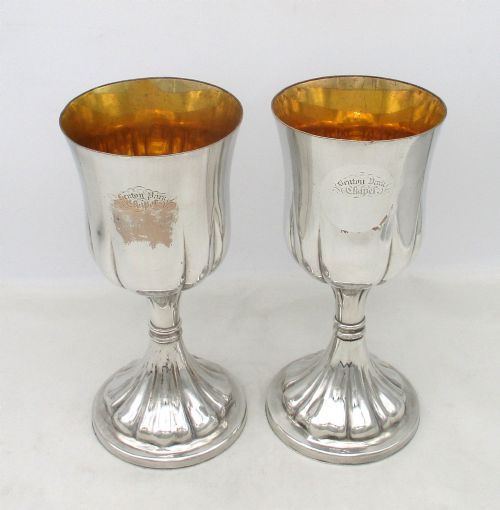
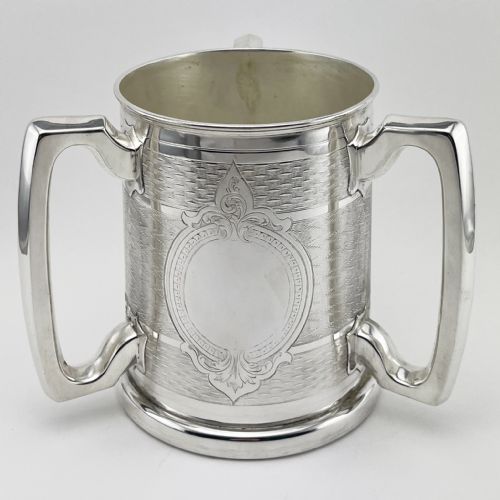
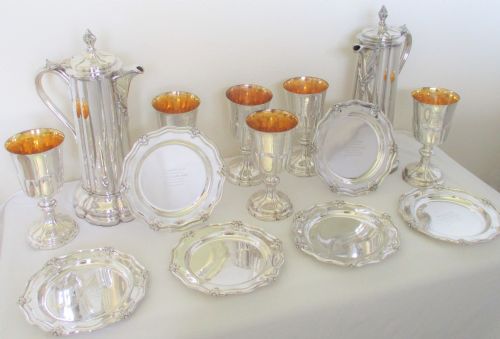
When you search for an antique communion plate, you encounter functional church silver and plated vessels spanning the eighteenth and nineteenth centuries. The selection centres on chalices, flagons, ewers, loving cups, and patens used in ecclesiastical and domestic settings.
Most items you meet on this page belong to the nineteenth century, including Victorian ecclesiastical designs and Old Sheffield plate iterations. Pieces range from single dishes to complete boxed communion sets and matched pairs of goblets.
How they were made
Makers utilised traditional metals such as sterling silver, copper, and Old Sheffield plate, frequently applying gold gilding to the interior bowls of chalices. Electroplated nickel silver and silver plate also appear widely across nineteenth-century items.
Craftsmen shaped these heavy metal vessels through hammering, soldering, and fusing techniques, producing durable objects designed for frequent liturgical handling.
Antique Communion Plate Retail Price Guide 2026
Typical asking prices for communion plate among the pieces listed under this phrase on Sellingantiques today, from the lower quarter to the upper quarter. They describe what is for sale here now, not the wider market.
Listings feature items from the eighteenth and nineteenth centuries, spanning George I, Georgian, Regency, William IV, and Victorian periods.
What varies in quality
The distinction between standard ecclesiastical wares and the finest items lies in the weight of the metal and the crispness of the chased or engraved ornamentation. Superior examples display substantial gauge silver or heavy Old Sheffield plate over thick copper bases.
Design integrity also separates the range, with bespoke pieces by noted makers exhibiting superior balance and proportion compared to mass-produced factory items.
George Cooper·Elkington Mason
The Antique Communion Plate Glossary
- Old Sheffield plate
- A composite material made by fusing a sheet of silver to a thicker copper base. This technique creates durable items with a warm metallic lustre.
- Paten
- A small plate or dish used to hold the bread during communion services. These shallow vessels often match the diameter of the accompanying chalice.
- Chalice
- A stemmed liturgical cup used to hold sacramental wine. These vessels feature deep bowls and sturdy pedestals.
- Ewer
- A large jug with a spouted mouth and handle used for carrying water or wine. Ecclesiastical examples often match larger church flagons.
- Electroplated nickel silver
- A base metal alloy coated with a thin layer of silver using an electrical current. This process became common in the nineteenth century for producing affordable church plate.
Antique Communion Plate: Frequently Asked Questions
What is an antique communion plate?
An antique communion plate is a sacred vessel, such as a paten or dish, used during church services to hold bread or wafers.
These pieces reflect the liturgical traditions and metalworking skills of the eighteenth and nineteenth centuries.
How were church chalices used?
Church chalices were filled with sacramental wine and handled by clergy during religious ceremonies and communion services.
Many of these vessels formed part of larger boxed sets intended for transport or parish use.
What metals are these vessels made from?
These items are constructed from sterling silver, copper, Old Sheffield plate, and later electroplated nickel silver.
Gold gilding is frequently found on the interior surfaces of the drinking vessels.
How do I identify nineteenth-century pieces?
Nineteenth-century pieces often display Victorian, Gothic revival, or ecclesiastical design motifs typical of the period.
Makers' marks and manufacturing techniques, such as early electroplating, also help determine the era of production.