

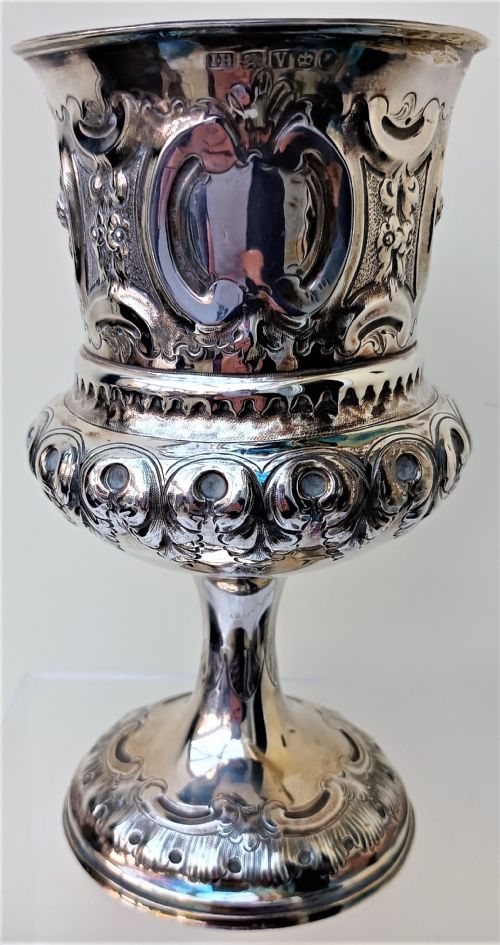


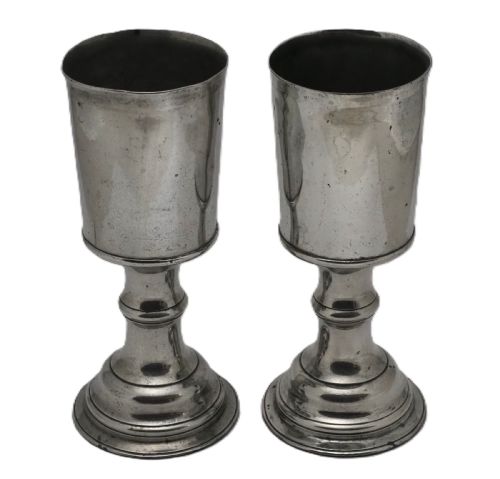
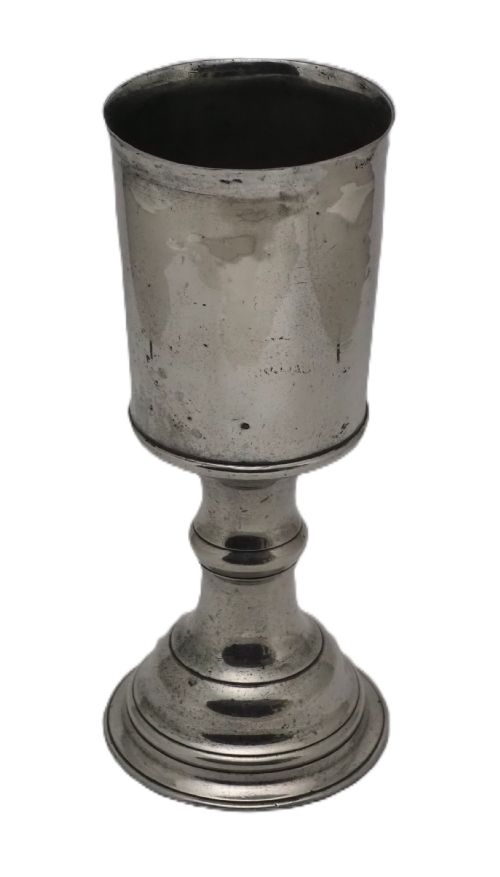


Antique Communion Chalice
An antique communion chalice bridges centuries of devotional metalwork and domestic goblet design, offering tactile history for the collector.
Antique Communion Chalice
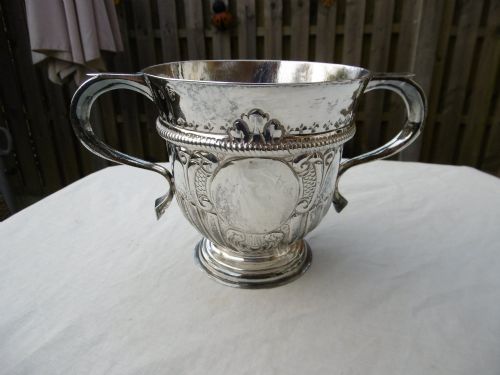
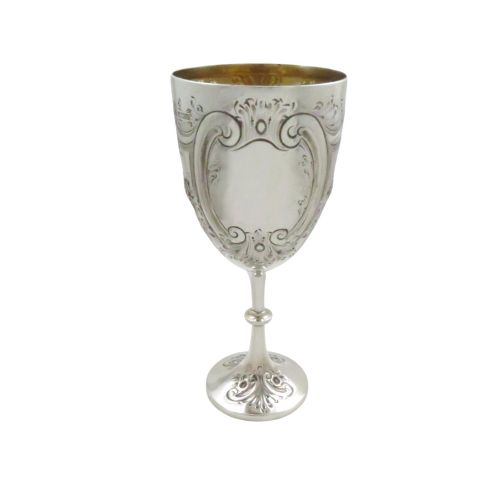
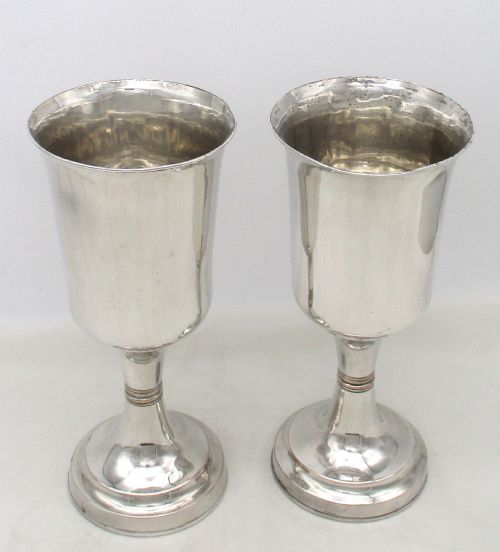
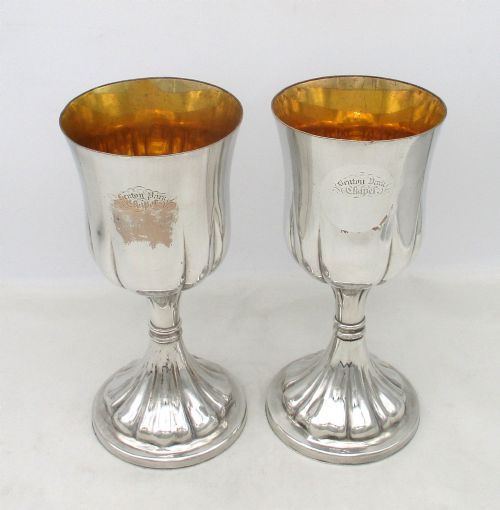
When you search for an antique communion chalice, you encounter sacred vessels shaped for ritual service across several centuries. The selections span simple domestic forms adapted for worship, travelling communion sets, and large ecclesiastical chalices designed for church altars.
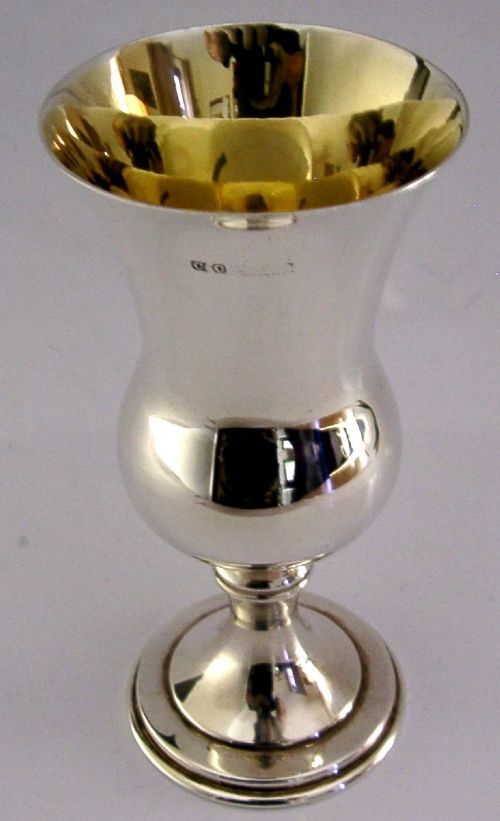
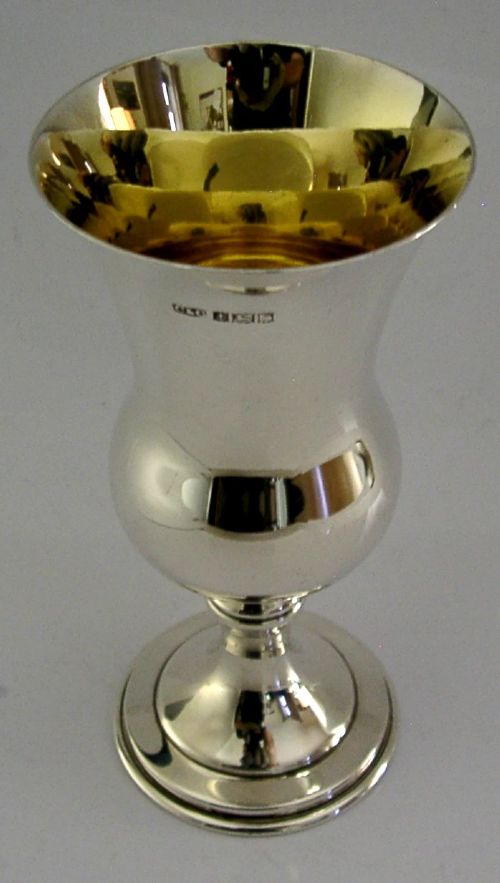
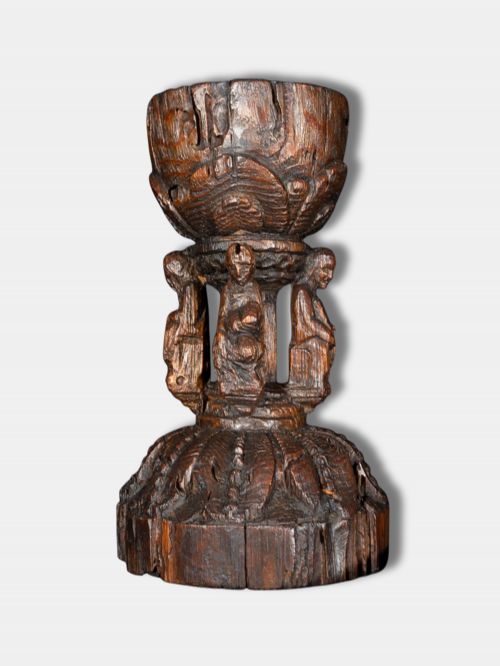
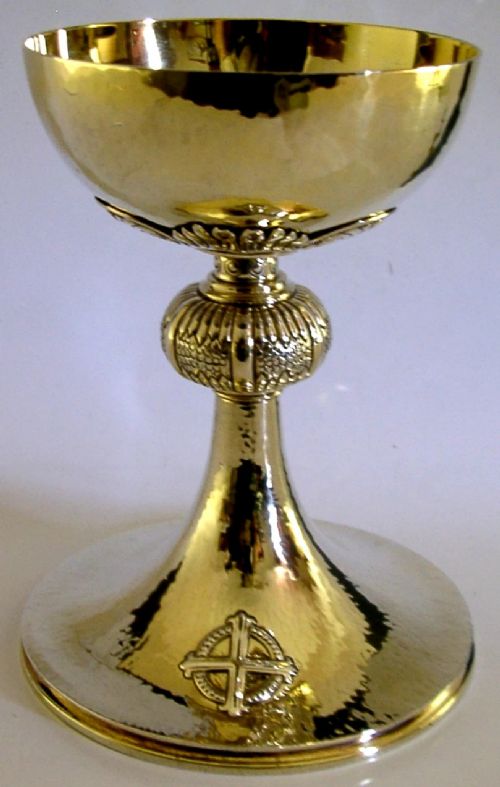
Most examples you meet on this page date from the nineteenth century in silver plate or sterling silver, though earlier centuries yield pieces in carved oak, pewter, and Old Sheffield plate. Forms range from heavy Gothic brass vessels with domed feet to vase-shaped Georgian sterling silver goblets.
The inventory includes French first communion gold and pearl pendant charms alongside larger altar pieces. Styles shift from plain Georgian symmetry to ornate Victorian and Gothic revivals, reflecting the shifting liturgical tastes of their makers.
Materials and construction
Makers fashioned these vessels from sterling silver, Old Sheffield plate, pewter, copper, and turned woods such as walnut and fruitwood. Sterling silver and silver plate dominate the offerings, often complemented by parcel gilding or bright-cut engraving.
Early pieces involve hand-turned timber or cast pewter, while nineteenth-century church vessels utilise Old Sheffield plating over a copper base or heavy ecclesiastical brass. Details include domed feet, cast handles, and engraved botanical or religious motifs.
Antique Communion Chalice Retail Price Guide 2026
Typical asking prices for communion chalice among the pieces listed under this phrase on Sellingantiques today, from the lower quarter to the upper quarter. They describe what is for sale here now, not the wider market.
Listings span periods from the sixteenth century to the mid-twentieth century, featuring sterling silver, pewter, copper, and Old Sheffield plate.
Assessing quality and execution
Quality rests in the weight of the metal, the crispness of any chased or engraved decoration, and the integrity of the joins between bowl, stem, and foot. Substantial sterling silver vessels and early carved wood pieces demonstrate superior handling by skilled metalsmiths or turners.
Plated items show variation in how well the silver layer adheres to the copper core, particularly around high-wear rims and bases. Superior execution appears in balanced proportions, secure hallmarks, and harmonious decorative programs.
George Unite·John Hunt and Robert Roskell·Elkington Mason·William Eaton·James Deakin and Sons
The Antique Communion Chalice Glossary
- Old Sheffield Plate
- A fused composite material made by melting a sheet of silver onto a heavier copper ingot before rolling them into thin sheets. This technique predates electroplating and leaves a characteristic copper seam visible on edges.
- Ciborium
- A covered sacred vessel designed to hold consecrated Eucharistic bread, closely related in form and material to the chalice. These often feature secure lids and gilt interiors.
- Parcel Gilt
- A surface treatment where parts of a silver or base-metal object are selectively coated in gold. This creates a contrasting two-tone effect, commonly found inside the bowl of a communion chalice.
- Bright-Cut Engraving
- A faceted engraving technique executed with flat-bottomed gravers that catch the light. It creates brilliant geometric or floral patterns on Georgian and Victorian silver bodies.
- Pewter
- An alloy consisting primarily of tin, combined with copper and antimony. Irish and English pewter chalices from the eighteenth century utilise this metal for its muted lustre and sturdy, utilitarian weight.
Antique Communion Chalice: Frequently Asked Questions
How do I clean tarnished silver?
Use a soft microfibre cloth and a mild, non-abrasive silver polish formulated for antiques. Avoid harsh dips that strip patination and original gilding.
Work gently around engraved areas and rinse with warm water before drying thoroughly with a lint-free cloth.
What is Old Sheffield Plate?
Old Sheffield Plate is an early composite material created by fusing a thin sheet of silver to a copper core under high heat. Smiths then rolled the combined metal into sheets to fashion vessels.
This method differs from later electroplating by producing a thicker layer of silver, sometimes revealing a subtle copper edge along seams.
How were these chalices used?
These vessels served during Christian communion services to hold sacramental wine or bread. Travelling sets allowed clergy to administer rites outside consecrated churches.
Some pieces transitioned into domestic secular use or were commissioned as commemorative loving cups after their ecclesiastical service ended.
How do I date a silver chalice?
Examine the hallmarks stamped into the metal, which indicate the assay office, date letter, and maker's mark. British silver often carries monarch duty marks from the Georgian and Victorian eras.
Stylistic cues such as neoclassical vase shapes or Gothic revival tracery also help narrow the decade of manufacture.