

Antique Commode with Marble
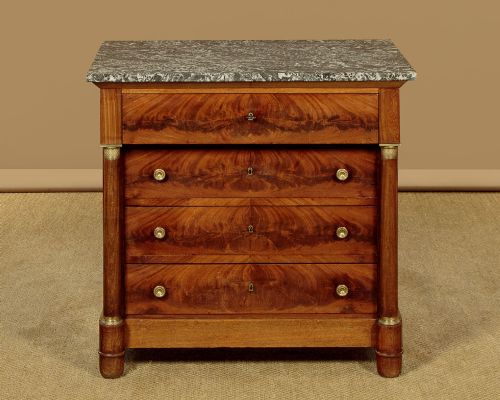
An antique commode with marble brings cold stone and warm timber together in a practical storage piece designed to anchor a principal room.
Antique Commode with Marble
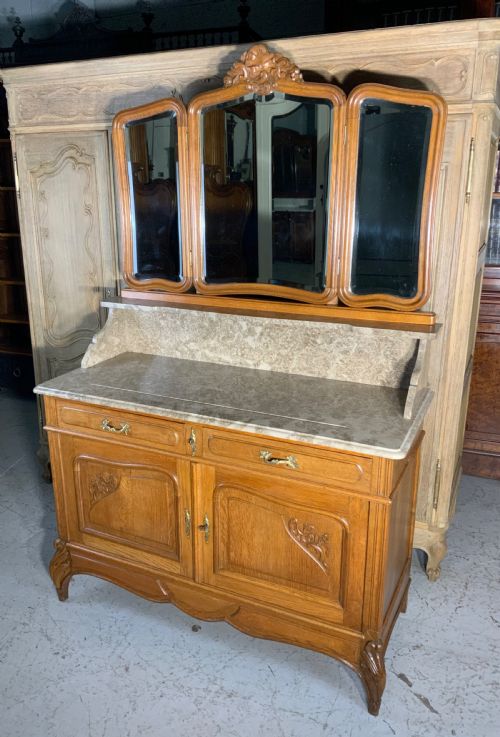
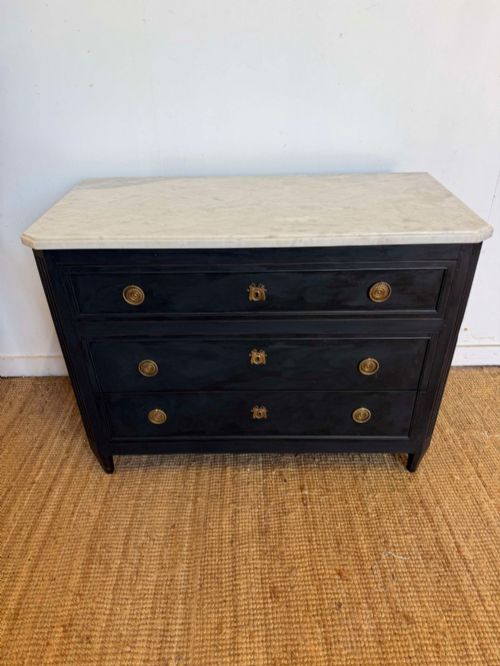
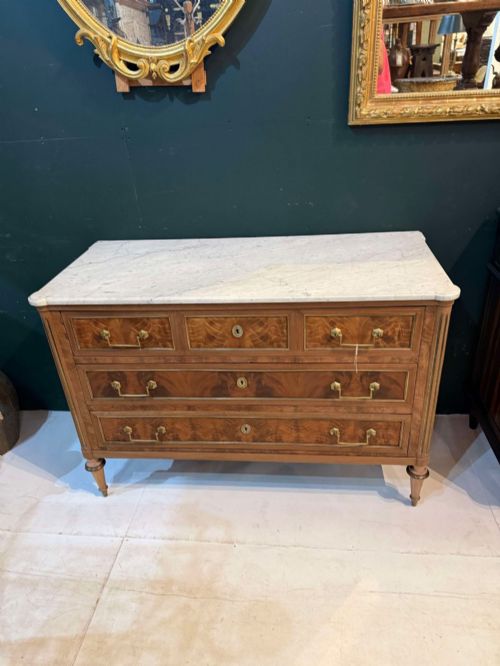
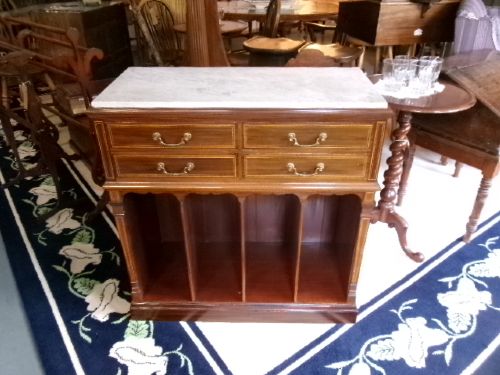
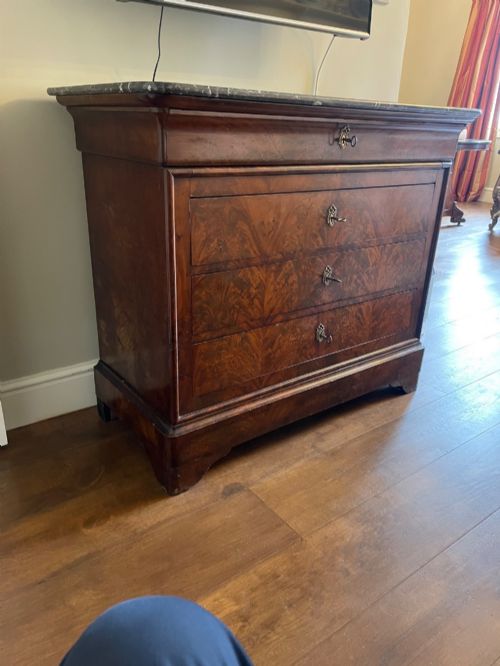
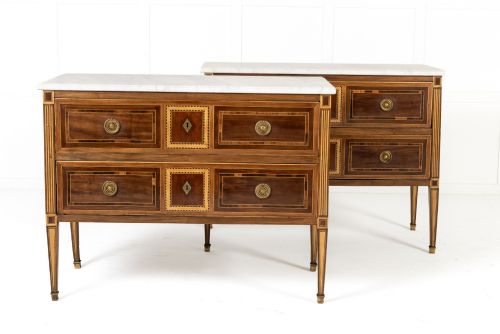
An antique commode with marble is a low chest of drawers or cabinet fitted with a stone slab top, appearing frequently in French provincial and revival designs from the eighteenth century onwards. These pieces serve as functional storage units while providing a resilient surface for display.
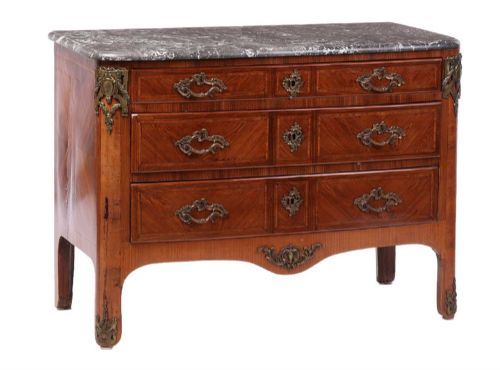
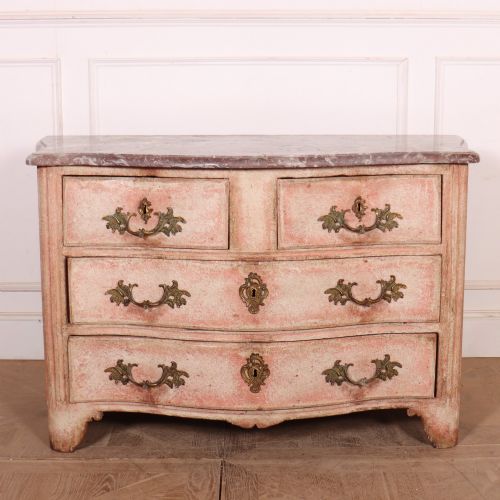
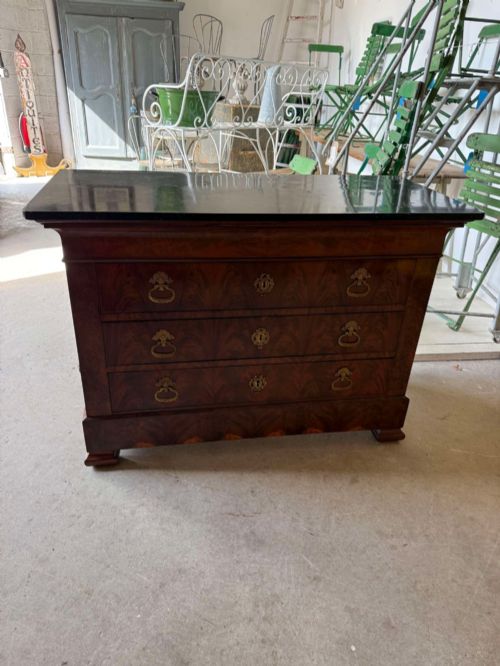
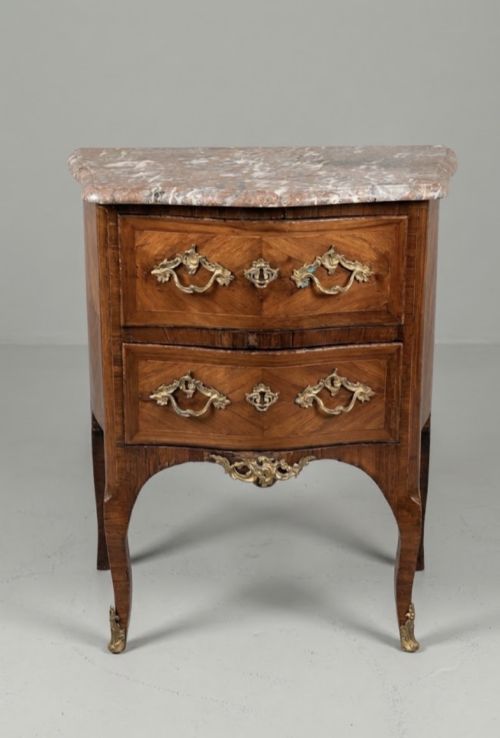
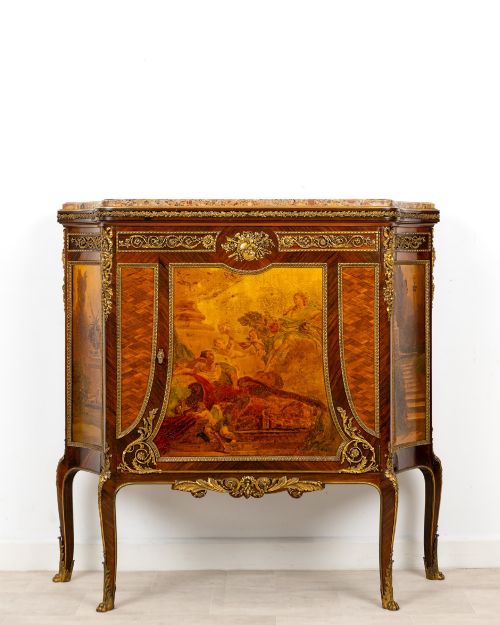
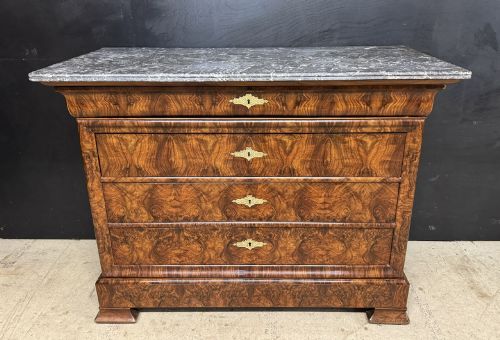
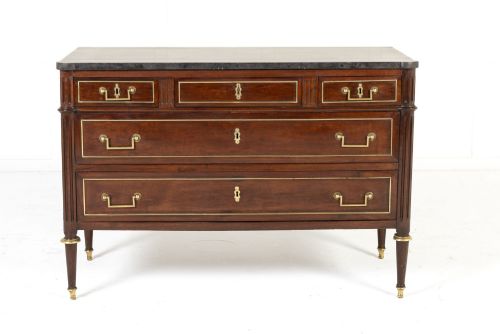
The most common examples on this page date from the nineteenth century, though eighteenth-century and early twentieth-century interpretations also appear. Forms range from straight-front chests and demi-lune shapes to serpentine fronts and breakfront cabinets.
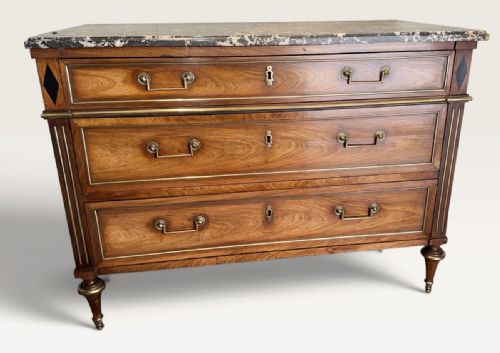
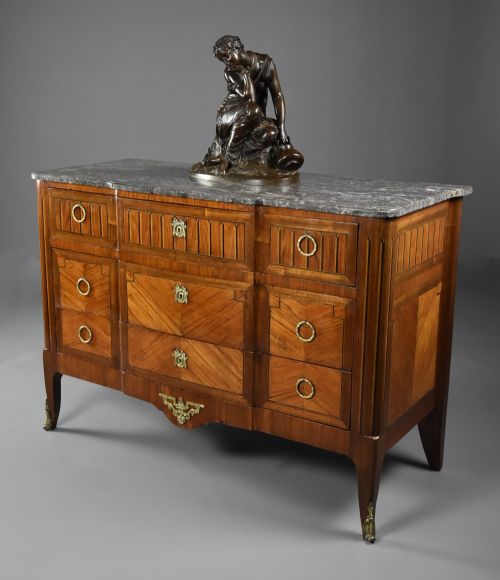
Makers across Continental Europe utilised native and exotic timbers to build these cabinets, topping them with distinct varieties of marble such as rouge, breccia, carrara, and fossil stone. Each piece reflects the aesthetic priorities of its period, from the restrained lines of Louis XVI styles to the curves of the Louis XV revival.
Materials and construction methods
Cabinetmakers constructed the carcases of these pieces using sturdy timbers like oak, walnut, and mahogany, then applied decorative veneers including kingwood, tulipwood, palisander, and rosewood. Parquetry and floral marquetry patterns often decorate the drawer fronts and sides.
The stone tops are heavy slabs shaped to fit the exact contours of the commode, whether rectangular, serpentine, or oval. Mounts and handles cast from brass, ormolu, and gilt metal are fastened to the corners, drawers, and apron to accent the lines of the woodwork.
Antique Commode with Marble Retail Price Guide 2026
Typical asking prices for commode with marble among the pieces listed under this phrase on Sellingantiques today, from the lower quarter to the upper quarter. They describe what is for sale here now, not the wider market.
Listings span from the eighteenth century through the 1930s, featuring walnut, mahogany, oak, and exotic wood veneers paired with various marble types.
Distinctions in quality and execution
The sophistication of the timber veneers and the intricacy of the parquetry or marquetry separate standard pieces from finer examples. Hand-chiselled ormolu mounts with crisp detail indicate a higher grade of workshop production than mass-cast brass fittings.
The quality of the marble top and its integration with the timber frame define the overall standard of the commode. Thick stone slabs with lively natural colouring and precise edge profiling show a commitment to materials that simpler pieces omit.
The Antique Commode with Marble Glossary
- Ormolu
- Gilt bronze mounts applied to furniture for decoration and edge protection. The technique involves treating metal with an amalgam of gold.
- Serpentine
- A furniture front or marble top that curves outward in the centre and inward at the sides. This shape requires careful woodworking and stone-cutting skill.
- Marquetry
- Decorative patterns formed by inserting thin pieces of wood, shell, or ivory into a wood veneer foundation. It creates pictorial or geometric designs across drawer fronts.
- Breccia
- A type of marble composed of broken rock fragments embedded in a fine-grained matrix. Its variegated appearance makes it a prized choice for tabletop surfaces.
Antique Commode with Marble: Frequently Asked Questions
What is the difference between a commode and a chest of drawers?
A commode is specifically a low, decorative cabinet or chest of drawers designed for formal rooms, whereas a standard chest of drawers can refer to taller, utility-focused bedroom furniture.
Antique commodes frequently feature stone tops and elaborate veneer work that set them apart from utilitarian storage pieces.
How do I care for the marble top?
Marble is a porous stone that reacts to acidic substances like wine, citrus, and vinegar, which can etch the polished surface over time. Clean the stone with a damp cloth and mild soap, avoiding harsh chemical cleaners.
Using coasters and placemats helps protect the historical surface from everyday wear and staining.
Are the marble tops original to the commodes?
Many surviving commodes retain their original stone tops, shaped precisely to the contours of the timber carcase beneath. Replacement tops do occur due to accidental breakage over centuries of use.
Examining the underside of the stone and the seating rebate on the cabinet helps determine originality.
Where were these pieces used historically?
These cabinets were placed in principal rooms such as salons, drawing rooms, and formal bedrooms to display ornaments and hold linens. Their decorative stone tops provided a durable surface resistant to water from washbasins or flower vases.
Today, they adapt easily to hallways, living rooms, and modern bedrooms as statement storage.