
Antique Column Table Lamp
An antique column table lamp brings architectural proportion and heavy metal or timber presence to a room, drawing the eye upwards with classical dignity.
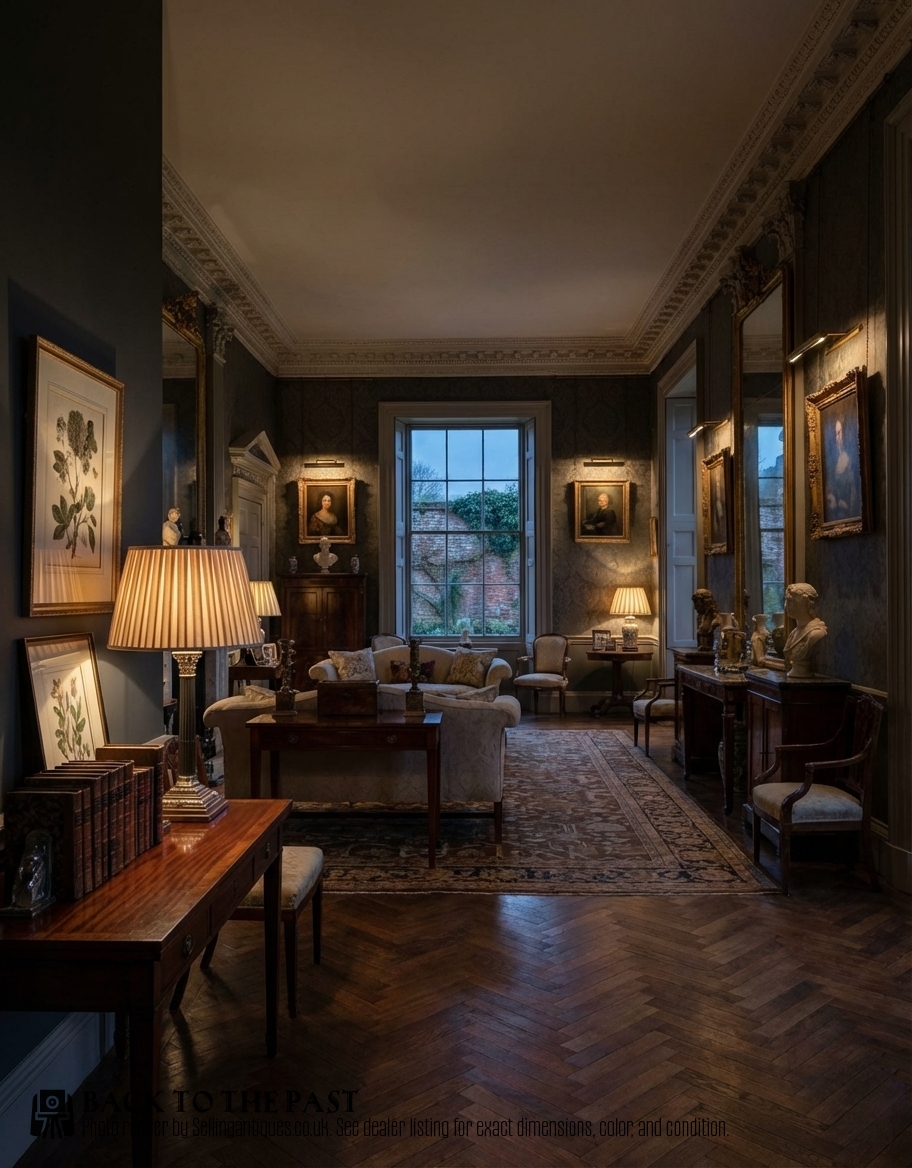
Antique Column Table Lamp
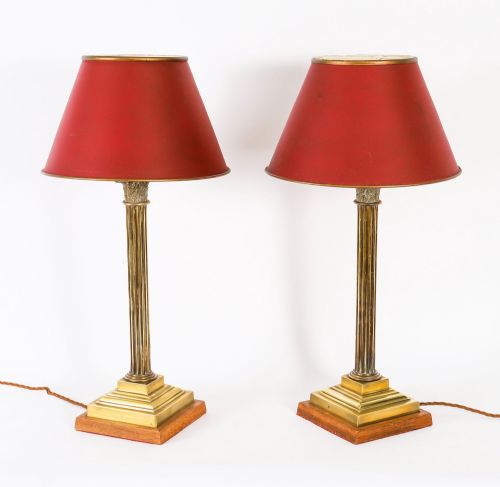
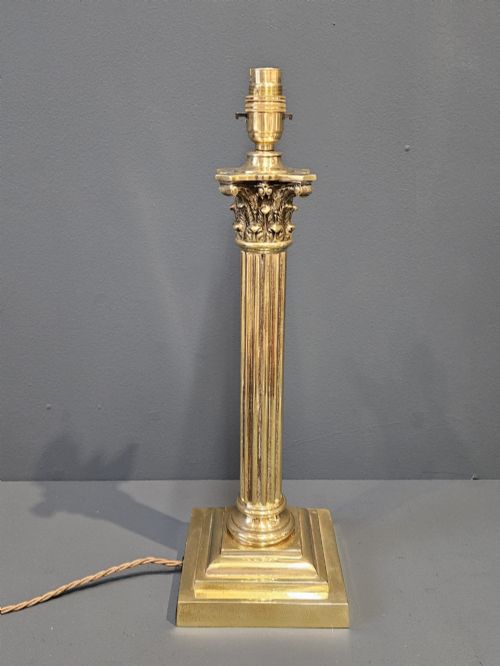
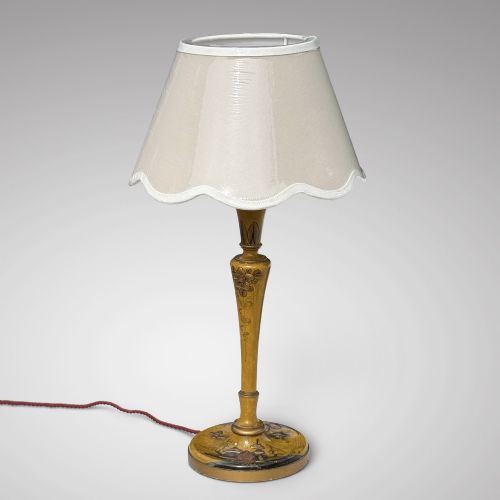
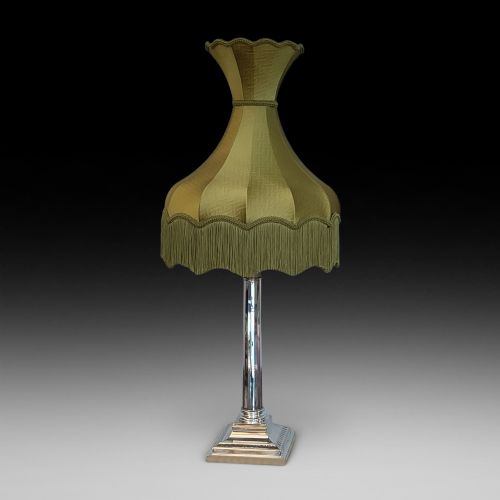
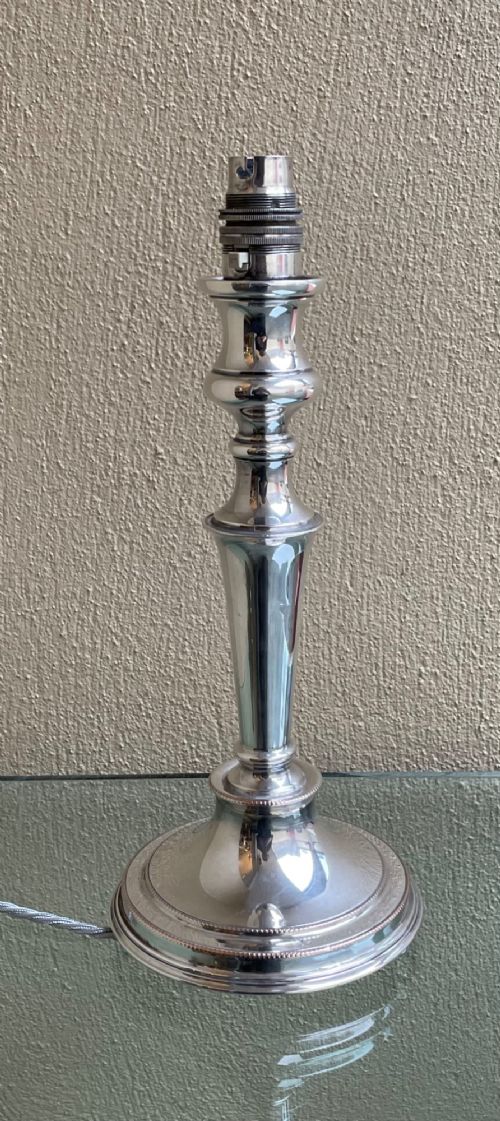
When you search for an antique column table lamp, you encounter solid brass and silver plated light fittings designed with classical architectural orders. The most common examples on this page are Corinthian column designs from the Victorian and Edwardian periods, often standing on stepped square bases.
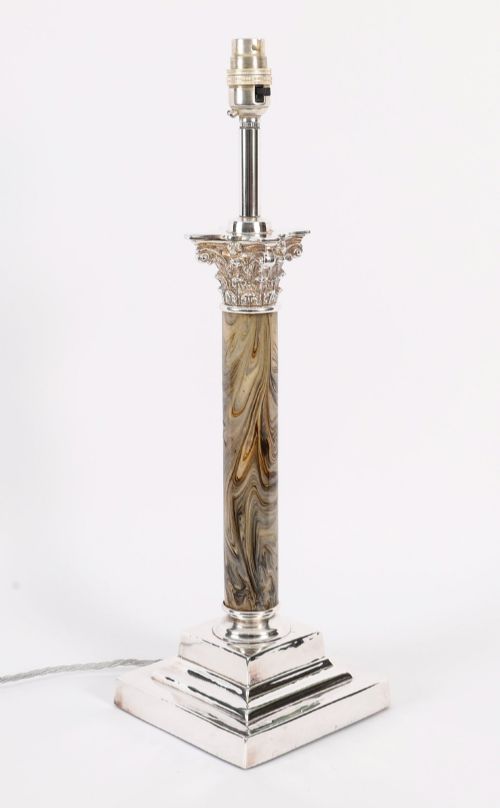
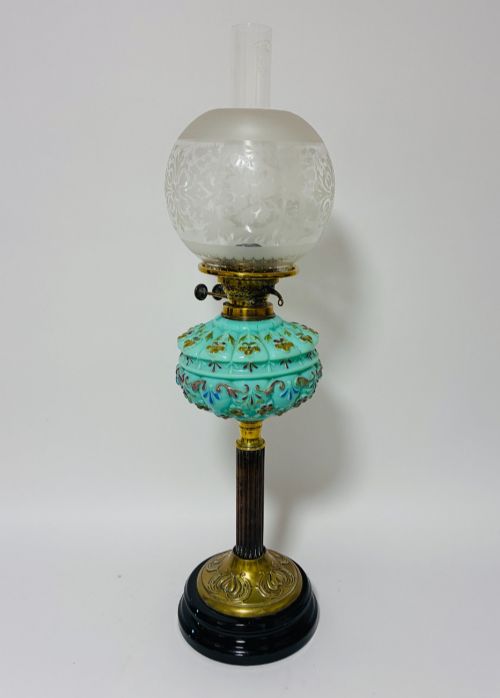
Many of these lamps began life as oil lamps before conversion to electricity, retaining substantial weight from their original metal fonts and weighted bases. Alongside metal shaft forms, you find occasional timber column lamps and pieces featuring glass or marble sections.
The selection ranges from simple reeded brass shafts to elaborate cast acanthus leaf capitals and silver plated mounts dating from the nineteenth century into the nineteen twenties.
How they were made
Maker workshops utilised heavy brass casting for capitals and bases, often combining hollow extruded metal columns with internal weighted rods for stability. Silver plating was applied over base metals to create formal dining room or library lighting.
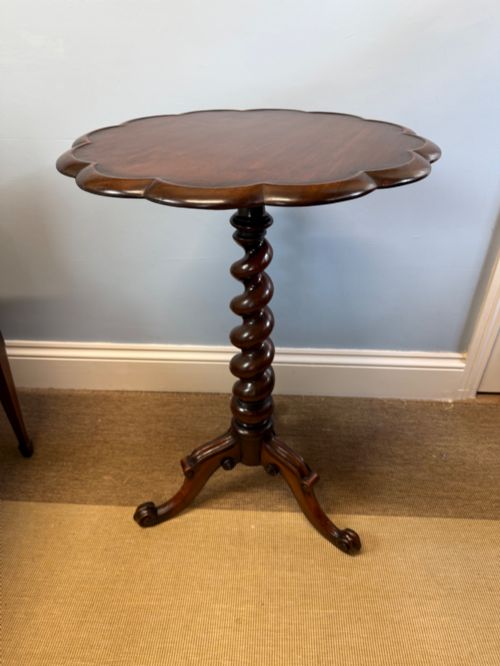
Wooden examples turned on lathes employ mahogany, oak, or walnut, sometimes featuring twisted shafts or cluster columns bound together. Marble and onyx sections were turned and polished to introduce colour contrast beneath the metal mountings.
Glass bodies incorporate pressed or cut reservoirs paired with brass burners, reflecting nineteenth century manufacturing techniques for domestic illumination.
Antique Column Table Lamp Retail Price Guide 2026
Typical asking prices for column table lamp among the pieces listed under this phrase on Sellingantiques today, from the lower quarter to the upper quarter. They describe what is for sale here now, not the wider market.
Oak and mahogany timber column lamps appear alongside traditional metal designs, reflecting alternative material choices in early twentieth century workshops.
What varies in quality
Subtlety of cast detail on the capital distinguishes superior metal lamps from simpler commercial production. Crisp acanthus leaves and well defined fluting on a Corinthian column demonstrate skilled metalworking rather than mass finishing.
Proportion and weight dictate the presence of a lamp in a room, with taller shafts and solid brass or silver plate holding balance beneath large fabric shades. The integrity of original plating or the rich patina of untouched timber surfaces marks the better preserved survivors.
The Antique Column Table Lamp Glossary
- Corinthian column
- An architectural column style featuring an ornate capital decorated with carved acanthus leaves. This motif appears frequently on nineteenth century metal lamp bases.
- Capital
- The topmost member of a column, situated directly beneath the lamp fitting. It often receives the heaviest decorative casting work.
- Reeded
- A decorative surface treatment consisting of parallel convex rounded moulding strips running vertically up the column shaft. It mimics classical stone carving in brass or wood.
- Silver plate
- A thin layer of silver fused or electroplated over a base metal such as brass or copper. It provides the appearance of solid silver at a lower weight and cost.
- Font
- The oil reservoir section positioned at the top of nineteenth century lamp bodies. Many converted examples retain this distinctive vessel beneath the bulb holder.
Antique Column Table Lamp: Frequently Asked Questions
How do I wire an antique column table lamp?
Rewiring is typically handled by passing modern flex through the internal channel previously occupied by the oil burner spindle or weighted rod. Professional electricians ensure the heavy brass or silver plated body is properly earthed.
Many pieces arrive already rewired for modern domestic use while retaining their original switches and weighted bases.
What shade suits a column lamp?
Traditional tall columnar bases require simple drum or empire fabric shades that do not overwhelm the classical proportions of the capital and base. Neutral linens or pleated silks complement the reflective surfaces of brass and silver plate.
The height of the column dictates a wider shade diameter to maintain visual balance across the table.
Are these lamps converted oil lamps?
A large proportion of Victorian and Edwardian metal column lamps started life as paraffin or oil burning domestic light sources before conversion to electricity. The original brass burners and galleries were removed or adapted to house lamp holders.
This heritage accounts for the substantial weight and robust construction found in these pieces.
How do I date a brass column lamp?
Dating relies upon stylistic details, manufacturing marks, and the construction methods used for the base and capital. Late nineteenth century examples often display crisp Neo-classical revival detailing and heavy silver plating.
Edwardian and George V pieces occasionally bear maker stamps or hallmarks on the silver components that confirm the exact year of production.