


Antique Colour Box
These antique colour box pieces bring together centuries of refined craftsmanship, offering exceptional materials and distinct historic character for the discerning collector.
Antique Colour Box
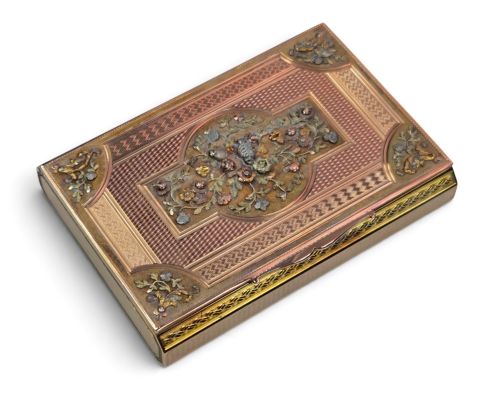
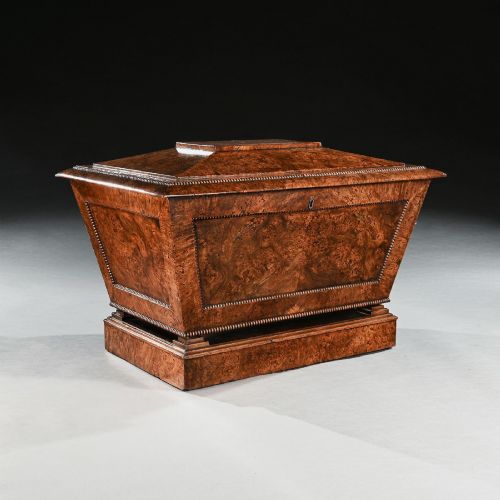
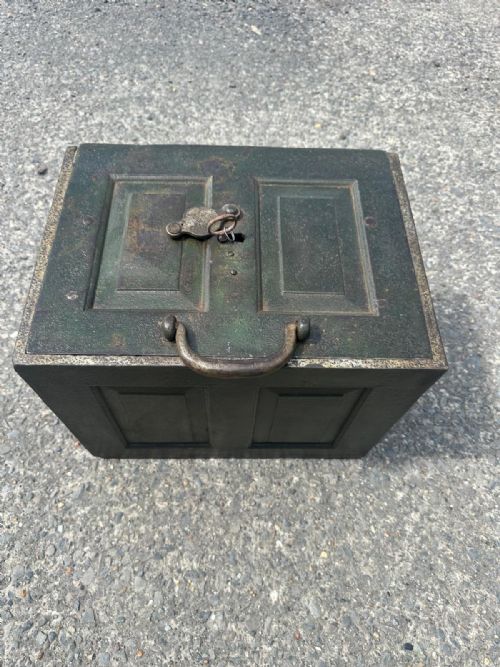
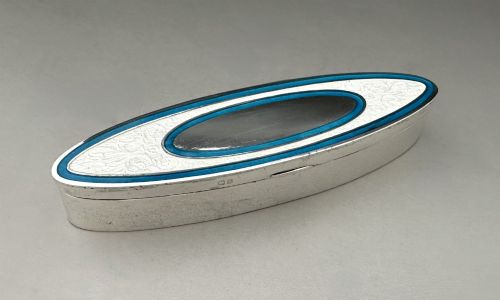
The objects on this page frequently include fitted wooden cases for painting alongside small receptacles defined by their vibrant enamel decoration or contrasting metal hues. Pollard oak cellarettes and oak candle boxes also appear, celebrated specifically for their warm timber tones and natural patina.
Georgian and Victorian examples dominate the offerings, showing how functional objects for painting, snuff-taking, or writing were elevated through decorative materials. Buyers seeking an antique colour box will find both practical travelling paint kits and miniature decorative containers.
Materials and construction
Makers constructed these items using precious metals, high-grade timbers, and vibrant decorative coatings. Gold boxes frequently employ two-colour or multi-colour gold techniques to create intricate surface patterns, while silver pieces often incorporate detailed enamel work or gilding.
Wooden boxes utilise fine hardwoods such as mahogany, pollard oak, and amboyna, sometimes featuring decorative inlay work. Artist's boxes house water-colour pigments and glass accessories within fitted compartments designed for portability and daily studio use.
The listings feature artist's boxes, snuff boxes, and cellarettes created across the eighteenth, nineteenth, and early twentieth centuries.
Quality and execution
The distinction between standard examples and top-tier pieces rests on the precision of the metalwork, the complexity of the enamel, and the prominence of the maker. Master goldsmiths and renowned colourmen applied superior finishing techniques that elevate certain items far above ordinary production.
Condition and originality dictate much of the appeal, particularly the retention of original contents, keys, and untouched patination on wood surfaces. Pieces featuring named makers or documented historical associations command greater attention among serious collectors.
Giles Loyer·Alexander J Strachan·Winsor and Newton·Louis-François Tronquoy·Khlebnikov
The Antique Colour Box Glossary
- Vinaigrette
- A small hinged box containing a perforated grill, designed to hold a sponge soaked in aromatic vinegar. These portable containers were popular accessories during the Georgian and Victorian periods.
- Vesta Case
- A small pocket container manufactured to hold matches, often featuring hinged lids and striking surfaces. Examples frequently display chased decoration or enamel sporting scenes.
- Cellarette
- A lockable container used to store bottles of wine near the dining table. They appear in polished hardwoods with rich natural patination.
- Intaglio
- A gem or glass seal carved into the surface so that an impression in wax produces a raised design. Desk sets often included collections of these coloured-glass items.
- Patina
- The surface sheen and mellowing developed by wood or metal through age and handling. This quality indicates genuine historical use.
Antique Colour Box: Frequently Asked Questions
What is an antique colour box?
An antique colour box typically refers to a fitted wooden case used by artists for carrying water-colour paints and accessories during the eighteenth and nineteenth centuries. The term also encompasses decorative boxes noted for multi-colour gold or enamel work.
These pieces reflect the intersection of utility and high decorative art, offering insight into historic painting practices and luxury craftsmanship.
How were artist's paint boxes used?
Artist's paint boxes served as portable studios for painters working outdoors or travelling. They contained cakes of water-colour pigment, mixing palettes, and sometimes glass seals or inkwells.
The fitted compartments ensured that delicate ceramic palettes and pigment cakes remained secure during transit.
How do I date an antique box?
Dating relies on hallmarks on silver and gold items, maker's paper labels inside wooden cases, and stylistic indicators such as Regency or Victorian design motifs. Wood choice and construction methods also provide chronological clues.
Examining the hinges, locks, and interior fittings helps establish the correct period of manufacture.
How should I care for wood boxes?
Wooden boxes require stable humidity levels and protection from direct sunlight to prevent the timber from splitting or warping. Gentle dusting and occasional wax application maintain the surface sheen.
Avoiding excessive moisture preserves both the structural integrity and the historic patina of the wood.