

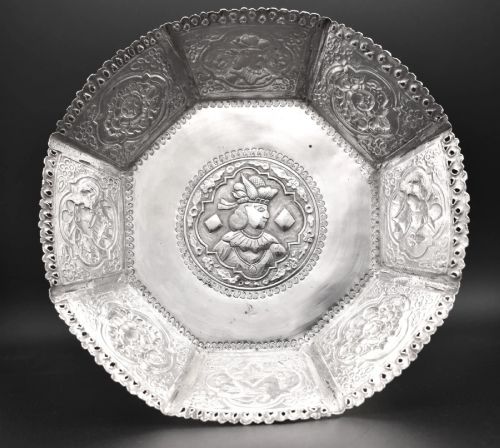


Antique Colonial Silver
Antique colonial silver brings together intricate regional craftsmanship and Western forms from the nineteenth and early twentieth centuries.
Antique Colonial Silver
When searching for antique colonial silver, buyers encounter items produced during periods such as the Victorian and Edwardian eras, spanning from the nineteenth century into the early twentieth century. These objects reflect the stylistic exchanges between European makers and regional artisans across various global territories.
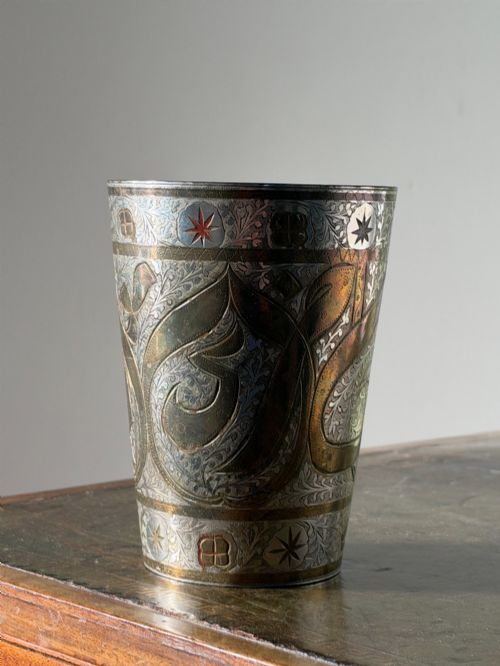
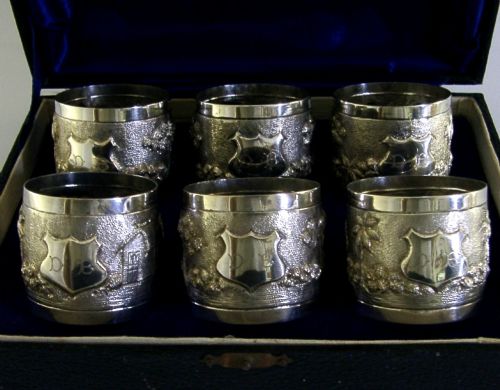
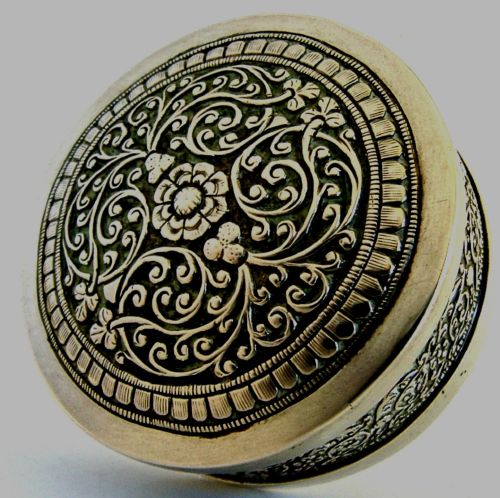
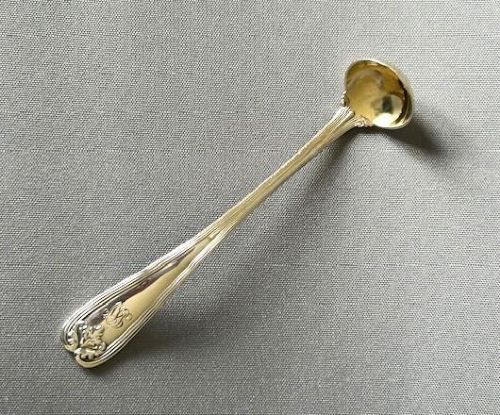
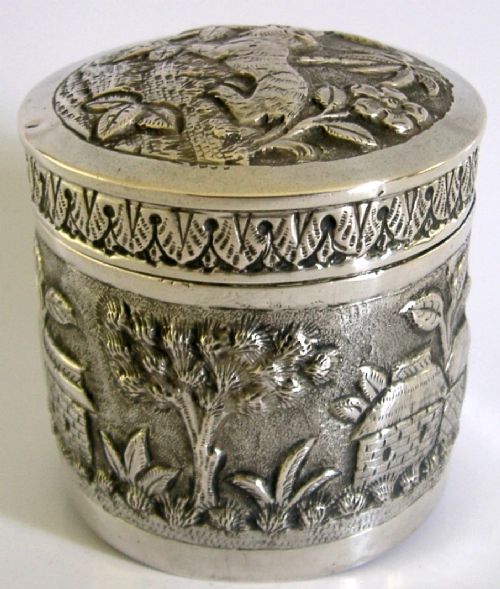
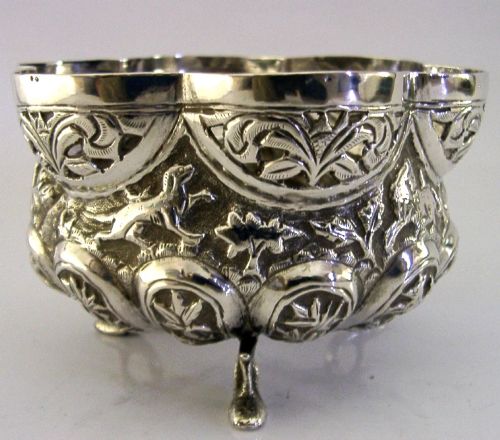
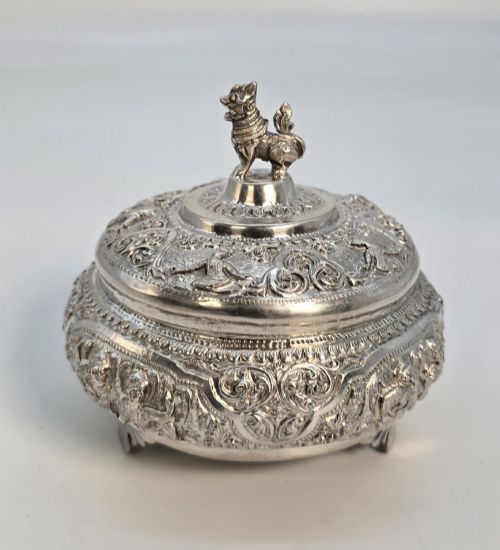
The selection on this page centres heavily on Indian and Anglo-Indian regional variants, alongside examples from Early American, Asian Export, and Australian origins. Forms range from small personal items like napkin rings, boxes, and condiment ladles to substantial serving pieces including bowls, trays, and tea caddies.
Utilitarian and decorative vessels dominate the available items, often combining traditional local ornamentation with conventional British or American tableware shapes. Alongside solid silver and sterling pieces, some items incorporate mixed media such as hardwoods, teak, and silver plate.
Materials and manufacturing techniques
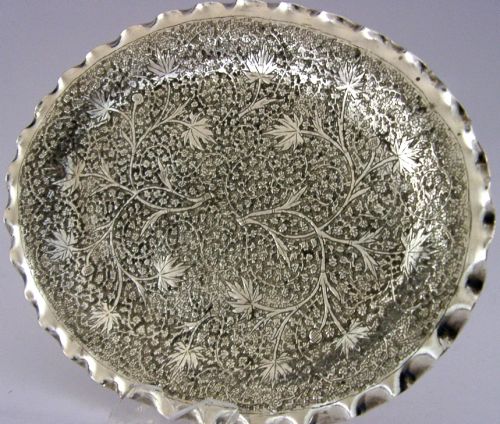
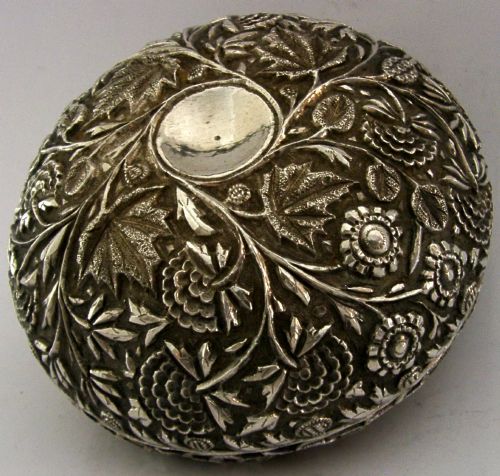
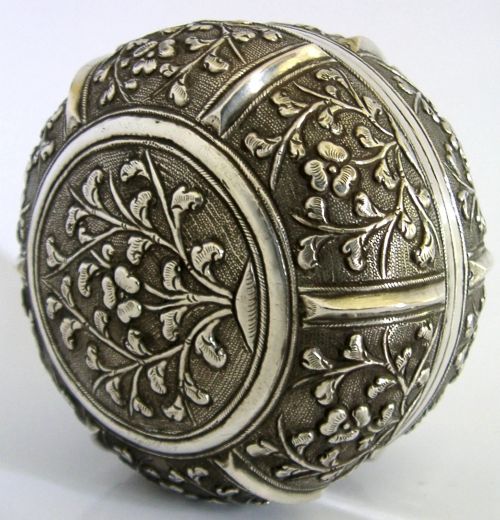
Articles are constructed primarily from solid silver, sterling silver, and silver plate, frequently complemented by structural elements of teak, hardwood, and carved wood. Metalworking techniques rely heavily on hand-hammering, repoussé work, and detailed wirework to create high-relief surface textures.
Antique Colonial Silver Retail Price Guide 2026
Typical asking prices for colonial silver among the pieces listed under this phrase on Sellingantiques today, from the lower quarter to the upper quarter. They describe what is for sale here now, not the wider market.
Among the small silver items hides a novelty pencil shaped precisely like a wild boar.
Factors determining quality
Distinction across the range depends on the crispness and depth of the chased or repoussé decoration, where deeply defined motifs demonstrate superior hand skills. The weight of the metal relative to the object's size also separates substantial presentation pieces from lighter production items.
The integrity of construction, particularly in hinged boxes, fitted caskets, and multi-component vessels, indicates the maker's technical capability. Furthermore, original boxes, clear regional attribution, and well-preserved surface patination elevate the standing of individual pieces.
Tiffany & Co.·Hamilton & Co. Calcutta
The Antique Colonial Silver Glossary
- Repoussé
- A metalworking technique where the artisan hammers the design from the reverse side to form a raised pattern on the front. This method creates high-relief surface ornamentation characteristic of many regional silver items.
- Sterling silver
- An alloy consisting of pure silver combined with small amounts of other metals, typically copper, to increase durability. Items bearing this designation meet specific compositional standards for silver content.
- Tazza
- An ornate shallow cup or bowl mounted on a stem and foot, used historically for serving small foods or display. These pieces often feature decorative repoussé borders.
- Tea caddy
- A small container or box designed specifically for storing dry tea leaves safely away from light and moisture. Antique versions frequently include fitted lids or internal compartments.
- Compote
- A raised vessel used for serving fruit, compotes, or sweets at the table, often featuring an openwork or wirework basket design.
- Salver
- A flat tray, usually made of metal and supported on small feet, used for serving drinks or presenting cards and letters.
Antique Colonial Silver: Frequently Asked Questions
What is Anglo-Indian silver?
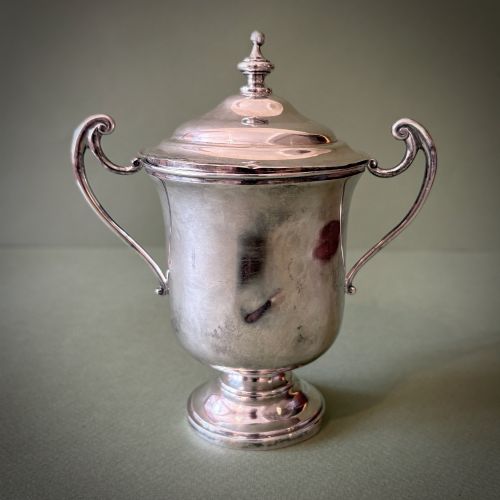
Anglo-Indian silver refers to items made in India by local silversmiths during the British colonial period, combining traditional Indian ornamentation with European functional forms like teapots, trophies, and card trays.
These objects often display distinct regional styles, such as the dense floral and animal repoussé work associated with the Kutch region or Madras workshops.
How do I care for antique silver?
Antique silver requires gentle handling and occasional cleaning with specialised non-abrasive silver polish to remove tarnish without wearing away the underlying engraving or repoussé detail.
Store pieces in dry environments away from direct sunlight, and avoid using rubber bands or harsh chemicals that can accelerate tarnishing on the metal surface.
What is Kutch silver?
Kutch silver originates from the Kutch region in Gujarat, India, renowned for its distinctive densely packed foliage patterns and animal motifs worked in high-relief repoussé.
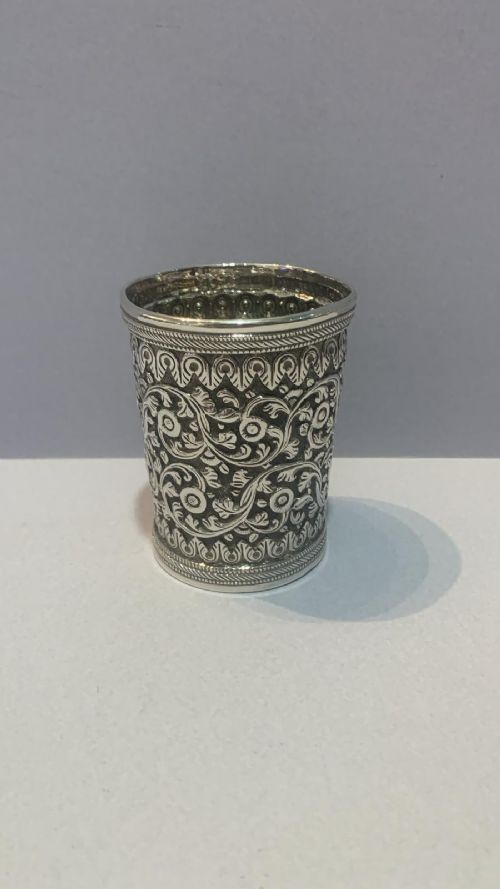
Silversmiths from this area produced everything from large decorative beakers to massive vases, highly prized for their intricate background texturing.
How do I date colonial silver items?
Dating these pieces relies on examining stylistic markers, retailer marks, and accompanying documentation such as original presentation cases or engraved inscriptions.
Comparison with documented examples from periods like the Victorian era or early twentieth century helps narrow down the decade of manufacture when hallmarks are absent or unclear.