
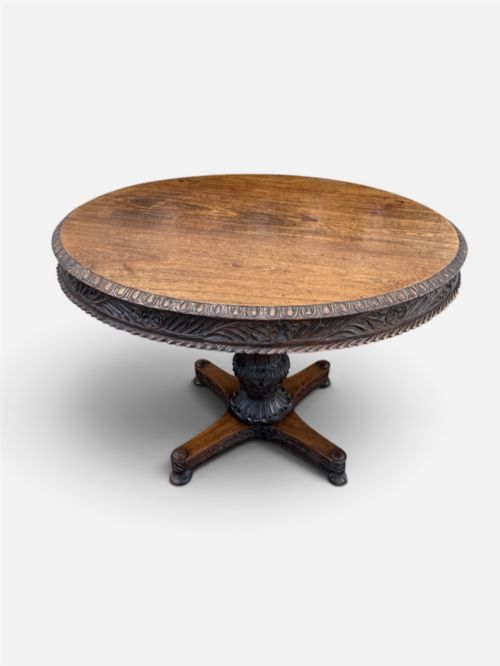


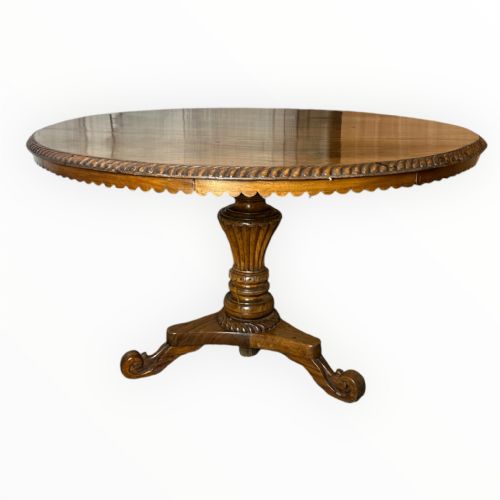


Antique Colonial Dining Table
These antique colonial dining table examples bring rich timbers and distant origins straight to the room, built for daily gathering.
Antique Colonial Dining Table
An antique colonial dining table serves as a sturdy centrepiece rooted in history, drawing together diverse regional aesthetics and robust construction. When searching for an antique colonial dining table, buyers encounter forms spanning the eighteenth and nineteenth centuries, alongside revival pieces from nineteen twenty.
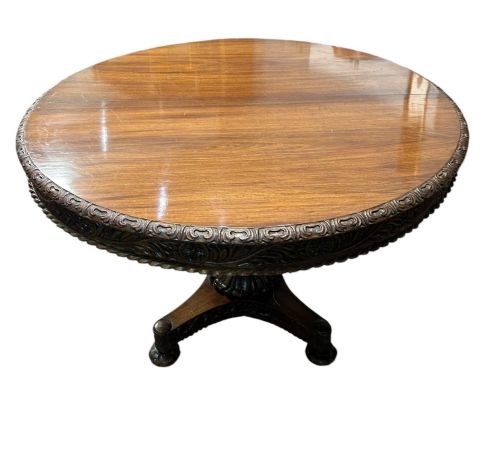
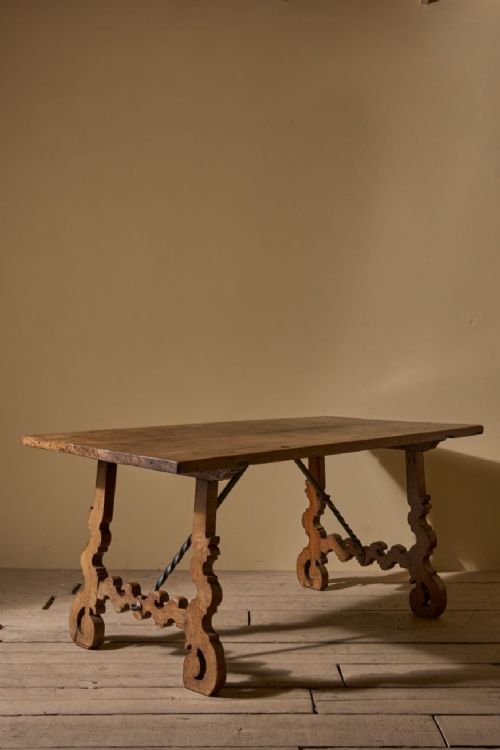
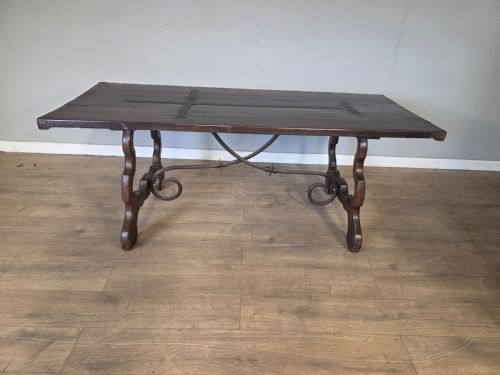
The selection here includes examples shaped by Spanish Baroque, Anglo-Indian, and Burmese vernacular traditions. These dining tables, centre tables, and refectory forms reflect global craftsmanship tied to British and Spanish colonial expansion.
How They Were Made
Cabinetmakers utilised dense timbers native to their respective regions, selecting walnut, teak, rosewood, oak, satinwood, and fruitwood for durability and rich grain patterns. Hardwood framing often received careful joining to withstand heavy daily use.
Iron fittings such as wrought iron components appear on specific trestle and refectory designs for added structural bracing. Surfaces range from polished timber finishes to painted treatments seen on Burmese village tables.
Listings feature timbers such as teak, rosewood, satinwood, and walnut across the eighteenth and nineteenth centuries.
What Varies in Quality
The distinction between standard examples and superior pieces rests on the choice of timber and the sophistication of the joinery. Dense rosewood, satinwood, and figured walnut command attention through their natural depth and colour.
Proportion and stylistic coherence define the better examples, whether executing a Spanish trestle format or an Anglo-Indian tilt-top mechanism. Finer pieces demonstrate restraint in ornament, letting the grain and timber speak for themselves.
The Antique Colonial Dining Table Glossary
- Refectory table
- A long, narrow dining table traditionally used for communal meals, often supported by trestles or substantial legs with stretchers. These pieces offer significant length for seating multiple diners.
- Tilt-top table
- A table featuring a mechanism that allows the surface to pivot to a vertical position when not in use. This clever design saved floor space in period rooms.
- Trestle table
- A table comprising two or more supports connected by a horizontal beam or stretcher. This construction provides robust stability without obstructing legroom.
- Centre table
- A freestanding table designed to be viewed from all sides, placed in the middle of a room rather than against a wall. They frequently served decorative or multi-purpose functions.
- Campaign table
- Portable furniture constructed for travel and military use, often featuring folding legs or removable parts. These items combined practical disassembly with fine cabinet timbers.
Antique Colonial Dining Table: Frequently Asked Questions
How do I care for my table?
Maintain timber surfaces by dusting with a soft, dry cloth and avoiding direct sunlight to prevent fading. Apply natural beeswax periodically to nourish hardwoods like walnut and teak without sealing the grain.
Keep humidity levels stable in the room to prevent timber movement or splitting. Protect the finish from hot dishes and moisture by using appropriate mats.
Can I use these for daily meals?
These tables were built for functional use, utilising durable hardwoods designed to withstand communal dining. Their sturdy construction handles regular family meals with ease.
Ensure chairs fit comfortably beneath the aprons and stretchers of particular designs, such as refectory or trestle tables, before seating guests.
How do I identify the period?
Examine the construction methods, tool marks, and timber characteristics visible on the underside and joints. Eighteenth-century examples often display hand-sawn elements and pegged joints.
Compare the decorative vocabulary, such as Spanish Baroque turning or Anglo-Indian carved motifs, against known regional furniture styles from the era.
What is Anglo-Indian furniture?
Anglo-Indian furniture refers to pieces made in India by local artisans using traditional British forms combined with native carving and timbers. Rosewood and satinwood frequently feature in these works.
This crossover style produced items for colonial officials and export, blending European utility with intricate oriental craftsmanship.