



Antique Collectables Cabinet
An antique collectables cabinet brings together precious cabinet plates, miniature furniture and decorative porcelain meant for display rather than daily service.
Antique Collectables Cabinet
When you search for an antique collectables cabinet, you find pieces designed to showcase small treasures, decorative plates, and miniature furnishings. The items inside range from Georgian and Victorian porcelain plates to apprentice pieces and miniature wooden chests.
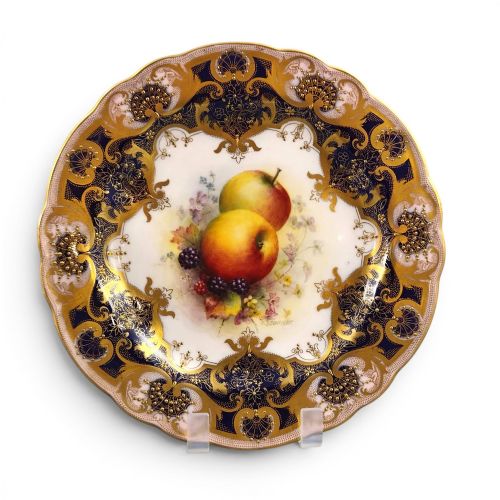
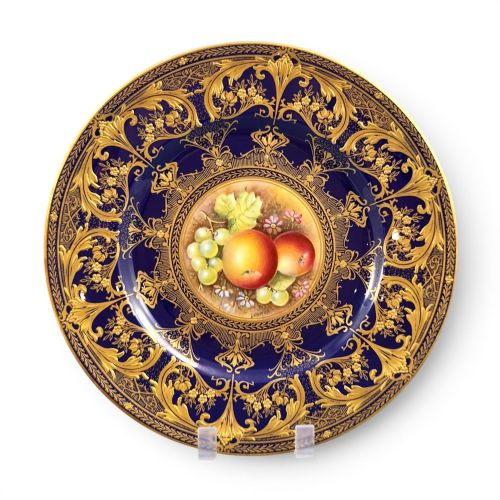
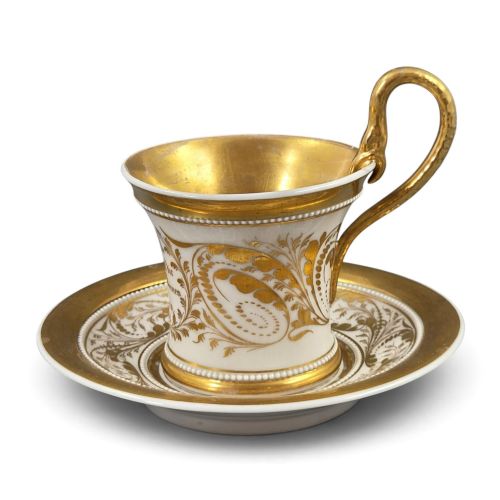
The selection on this page leans heavily toward fine porcelain cabinet plates, cups, and saucers alongside small display furniture such as bijouterie tables and apprentice chests. Makers from Spode, Minton, and Royal Worcester dominate the ceramic offerings across the nineteenth and twentieth centuries.
These items were originally produced to demonstrate supreme craftsmanship or to serve wealthy households as decorative showpieces. Today, collectors group them together to furnish dedicated display spaces and cabinets.
Materials and methods
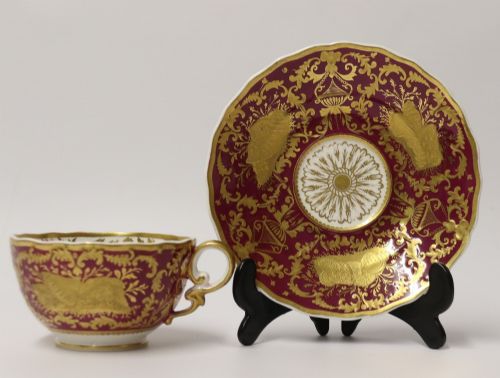
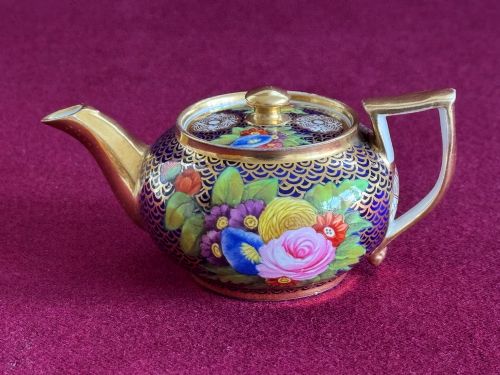
Ceramic pieces rely on porcelain, bone china, and hard-paste porcelain painted by hand with intricate fruit, floral, and landscape motifs. Artisans applied gold leaf, gilding, and gold gilding to highlight borders and rims on plates and cups.
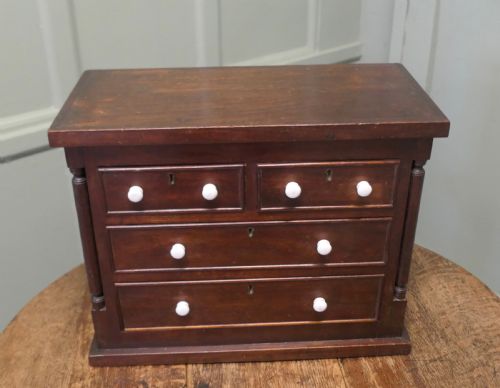
Wooden display items and miniature chests utilise figured walnut and mahogany formed into intricate small-scale furniture and table top display cabinets. Metalwork objects incorporate silver and iron, seen in miniature chairs and historic pistols.
Antique Collectables Cabinet Retail Price Guide 2026
Typical asking prices for collectables cabinet among the pieces listed under this phrase on Sellingantiques today, from the lower quarter to the upper quarter. They describe what is for sale here now, not the wider market.
Among the delicate tea sets and miniature chests sit nineteenth-century pinfire pistols and an authentic opium pipe.
Judging the range
Quality rests upon the skill of the hand-painting, particularly on fruit and floral plates where named artists executed the central motifs. Pieces featuring documented signatures or specific factory patterns command greater attention from serious collectors.
Material execution also defines the upper tier, distinguishing standard utilitarian ceramics from delicate cabinet cups and elaborately gilded presentation pieces. Miniature furniture quality depends on timber selection, such as figured walnut, and precision in scale.
Spode·H and R Daniel·KPM Berlin·Royal Worcester·Cauldon Ltd·Derby Porcelain·Minton·Barr Flight and Barr·Coalport·Meissen·Hutschenreuter·Davenport·Ridgeway·Royal Crown Derby
The Antique Collectables Cabinet Glossary
- Cabinet plate
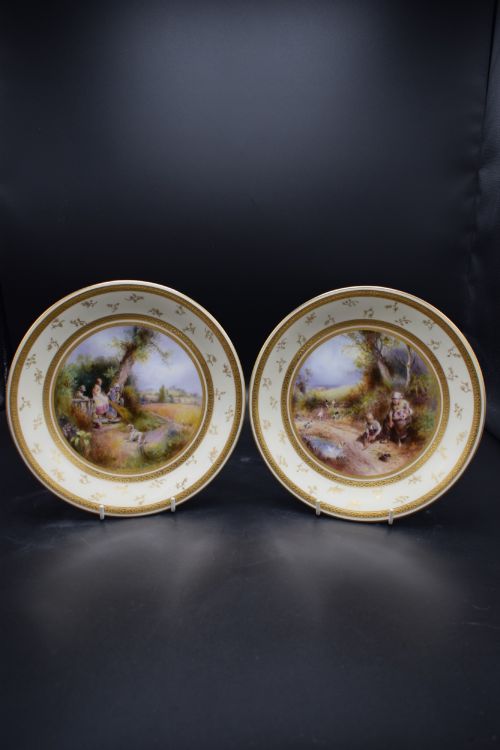
- A decorative ceramic plate intended purely for display in a cabinet rather than for dining. These often feature hand-painted scenes by notable artists and rich gilding.
- Apprentice piece
- A small-scale item of furniture created by a craftsman to demonstrate skill and secure master status. Miniature chests and drawers are typical examples found in this category.
- Bijouterie table
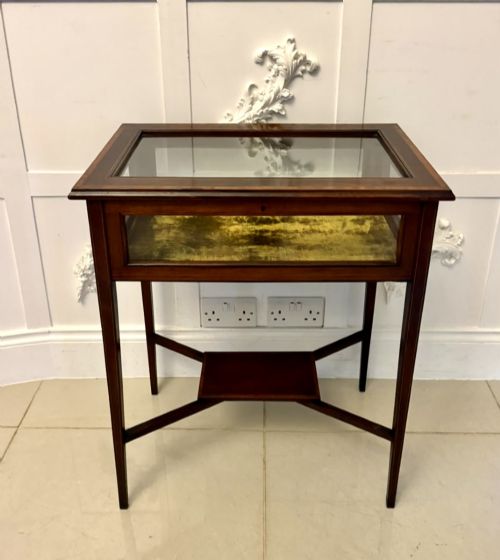
- A glass-topped display table designed specifically for housing small collectables, medals, and trinkets. They emerged to keep delicate items visible yet protected from dust.
- Hard-paste porcelain
- A durable ceramic paste fired at high temperatures, composed of kaolin and petuntse. It provides a bright white body favoured by major European factories.
- Demi tasse
- A small cup used for serving strong black coffee. They frequently appear in porcelain sets alongside matching saucers.
Antique Collectables Cabinet: Frequently Asked Questions
What is an antique collectables cabinet?
An antique collectables cabinet refers to furniture or display pieces used to house small treasures, or it describes the miniature ceramics and objects traditionally displayed within them.
The listings under this search span delicate porcelain cabinet plates, miniature chests, and bijouterie tables designed for showcasing fine decorative items.
How were cabinet plates used?
Cabinet plates were created exclusively for visual display on walls, plate racks, or inside glass-fronted furniture rather than for holding food.
Because they were painted by master artists with fragile gilding, owners kept them safe from everyday dining wear.
How do I care for display porcelain?
Display porcelain requires gentle dusting with a soft brush and should remain out of direct sunlight to preserve hand-painted enamel colours and gold gilding.
Avoid washing antique pieces with harsh detergents or placing them in modern dishwashers.