


Antique Collectable Sculpture
These antique collectable sculpture pieces bring character to a room, ranging from bronze animals to porcelain figurines.
Antique Collectable Sculpture
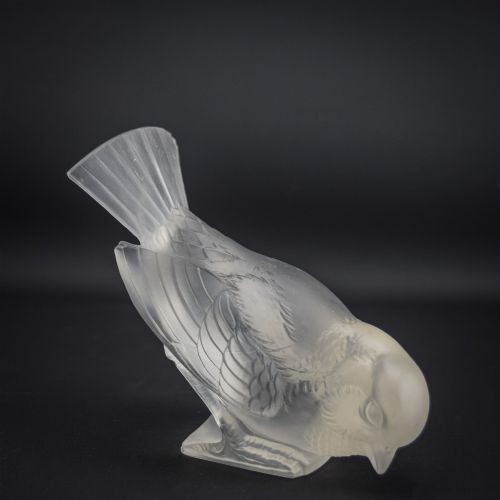
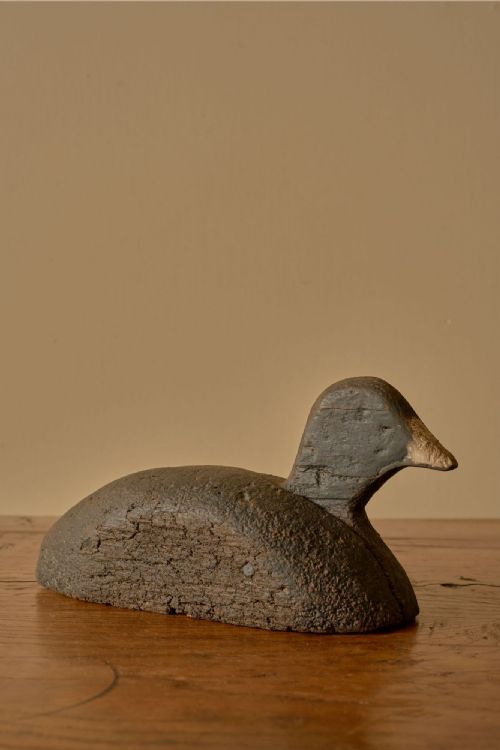
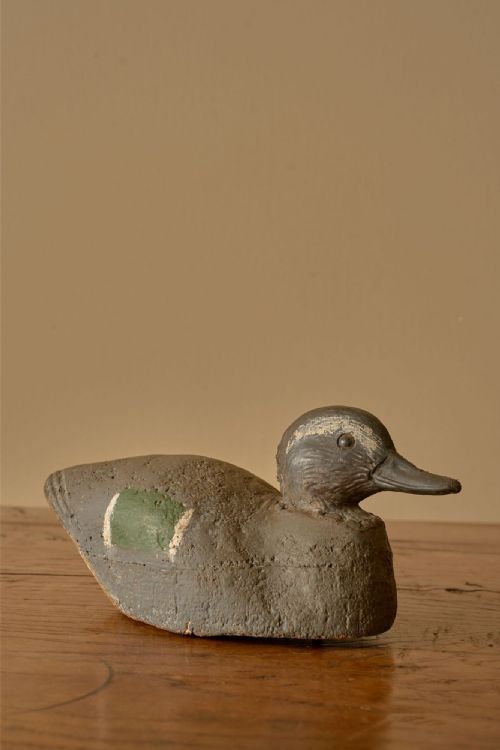
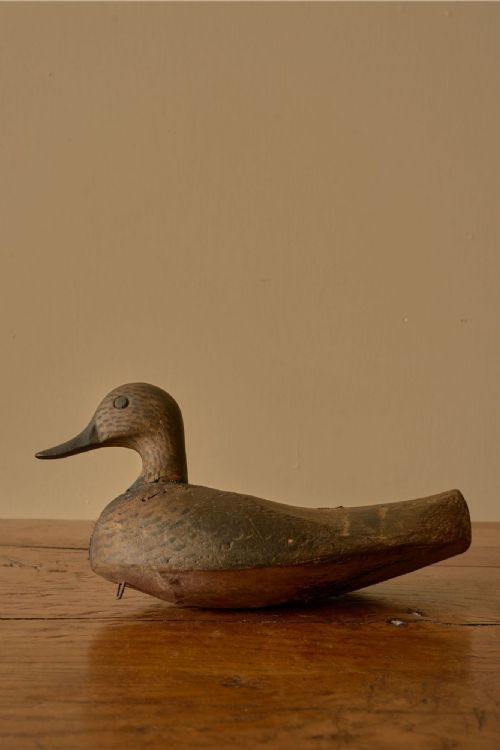
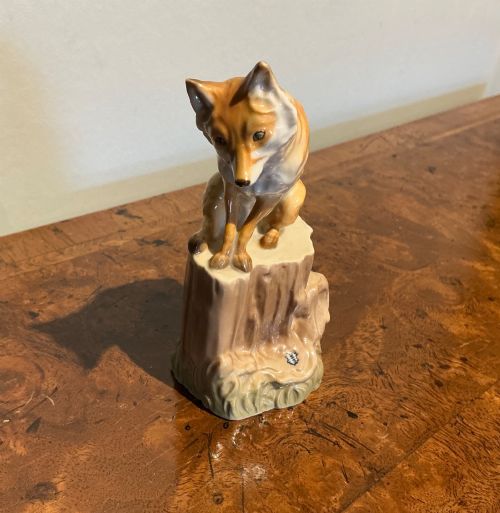
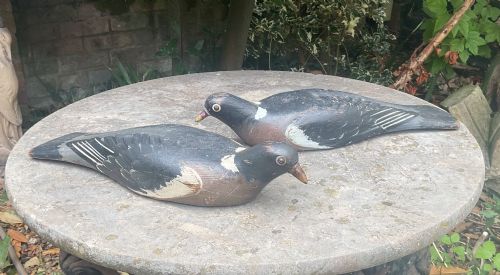
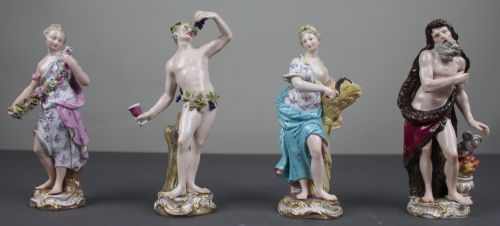
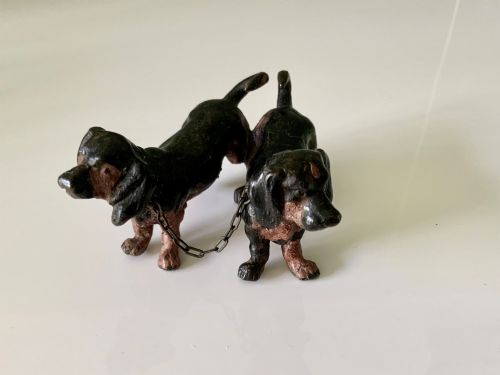
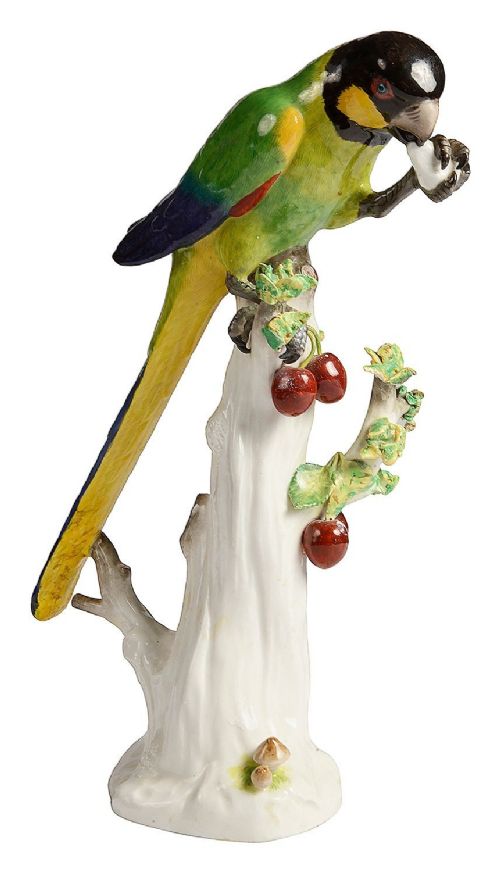
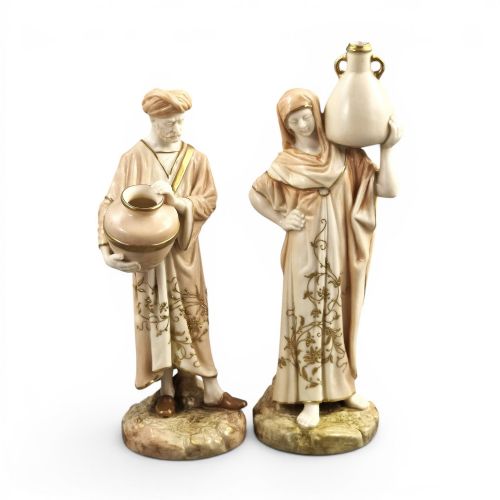
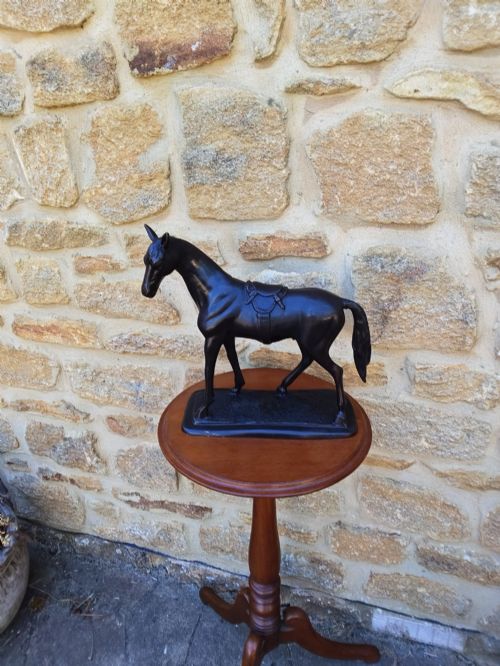
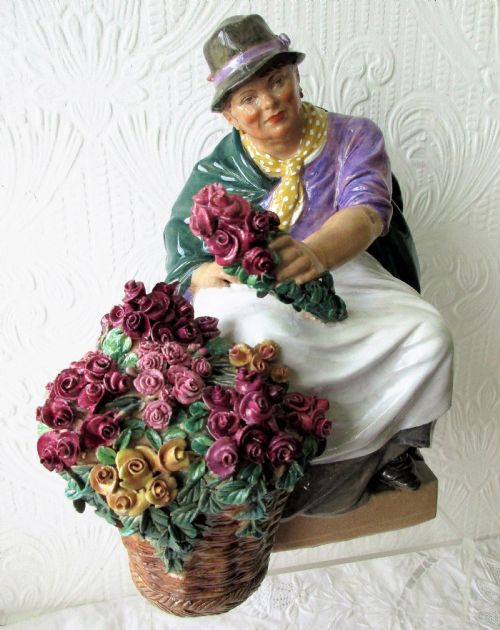
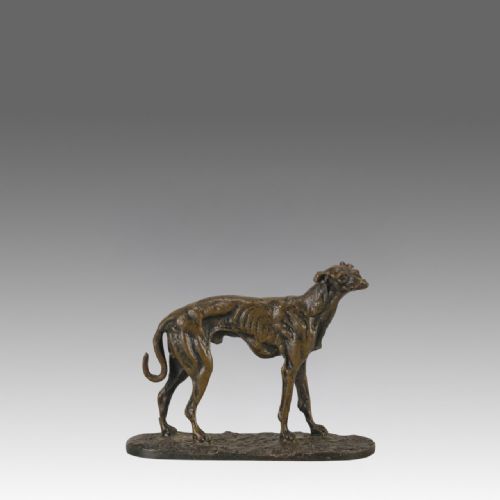
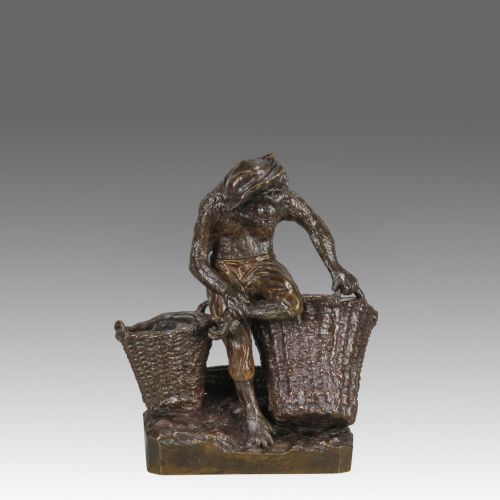
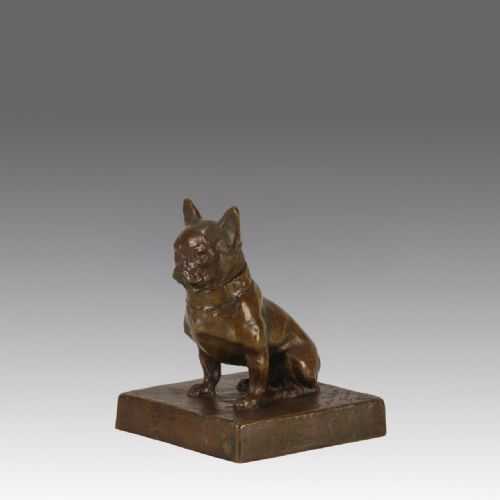
When searching for antique collectable sculpture, a buyer encounters a diverse group of objects spanning decorative figures, animalier studies, and functional carvings. The pieces found here include porcelain figures, carved wooden decoys, and bronze animal studies.
The selection ranges from nineteenth-century porcelain and treen to twentieth-century bronzes and studio pottery figurines. Buyers will frequently meet items originating from English, French, and Austrian workshops, reflecting the broad reach of past decorative arts.
Forms vary from delicate carousel figures and porcelain birds to utilitarian items like tobacco jars and car mascots. Each piece serves primarily as a decorative object or a small-scale display work.
How they were made
Metals such as bronze and spelter were cast, often utilising cold-painted or gilt finishes to define details on animal and human figures. Bronze works frequently bear the signatures of notable modellers.
Ceramic pieces combine earthenware, porcelain, and studio pottery clays with hand-applied glaze, enamel, and paint. Wooden objects rely on hand carving, utilising fruitwood, cherry amber, and painted finishes.
Antique Collectable Sculpture Retail Price Guide 2026
Typical asking prices for collectable sculpture among the pieces listed under this phrase on Sellingantiques today, from the lower quarter to the upper quarter. They describe what is for sale here now, not the wider market.
A leather rhinoceros desk ornament stands ready to charge through your paperwork.
What varies in quality
Quality rests in the precision of the casting or carving and the fidelity of the modelling. Master bronze casters capture musculature and texture with greater realism than routine commercial foundries.
In painted and glazed ceramics, the subtlety of the colour application and the crispness of the mould dictate distinction. Artisanal studio pottery pieces derive their merit from individual modelling and distinctive glazing techniques.
Nymphenburg·Meissen·Royal Worcester·Christophe Fratin·P J Mêne·Charles Vyse·Rene Lalique·Liberty And Co·Franz Bergman
The Antique Collectable Sculpture Glossary
- Animalier
- A nineteenth-century artistic movement dedicated to the realistic portrayal of animals. Sculptors in this tradition often focused on wild beasts and domestic hounds.
- Cold painted
- A method of applying non-fired paint to bronze sculptures. This technique was widely utilised by Austrian foundries for small animal bronzes.
- Treen
- Small handmade wooden household objects and decorative items. These pieces showcase traditional woodturning and carving skills from past centuries.
- Spelter
- A zinc alloy utilised as a less expensive alternative to bronze for decorative figures and desk ornaments. It is frequently given a bronze-like finish.
Antique Collectable Sculpture: Frequently Asked Questions
How do I care for antique bronze sculptures?
Keep bronze figures away from direct sunlight and high humidity to protect the patina. Dust them gently with a soft, dry cloth without applying modern polishes.
Over-cleaning can strip away historical finishes and reduce the character of the metal surface.
Were wooden decoy ducks used outdoors?
Traditional wooden decoys served a practical purpose on the water to attract wild birds to hunters. Makers carved and painted them with realistic colour schemes to deceive waterfowl.
Today, these surviving working objects are displayed as folk art sculptures indoors.
What is an animalier bronze?
An animalier bronze depicts animals in naturalistic poses, often showing tension or movement. Nineteenth-century French and Austrian foundries produced many of these detailed studies.
Collectors prize them for their anatomical accuracy and expressive character.
How are porcelain figurines dated?
Porcelain figures often carry underglaze factory marks, model numbers, or impressed ciphers on the base. Reference books link these specific marks to active production periods.
Stylistic details like clothing and hair also help narrow down the decade of creation.