

Antique Coat Tree Stand
These antique coat tree stand pieces combine utility and hallway presence, offering practical hanging space shaped by decades of traditional design.
Antique Coat Tree Stand
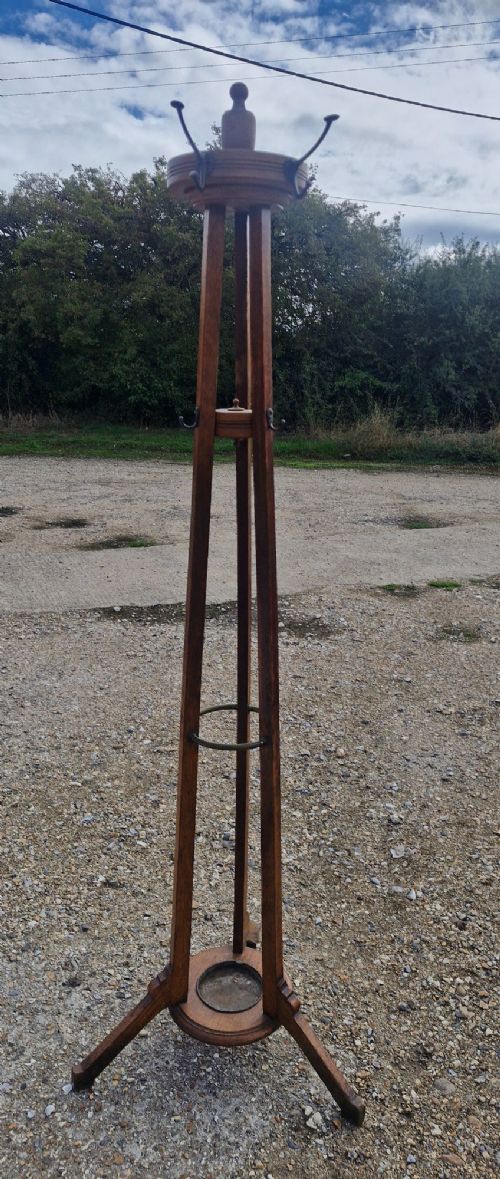
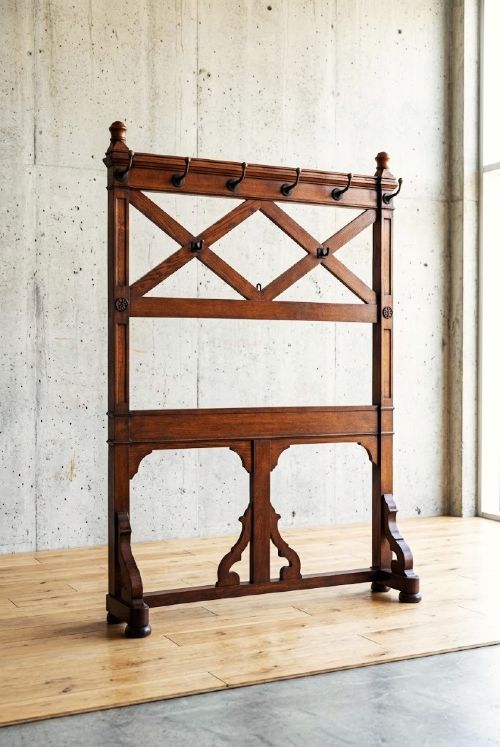
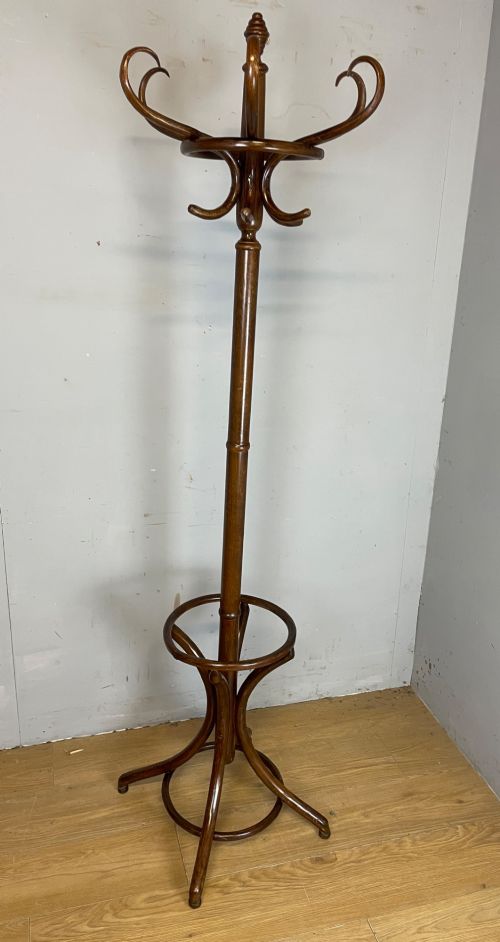
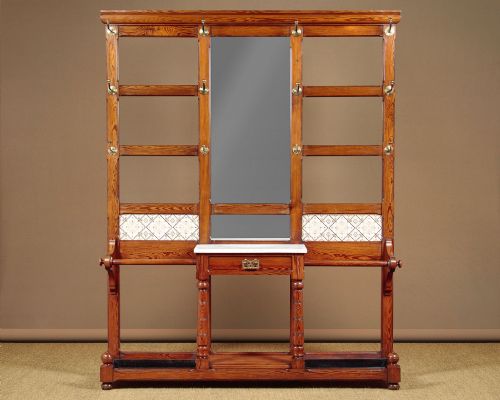
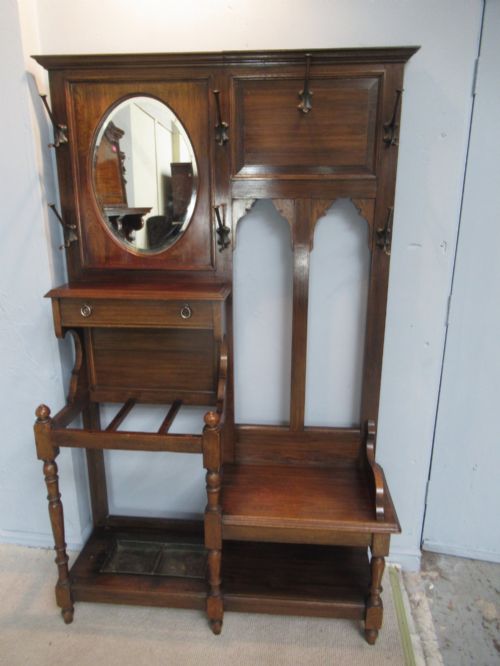
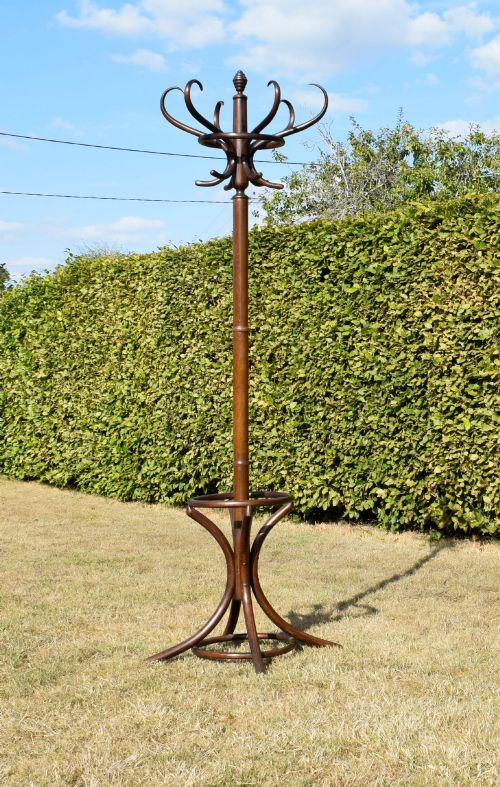
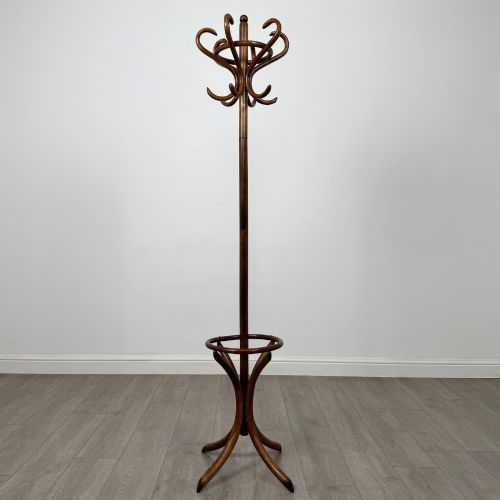
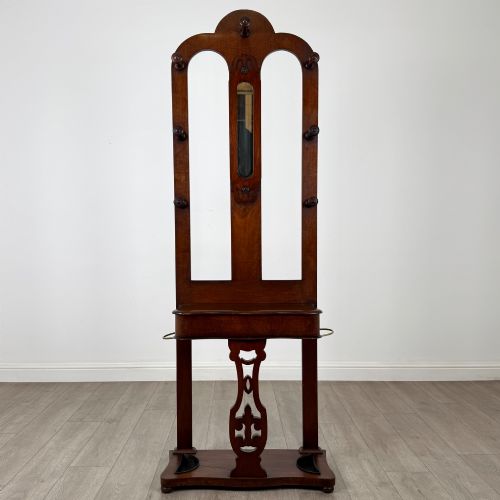
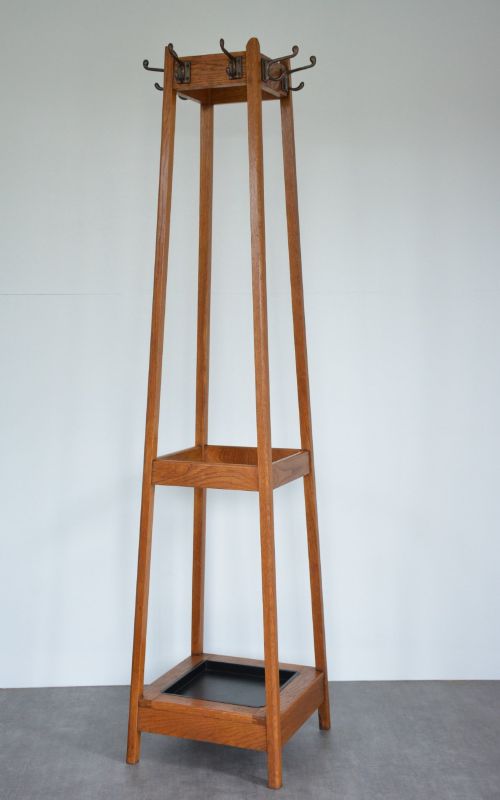
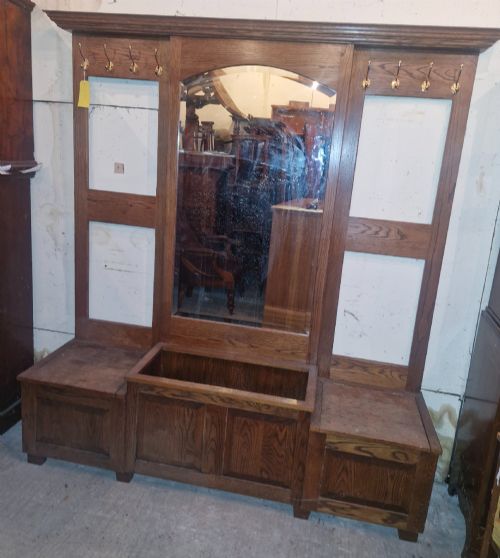
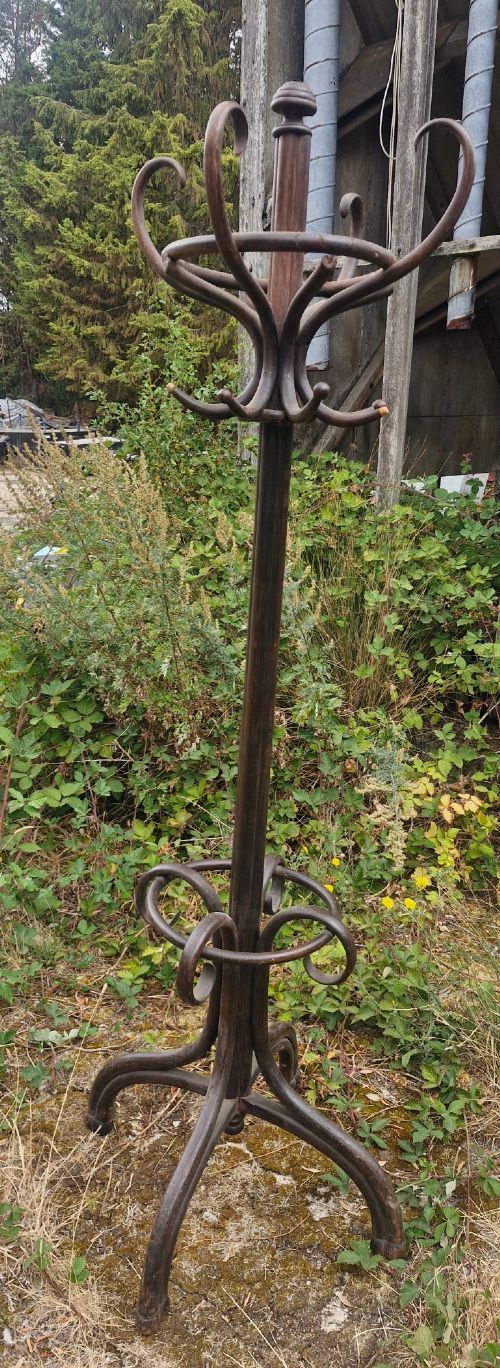
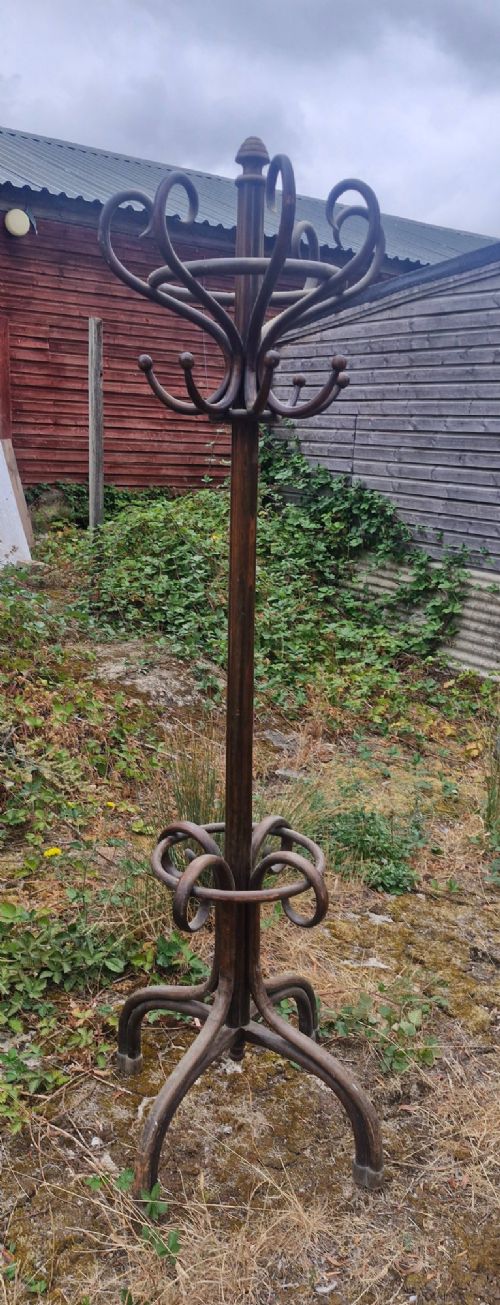
An antique coat tree stand serves as a functional piece of hallway furniture designed to hold hats, coats, sticks, and umbrellas. The selections encountered here range from compact bentwood pillars to substantial oak hall stands with integrated seats and drip trays.
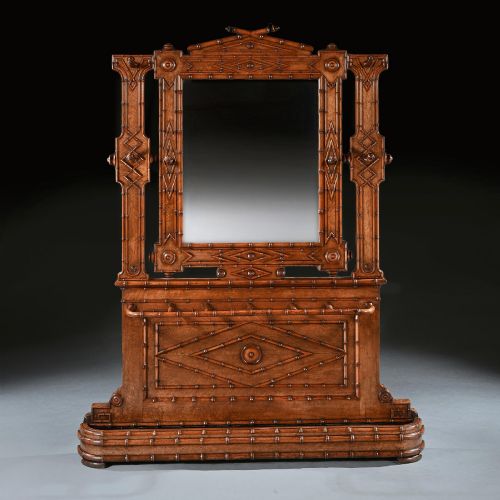
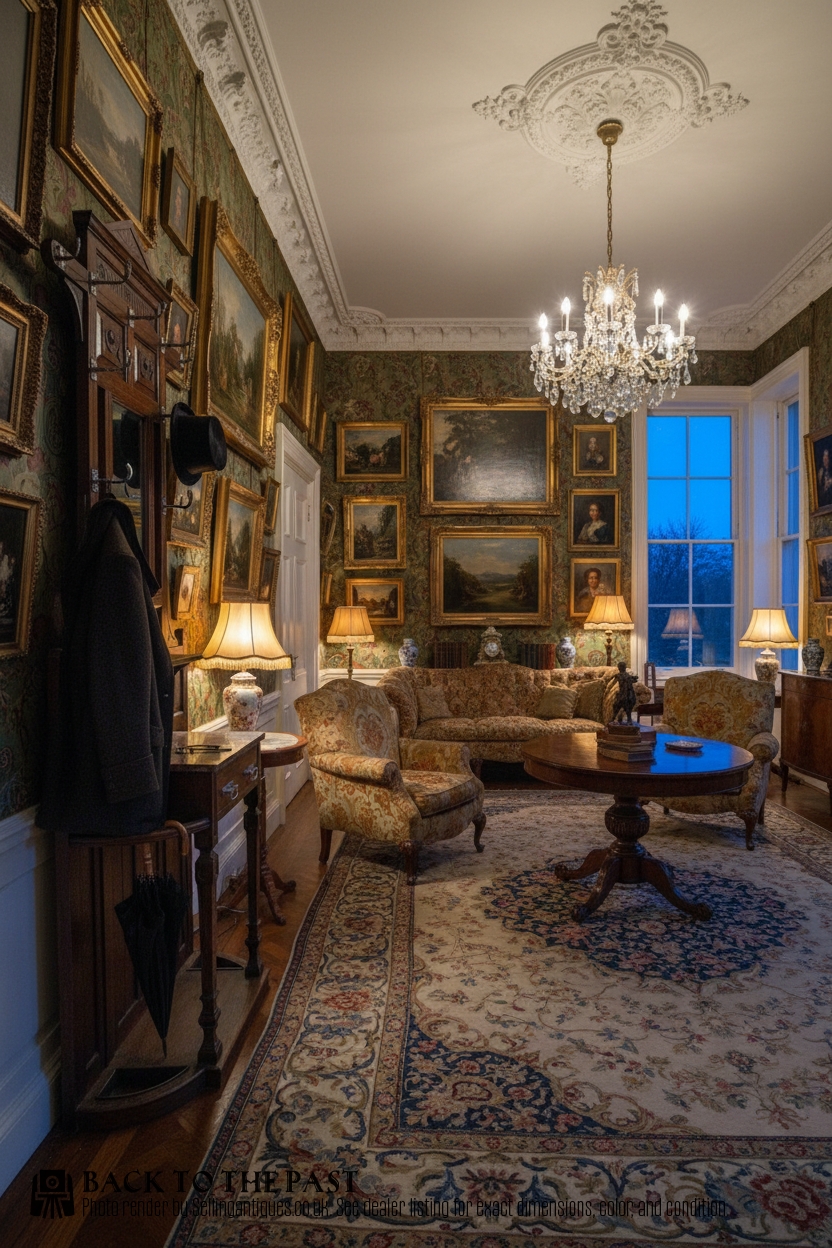
Victorian and Edwardian examples dominate the selection, spanning styles from Arts and Crafts to Gothic Revival and Art Nouveau. Buyers often encounter multifaceted hall furniture that combines mirrors, umbrella holders, and bench seating into a single vertical footprint.
The materials vary from steam-bent beech and solid oak to cast iron and exotic bamboo, reflecting the diverse domestic needs of the nineteenth and early twentieth centuries. Pieces range from simple revolving hat racks to grand, multi-functional hall seat stands.
How they were made
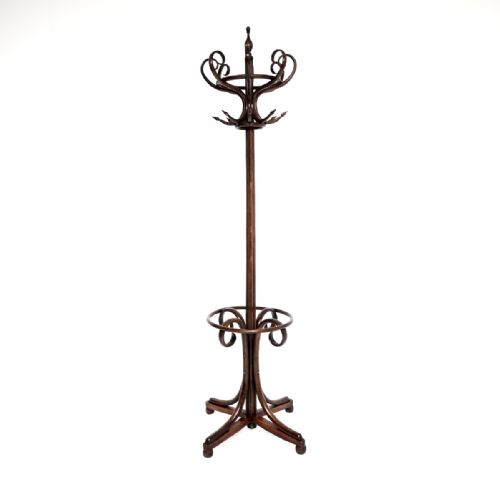
Makers utilised steam-bent beechwood to create the fluid, curved silhouettes seen in classic bentwood coat stands. This technique allowed timber to be manipulated into graceful arches for hooks and supporting frames without sacrificing structural integrity.
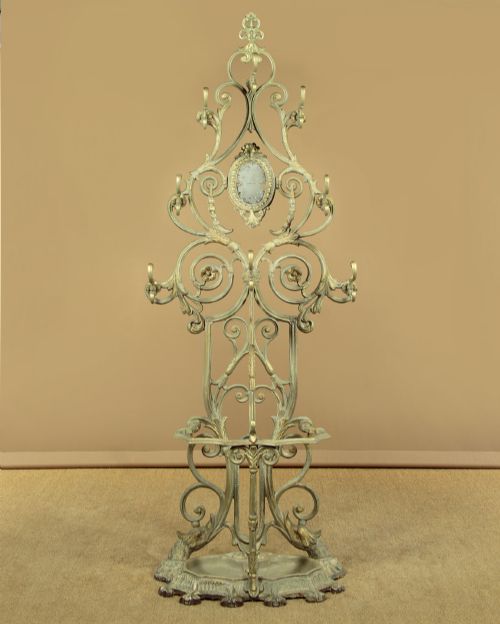
Solid oak, mahogany, and pine construction involved traditional joinery, often incorporating carved details, brass hooks, and mirrored panels. Cast iron examples utilised intricate mouldings to mimic bamboo or gothic forms, paired with removable metal drip trays for wet umbrellas.
Some tall stands feature revolving top sections so users could spin the rack to locate a favourite hat without reaching around.
What varies in quality
The distinction between standard utility items and finer examples rests in the complexity of the timber selection and the refinement of the carving or bentwood curves. Heavier gauges of bentwood and deeply figured oak or birdseye maple distinguish the more ambitious commissions from plain utilitarian hall furniture.
Hardware integration also defines quality, such as the presence of original heavy brass hooks, intact mirrored glass, and cast metal drip trays rather than later replacements. The architectural harmony of combined elements, such as a seat, mirror, and umbrella stand working as one cohesive unit, separates ordinary pieces from exceptional ones.
The Antique Coat Tree Stand Glossary
- Bentwood
- Wood shaped by exposure to steam, allowing craftsmen to create smooth, continuous curves. This method defines many lightweight coat stands and hall trees.
- Hall Stand
- A piece of furniture placed in an entrance hallway designed to hold outerwear, hats, and walking sticks. Many incorporate mirrors, hooks, and umbrella storage.
- Drip Tray
- A shallow metal or ceramic tray positioned at the base of a stand to catch water from wet umbrellas. It protects the surrounding wooden floorboards from moisture damage.
- Aesthetic Movement
- A late nineteenth-century design style emphasising visual beauty over narrative subject matter. Pieces from this movement often feature faux bamboo or exotic influences.
- Gothic Revival
- An architectural and decorative style drawing inspiration from medieval forms. In hall furniture, this translates to pointed arches, heavy tracery, and solid oak construction.
Antique Coat Tree Stand: Frequently Asked Questions
What is an antique coat tree stand?
An antique coat tree stand is a vertical piece of hallway furniture designed to suspend hats, coats, and accessories. These objects provided organised storage for outerwear in entrance halls before built-in closets became common.
They range from slender single-pole bentwood designs to wide architectural hall stands featuring integrated seats, mirrors, and umbrella wells.
How were bentwood stands constructed?
Bentwood stands were made by steaming lengths of beechwood until pliable and bending them into curved forms using specialised metal straps and wooden moulds. This technique produced strong, lightweight frames capable of supporting heavy garments.
MAKERS such as Thonet popularized this efficient production method during the nineteenth century.
Where should I place a hall stand?
Hall stands are traditionally positioned in entranceways, hallways, or boot rooms where coats and hats are removed upon entering a home. Their vertical orientation makes them well-suited for narrow spaces that require maximum storage without consuming much floor area.
When positioning a piece with a mirror or hooks, ensure it is anchored securely if it carries heavy winter garments.
How do I identify a Victorian stand?
Victorian examples often feature dark, rich timbers like mahogany or oak, sometimes displaying elaborate carvings, heavy crown mouldings, or Gothic Revival influences. Cast iron versions from this era frequently employ structural motifs like faux bamboo.
Edwardian and later pieces tend to exhibit lighter oak tones or simplified bentwood profiles reflecting changing domestic tastes.