

Antique Coat Rack Tree
An antique coat rack tree is a practical hallway centrepiece for hanging garments and hats while anchoring an entrance space with period character.
Antique Coat Rack Tree
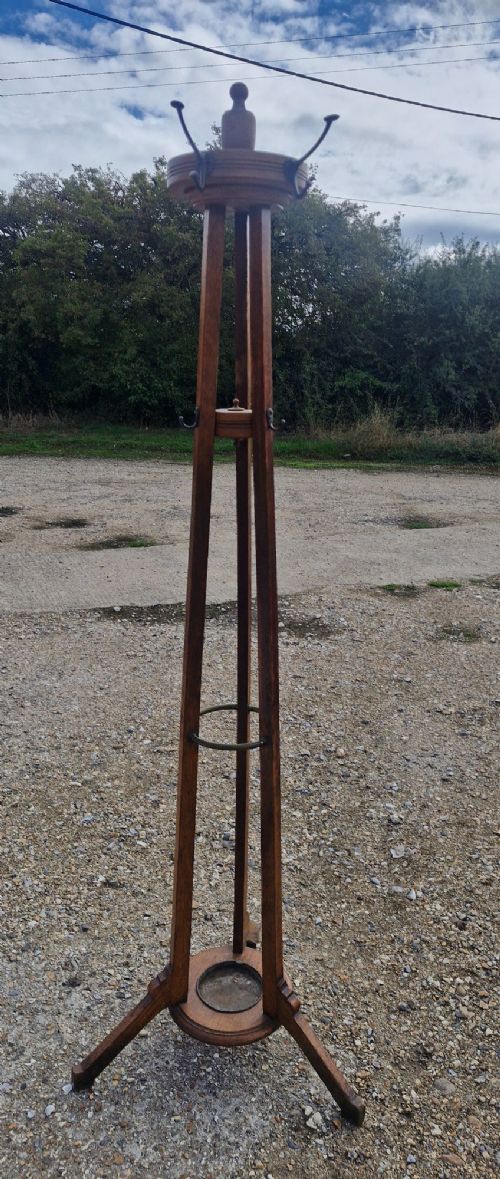
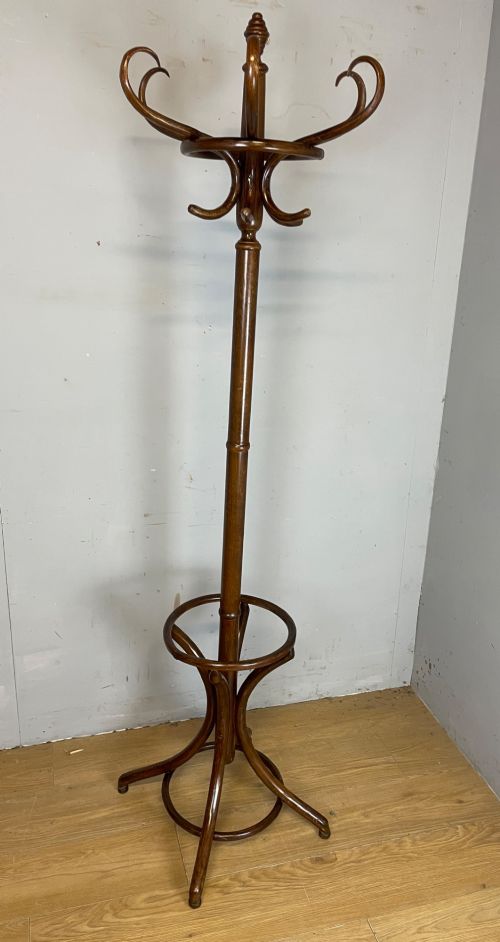
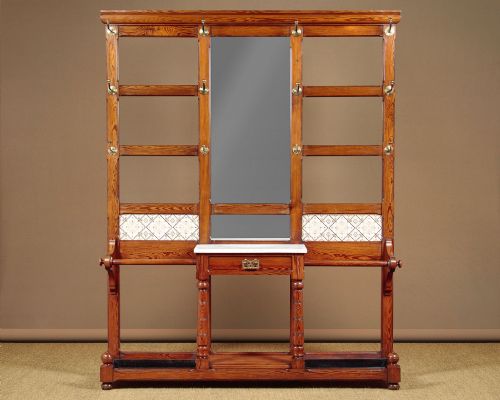
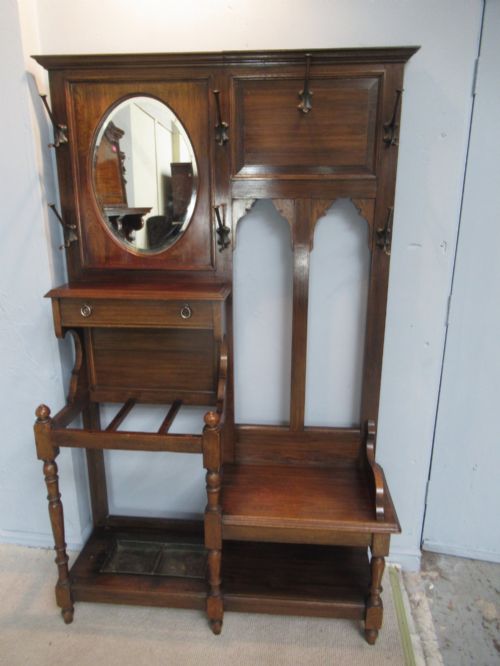
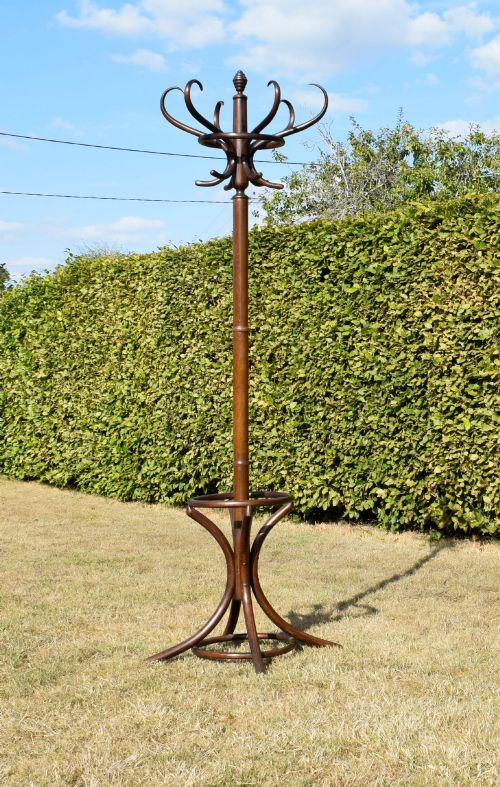
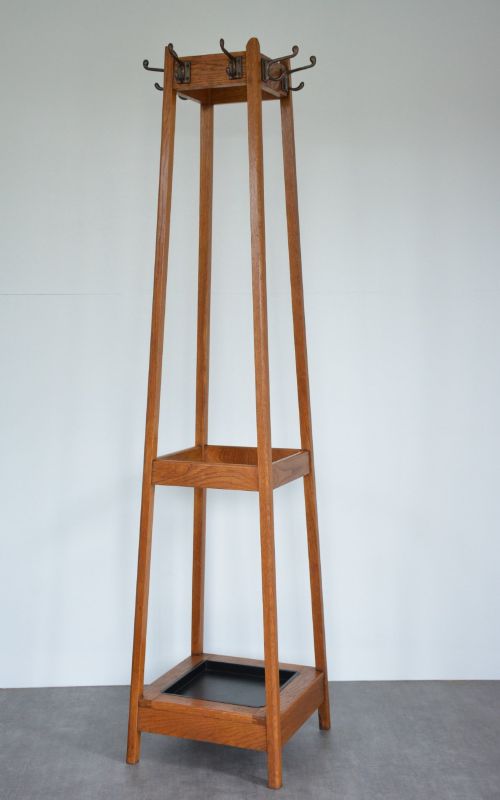
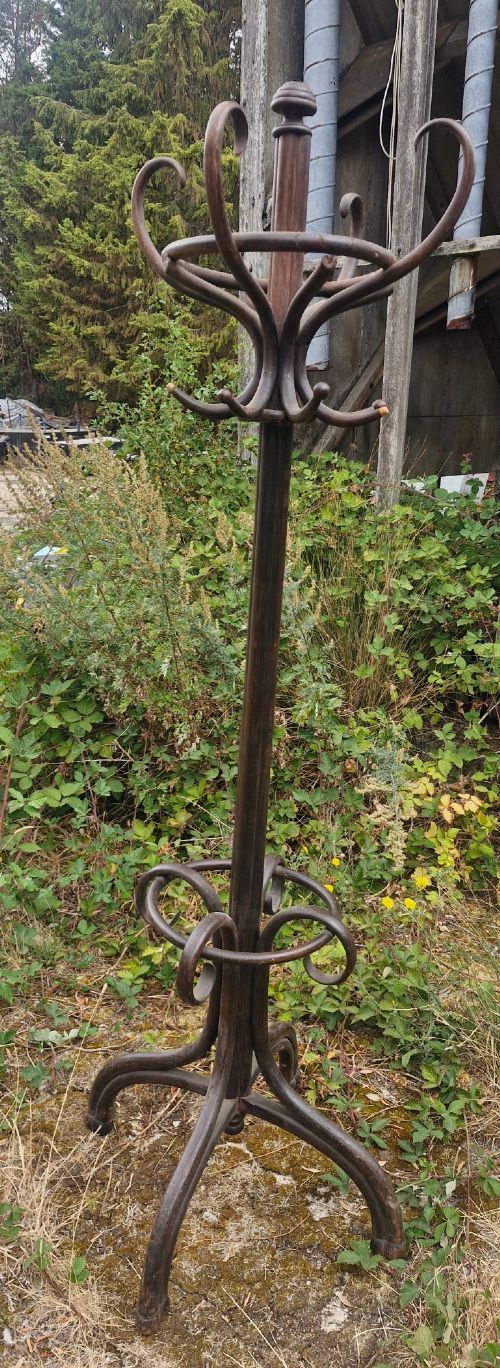
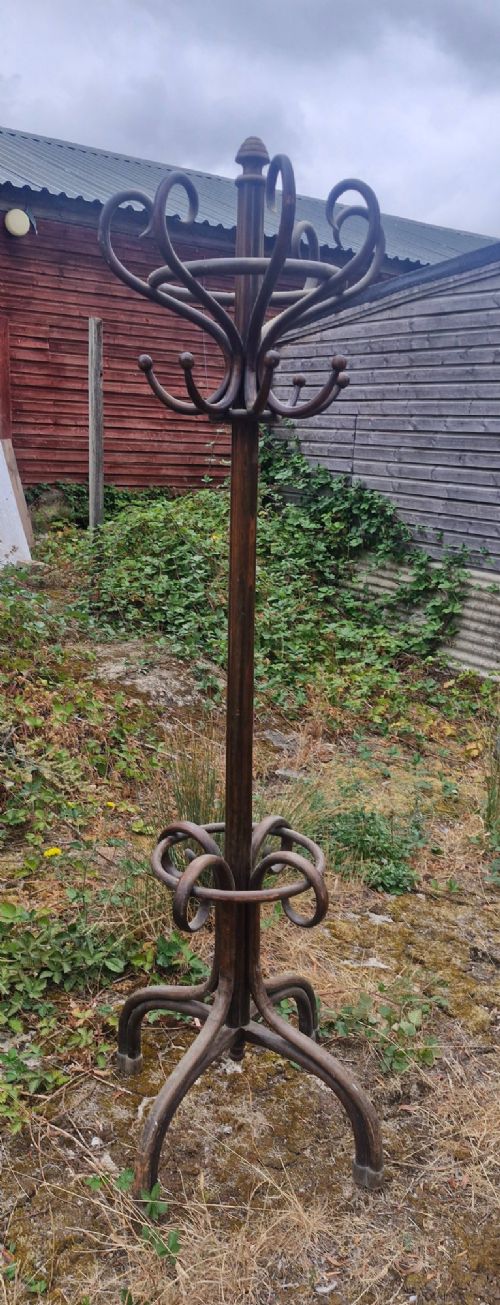
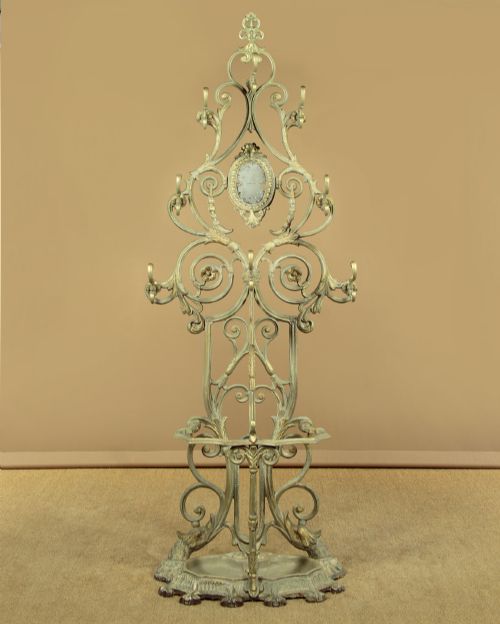
When you search for an antique coat rack tree, you encounter sturdy upright pieces designed to organise entranceways, ranging from freestanding hall stands to revolving designs. The selection draws heavily on Victorian, Edwardian, and early twentieth-century periods, showcasing forms that often incorporate umbrella holders and drip trays.
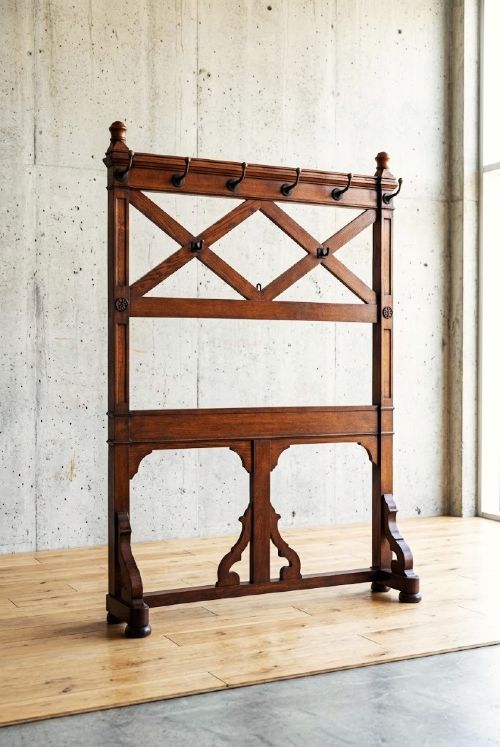
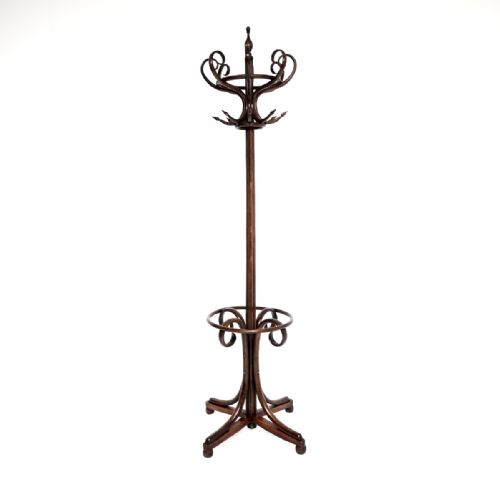
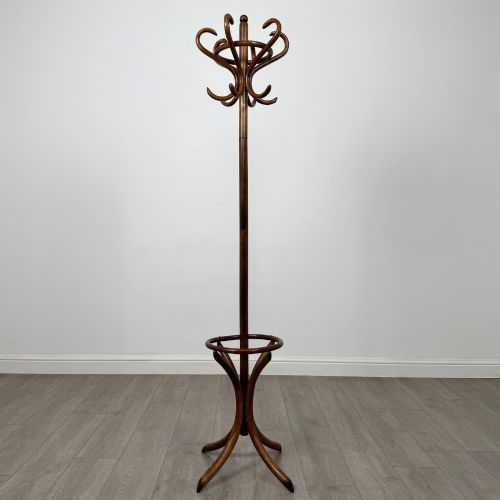
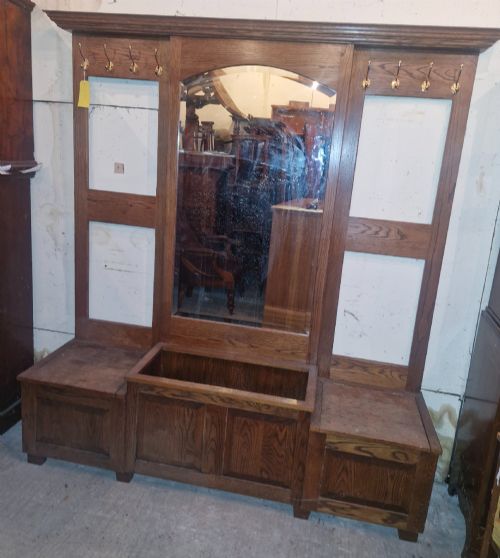
You meet various configurations in this category, including expansive oak hall seats alongside slender bentwood hat stands. Pieces frequently bridge multiple functions, serving simultaneously as coat racks, umbrella stands, and hat trees within narrow hallway footprints.
Materials and Construction
Constructed primarily from solid timbers like oak and mahogany, these pieces utilise steam-bending techniques for beech and beechwood frameworks to achieve flowing curves. Metal elements such as cast iron and brass appear extensively in structural frames, hooks, and integrated umbrella drip trays.
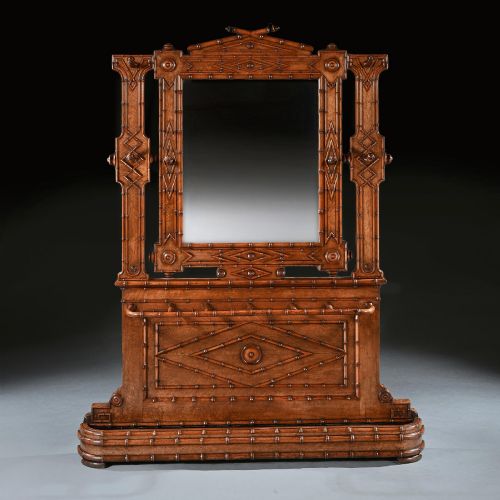
Cabinetmakers and manufacturers employed durable joinery alongside specialised elements like faux bamboo mouldings and brass hardware. Steam-bent wood constructions rely on heat and pressure to shape timber without weakening its structural integrity.
The listings show pieces spanning from the Victorian era through the Edwardian period, utilising oak, mahogany, beech, and cast iron.
Assessing Standard and Build
The distinction between standard examples and superior pieces rests on the precision of steam-bent curves, the integrity of joint construction, and the retention of original hardware such as brass hooks and drip trays. Heavy, stable foundations distinguish well-engineered upright stands from lighter, more utilitarian alternatives.
Finishing details, including the depth of polish on golden oak or mahogany and the clarity of decorative carvings, separate mass-produced items from finer workshop pieces. Original components and balanced proportions indicate higher craftsmanship during the manufacturing process.
Thonet
The Antique Coat Rack Tree Glossary
- Bentwood
- Furniture formed by steaming wood until pliable and bending it into curved shapes. This technique creates lightweight yet strong frames typical of hat stands.
- Hall Stand
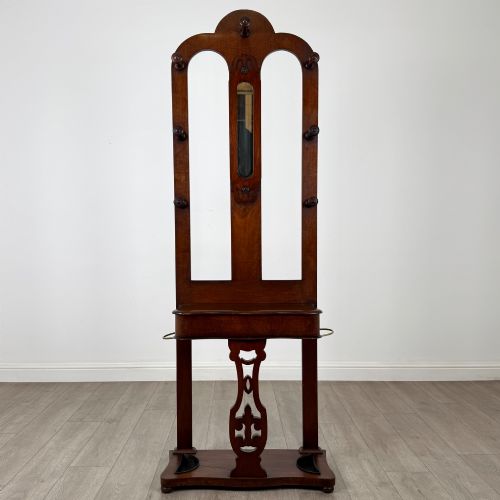
- A hallway furnishing combining coat hooks, a mirror, umbrella storage, and sometimes a bench seat. These pieces anchor entrance spaces.
- Drip Tray
- A removable metal basin positioned at the base of a stand to catch water from wet umbrellas. It protects the surrounding wood flooring.
- Japonisme
- A nineteenth-century artistic style reflecting Japanese aesthetic influences. It appears in furniture through bamboo-turned wooden details and linear motifs.
- Gothic Revival
- An architectural and decorative style drawing on medieval forms. Pieces display pointed arches, heavy tracery, and solid proportions.
Antique Coat Rack Tree: Frequently Asked Questions
Where should a coat tree go?
These pieces suit entrance halls and vestibules where vertical storage is required without occupying excessive floor space. Their freestanding nature allows placement against any sturdy wall.
Positioning the stand near the main entrance ensures wet umbrellas and heavy winter garments find an immediate home upon entering the house.
How do I maintain bentwood?
Dust the curved wooden frames regularly using a dry cloth to prevent grime accumulation in the joints. Avoid placing these items in areas with extreme humidity fluctuations.
Applying a traditional beeswax polish occasionally helps preserve the sheen of the timber without building up heavy residues on the curved surfaces.
What is a hall tree?
A hall tree is an upright furniture piece designed for hanging hats, coats, and scarves in a hallway. Many include built-in mirrors and umbrella compartments.
These versatile objects served as multi-functional cloakroom furniture in Victorian and Edwardian homes to keep outerwear organised.
Are these stands stable?
Most upright stands feature heavy weighted bases or wide splayed legs to prevent tipping when loaded with heavy coats. Solid timber and cast iron variants offer exceptional gravity-based stability.
Distributing garments evenly around the rotating or fixed hooks ensures the structure remains balanced during daily use.
How do I date an oak stand?
Dating relies on examining the specific hardware, fastener types, and decorative styles present on the oak frame. Victorian pieces often display heavier carvings while Edwardian examples tend toward lighter forms.
Assessing the construction methods and the presence of integrated drip trays helps narrow the decade of manufacture.