


Antique Coastal Frame
When you handle an antique coastal frame, you hold a piece of maritime history designed to preserve and display seaside watercolours and oil paintings.
Antique Coastal Frame
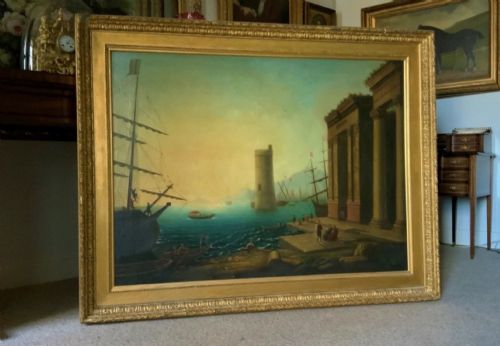
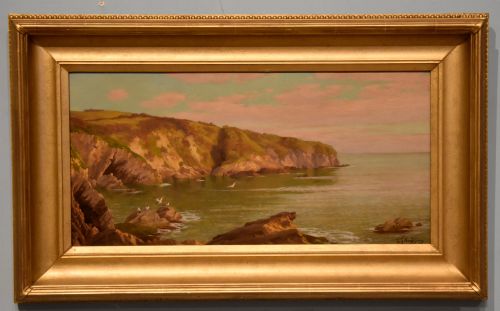
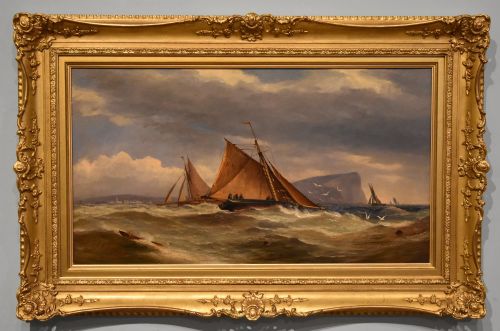
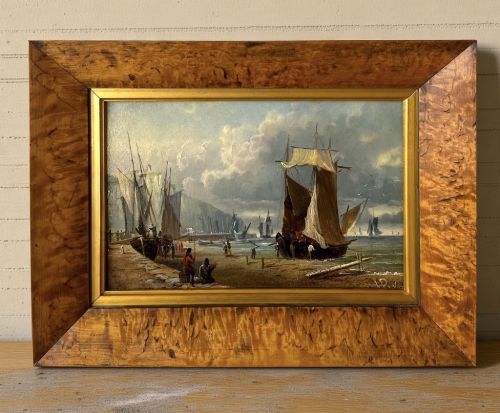
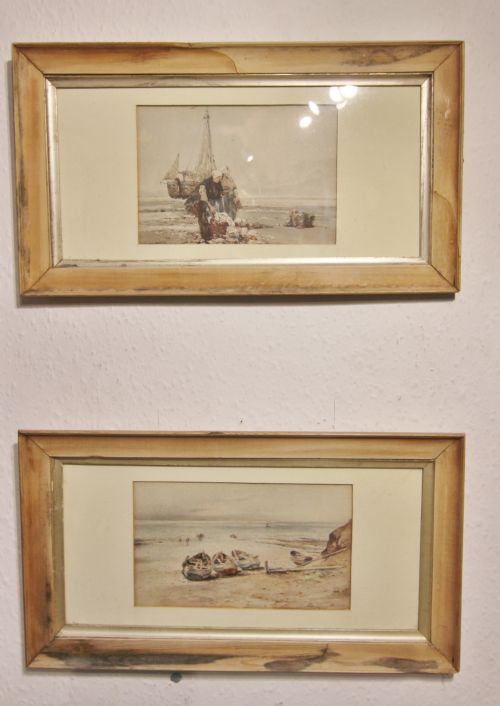
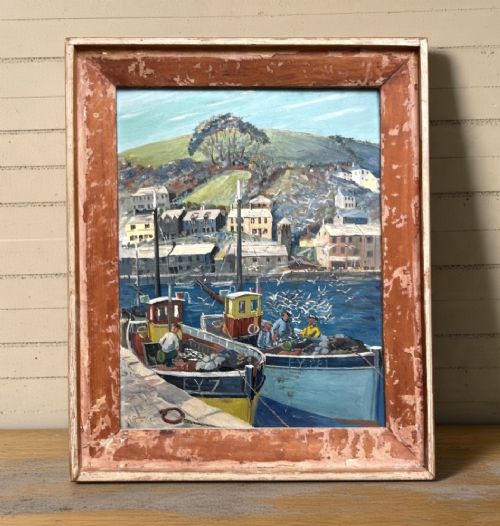
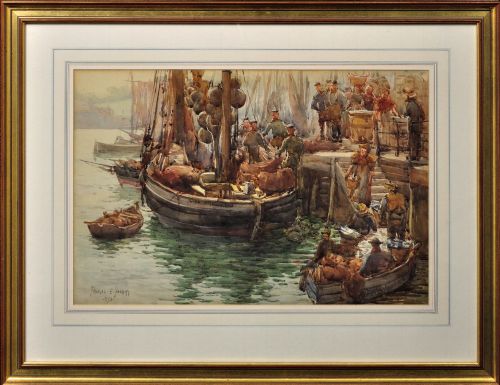
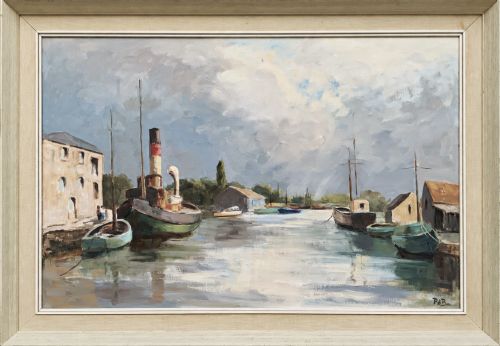
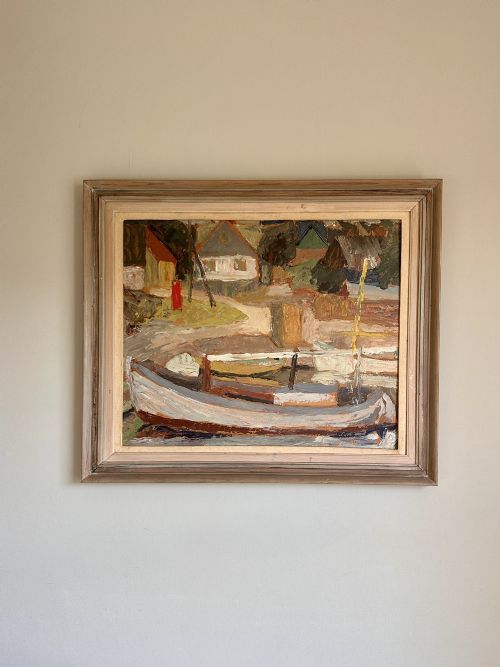
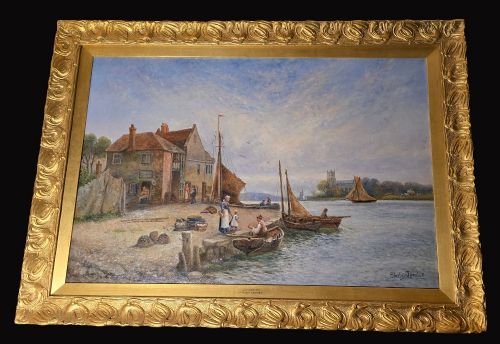
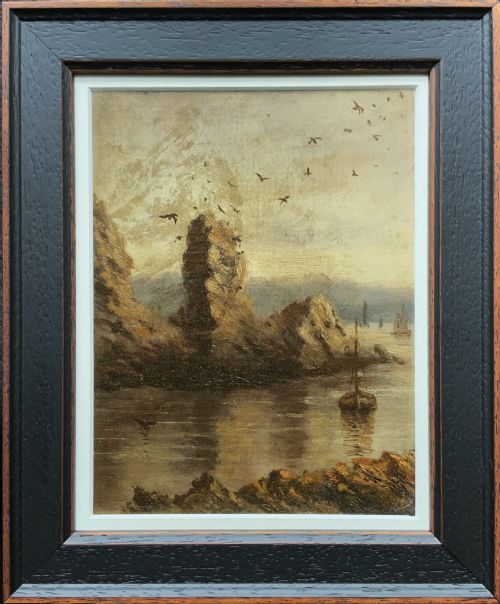
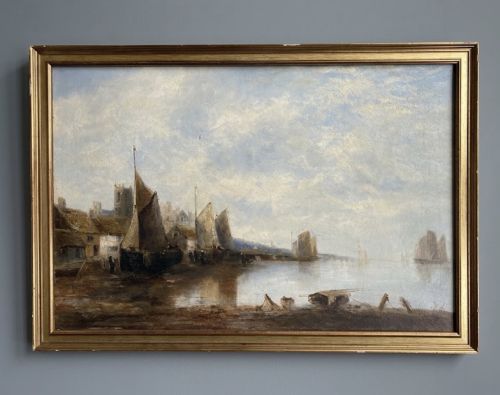
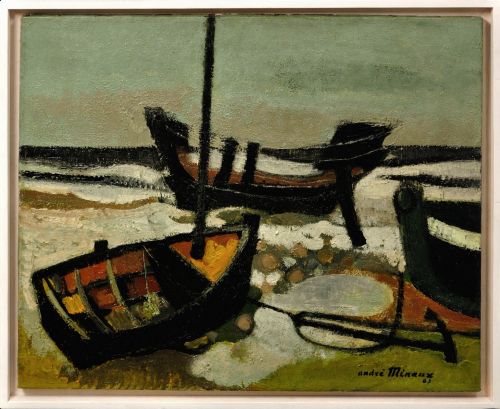
An antique coastal frame houses artwork depicting harbours, fishing boats, and marine views created across the nineteenth and twentieth centuries. These pieces capture coastal life from Cornwall to the Mediterranean, framed in wood and gilt styles that suit maritime subjects.
You will most commonly meet nineteenth-century watercolours and oil paintings rendered by British and European artists. These works range from small harbour sketches to large seascapes, often retaining their original or period frames.
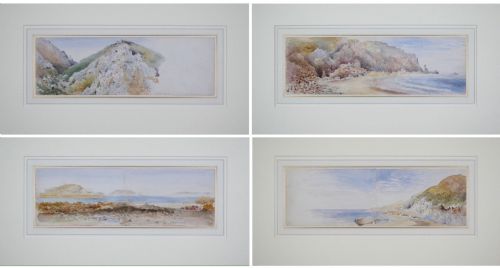
The subjects reflect traditional coastal scenes, including fishing vessels, seaside cliffs, and historical ships off ports. Such works serve as historical records of maritime communities and coastal topography.
Materials and construction
Makers utilised wood as the primary material for constructing the structural surrounds, frequently applying gilt layers or carved details to enhance the visual weight of the art. Canvases and paper support the painted scenes, with glass used to protect delicate watercolours.
Artists applied oil paint and watercolour across paper, canvas, and board surfaces to depict maritime light and water. Frames were built using traditional joinery methods suited to the period, accommodating the expansion and contraction of timber over time.
Antique Coastal Frame Retail Price Guide 2026
Typical asking prices for coastal frame among the pieces listed under this phrase on Sellingantiques today, from the lower quarter to the upper quarter. They describe what is for sale here now, not the wider market.
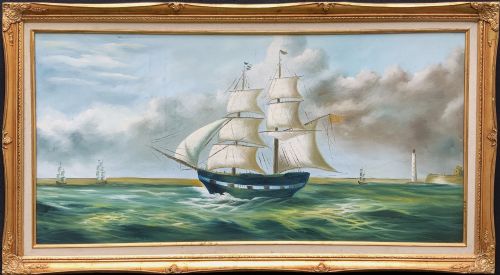
Several coastal scenes document historic vessels like the SS Westfield and various warship galleons anchored off European ports.
Assessing quality
The harmony between the artwork and its surround determines the visual success of the piece. Superior examples feature frames that complement the palette and era of the painting without overwhelming the composition.
The skill of the artist is visible in the handling of light on water and the accuracy of maritime architecture. Finer paintings demonstrate deliberate brushwork and a clear understanding of coastal atmosphere.
James Orrock·Thomas Creswick·John Wilson Carmichael·William Henry Williamson
The Antique Coastal Frame Glossary
- Gilt Wood
- Timber coated with a thin layer of gold leaf or gold paint. This finish reflects light and was widely applied to frames during the Victorian period.
- Seascape
- A work of art depicting the sea, coastlines, or marine vessels. These subjects form the core of the paintings found within coastal frames.
- Watercolour
- A paint consisting of water-soluble pigments used on paper. It requires protective glass framing to prevent moisture damage.
- Capriccio
- An architectural painting combining buildings and landscape elements into a fictitious composition. These scenes often incorporate coastal ruins and Italian ports.
Antique Coastal Frame: Frequently Asked Questions
How do I date an antique coastal frame?
Dating relies on examining the timber construction methods, the corner joinery, and the type of gilt finish applied. Older frames often utilise hand-carved mouldings and traditional gesso layers beneath the gold leaf.
Comparing the style of the frame to the period of the artwork it encloses provides additional context. Many pieces retain their original mountings, which helps confirm their era.
Where should I hang a marine painting?
Marine paintings and their frames require placement away from direct sunlight and damp environments to protect the canvas, paper, and gilt surfaces. Stable indoor humidity prevents the wooden frame from warping.
Positioning the artwork at eye level in a room with controlled lighting allows the details of the brushwork and the texture of the frame to be appreciated fully.
Are original frames important for value?
Original frames maintain the historical integrity of a painting by preserving the aesthetic context intended by the artist or contemporary owner. Matching a nineteenth-century canvas with a period-appropriate frame enhances its visual coherence.
While replacement frames can protect fragile works, those that have remained paired with their art for generations carry greater historical interest.
What subjects appear in these coastal scenes?
The subjects range from busy fishing ports and merchant shipping lanes to quiet coastal paths and dramatic open seas. Artists recorded specific locations across Britain, the Mediterranean, and Europe.
These depictions offer a window into nineteenth and twentieth-century maritime life, documenting vessels, harbours, and coastal trades that have since transformed.