

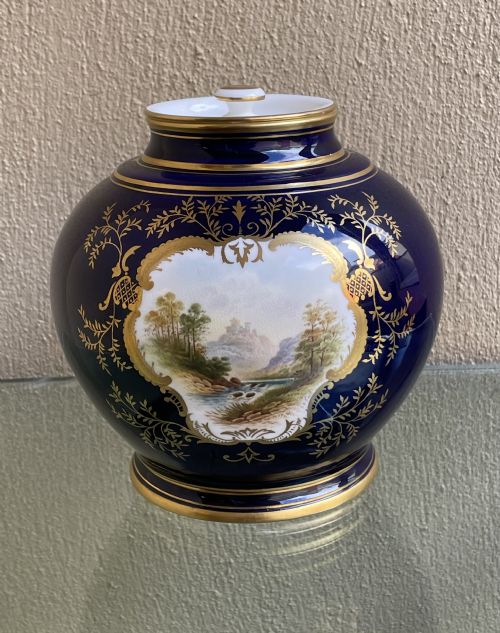


Antique Coalport Porcelain China
These antique coalport porcelain china pieces are fine English ceramics that bring hand-painted artistry and rich Regency or Victorian heritage to a table or cabinet.
Antique Coalport Porcelain China
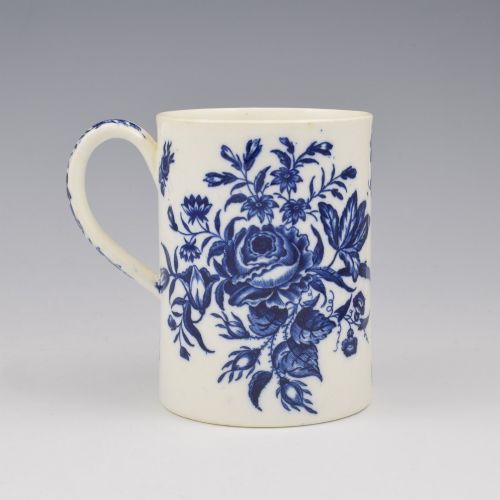
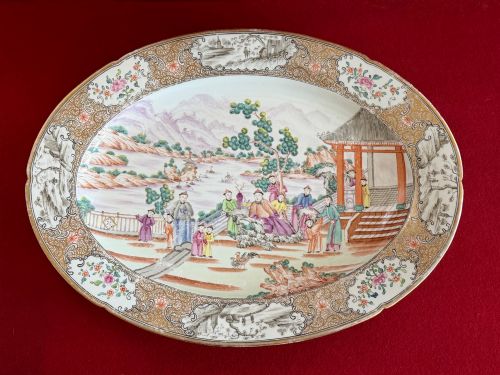
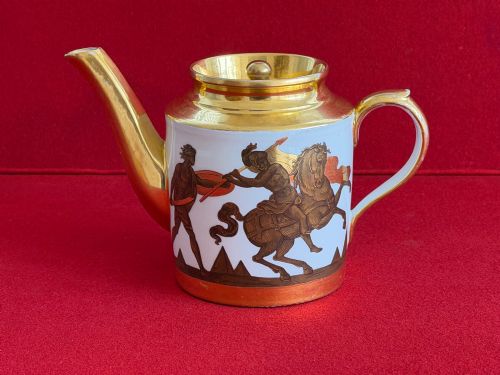
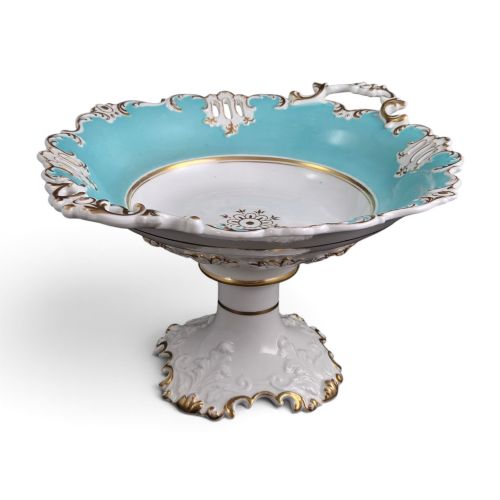
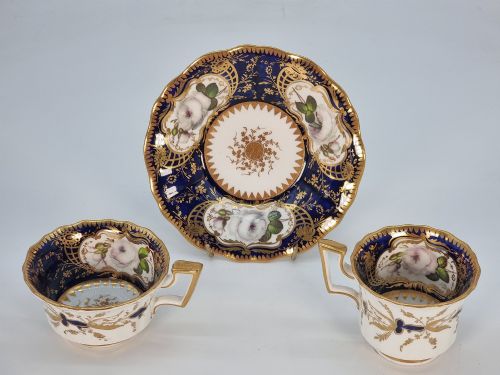
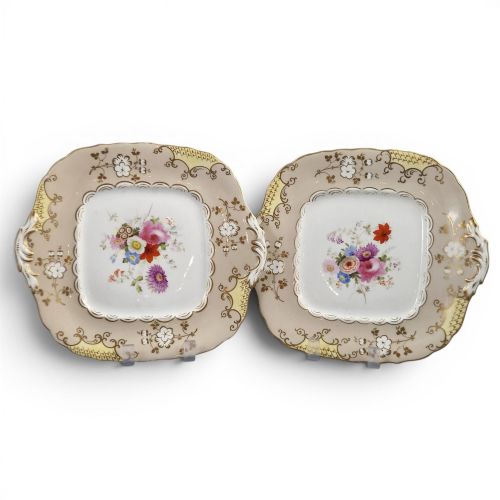
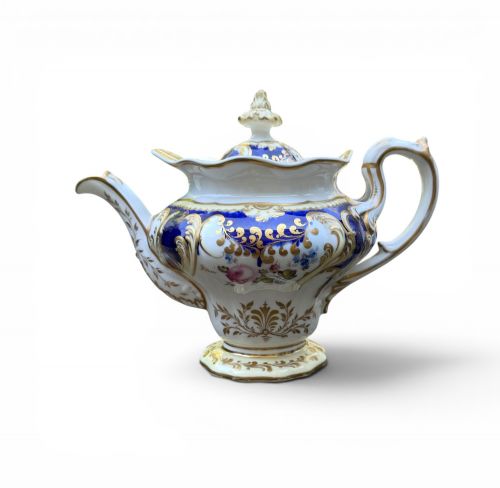
When you search for antique coalport porcelain china, you are looking at fine English ceramics produced across the nineteenth and early twentieth centuries, spanning periods from the Georgian era through to Edwardian times. These pieces range from functional table items like teapots, teacups and saucers, and dinner services to purely decorative objects including cabinet plates, tazzas, vases, and ewers.
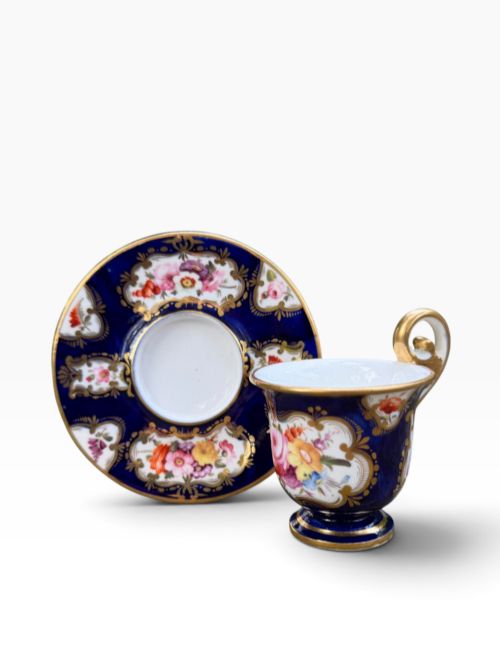
The version you are most likely to meet on this page is the cabinet plate or decorative dish, often richly painted with botanical scenes, landscapes, or heraldic details, alongside tea wares from the Regency and Victorian periods. Forms vary from simple botanical serving dishes and bat-wing tea sets to elaborate rococo revival tazzas and specialised cabinet cups with stands.
What varies in quality
The standard of the painting separates standard utility wares from the finest cabinet pieces, with named artist attribution and meticulous botanical or landscape detail marking the upper end of the range. Depth of gilding and the crispness of moulded rococo relief work also indicate the level of craftsmanship invested in a piece.
Completeness and condition of the enamel and gold leaf define desirability, as does the complexity of the form, such as specialised ewers, covered sucrieres, and exhibition-standard cabinet plates rather than standard service plates.
Antique Coalport Porcelain China Retail Price Guide 2026
Typical asking prices for coalport porcelain china among the pieces listed under this phrase on Sellingantiques today, from the lower quarter to the upper quarter. They describe what is for sale here now, not the wider market.
Named artist works on this page include hand-painted pieces by Richard Budd, Tom Keeling, and E O Ball.
E O Ball·Richard Budd·Tom Keeling·Thomas Dickson
The Antique Coalport Porcelain China Glossary
- Bone china
- A type of porcelain containing bone ash, which yields a strong, slightly translucent white body used extensively for English teawares and cabinet pieces.
- Tazza
- An ornamental pedestal plate or shallow bowl raised on a foot, commonly used for serving fruit or as a decorative centrepiece in nineteenth-century settings.
- Sucriere
- A covered sugar bowl designed to match tea and coffee services of the Regency and Victorian periods.
- Gilding
- The application of gold leaf or powdered gold to ceramic surfaces, particularly along rims and handles, to add a decorative metallic finish.
- Bat-wing pattern
- A distinctive radial panel design found on early twentieth-century tea wares, featuring alternating dark borders and light pictorial reserves.
Antique Coalport Porcelain China: Frequently Asked Questions
How do I date early coalport porcelain?
Dating relies on stylistic markers such as the heavy gilding and rococo revival forms of the mid nineteenth century, alongside specific paste types and pattern numbers.
Changes in body composition from early bone china to later nineteenth-century formulations further help narrow the decade of production.
Were these pieces used daily or displayed?
Many items, such as tea sets, dinner services, and coffee services, were made for domestic dining and social use.
Conversely, items like cabinet plates, tazzas, and highly decorated cups were intended primarily for display in drawing room cabinets.
What is a cabinet plate?
A cabinet plate is a decorative ceramic plate produced for display rather than for serving food at the table.
They typically feature elaborate hand-painted landscapes, botanical studies, or heraldic crests framed by rich gilding and coloured borders.