


Antique Coal Container
When you need an antique coal container to complete a hearth, you are looking at practical fireside metalwork and timber made to hold fuel.
Antique Coal Container
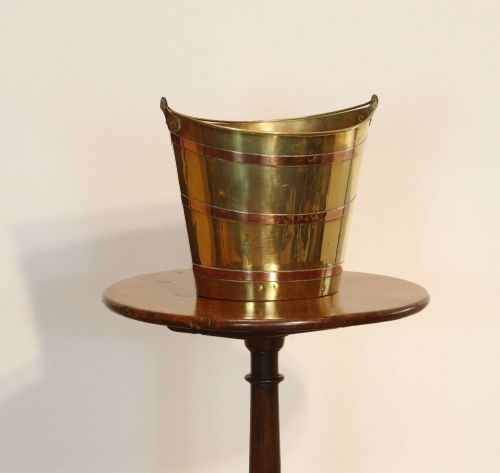
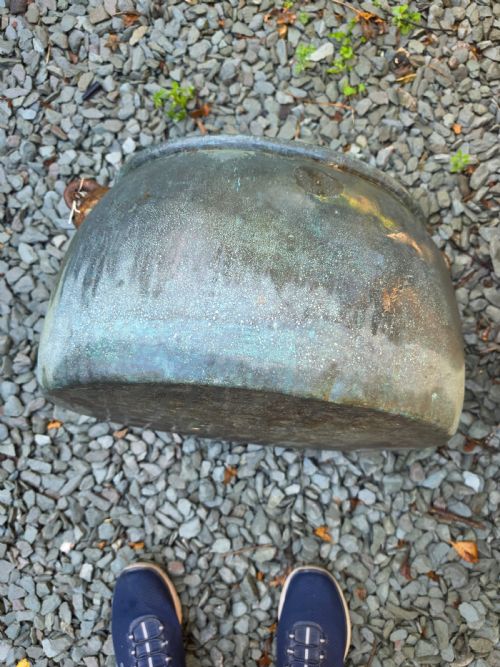
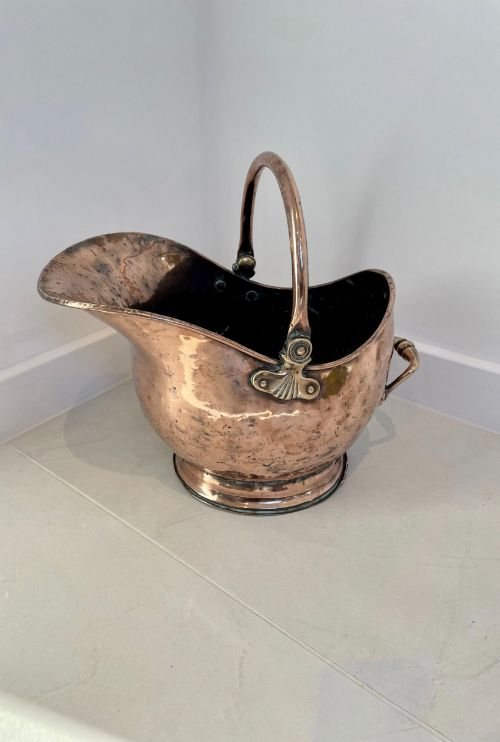
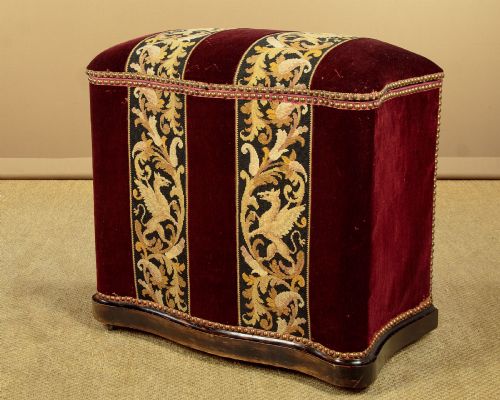
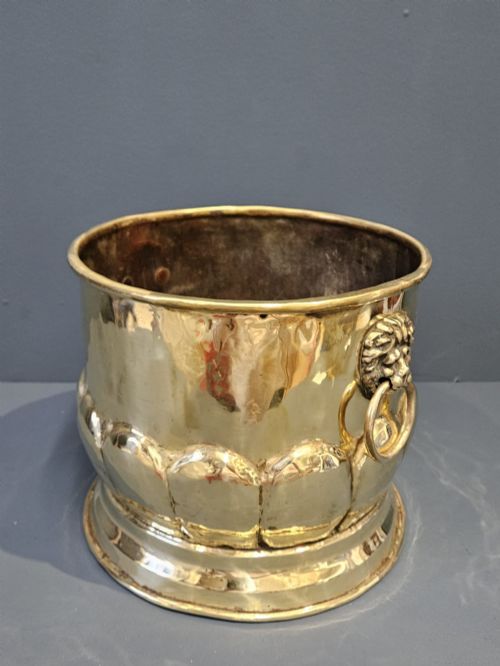
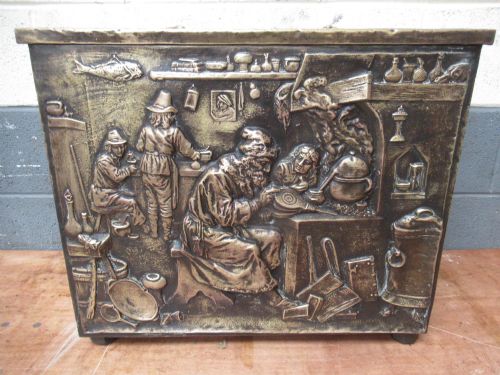
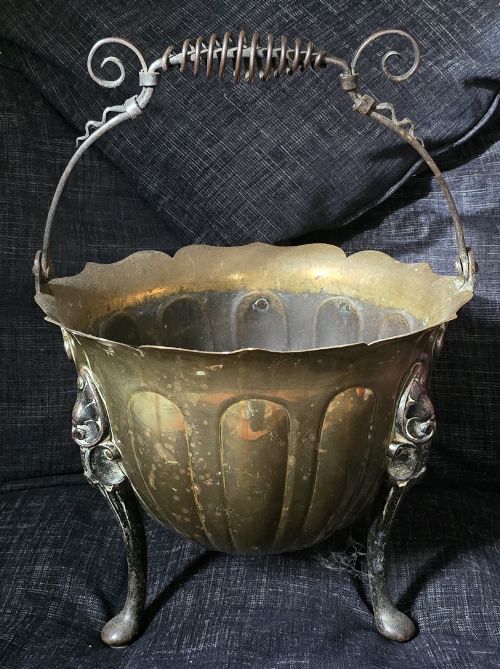
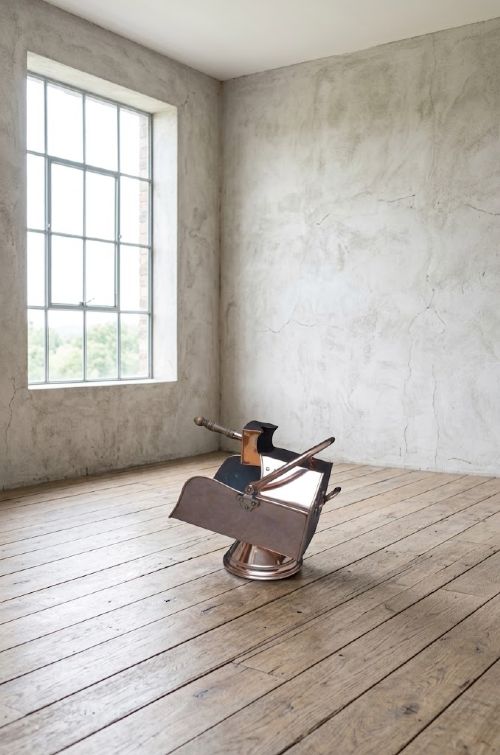
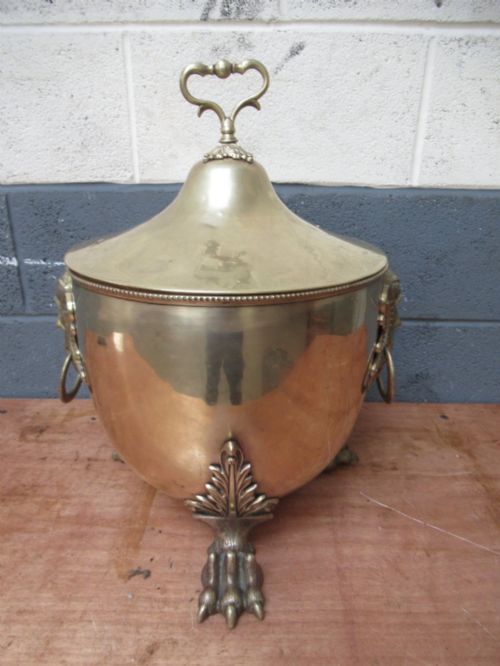
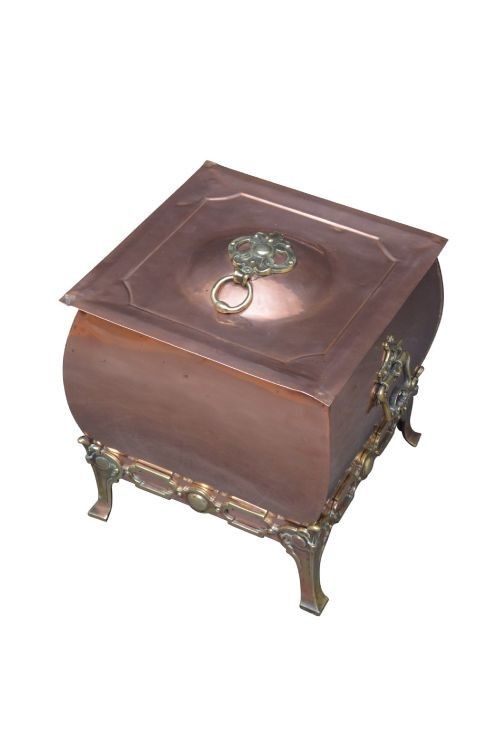
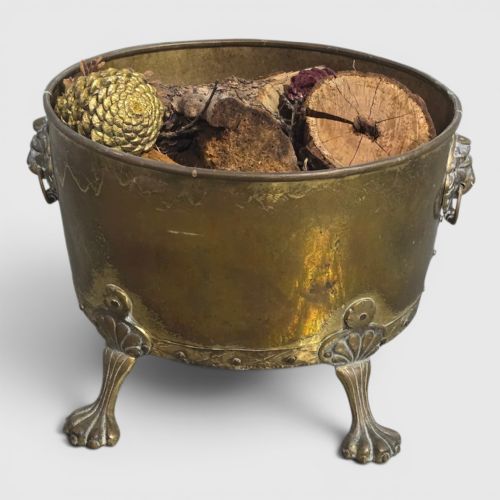
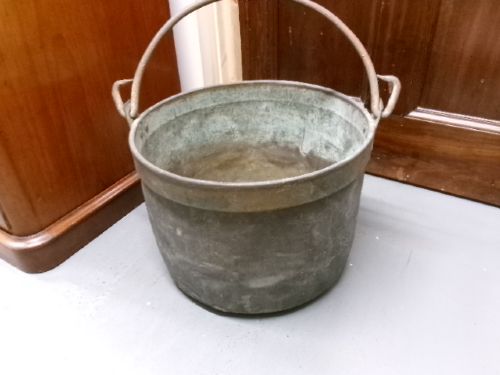
An antique coal container appears in forms ranging from heavy metal buckets and swinging cauldrons to lidded oak boxes and helmet-shaped scuttles designed to sit beside a fireplace. Many examples double as log bins, planters or kindling baskets, reflecting how domestic utility shifted over the decades.
The pieces you meet most often date from the Victorian and Edwardian periods, constructed in brass and copper alongside country oak and wrought iron. These items served a daily purpose in transporting and storing solid fuel before central heating became common in homes.
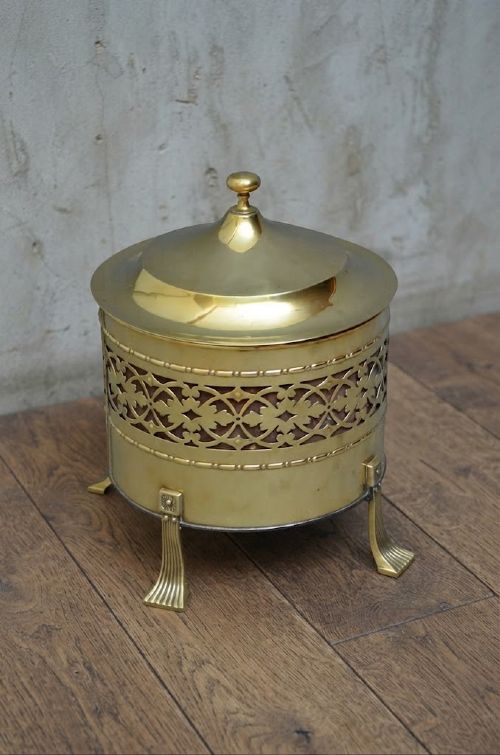
Makers produced these containers in styles that reflected broader design movements, including Gothic Revival, Arts and Crafts, Art Nouveau and rustic country aesthetics. Some feature embossed panels, fretwork designs or riveted seams that turned a utilitarian object into a decorative fireside accessory.
Materials and construction methods
Brass and copper sheets dominate the metal selection, often worked into helmets, buckets and bins with hammered surfaces or embossed decoration. Smiths joined heavy copper plates using visible rivets and secured them with wrought iron handles or brass swing handles.
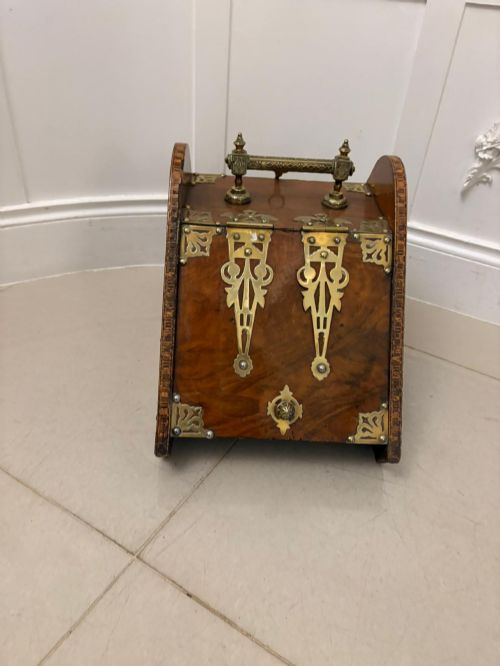
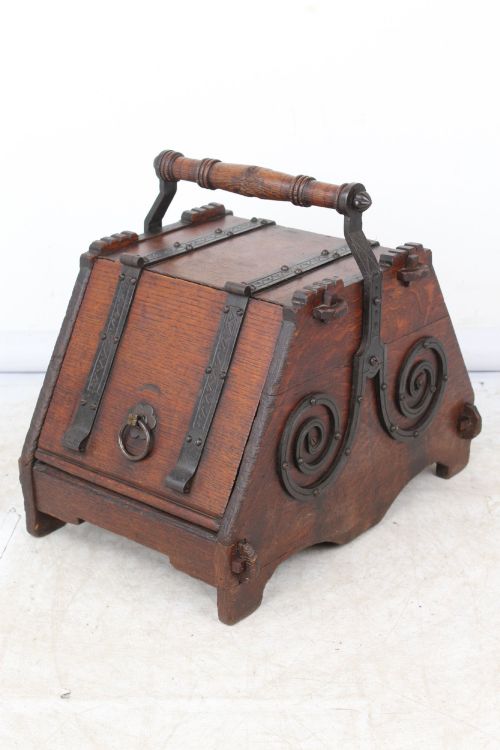
Wood versions rely on solid oak and country timber, sometimes constructed as lidded boxes known as Purdoniums or fitted with metal liners to handle moisture and dirt from the fuel. Iron frames and bands provide structural support to larger copper and leather storage vessels.
Antique Coal Container Retail Price Guide 2026
Typical asking prices for coal container among the pieces listed under this phrase on Sellingantiques today, from the lower quarter to the upper quarter. They describe what is for sale here now, not the wider market.
Materials recorded across the inventory include galvanised metal, boiled leather, oak, wrought iron, copper and brass.
Distinctions in construction and design
Quality rests in the weight of the metal, the integrity of the riveted joints and whether original components like shovels and liners remain intact. Heavy-gauge brass and thick copper plate with crisp hand-embossing or clean fretwork indicate superior manufacture compared to thin, pressed metal alternatives.
Design ambition separates standard utility items from pieces bearing distinct stylistic markers or workshop attributions. Strong architectural details in Gothic Revival models or integrated decorative motifs in Arts and Crafts examples elevate the piece from basic storage.
Henry Loveridge·Christopher Dresser·Benham and Froud·Petrus Ramus
The Antique Coal Container Glossary
- Coal scuttle
- A bucket or container with a sloping mouth and a handle, designed for carrying coal to the fire.
- Purdonium
- A specific type of enclosed wooden coal box, often featuring a fall-front door and an internal metal liner.
- Cauldron
- A round metal vessel with a swinging handle, standing on legs or a flat base.
- Log bin
- A deep container used primarily for storing firewood beside a hearth rather than smaller pieces of coal.
- Fretwork
- Openwork ornamentation cut into sheet metal or wood, seen on Edwardian and Arts and Crafts examples.
Antique Coal Container: Frequently Asked Questions
How were antique coal containers used?
These vessels sat beside the fireplace to store coal, kindling or logs close to the hearth for easy access during daily stoking.
Servants used them to transport solid fuel from cellars or coal holes up to living rooms and parlours.
Can I use an antique coal container for plants?
Many copper and brass containers feature waterproof liners or robust metal construction that suits holding potted plants and indoor greenery.
Buyers frequently repurpose these fireside pieces as decorative planters in modern interiors.
How do I distinguish between copper and brass pieces?
Copper exhibits a warm, reddish-pink metallic tone, while brass has a brighter, more golden-yellow appearance.
Many containers combine both metals, using copper bodies with contrasting brass bands and handles.
What is a Purdonium coal box?
A Purdonium is a dedicated wooden coal box, typically made of oak, featuring a sloping front flap that drops down to reveal the fuel.
These Edwardian boxes often included a matching small shovel stored in a side rack.