



Antique Coal Companion
An antique coal companion brings warmth and practical charm to the hearth through enduring materials like brass, copper, steel, and mahogany.
Antique Coal Companion
An antique coal companion encompasses the essential implements and receptacles used to tend domestic fires, uniting utility with decorative metalwork. When searching for an antique coal companion, you encounter a diverse array of utilitarian objects designed to manage solid fuel and maintain the hearth.
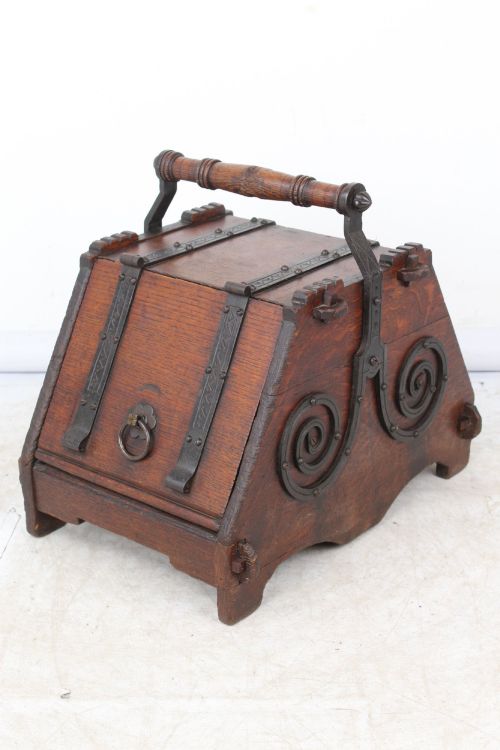
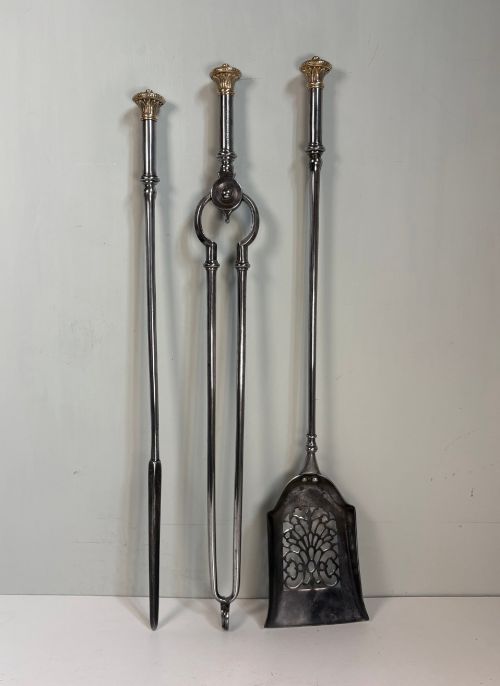
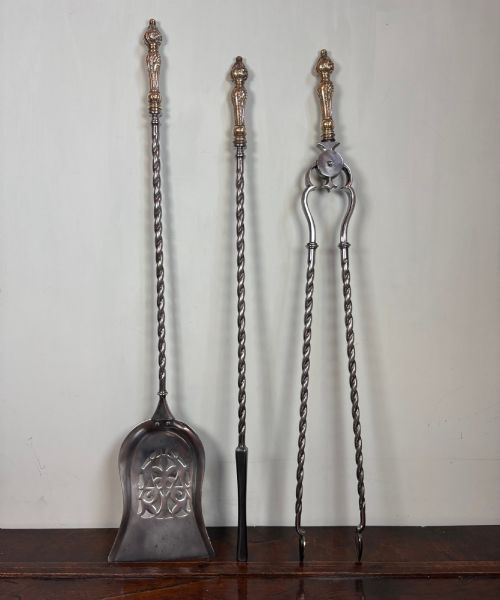
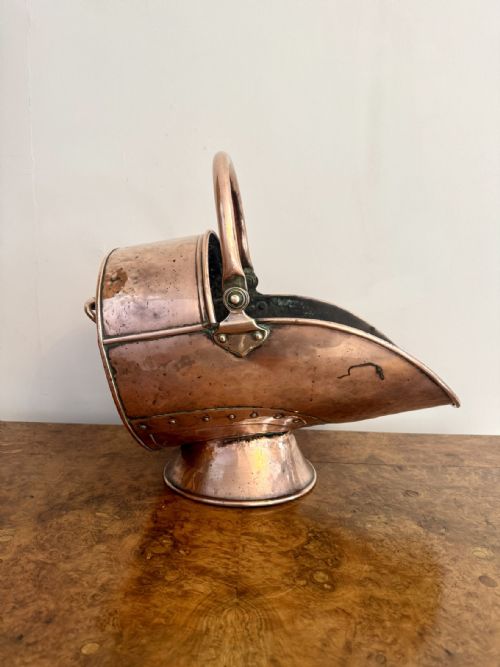
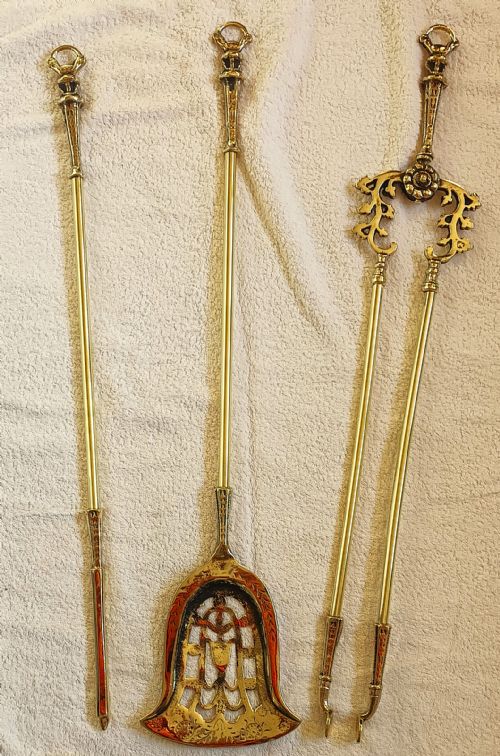
The selections on this page are dominated by two primary forms: fireside tool sets comprising pokers, shovels, and tongs, and storage vessels such as coal scuttles, buckets, purdoniums, and log bins. These pieces originate predominantly from the Victorian and Edwardian eras, alongside earlier Georgian examples.
Tool sets frequently appear in polished steel and brass, while scuttles and bins utilise hammered copper, brass, and occasional mahogany cabinetry. Finding a matching shovel with a scuttle or a complete triple companion set represents a desirable configuration for an operational fireplace.
Materials and Construction
The manufacturing of these hearth accessories relies heavily on durable metals that withstand daily exposure to heat and ash. Blacksmiths and metalworkers shaped wrought iron and steel for structural strength in fire tools, while softer metals like brass and copper provided reflective surfaces for scuttles and buckets.
Cabinet makers constructed enclosed purdoniums and coal boxes from oak and mahogany, frequently incorporating inlaid wood or drop handles. Artisans of the Arts and Crafts and Gothic Revival movements applied hand-beating, riveting, and textural finishing to copper and brass surfaces.
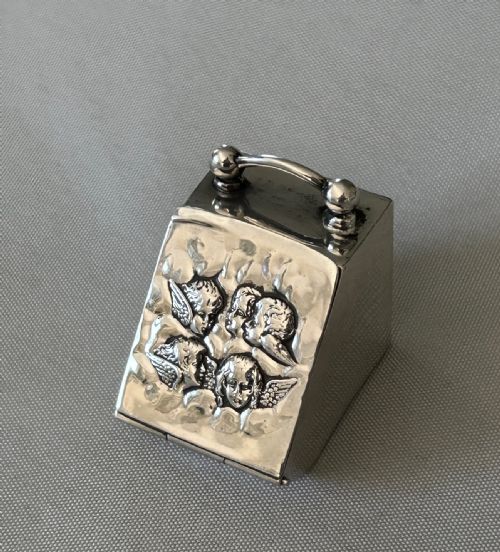
One exceptional Edwardian offering includes a novelty silver coal scuttle complete with its own matching miniature thimble.
The Markers of Craft
Quality in these pieces is dictated by the integrity of the metalwork, the weight of the materials, and the survival of original components. Heavier gauge brass and thick-walled copper indicate superior vessels that resist dents and warping from heavy loads of coal.
Refinement in fire tools shows in the turning of handles, the balance of the poker, and the precise fit of joints in steel and brass assemblies. Pieces retaining their matching shovels or original wooden liners hold greater integrity than mismatched assemblages.
Christopher Dresser
The Antique Coal Companion Glossary
- Purdonium
- A specialised cabinet or box designed to store coal indoors, typically featuring a sloping front lid and a drop handle for easy retrieval.
- Companion set
- A matched group of fireside tools, usually including a poker, shovel, and tongs, housed together on a stand or hearth base.
- Ferrat
- A metal container or bucket used for holding fuel, often associated with Arts and Crafts copperwork and decorative domestic metalworking.
Antique Coal Companion: Frequently Asked Questions
What is a coal purdonium?
A coal purdonium is an enclosed cabinet designed to hold coal near the fireplace while concealing it from view. These pieces often feature an angled front door and an internal metal liner for cleanliness.
Edwardian and late Victorian examples frequently incorporate mahogany cabinetry and inlaid wood details, allowing the fuel container to double as a piece of fine furniture.
How were fire tools used?
Fire tools were the primary instruments for managing a coal or wood fire safely and efficiently. The poker adjusted burning fuel, the shovel cleared ash, and the tongs positioned logs or coal pieces without burning fingers.
Sets typically included three or more tools, forged from steel, iron, or brass, and were displayed prominently beside the hearth when not in active use.
Are brass and copper tools safe to use?
Brass and copper are excellent for decorative vessels and handling implements, though working parts subject to intense heat, such as pokers, are typically made of steel or iron. Solid brass fire irons handle moderate stoking well, but softer metals are best reserved for lighter duties.
Polished steel and wrought iron provide the necessary rigidity for heavy-duty fireplace maintenance.
How do I date an antique coal scuttle?
Dating relies on stylistic markers, manufacturing techniques, and the prevailing aesthetic movements of the period. Georgian and Regency pieces show restrained classical lines, whereas Victorian items often embrace Gothic Revival motifs or heavy ornamentation.
Arts and Crafts and Art Nouveau examples from the late nineteenth and early twentieth centuries display hand-beated textures, organic forms, and exposed riveted construction.