


Antique Clothing Closet
An antique clothing closet is a substantial timber piece for storing garments, offering deep hanging space and fitted drawers within periods from Georgian to Art Deco.
Antique Clothing Closet
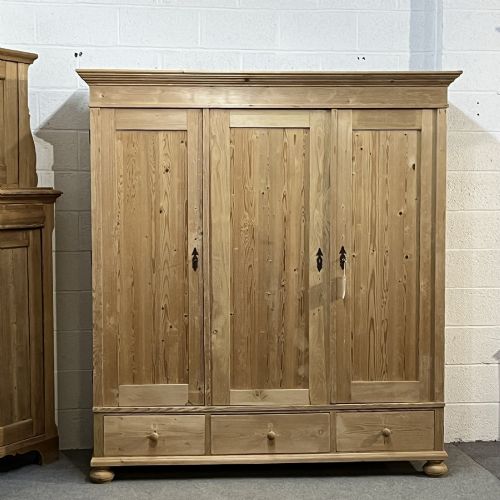
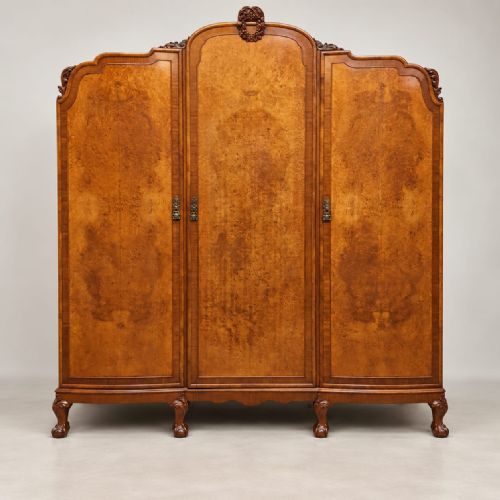
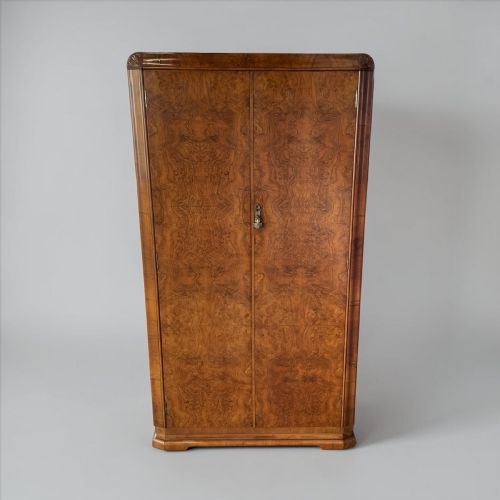
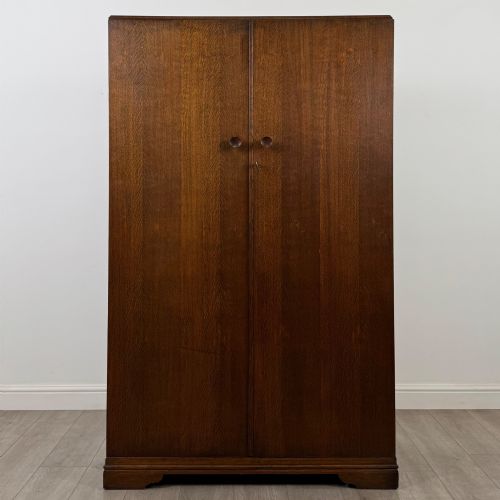
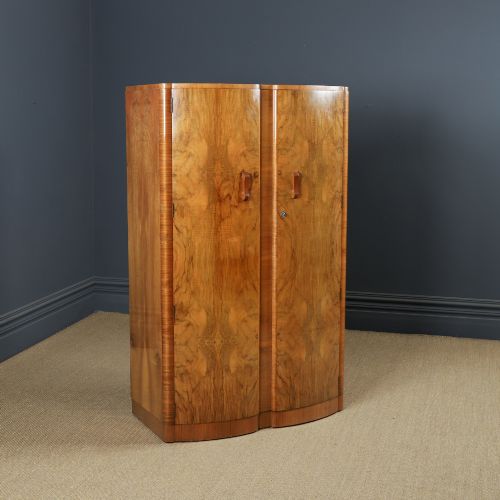
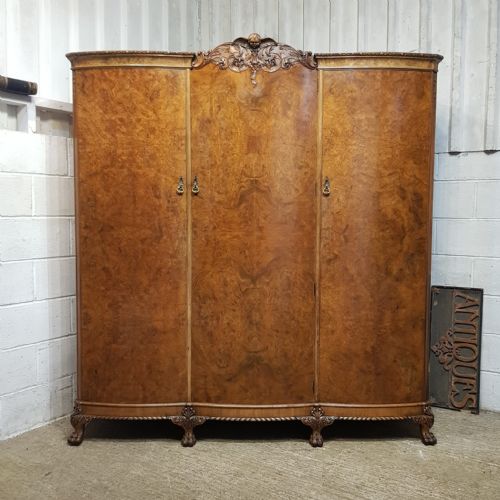
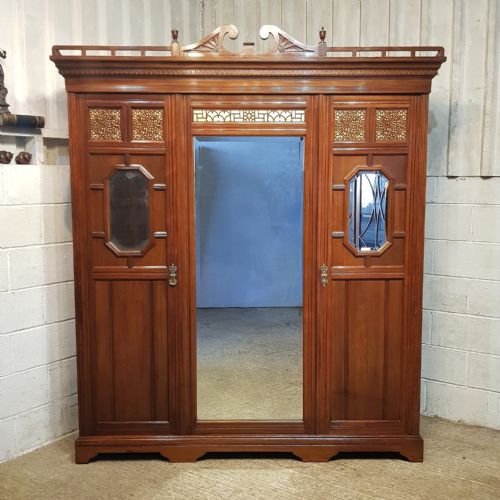
When searching for an antique clothing closet, buyers encounter large freestanding repositories constructed to house formal attire before fitted domestic architecture became standard. These pieces range from substantial triple and double wardrobes to smaller single or bow-front examples designed for more compact chambers.
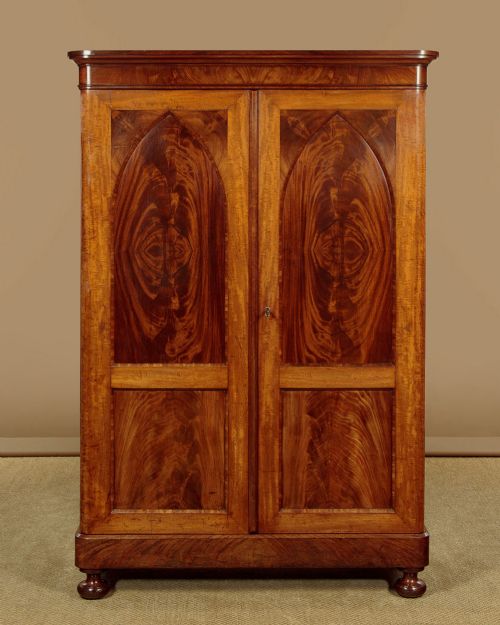
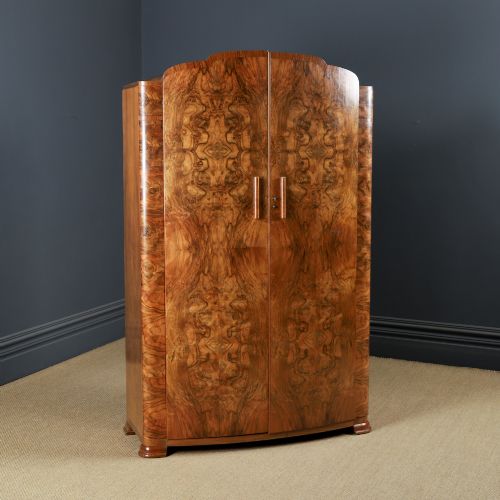
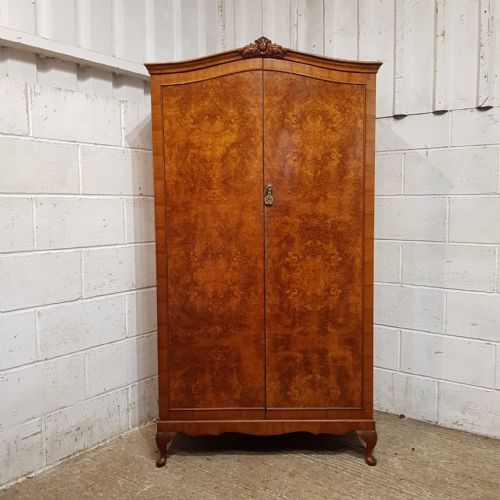
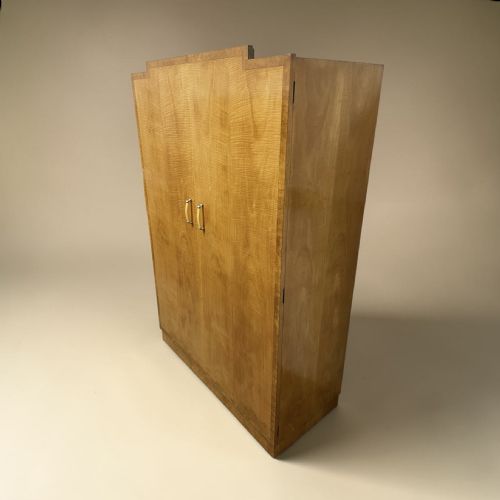
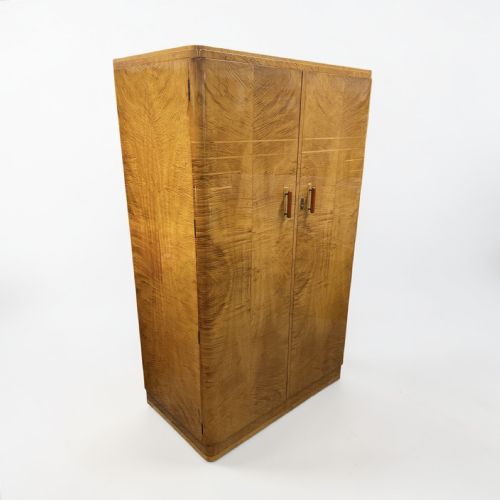
The selections available span multiple centuries and design movements, moving from eighteenth-century Georgian mahogany through nineteenth-century Victorian and Edwardian iterations to twentieth-century Art Deco and French provincial styles. Buyers meet robust oak armoires alongside finely figured burr walnut and flame mahogany facades.
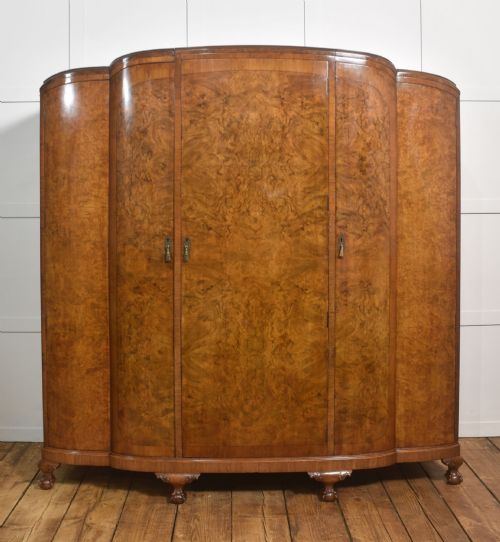
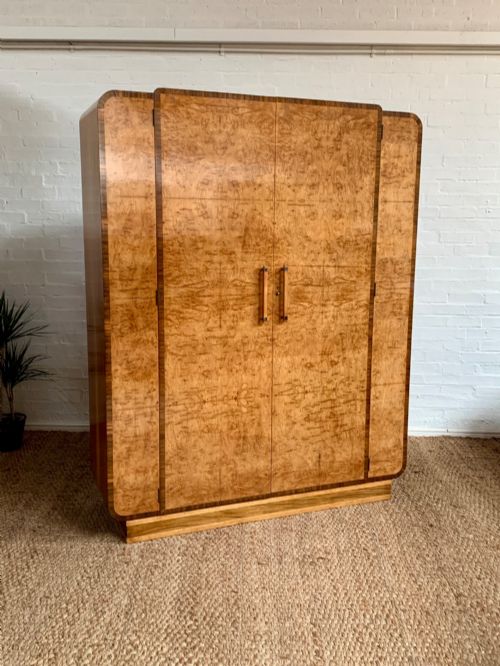
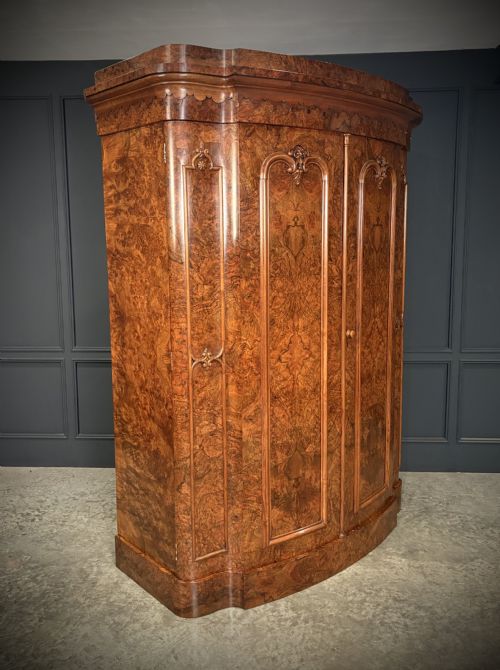
Makers and regional workshops produced diverse formats, including serpentine fronts, breakfront configurations, and fitted interiors with specialised compartments. French armoires bring carved oak and painted surfaces, while English workshops prioritized rich grain patterns and polished timber finishes.
Materials and construction methods
Cabinet makers utilised solid timbers like mahogany, oak, and walnut for primary structural frames, often applying veneers such as burr walnut and flame mahogany to prominent exterior surfaces for visual depth. Brass hardware, including hinges, keyplates, and hanging fittings, provided functional strength and decorative contrast.
Construction involved traditional joinery techniques, paneled doors, and hand-fitted internal drawers, occasionally incorporating glass panels or intricate marquetry inlay. Finished surfaces relied on French polishing, wax, or specialised paint treatments to protect the wood while accentuating natural grain variations.
Antique Clothing Closet Retail Price Guide 2026
Typical asking prices for clothing closet among the pieces listed under this phrase on Sellingantiques today, from the lower quarter to the upper quarter. They describe what is for sale here now, not the wider market.
Some Art Deco wardrobes hide secret spaces behind their grand burr walnut facades, proving that past generations loved a good hiding spot as much as we do.
Distinctions in construction and design
Superior examples demonstrate careful timber selection, where book-matched burr walnut or flame mahogany veneers create symmetrical patterns across large door surfaces. Lesser pieces rely on uniform, plain boards with minimal attention to grain alignment.
The sophistication of the internal fitting separates standard storage from exceptional cabinet work, with top-tier pieces featuring specialised pull-out trays, integrated mirrors, and fitted compartments. Master workshops like Waring & Gillow or named makers such as Harry and Lou Epstein and Jean Faure achieved a distinct level of architectural proportion and hardware integration.
Waring & Gillow·Harry and Lou Epstein·Jean Faure
The Antique Clothing Closet Glossary
- Armoire
- A large upright cupboard or wardrobe, traditionally of continental European origin, used for storing clothing. These pieces often feature deep proportions and substantial double doors.
- Breakfront
- A cabinet design where the central section projects forward from the flanking wings. This architectural arrangement creates shadow lines and visual hierarchy on large facades.
- Burr Walnut
- A specialised wood veneer taken from the wart-like growths on walnut trees, prized for its swirling, highly figured grain pattern. Cabinet makers used it to create dramatic surface decoration on high-end Art Deco and twentieth-century pieces.
- Serpentine Front
- A furniture front surface curved in a concave-convex-concave wave shape. This undulating profile requires advanced woodworking skill to execute properly across large wardrobe doors.
- Marquetry
- The art and craft of applying pieces of veneer to a structure to form decorative designs and pictures. Artisans utilised various coloured woods to create intricate floral or geometric patterns.
Antique Clothing Closet: Frequently Asked Questions
How do I choose the right size wardrobe?
Measure your ceiling height and available floor space carefully before selecting an antique clothing closet, noting that triple and breakfront models require considerable clearance.
Consider whether the piece disassembles into sections, as many older wardrobes were built to be assembled in situ to navigate tight stairways and historical doorways.
Can I adjust the internal hanging space?
Many period wardrobes feature fixed wooden hanging rails or traditional peg hooks rather than modern adjustable metal bars, reflecting the shorter garment lengths of earlier eras.
Consult the listing details regarding fitted interiors, as some pieces include removable shelves or added compartments that offer flexible modern usage without altering the historical structure.
How do I care for antique wood finishes?
Maintain polished mahogany, walnut, and oak surfaces by dusting regularly with a soft, dry cloth and applying quality beeswax periodically to nourish the timber.
Keep these large pieces away from direct heat sources and dramatic humidity fluctuations to prevent the solid woods and delicate veneers from warping or splitting.
What is the difference between an armoire and a wardrobe?
Armoires generally refer to continental European storage cupboards, frequently featuring heavy oak construction, dramatic carvings, or painted finishes originating from France and the Netherlands.
Wardrobes typically denote English designs from the Georgian through Art Deco periods, focusing on architectural proportions, rich mahogany or walnut veneers, and specialised internal partitioning.