





Antique Clothes Drying Rack
An antique clothes drying rack brings tactile utility to daily life, offering sturdy timber frames designed to air garments or dry textiles.
Antique Clothes Drying Rack
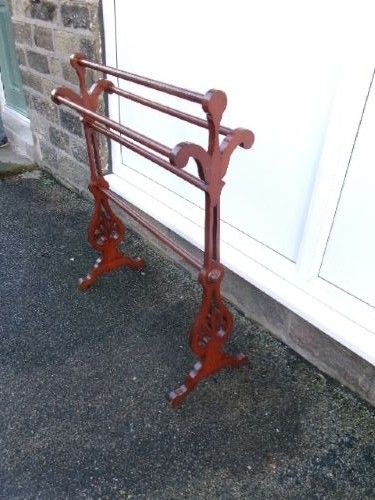
When searching for an antique clothes drying rack, buyers encounter functional wooden frames designed for utility in domestic spaces. These pieces encompass various forms including folding towel rail stands, kitchen hanging racks, and large robe stands.
The versions most frequently met on this page span the Victorian, Edwardian, and nineteenth-century periods. Common material expressions include mahogany, oak, pine, and elm, reflecting traditional household requirements.
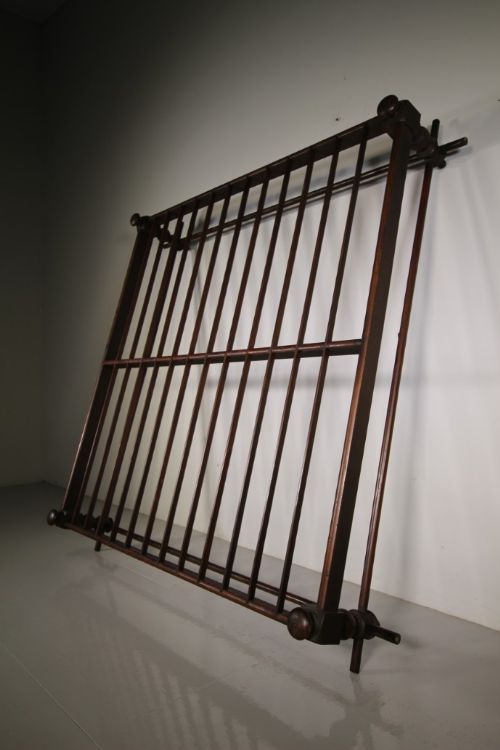
Makers produced these items in different scales, from wall-mounted clothes airers to substantial multi-fold towel rails and freestanding clothes horses. Their primary purpose remained practical, serving kitchens, bedrooms, and utility areas.
How they were made
Craftsmen utilised seasoned hardwoods such as mahogany and oak to construct durable frames capable of withstanding damp textiles and regular daily handling. Joints were joined securely to ensure stability during folding and weight-bearing use.
Selected pieces incorporate decorative elements like satinwood inlay, while others display lacquered wood finishes or rustic farmhouse surfaces. Pine and elm were frequently selected for utilitarian kitchen hanging racks and regional country house pieces.
Antique Clothes Drying Rack Retail Price Guide 2026
Typical asking prices for clothes drying rack among the pieces listed under this phrase on Sellingantiques today, from the lower quarter to the upper quarter. They describe what is for sale here now, not the wider market.
A towering Chinese lacquered robe stand proves that laundry management has inspired impressive scale across continents.
What varies in quality
Quality in these utility items rests upon timber selection and structural integrity. Pieces fashioned from figured mahogany with careful joinery stand apart from simpler pine or elm workshop creations.
Proportion and scale also dictate distinction, where larger country house examples or pieces featuring fine inlay demonstrate greater ambition in design than standard everyday rails.
The Antique Clothes Drying Rack Glossary
- Cheval towel rail
- A freestanding pivoting rail frame designed to turn easily on side supports. This form allows garments or towels to hang freely on multiple bars.
- Clothes horse
- A hinged wooden framework used for airing laundry near a heat source. These pieces typically fold flat when not in use for convenient storage.
- Satinwood inlay
- A contrasting decorative wood veneer inserted into a primary timber surface. It adds visual refinement to Edwardian and Victorian furniture pieces.
- Arts and Crafts
- A design movement prioritising traditional craftsmanship and honest construction methods. Pieces from this style emphasise simple utility and natural materials.
Antique Clothes Drying Rack: Frequently Asked Questions
How were clothes drying racks used historically?
These wooden frames stood near hearths or kitchen ranges to dry damp garments and household linens. Their slatted rails permitted warm air to circulate freely around fabrics.
In larger country houses, specific racks accommodated heavy robes or numerous towels simultaneously. They served as essential domestic equipment before the invention of electric tumble dryers.
What woods were used for these racks?
Cabinetmakers utilised durable hardwoods such as mahogany and oak for finer domestic interiors. These timbers offered structural strength and aged with attractive patination.
Utilitarian kitchen pieces often employed regional timbers including pine and elm. Satinwood inlay occasionally appeared on more decorative Edwardian and Victorian examples.
How do I date a drying rack?
Dating relies on timber characteristics, construction methods, and stylistic markers associated with specific periods. Victorian and Edwardian pieces often display distinct turning details and hardware.
Earlier nineteenth-century examples tend to feature heavier proportions and simpler jointing techniques. Comparing the form against documented regional styles helps narrow the decade.
Can I use an antique rack today?
These timber frames remain entirely practical for airing laundry or hanging textiles in modern homes. Their folding designs allow them to operate efficiently in utility rooms or bathrooms.
Careful placement away from direct intense heat protects the historic wood and joints. Regular domestic use continues the original function for which they were built.