




Antique Cloisonne Art
Antique cloisonne art brings together intricate metalwork and vibrant enamel, offering collectors tangible pieces of Meiji, Edo, and Qing craftsmanship.
Antique Cloisonne Art
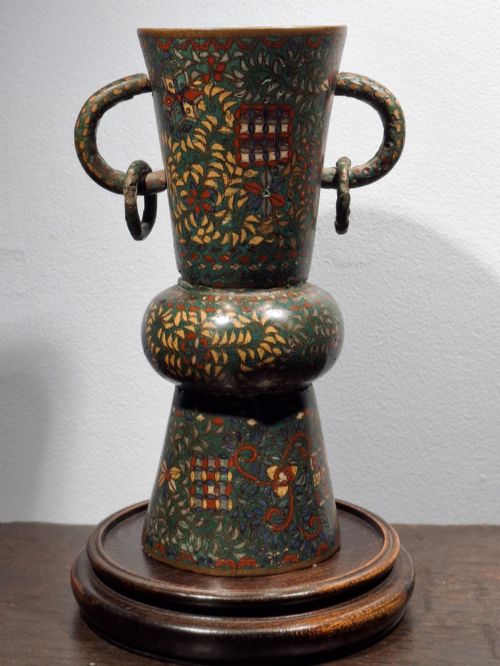
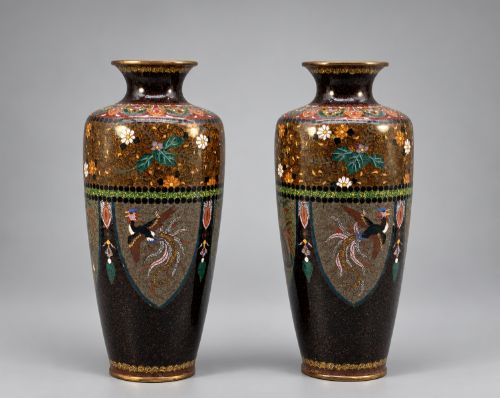
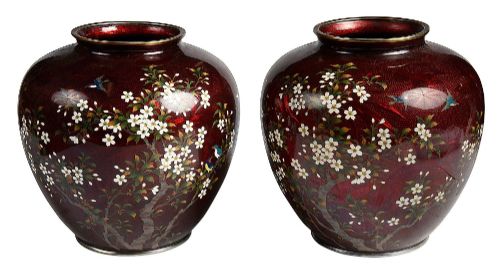
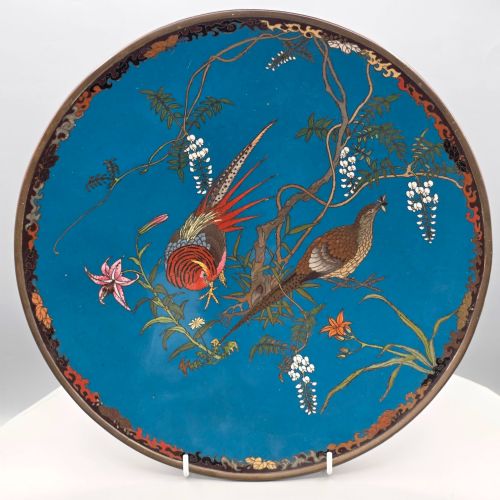
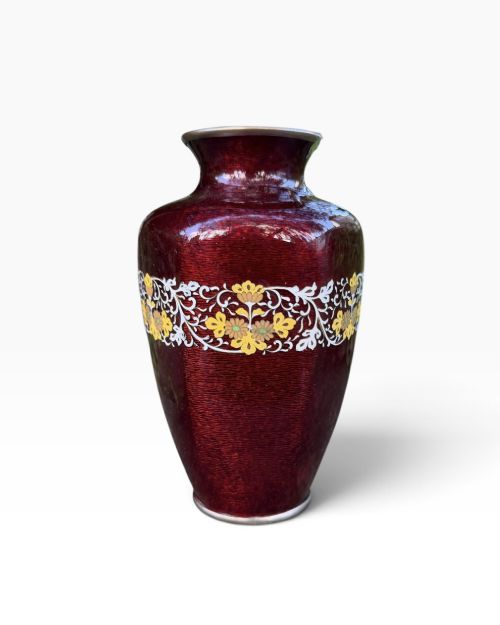
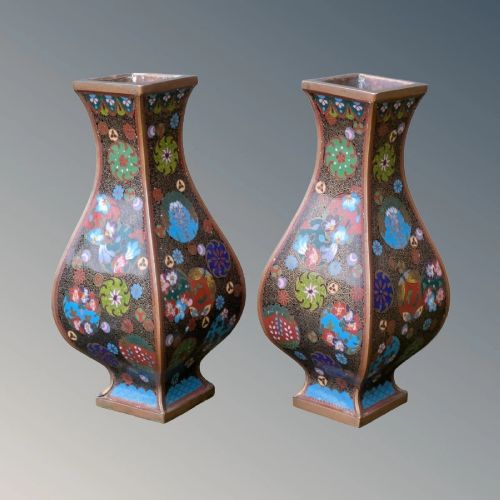
Antique cloisonne art encompasses a diverse array of decorative objects, most frequently found here in the form of Japanese Meiji period vases, chargers, and plates. These pieces emerge from the nineteenth and early twentieth centuries, spanning the late Edo, Meiji, Taisho, and Qing periods.
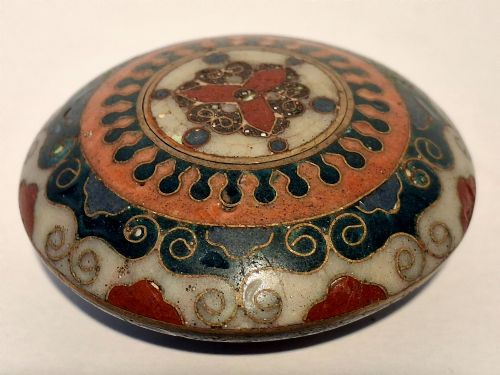
Beyond vessels, the selection includes smaller portable items such as netsuke, brooches, caskets, and censers. Japanese origins predominate, supplemented by Chinese works and European interpretations from the Arts and Crafts movement.
The objects demonstrate a high degree of specialised skill, utilising metal wires to create cells that are subsequently filled with coloured enamel before firing and polishing.
Materials and technique
The foundation of antique cloisonne art typically relies on copper, brass, bronze, or silver as a base body. Artisans solder thin metal ribbons or wires, known as cloisons, onto this metallic surface to form intricate compartments that outline the decorative design.
Coloured enamel paste is packed tightly into these individual cells before the piece undergoes multiple high-temperature firings in a kiln. Once cooled, the surface is ground down and polished until the metal wires and glass enamel meet in a smooth, continuous plane.
Antique Cloisonne Art Retail Price Guide 2026
Typical asking prices for cloisonne art among the pieces listed under this phrase on Sellingantiques today, from the lower quarter to the upper quarter. They describe what is for sale here now, not the wider market.
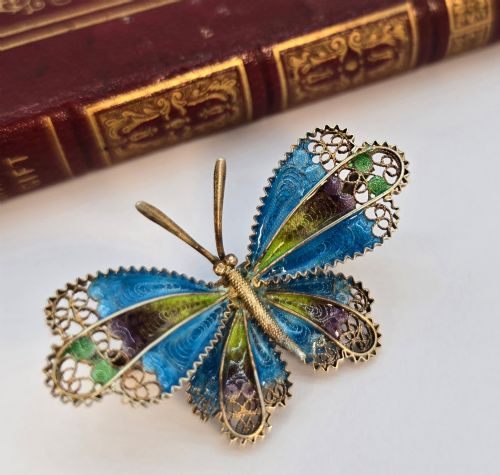
Several items double as miniature wearable art, including intricate silver gilt butterfly brooches and tiny lidded manju netsuke.
Assessing quality and execution
Quality in antique cloisonne art depends heavily on the fineness of the wirework and the density of the enamel. Superior examples exhibit microscopic, uniform wire cells and a polished surface free from pitting, bubbling, or visible flaws in the glass paste.
Compositional complexity also separates standard items from masterworks. Pieces featuring intricate pictorial narratives, such as dragons, samurai, or leaping koi executed with subtle colour gradations, represent the upper tier of period production.
Tamura Yukio·Ando·Jules Vieillard·Gustav Gaudernack
The Antique Cloisonne Art Glossary
- Cloisonne enamel
- A decorative metalwork technique where thin wires form cells to hold coloured glass paste. The assembled piece is fired and polished smooth.
- Ginbari
- A Japanese enamelling technique featuring a textured, patterned foil base beneath translucent enamel. This method creates a shimmering depth effect.
- Totai Shippo
- A wire-based enamelling method on a porcelain body rather than metal. It produces delicate, semi-translucent plates and vessels.
- Netsuke
- A small carved toggle used in traditional Japanese dress to secure small pouches. They occasionally incorporate champleve or cloisonne enamel details.
- Plique-a-jour
- An enamelling technique resembling miniature stained glass where the enamel has no backing. Light passes directly through the translucent coloured cells.
Antique Cloisonne Art: Frequently Asked Questions
How do I clean antique cloisonne art?
Dust these items gently with a soft, dry cloth to prevent accumulation in the wire recesses. Avoid water, chemical dips, or abrasive cleaners, as moisture can penetrate hairline fractures in the old enamel or tarnish exposed metal surfaces.
For stubborn grime, consult a professional conservator rather than attempting aggressive DIY methods. Keeping pieces away from direct sunlight and extreme temperature shifts preserves the stability of the enamel.
Are all cloisonne pieces Japanese?
While Japanese production dominates nineteenth-century offerings, particularly from the Meiji period, cloisonne art has a rich history across China and Europe. Chinese pieces from the Qing period often feature heavier bronze bases and distinct colour palettes.
European makers also adopted the technique during the Arts and Crafts and Art Nouveau movements, applying enamel work to brooches, caskets, and decorative vessels.
What is the difference between cloisonne and champleve?
Cloisonne relies on soldered wires applied to the surface of a metal base to create the individual cells for enamel. This allows for extremely fine, intricate line work and complex pictorial designs.
Champleve involves carving or gouging troughs directly into the solid metal base to hold the enamel paste. This older method results in bolder, more robust outlines and simpler geometric or figurative patterns.
How can I date an antique cloisonne piece?
Dating relies on stylistic clues, metal composition, and signature marks. Meiji period works often display refined pictorial mastery and vibrant copper bases, while earlier Edo pieces can exhibit heavier construction and coarser wirework.
European examples frequently align with Victorian, Arts and Crafts, or Art Deco design motifs that reflect the prevailing aesthetics of their specific decades of manufacture.