


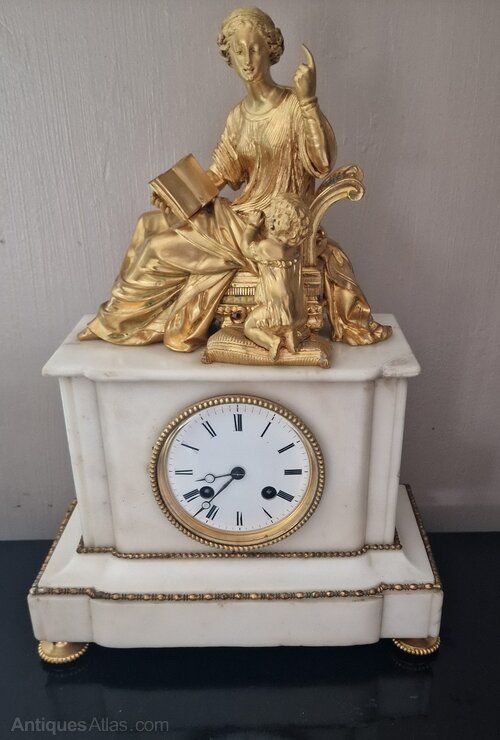


Antique Clock with Figure
An antique clock with figure brings together timekeeping and sculptural art, offering a centrepiece that anchors a room with narrative and character.
Antique Clock with Figure
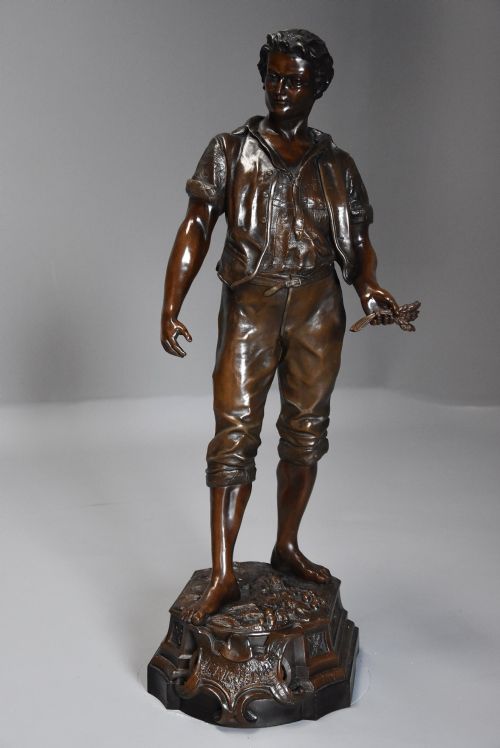
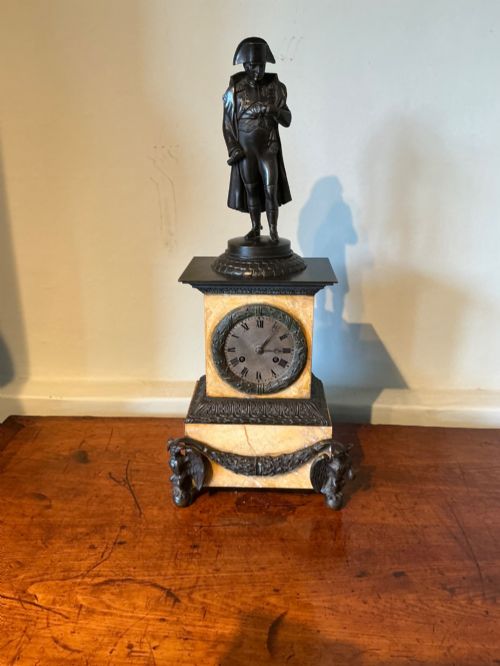
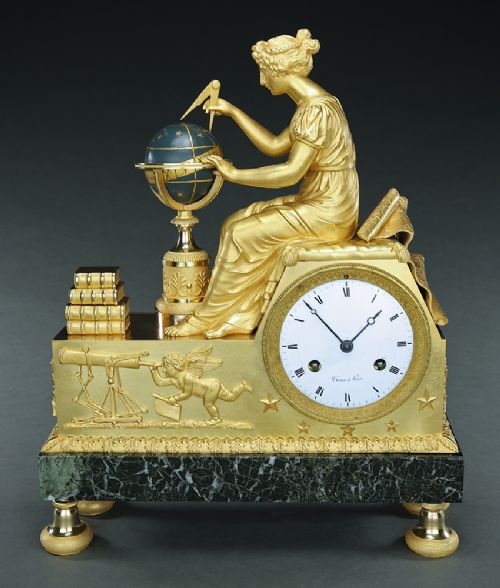
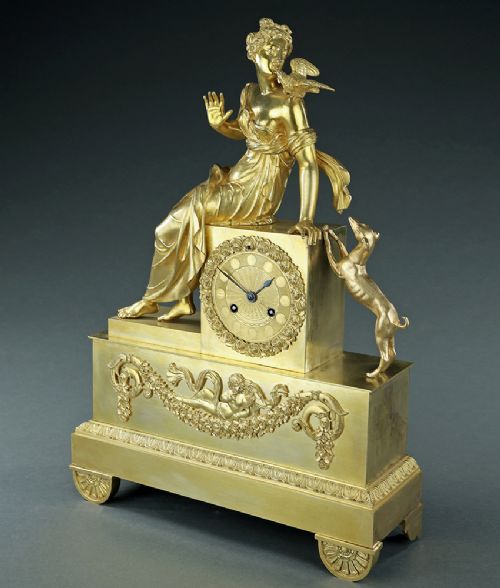
When you search for an antique clock with figure, you are looking at horological pieces that incorporate human or allegorical sculptures into their design. These items combine the practical function of timekeeping with decorative bronze, brass, or carved figures that often tell a story or represent a specific theme.
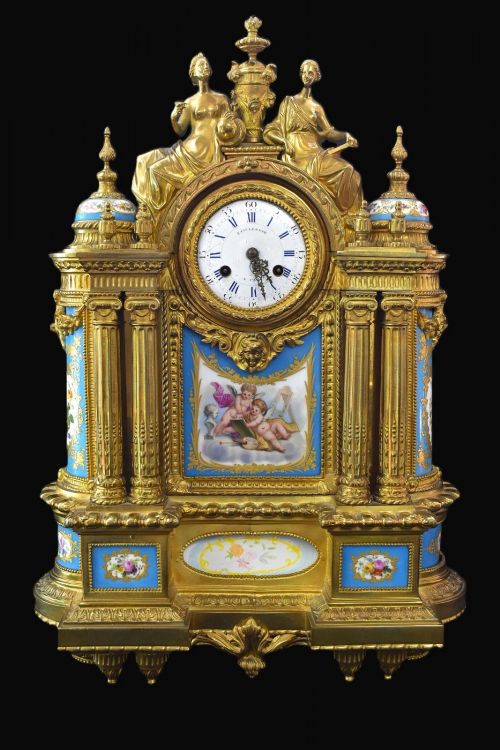
On this page, you are most likely to meet French mantel clocks from the nineteenth century featuring gilt bronze or ormolu figures. Examples range from historical figures like Napoleon to allegorical representations such as chastity or putti with dogs.
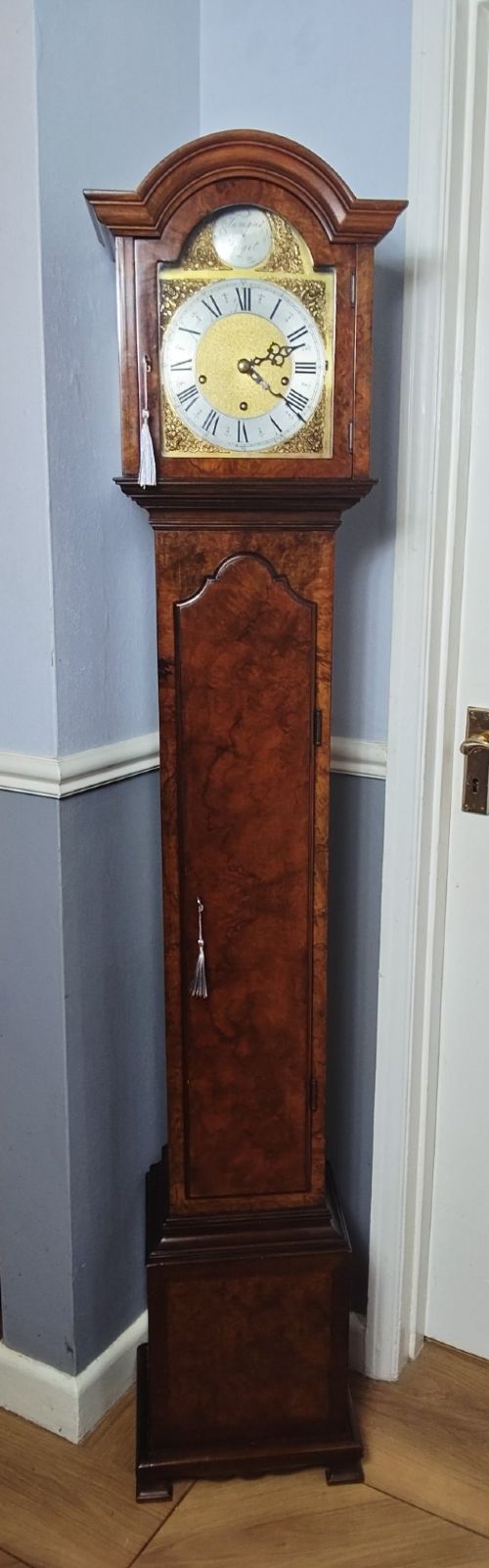
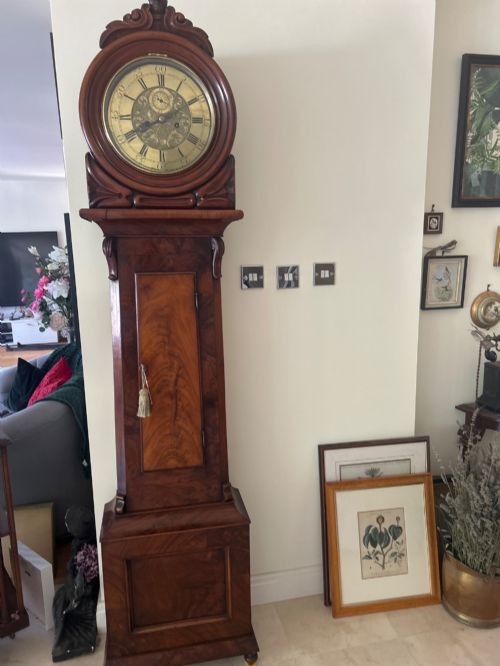
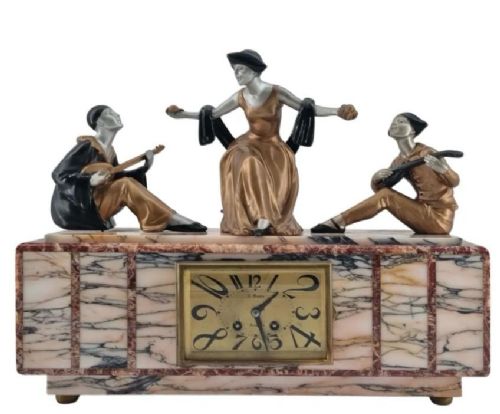
The selection also extends to grander forms like grandfather clocks housed in figured mahogany, alongside more compact French miniature designs and twentieth-century Art Deco pieces with matching garnitures.
Materials and construction
These pieces rely on metals such as gilt bronze, ormolu, and brass to form the structural cases and the detailed sculptural figures that accompany the dials. Skilled founders cast these bronze elements before applying mercury gilding or patination to achieve the characteristic rich surface finish.
Dials frequently incorporate enamel for clarity and contrast, while some iterations integrate carved alabaster, marble, or wood cases like figured mahogany. Delicate glass domes often protect the more intricate French movements and sculptural elements from dust and damage.
Listings feature eighteenth-century pieces alongside nineteenth-century Victorian designs and twentieth-century Art Deco items.
Quality and craftsmanship
The standard of a figural clock is largely determined by the crispness of the casting and the depth of the chasing in the bronze or ormolu figures. Finer examples display sharp facial expressions, articulated drapery, and subtle variations in surface texture that lesser castings blur.
Movement maker attribution also plays a significant role in distinguishing the calibre of a piece. Signed works from established French and English makers demonstrate superior mechanical execution alongside more substantial and finely finished cases.
Deniere Paris·Japy Freres·F Marti·P H Mourey·Russels Liverpool
The Antique Clock with Figure Glossary
- Ormolu
- Gilded bronze produced by applying a mercury and gold amalgam to a bronze object and heating it to drive off the mercury. This technique creates a durable, luminous golden finish characteristic of many French mantel clocks.
- Garniture
- A set of decorative matching objects, usually a clock flanked by a pair of vases or candelabra, designed to sit together on a mantelpiece.
- Moon roller
- A mechanism behind the arched dial of a grandfather clock that tracks the phases of the moon through a rotating painted disc.
- Patinated bronze
- Bronze that has been chemically treated to produce a dark, aged surface tone, often contrasted with bright gilt bronze details.
Antique Clock with Figure: Frequently Asked Questions
What is an antique clock with figure?
These are horological pieces that incorporate cast or carved sculptural figures, ranging from mythological characters to historical figures, directly into their design.
They function as both timekeepers and sculptural works of art, often designed to sit on mantelpieces or grand halls.
Where were most figural clocks made?
A large proportion of these clocks originate from nineteenth-century French workshops, particularly in Paris, where makers specialised in ormolu and bronze casting.
English makers also produced tall case clocks and mantelpieces featuring sculptural elements, though the stylistic focus differed.
How do I care for gilt bronze?
Gilt bronze and ormolu require gentle dusting with a soft, dry brush to prevent the accumulation of dirt in the recesses of the casting.
Avoid using abrasive cleaning agents or metal polishes, as these can strip away the delicate original gilding.
What is a garniture set?
A garniture set consists of a central clock accompanied by matching decorative pieces, such as urns, vases, or candelabra, designed to be displayed together.
This arrangement creates a balanced and symmetrical display across a mantelpiece.