



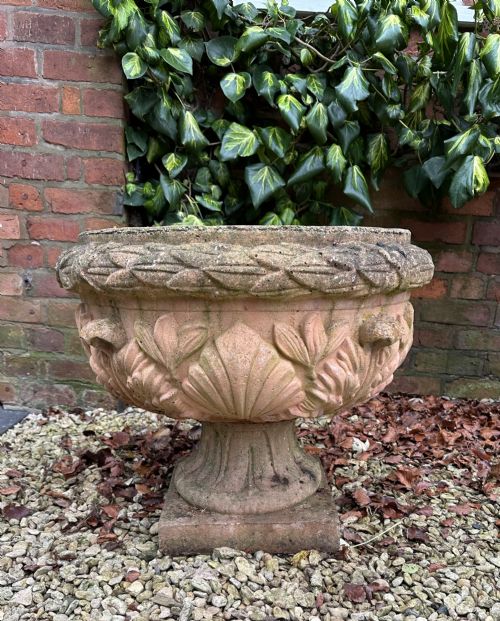


Antique Clay Urns
These antique clay urns bring heavy utilitarian grace into gardens and interiors, prized for their weathered surfaces and classic vessel forms.
Antique Clay Urns
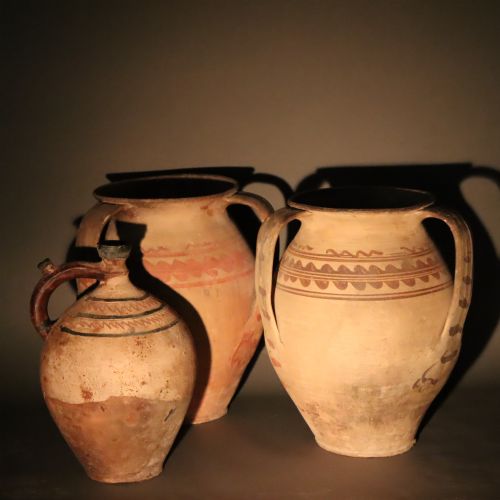
When you search for antique clay urns, you encounter a robust selection of historic vessels primarily built for utilitarian storage in Mediterranean agriculture and domestic gardens. The specimens appearing here span the nineteenth century up to the early twentieth century, showing deep roots in regional working traditions from Turkey, Portugal, France, and Greece.
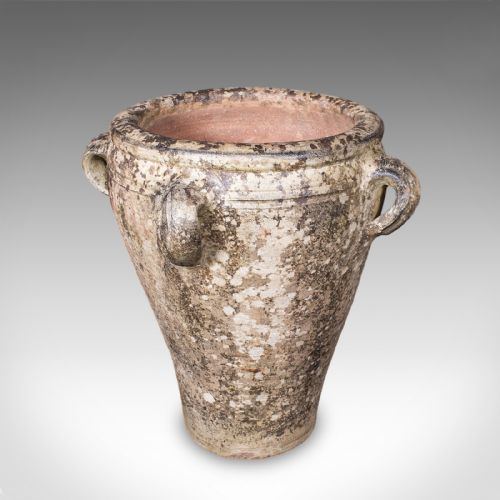
The most common forms you meet are large oil jars, olive jars, and garden planters fashioned from porous earthen materials. These functional vessels often display traces of lime wash, paint, or simple decorative modelling along the shoulders and rims, reflecting their origins as everyday containers.
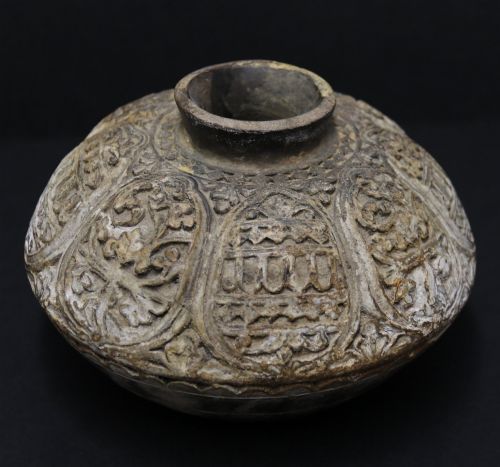
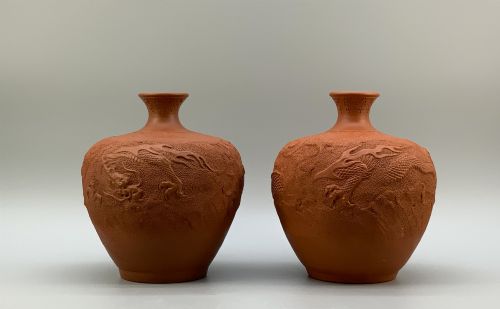
Alongside working agricultural jars, the selection encompasses decorative garden urns, classical vases, and occasionally ancient Greek antiquities dating prior to the sixteenth century. Buyers looking for character typically find tall terracotta planters and scroll-detailed pots that suit both outdoor courtyards and interior spaces.
What varies in quality
Quality in these utilitarian vessels lies in the balance of their proportions and the integrity of the surviving clay body. Superior examples maintain crisp rim profiles and structural symmetry despite their functional history as heavy storage containers for oil, water, or olives.
The degree of surface preservation and authentic weathering also separates standard items from exceptional pieces. Natural patinas, remnant lime wash, and undisturbed firing variations command greater interest than heavily restored surfaces, while distinct regional styles like Compton Pottery designs demonstrate higher artistic ambition.
Antique Clay Urns Retail Price Guide 2026
Typical asking prices for clay urns among the pieces listed under this phrase on Sellingantiques today, from the lower quarter to the upper quarter. They describe what is for sale here now, not the wider market.
Some nineteenth-century jars retain their original painted numbers, marking their place in forgotten Mediterranean courtyards.
The Antique Clay Urns Glossary
- Terracotta
- A porous, unglazed baked red clay used extensively for garden planters and large agricultural storage vessels. Over time, exposure to moisture develops a chalky, weathered patina across the surface.
- Amphora
- A tall ancient two-handled jar with a narrow neck, traditionally used for transporting and storing oil or wine across the Mediterranean. These vessels often feature pointed bases designed to stand upright in sand or soft earth.
- Olive Jar
- A large, bulbous earthenware container utilised historically in Mediterranean countries for holding and preserving olives or olive oil. Their thick walls helped maintain stable internal temperatures.
- Lime Wash
- A traditional white or tinted coating made from slaked lime and water, applied to the exterior of clay pots for protection and reflection of sunlight. Traces of this wash frequently survive on nineteenth-century specimens.
- Stoneware
- A dense, impermeable ceramic fired at higher temperatures than earthenware, making it naturally resistant to water absorption and frost damage. It offers greater structural durability in colder climates.
Antique Clay Urns: Frequently Asked Questions
Can antique clay urns stay outside in winter?
Most historic earthenware and terracotta vessels absorb moisture and can crack if subjected to hard freezing temperatures while filled with wet soil.
To preserve the clay body, store unglazed pots indoors during severe frost or elevate them on pot feet to ensure proper drainage.
How do I clean an old terracotta jar?
Gentle brushing with water and a soft-bristled brush removes dirt without disturbing the fragile historic surface layers or remnant lime wash.
Avoid harsh chemical detergents or pressure washers, which strip away the natural patinas accumulated over centuries of use.
What were olive jars used for?
Olive jars served as heavy storage vessels in Mediterranean agriculture, holding agricultural yields like oil, water, and preserved fruits.
Their thick clay walls and bulbous proportions kept contents cool and secure during transport and long-term cellar storage.
How can I tell the age of a clay pot?
Dating relies on examining tool marks, clay composition, regional form variations, and the specific weathering patterns present on the body.
Nineteenth-century pieces often show distinct throwing ridges and utilitarian wear, while earlier antiquities display archaic forms and mineral deposits from burial.