


Antique Classical Oil Lamp
An antique classical oil lamp brings antiquity into the room through classical forms cast in bronze, brass, and silver plate.
Antique Classical Oil Lamp
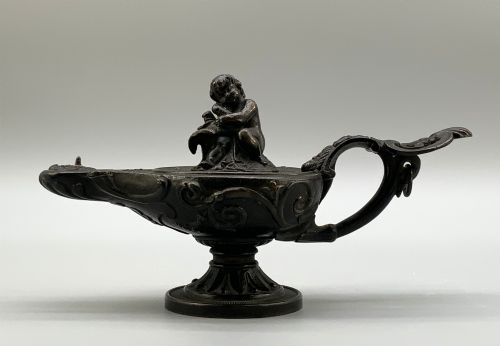
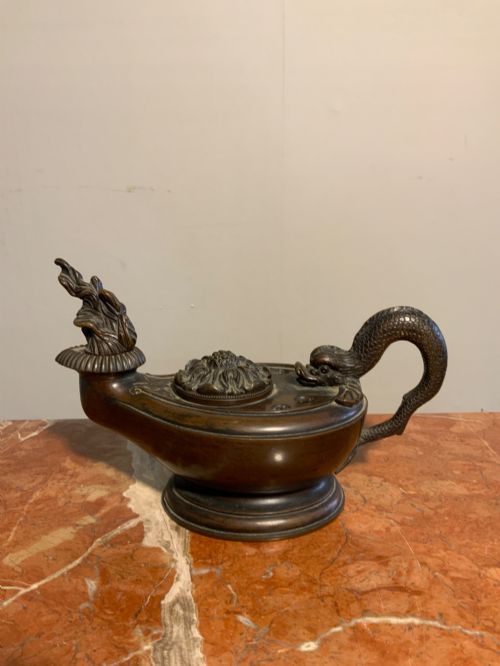
When you search for an antique classical oil lamp, you encounter lighting and vessels shaped by nineteenth-century revivals of ancient Greek, Roman, and Pompeian design. These pieces draw heavily on archaeological discoveries of the period, translating ancient shapes into domestic objects.
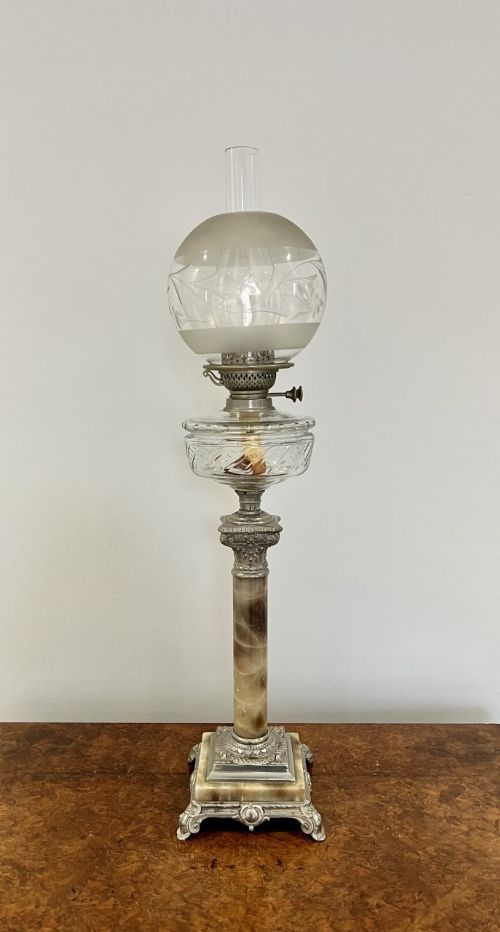
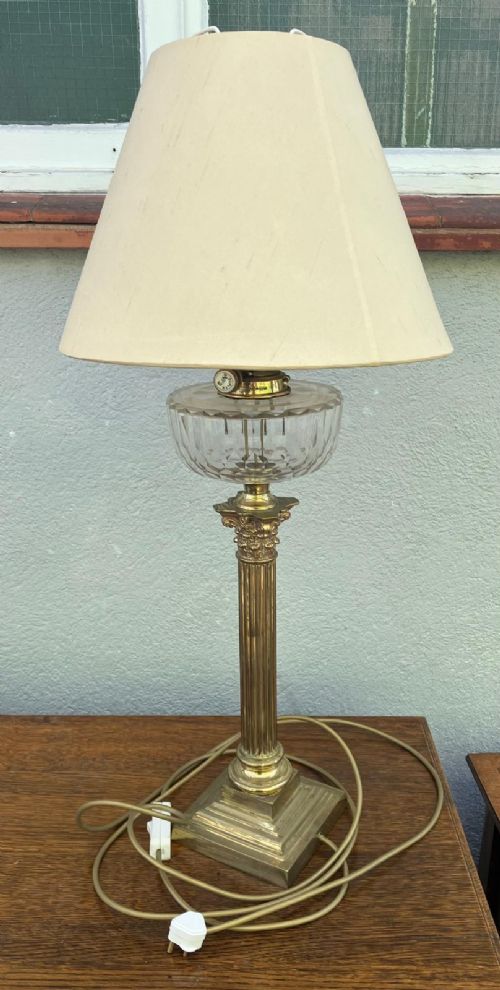
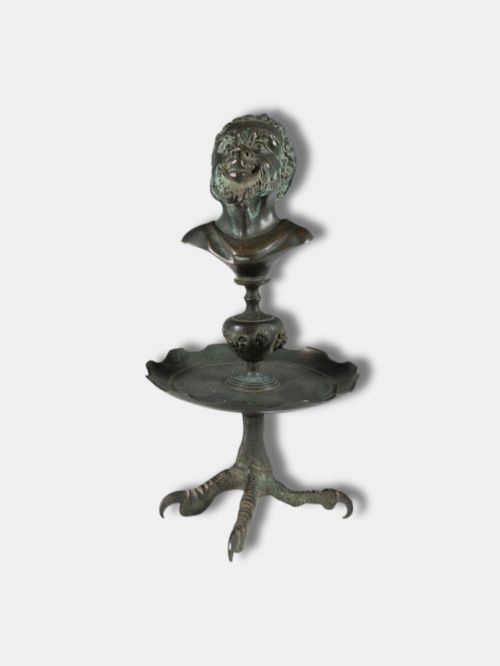
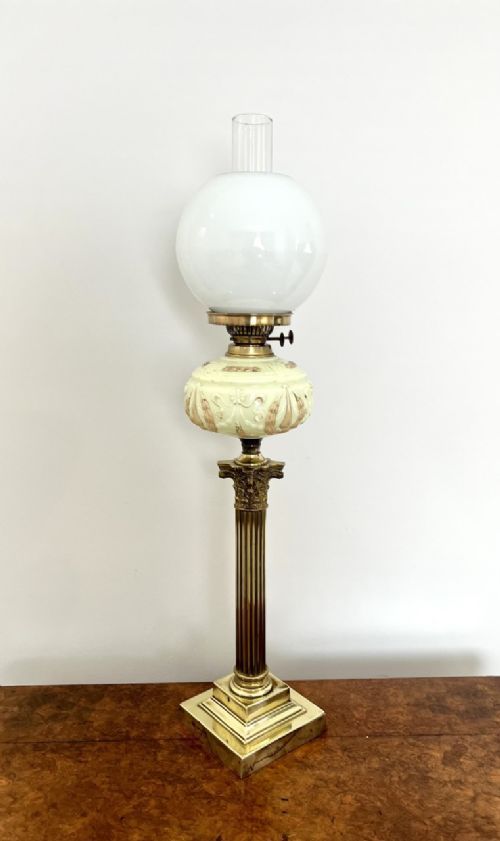
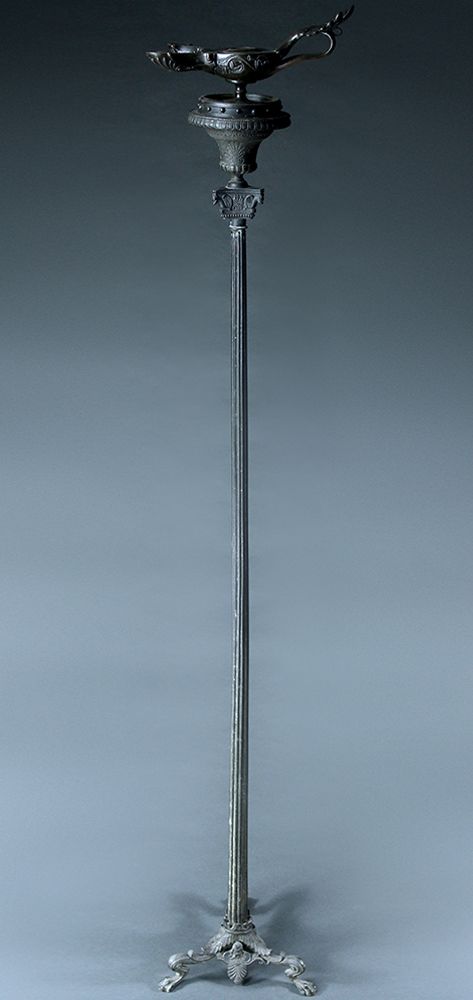
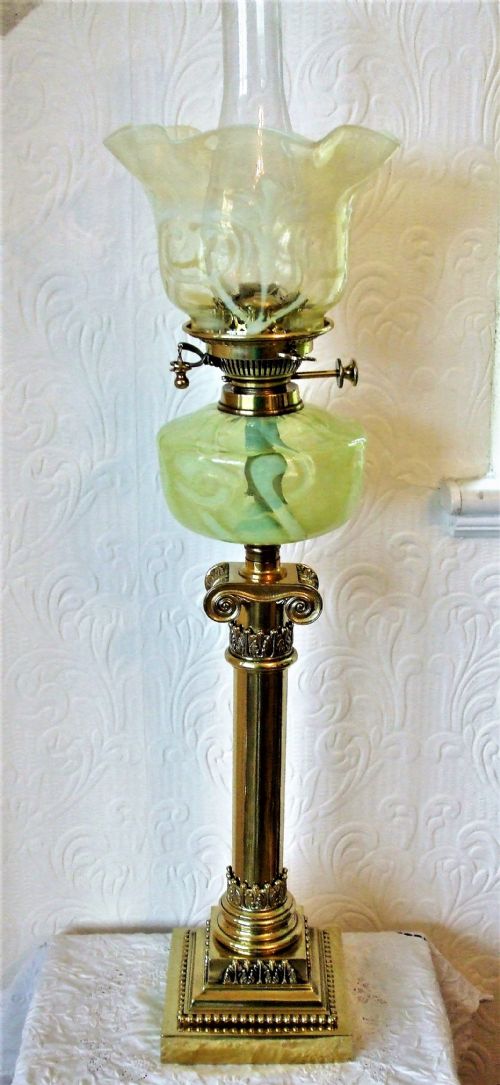
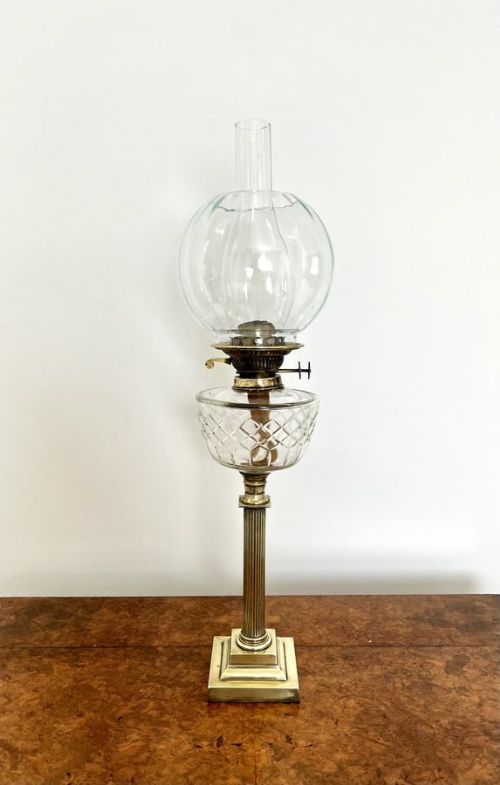
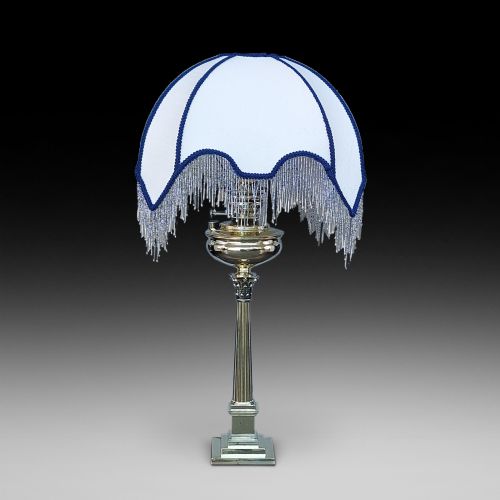
The most common versions met on this page are column lamps, particularly Corinthian and reeded brass columns, alongside figural bronze pieces influenced by Grand Tour travels to Italy. Forms range from table lamps and converted oil burners to table lighters and floor-standing models.
Origins span English Victorian production, French workshops, and Italian craftsmanship associated with the Grand Tour. Dating stretches from the early nineteenth century through the Edwardian era, with Victorian examples forming the bulk of the selection.
What varies in quality
The distinction between ordinary and exceptional pieces lies in the crispness of the casting and the weight of the metal. Fine Corinthian capitals show deep, clean-edged acanthus leaves, whereas lesser pieces exhibit rounded, shallow detail from worn moulds.
Material selection and proportion dictate the upper tier of the range. Solid bronze figures with distinct chisel work and substantial brass columns with intact, high-clarity cut glass reservoirs stand apart from lighter, thinner constructions.
Several miniature oil lamps take the precise shape of ancient Roman vessels, complete with tiny resting birds perched on the rims.
Hinks of Birmingham·Goldsmiths and Silversmiths Company
The Antique Classical Oil Lamp Glossary
- Grand Tour
- A nineteenth-century cultural journey through Europe, particularly Italy, undertaken by wealthy individuals who collected classical antiquities and souvenirs such as bronze lamps.
- Corinthian Column
- An architectural order featuring an ornate capital decorated with acanthus leaves, frequently utilised for the stems of Victorian brass and silver-plated oil lamps.
- Cold Painted Bronze
- A technique where bronze sculptures received non-fired paint applied over a metallic base, often seen in figural Victorian lamp components.
- Opaline Glass
- A pale, translucent glass type used for lamp reservoirs, offering a soft diffusion of light above metal bases.
- Table Lighter
- A smaller vessel shaped in the likeness of an ancient oil lamp, adapted in silver or silver plate to ignite cigars and cigarettes on nineteenth and twentieth-century dining tables.
Antique Classical Oil Lamp: Frequently Asked Questions
Are these lamps still fitted for oil?
Most surviving examples have undergone conversion to electricity at some point in their history to allow safe domestic use today.
Original burners and reservoirs often remain intact beneath modern wiring, preserving the historical mechanics of the piece.
How do I identify a Grand Tour piece?
Grand Tour pieces typically feature dark patinated bronze modelled after archaeological finds from Pompeii or Rome, such as satyr busts and eagle claws.
These items generally date from the early to mid-nineteenth century and reflect direct study of classical antiquities.
What is the difference between brass and bronze columns?
Brass columns, particularly those with Corinthian or reeded shafts, were standard for nineteenth-century English domestic lighting and offer a bright metallic finish.
Bronze columns and figural supports carry a darker, heavier presence associated with neoclassical revivalism and continental European production.
How do I clean the metal parts safely?
Regular dusting with a dry microfibre cloth protects the patinated surfaces of bronze and avoids stripping historical finishes from brass.
Silver-plated and sterling elements require specialised silver cloths used sparingly to maintain the integrity of the metal.